7 Holistic Wellness Strategies for Total Health



Yummunity
Real talk—wellness isn't just about hitting the gym or eating your greens (though those matter too). A proper approach to holistic wellness looks at the whole picture: your mind, body, spirit, and everything in between. Think of it as upgrading from a basic health routine to a complete lifestyle that actually makes you feel amazing inside and out. We're diving into seven game-changing strategies that'll help you build a wellness routine worth obsessing over. No overwhelming changes, just smart tweaks that add up to something brilliant.
Let's start with the basics. Holistic health isn't some trendy buzzword—it's about treating your body as one connected system rather than separate parts. Instead of just fixing problems as they pop up, this approach focuses on keeping everything balanced from the get-go. The mind-body connection is real science, not just wellness talk.
Your thoughts affect your physical health, your gut health impacts your mood, and stress shows up everywhere from your skin to your sleep. Integrative medicine combines the best of conventional healthcare with natural approaches, giving you more tools in your wellness toolkit.
Think of your body like a group chat where everyone's connected. When one person's having a rough day, it affects the whole vibe. Your physical health, mental state, emotions, and even your environment all influence each other. That's why popping a painkiller for stress headaches might help temporarily, but addressing the actual stress gets better long-term results.
Research shows that practices like meditation actually change your brain structure, improving focus and reducing anxiety. Your gut produces about 90% of your body's serotonin—that's your happy hormone. Even your social connections directly impact your immune system. When you understand these connections, wellness becomes less about following rules and more about working with your body's natural systems.
Food is medicine, but not in a boring, restrictive way. A smart nutritional approach focuses on giving your body what it needs to thrive. This means choosing foods that fight inflammation, support your energy levels, and keep your mind sharp. Natural remedies often start in your kitchen—turmeric for inflammation, ginger for digestion, and omega-3 rich foods for brain health.
The goal isn't perfection; it's progress. Start by adding more whole foods rather than cutting everything out. Your body craves nutrients, not just calories.
Leafy greens for brain health and energy
Berries packed with antioxidants for cellular protection
Fatty fish for omega-3s and heart health
Nuts and seeds for healthy fats and protein
Fermented foods for gut health and immunity
Your cells need proper hydration to function, but it's not just about chugging water. Herbal teas, coconut water, and water-rich foods all count. Adding a pinch of sea salt or lemon to your water helps with absorption. Listen to your body—thirst, dry skin, and fatigue can all signal dehydration.
Exercise doesn't have to mean suffering through workouts you hate. The best movement routine is one you'll actually stick to. Whether that's dancing, hiking, yoga, or strength training, the key is consistency over intensity. Your body was designed to move, and regular activity supports everything from mood regulation to bone density.
Physical activity also helps process stress hormones and releases endorphins—nature's mood boosters. Find what feels good and build from there.

Vedistry Ashwagandha
Yoga for flexibility and stress relief
Walking for gentle cardio and mental clarity
Strength training for bone health and confidence
Dancing for joy and coordination
Swimming for full-body, low-impact exercise
Rest days aren't lazy days—they're when your body actually gets stronger. Gentle stretching, foam rolling, or just taking a proper break helps prevent injury and keeps you motivated long-term. Your muscles grow during recovery, not during the workout itself.
Stress management isn't just about relaxation—it's about building resilience for life's inevitable challenges. Chronic stress wreaks havoc on your immune system, sleep, and digestion. The good news? You can train your mind just like you train your body. Self-care practices like mindfulness, deep breathing, and emotional regulation become your daily toolkit for staying balanced.
Mental wellness isn't about being positive all the time. It's about developing healthy ways to process emotions and bounce back from difficult situations.
Five-minute morning meditation or breathing exercises
Journaling to process thoughts and emotions
Progressive muscle relaxation for physical tension
Gratitude practice to shift perspective
Boundary setting to protect your energy
Resilience isn't about being tough—it's about being flexible. Like a tree that bends in the wind rather than breaking, emotional resilience helps you adapt to challenges without losing your core strength. This comes from practices like self-compassion, realistic thinking, and having healthy coping strategies ready when you need them.
Your surroundings shape your well-being more than you might realise. This includes your physical space, the people you spend time with, and even your digital environment. A cluttered, toxic, or chaotic environment makes it harder to feel calm and focused. Creating spaces that support your wellness goals isn't about having a perfect home—it's about intentional choices that make you feel good.
Social connections are just as important as your physical environment. Humans are wired for connection, and strong relationships actually boost your immune system and increase longevity.
Natural light and fresh air in your living space
Plants for air purification and mood boosting
Minimal exposure to harsh chemicals and toxins
Organised spaces that reduce mental clutter
Technology boundaries for better sleep and focus
Quality trumps quantity when it comes to relationships. Focus on connections that energise rather than drain you. This might mean setting boundaries with negative people or making more effort with friends who truly support your growth. Community doesn't have to be huge—even one or two solid relationships make a massive difference to your mental health.
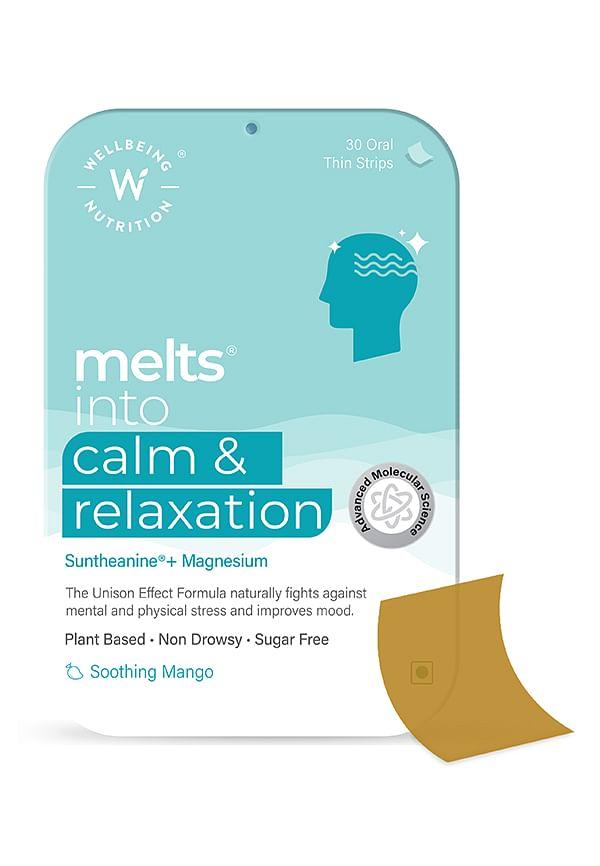
Melts Calm & Relaxation Plant Based Stress & Anxiety Reliever
Spiritual wellness doesn't require religious beliefs—it's about connecting with something bigger than yourself and finding meaning in your daily life. This might be through nature, creativity, service to others, or personal values. Having a sense of purpose gives you resilience during tough times and makes the good times even better.
Purpose-driven living means making choices that align with what matters most to you. It's about asking not just "What do I want?" but "What kind of person do I want to be?"
Volunteer for causes you care about
Spend time in nature for perspective and grounding
Practice gratitude for what you already have
Engage in creative activities that bring joy
Reflect on your core values and live by them
You don't need to change the world to live meaningfully. Small acts of kindness, creative expression, or simply being present with loved ones all contribute to a sense of purpose. The key is intentionality—choosing to see meaning in everyday moments rather than waiting for grand gestures.
Sleep isn't a luxury—it's when your body repairs itself, processes emotions, and consolidates memories. Poor sleep affects everything from your immune system to your ability to make good decisions. Quality sleep is one of the most powerful natural remedies for stress, mood issues, and physical health problems.
Creating a sleep routine that works for your lifestyle sets you up for success in every other area of wellness. Your body thrives on consistency, so regular sleep and wake times help regulate your internal clock.
Cool, dark, quiet bedroom environment
Consistent bedtime routine to signal wind-down time
Limited screen time before bed
Natural sleep aids like chamomile tea or magnesium
Regular sleep and wake times, even on weekends
Recovery includes any practice that helps your body and mind reset. This might be a warm bath, gentle stretching, reading, or simply doing nothing. Active recovery helps process stress hormones and gives your nervous system a chance to shift into rest mode. Think of it as maintenance for your mental and physical health.
Preventative care is about catching potential issues early and maintaining optimal health rather than just treating problems. This includes regular check-ups, but also daily habits like checking in with your energy levels, mood, and physical sensations. Your body gives you signals all the time—learning to listen helps you make adjustments before small issues become big problems.
Working with healthcare providers who understand integrative medicine gives you the best of both worlds: conventional medical care when you need it, plus natural approaches for ongoing wellness.

Vedic Chyawanprash
Daily energy and mood tracking
Regular body scans for tension or discomfort
Sleep quality monitoring
Stress level check-ins
Nutrition and hydration awareness
You don't have to figure everything out alone. A good wellness team might include your GP, a nutritionist, therapist, massage therapist, or fitness trainer. The key is finding practitioners who listen to you and support your goals. Even online communities and wellness apps can provide valuable support and accountability.
When exploring wellness products and supplements, platforms like Smytten make it easier to try before you commit. With curated trial packs from trusted wellness brands, you can discover what works for your body without the guesswork. This approach to product discovery aligns perfectly with holistic wellness—it's about finding what truly serves you, not just following trends.
A holistic approach treats your entire being—physical, mental, emotional, social, and spiritual health—as interconnected parts of one system. Instead of addressing symptoms in isolation, it looks at root causes and focuses on creating balance across all areas of life.
Start small with one or two practices that feel manageable. This might be a five-minute morning meditation, adding more vegetables to your meals, or taking a short walk daily. Build consistency with small changes before adding more complex practices.
Traditional medicine typically focuses on diagnosing and treating specific symptoms or diseases. Holistic health takes a broader view, addressing lifestyle factors, prevention, and the connections between different body systems. Both have their place in comprehensive healthcare.
Holistic wellness complements but doesn't replace necessary medical care. For serious health conditions, work with qualified healthcare providers. Holistic practices excel at prevention, stress management, and supporting overall well-being alongside conventional treatment when needed.
Some benefits, like improved mood from exercise or better sleep from a bedtime routine, can happen within days or weeks. Deeper changes in energy, stress resilience, and overall health typically develop over months of consistent practice.
Your approach to holistic wellness doesn't have to be perfect—it just needs to be yours. These seven strategies work best when you adapt them to fit your life, not the other way around. Start with what feels most important or exciting to you right now. Maybe that's improving your sleep, trying meditation, or simply drinking more water. Small, consistent changes create lasting transformation.
Remember, wellness is a journey, not a destination. There will be days when you nail your routine and days when you barely manage the basics—both are completely normal. The goal is progress, not perfection. As you explore what works for your unique needs, platforms like Smytten can help you discover wellness products that truly support your goals. With trial packs from trusted brands, you can experiment with supplements, skincare, and wellness products without committing to full sizes. After all, why settle for 'maybe' when you can try it all and find what actually makes you feel amazing?
