7 Herbal Teas That Melt Away Stress Naturally
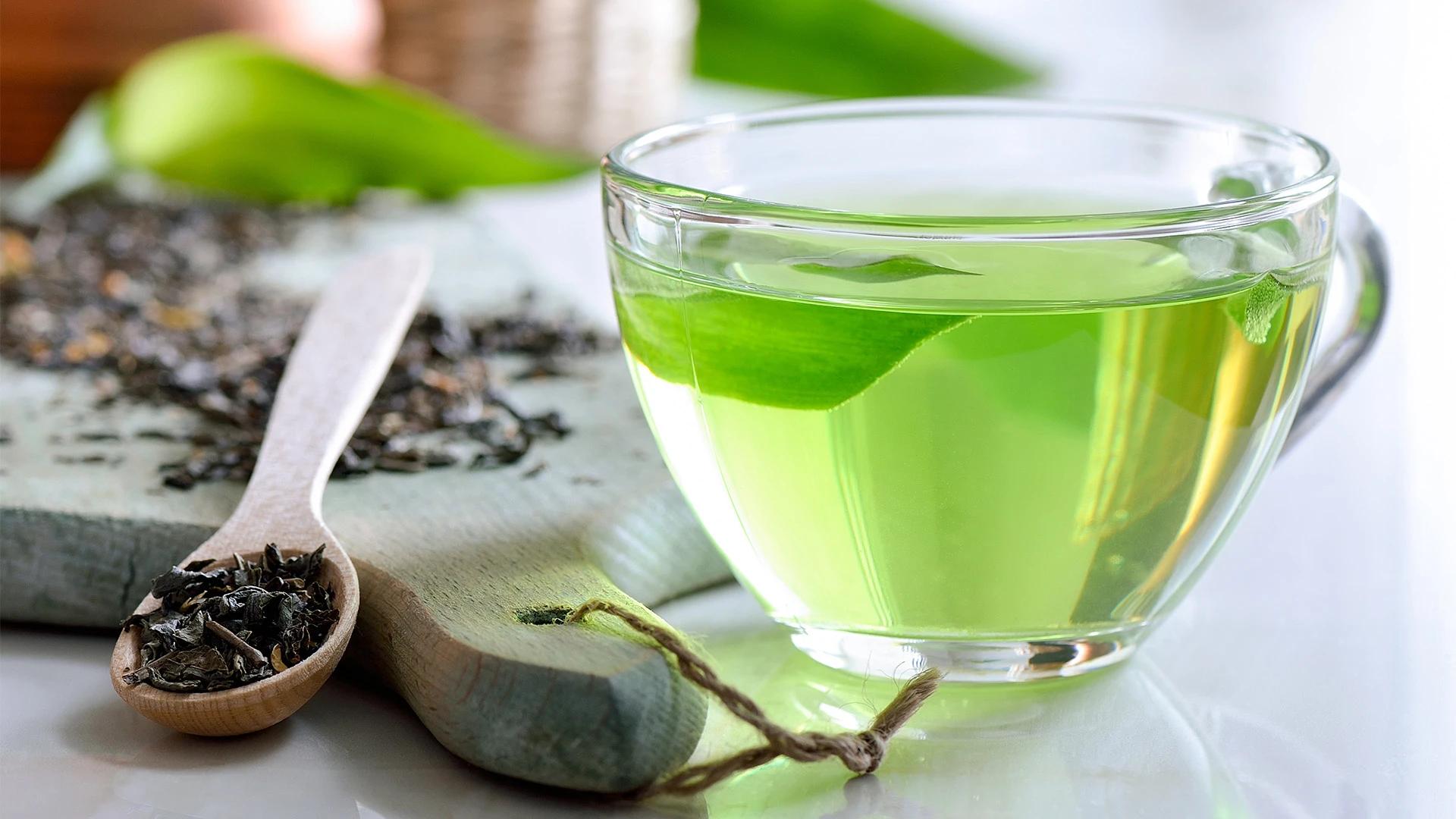

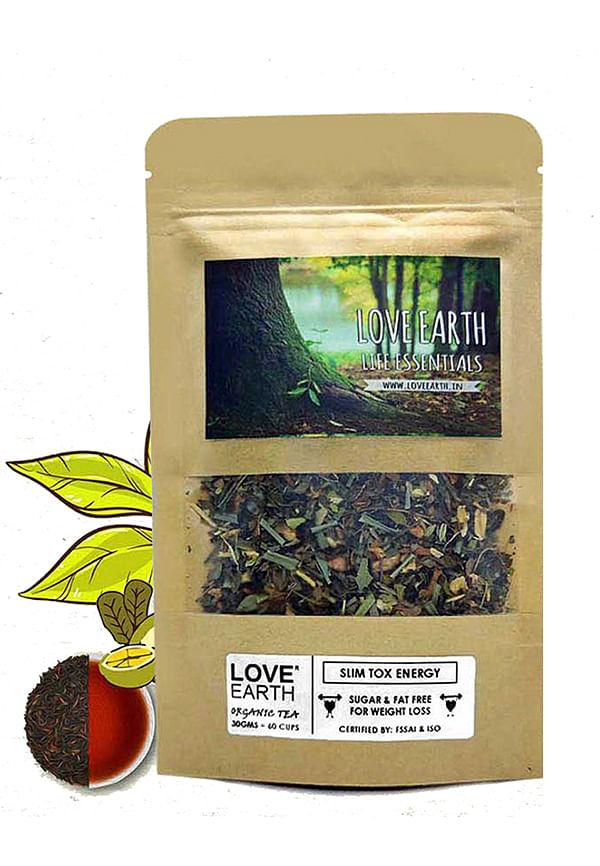
Slim Tox Energy – Organic Green Tea
Healthy and Soothing Green Tea
 4
4“healthy and soothing Green tea.”
Refreshing Product
4“it gives a refreshing feel....”
Great, mild product
4“Great product not too strong ☺️”
Let's be real—stress has become that uninvited guest who just won't leave. Between work deadlines, endless notifications, and life's general chaos, finding moments of calm feels like searching for a needle in a haystack. But here's the thing: nature's been brewing up solutions for centuries, and herbal teas for stress relief might just be your new best friend. These aren't just trendy wellness drinks; they're time-tested remedies that actually work. From chamomile's gentle embrace to ashwagandha's powerful adaptogenic properties, these seven teas offer a natural path to tranquillity that doesn't involve counting sheep or expensive therapy sessions.
Your body's stress response is basically a very dramatic alarm system that goes off way too often. When you're stressed, your brain releases cortisol and adrenaline, which are brilliant for escaping actual danger but not so helpful when you're just trying to survive Monday morning. This is where herbal remedies for stress come in clutch.
Unlike synthetic medications that can come with a laundry list of side effects, natural stress remedies work with your body's existing systems. Many stress relief teas contain compounds that interact with GABA receptors in your brain—the same ones responsible for that lovely feeling of calm you get after a good laugh or a warm hug. The beauty of these botanical solutions is that they've been refined through thousands of years of traditional use, and modern science is finally catching up to prove what our ancestors already knew.
Ready to discover your new go-to stress-busters? These seven teas each bring something unique to the table, whether you're dealing with racing thoughts, physical tension, or that general feeling of being overwhelmed.
Chamomile is basically the golden retriever of the tea world—gentle, reliable, and loved by everyone. This anti-anxiety tea contains apigenin, a compound that binds to benzodiazepine receptors in your brain, creating a mild sedative effect without the grogginess.
Clinical studies have shown that people who drink chamomile tea regularly experience significant reductions in anxiety symptoms. The best part? It tastes like a warm hug with honey notes that make even the most stressful day feel manageable. Brew it for 5-7 minutes in water that's just off the boil, and sip it about an hour before bed for the ultimate sleep tea experience.
If chamomile is a golden retriever, lavender is that sophisticated friend who always knows exactly what to say. The star compound here is linalool, which has been shown to reduce cortisol levels and activate the parasympathetic nervous system—your body's "rest and digest" mode.
Research indicates that even just smelling lavender can lower blood pressure and heart rate. When you drink it as a tea for relaxation, you're getting both the aromatic benefits and the internal calming effects. Just remember that a little goes a long way—too much lavender can taste soapy, so start with a light hand.
Don't let the cheerful name fool you—lemon balm is serious business when it comes to stress relief. This member of the mint family contains rosmarinic acid, which has been shown to reduce cortisol levels and improve mood within just a few weeks of regular consumption.
What makes lemon balm special is its ability to calm without causing drowsiness, making it perfect for daytime stress management. Studies have found that it can improve cognitive performance while reducing anxiety—basically, it helps you think clearly whilst staying zen. It's also incredibly easy to grow if you fancy having fresh leaves on hand.
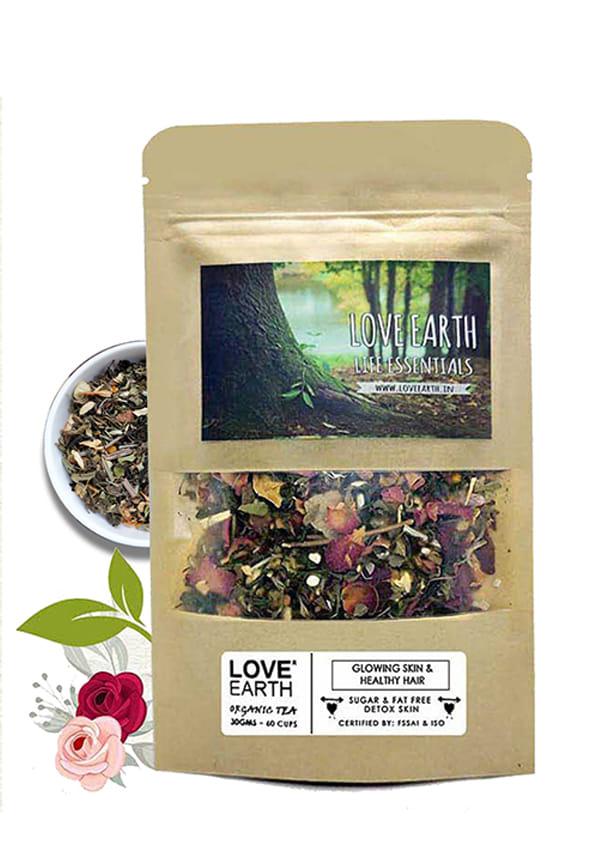
Glowing Skin And Healthy Hair Green Tea
Healthy & Soothing Green Tea
4“healthy and soothing green tea”
Good quality, small quantity
5“Good test bu qty small more expensive ”
Positive Product Review
5“loved the product very much...”
Passionflower might sound exotic, but it's been used for anxiety relief since the 16th century. This calming herbal tea works by increasing GABA production in your brain, which is your body's natural "chill out" neurotransmitter.
Clinical trials have shown that passionflower can be as effective as some prescription anxiety medications, but without the side effects. It's particularly brilliant for those racing thoughts that keep you up at night. The flavour is mild and slightly grassy, making it perfect for blending with other herbs if you want to create your own custom wellness tea blend.
Ashwagandha is the overachiever of the stress relief world. As an adaptogen, it doesn't just mask stress symptoms—it actually helps your body adapt to stress more effectively over time. Think of it as personal training for your stress response system.
Studies have shown that regular ashwagandha consumption can reduce cortisol levels by up to 30% and significantly improve stress-related symptoms like fatigue and irritability. The taste is earthy and slightly bitter, so it pairs beautifully with honey or ginger. This is definitely a tea for calmness that plays the long game—you'll notice the biggest benefits after a few weeks of consistent use.
Holy basil, or tulsi, has been revered in Ayurvedic medicine for over 3,000 years, and for good reason. This adaptogenic herb contains compounds that help regulate cortisol levels whilst supporting your immune system—because let's face it, stress and getting sick often go hand in hand.
What sets tulsi apart is its ability to provide calm energy rather than sedation. It's like having a wise friend who helps you feel centred without making you sleepy. The flavour is complex—slightly spicy with hints of clove and mint. It's brilliant as a morning stress relief tea when you need to feel grounded but alert.
Valerian root is not messing about when it comes to relaxation. This powerful herb contains valerenic acid, which increases GABA levels in your brain and has been used as a natural sedative for centuries. If you're dealing with severe anxiety or insomnia, this might be your new best friend.
Clinical studies have shown that valerian can improve sleep quality and reduce the time it takes to fall asleep. Fair warning though—it has a distinctive earthy, almost funky smell that some people find off-putting. But if you can get past that, it's incredibly effective as an evening tea for relaxation. Start with a small amount to see how your body responds.
Not all stress is created equal, and neither are all best teas for anxiety. Are you dealing with acute stress from a specific situation, or is it more of a chronic, low-level anxiety that follows you around like a persistent shadow?
For acute stress—think job interviews or first dates—you want something fast-acting like chamomile or lemon balm. These work within 30-60 minutes and provide gentle, immediate relief. For chronic stress, adaptogens like ashwagandha and holy basil are your friends. They work more slowly but provide lasting benefits that build over time.
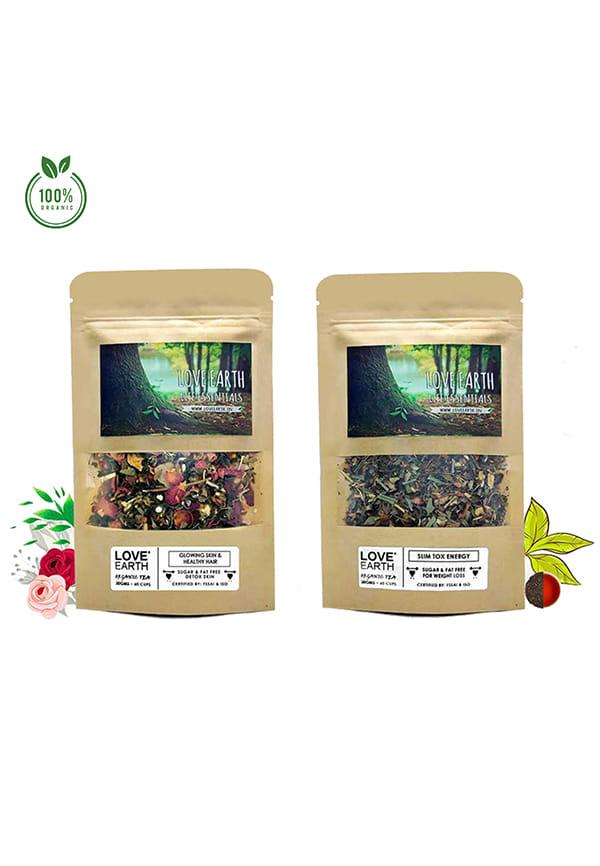
60 Days Tea-Tox Combo- Glowing Skin, Healthy Hair, Slimming
Addictive Taste and Aroma
5“I just got addicted to this taste and aroma”
Consider your daily rhythm too. If you need morning calm without drowsiness, try tulsi or lemon balm. For evening wind-down, chamomile or valerian root are perfect. And if you're dealing with both anxiety and sleep issues, passionflower might be your sweet spot—it calms racing thoughts without being too sedating for daytime use.
Here's where many people go wrong—they treat all teas the same way. But each herb has its own personality and needs specific conditions to release its stress-busting compounds effectively.
Most herbal teas for stress relief prefer water that's just off the boil (around 95°C) and a steeping time of 5-10 minutes. This is longer than your typical black tea because you want to extract those beneficial compounds. Cover your cup whilst steeping to prevent the volatile oils from escaping—those are often where the magic happens.
For roots like valerian, you might want to simmer them gently for 10-15 minutes to really extract the active compounds. Delicate flowers like chamomile need a gentler approach—too hot water can make them bitter. And here's a pro tip: adding a pinch of black pepper to ashwagandha tea can increase absorption of its active compounds.
The real magic happens when you make stress relief tea part of a broader wellness routine rather than just a quick fix. Think of it as creating tiny pockets of peace throughout your day.
Morning rituals might include tulsi or lemon balm to set a calm tone for the day. Afternoon stress breaks could feature chamomile or passionflower to reset your nervous system. Evening wind-downs are perfect for valerian or lavender to signal to your body that it's time to shift gears. The key is consistency—your body responds better to regular, gentle support than sporadic intense interventions.
Consider pairing your tea time with other stress-reducing activities. The simple act of taking five minutes to mindfully prepare and drink your tea can be as beneficial as the herbs themselves. It's about creating a ritual that tells your nervous system: "We're safe, we can relax now."
Just because something is natural doesn't mean it's automatically safe for everyone. Natural stress remedies can interact with medications, particularly blood thinners, sedatives, and blood pressure medications.
If you're pregnant or breastfeeding, stick to gentle options like chamomile and avoid stronger herbs like valerian. People with autoimmune conditions should be cautious with immune-stimulating herbs like holy basil. And if you're taking any medications for anxiety or depression, chat with your healthcare provider before adding herbal teas to your routine.
Quality matters enormously with herbal teas. Look for organic, third-party tested products from reputable suppliers. Herbs can absorb pesticides and heavy metals from soil, so investing in quality sources is worth it for both safety and effectiveness.
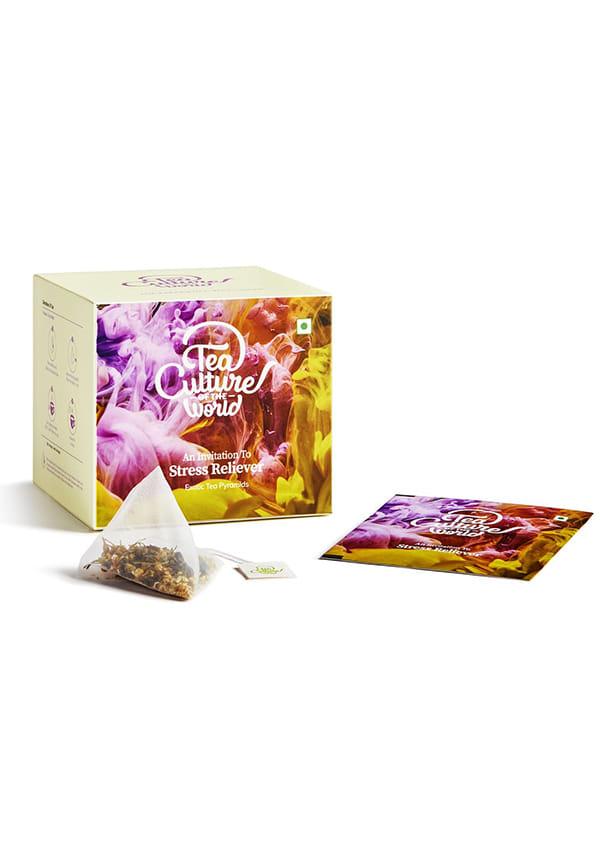
Stress Reliever Tea
Most herbal teas for stress relief start working within 30-60 minutes, though adaptogens like ashwagandha show their best effects after 2-4 weeks of consistent use. Chamomile and lemon balm are among the fastest-acting options.
Generally yes, but start slowly. Combining gentle herbs like chamomile and lemon balm is usually fine, but avoid mixing multiple sedating herbs like valerian and passionflower without guidance from a healthcare provider.
Most people tolerate calming herbal tea well, but some may experience drowsiness, digestive upset, or allergic reactions. Start with small amounts and pay attention to how your body responds.
Chamomile and valerian root are top choices for sleep tea. Chamomile is gentler and better for beginners, whilst valerian is more potent for severe sleep issues.
Mild teas like chamomile are generally safe for children over 6 months in small amounts, but stronger herbs should be avoided. Always consult a paediatrician first.
Herbal teas are gentler and have fewer side effects but may be less potent for severe anxiety. They work well for mild to moderate stress and can complement other treatments.
Finding your perfect stress relief tea is a bit like dating—you might need to try a few before you find "the one." The beauty of herbal teas is that they offer a gentle, accessible way to support your mental wellbeing without the complexity or cost of other interventions.
Remember, consistency is key with natural stress remedies. These aren't magic bullets, but rather gentle allies in your journey towards better stress management. Whether you're drawn to chamomile's gentle embrace or ashwagandha's adaptogenic power, there's likely a tea that fits your lifestyle and stress patterns.
Speaking of trying new things, platforms like Smytten make it easier than ever to discover wellness products that might become your new favourites. With curated trial packs from trusted brands, you can explore different wellness tea options without committing to full-size purchases. After all, why settle for maybe when you can try it all and find what truly works for your unique needs?
