7 Herbal Remedies to Conquer Sleep Naturally


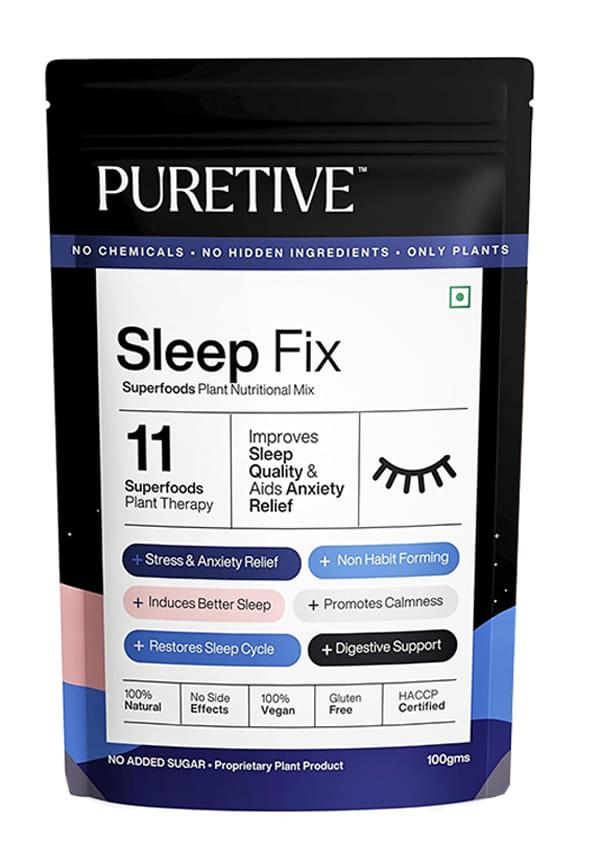
Sleep Fix Superfoods Mix | Natural Melatonin
Tossing and turning all night? You're not alone. Millions struggle with sleep issues, and whilst synthetic sleep aids might seem like the quick fix, they often come with unwanted side effects and dependency risks. Enter herbal remedies for better sleep—nature's gentle yet powerful answer to restless nights. These time-tested solutions work with your body's natural rhythms rather than against them, offering a path to truly restorative sleep without the morning grogginess.
Let's be real—when you're lying awake at 3 AM, it's tempting to reach for anything that promises instant relief. But here's the thing about natural sleep remedies: they're not just gentler on your system, they're often more effective in the long run. Unlike pharmaceutical sleep aids that force your brain into unconsciousness, herbal medicine for sleep works by addressing the root causes of sleeplessness. These plants contain compounds that naturally regulate your circadian rhythm, reduce stress hormones, and promote the kind of deep, restorative sleep your body actually craves. Research shows that many herbal sleep supplements can be just as effective as prescription medications for mild to moderate insomnia, but without the risk of dependency or next-day drowsiness. Plus, they often come with bonus benefits like reduced anxiety and improved overall wellness—something synthetic options rarely offer. The beauty of choosing better sleep naturally lies in the holistic approach. Rather than simply knocking you out, these remedies support your body's natural sleep processes, helping you fall asleep easier and wake up feeling genuinely refreshed.
Ready to discover which herbs might become your new bedtime besties? These seven powerhouses have been helping people catch quality Z's for centuries, and modern science is finally catching up to what traditional healers have always known. Each of these natural sleep aids works differently, so you might find one that's particularly perfect for your specific sleep struggles.
If there's one herb that deserves the title of sleep champion, it's valerian root. This unassuming plant has been used for insomnia relief since ancient Greek and Roman times, and for good reason. Valerian works by increasing levels of GABA (gamma-aminobutyric acid) in your brain—the same neurotransmitter that helps you feel calm and drowsy naturally. Clinical studies show it can reduce the time it takes to fall asleep by up to 15 minutes and improve overall sleep quality. The best part? Unlike synthetic sleep aids, valerian doesn't leave you feeling groggy the next morning. Take 300-600mg about an hour before bedtime, but be patient—it often takes 2-4 weeks of consistent use to see full benefits.
Your grandmother's bedtime tea wasn't just a comforting ritual—it was actually brilliant sleep medicine. Chamomile contains apigenin, a compound that binds to the same brain receptors as anti-anxiety medications, promoting both relaxation and sleepiness. What makes chamomile special among calming herbs for sleep is its incredible safety profile. It's gentle enough for daily use and rarely causes side effects, making it perfect for those new to herbal remedies. Brew a strong cup of chamomile tea 30 minutes before bed, or try a standardised extract containing 1.2% apigenin for more consistent results.
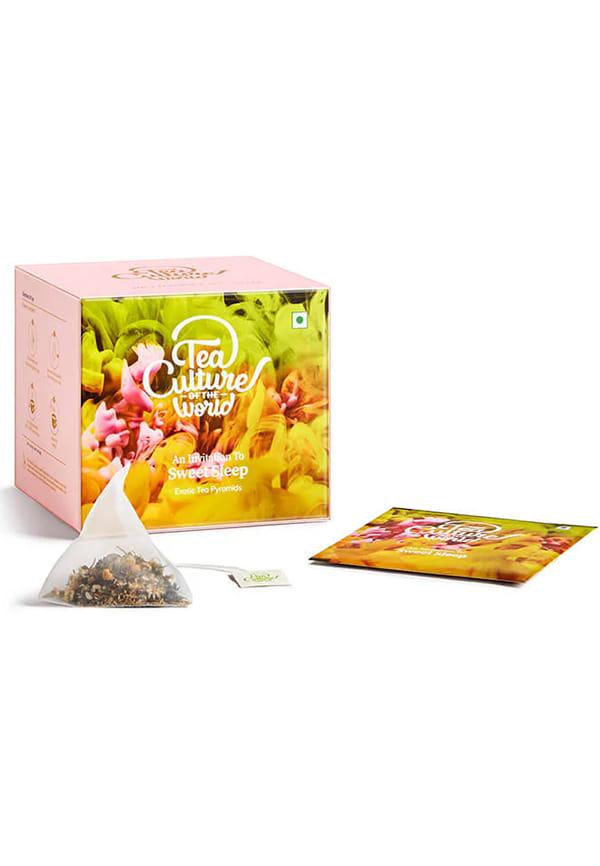
Sweet Sleep Tea
If racing thoughts keep you awake, passionflower might be your perfect match. This beautiful vine doesn't just promote sleep—it specifically targets the anxiety that often prevents quality rest. Studies show passionflower can increase GABA production whilst reducing cortisol levels, creating the perfect biochemical environment for restful sleep solutions. It's particularly effective for people whose sleep issues stem from stress or worry. Try 250-500mg of standardised extract, or steep 1-2 teaspoons of dried herb in hot water for a soothing bedtime tea.
Lavender isn't just for fancy bath products—it's one of the most researched herbs for sleep enhancement. The secret lies in compounds like linalool and linalyl acetate, which have proven sedative effects. What's brilliant about lavender is its versatility. You can use it as an essential oil (a few drops on your pillow), drink it as tea, or take it in supplement form. Research shows that even just inhaling lavender essential oil for 15 minutes before bed can significantly improve sleep quality. For the strongest effects, combine aromatherapy with oral supplementation—your bedroom will smell amazing, and you'll sleep like a dream.
Part of the mint family, lemon balm is often overshadowed by flashier herbs, but it's incredibly effective for promoting calm, restful sleep. It works by inhibiting an enzyme that breaks down GABA, essentially helping your brain's natural relaxation signals last longer. Lemon balm is particularly good for people who experience both sleep issues and digestive problems, as it soothes both the nervous system and the stomach. It's also one of the safest herbal sleep supplements available. Steep 2-3 grams of dried lemon balm in hot water for 10-15 minutes, or look for standardised extracts containing rosmarinic acid.
Yes, the same hops used in brewing beer are actually powerful sleep promoters. The compounds responsible—humulone and lupulone—have mild sedative effects that can help you drift off naturally. Hops work particularly well when combined with valerian root, creating a synergistic effect that's more powerful than either herb alone. This combination has been used in traditional European medicine for centuries. Look for supplements containing both herbs, or try hops tea made from 0.5-1 gram of dried flowers steeped for 10 minutes.
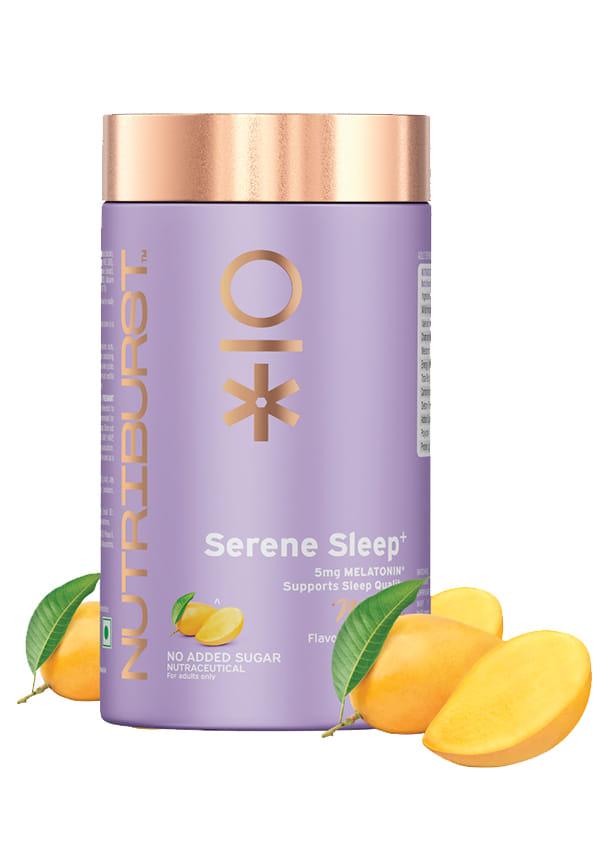
Serene Sleep Gummies Bottles
Nice Product, Refreshing Taste
 5
5“nice product and nice test refresh in morning”
Nice Product, Refreshing Taste
5“nice product and nice test refresh in morning”
Positive Product Review
5“Good product nice flavour look nice also”
Used in Traditional Chinese Medicine for over 2,000 years, magnolia bark contains two powerful compounds—honokiol and magnolol—that promote deep, restorative sleep without morning grogginess. What sets magnolia bark apart is its ability to reduce cortisol levels whilst increasing GABA activity, making it perfect for stress-related sleep issues. It's particularly effective for people who fall asleep easily but wake up frequently during the night. Start with 200-400mg taken 1-2 hours before bedtime, but be aware that this herb can be quite potent—less is often more.
Not all sleep issues are created equal, and neither are their solutions. The key to finding your perfect herbal match lies in understanding what's actually keeping you awake. If you struggle to fall asleep initially, herbs like valerian root or lavender that promote drowsiness are your best bet. For those who fall asleep easily but wake up frequently, magnolia bark or passionflower might be more effective. Stress-related insomnia responds particularly well to calming herbs for sleep like chamomile and lemon balm, whilst physical discomfort might benefit from anti-inflammatory options like chamomile or lavender. Consider your lifestyle too. If you're new to herbal remedies, start with gentle options like chamomile tea. More experienced users might benefit from stronger extracts or combination formulas. Always check for potential interactions with medications you're taking, and remember that sleep wellness is about more than just herbs—they work best as part of a comprehensive approach to better rest.
Here's the truth: even the most powerful herbal remedies won't work miracles if your sleep environment and habits are working against you. The most effective approach combines proven herbs with solid sleep hygiene practices. Start by creating a sleep-friendly environment—cool, dark, and quiet. Use your chosen herbs consistently, ideally at the same time each night to help establish a routine. Many people find that combining relaxation techniques for sleep like deep breathing or gentle stretching with their herbal remedy creates a powerful bedtime ritual. Timing matters too. Most herbal supplements work best when taken 30-60 minutes before you want to fall asleep, giving them time to take effect. Teas can be enjoyed as part of a wind-down routine, whilst aromatherapy options like lavender can be used throughout your evening routine. Remember, consistency is key with natural remedies. Unlike synthetic sleep aids that work immediately, herbs often need time to build up in your system and regulate your natural sleep patterns.
Whilst herbal remedies are generally safer than pharmaceutical options, they're not without considerations. Some herbs can interact with medications, particularly blood thinners, sedatives, and antidepressants. Pregnant and breastfeeding women should avoid most herbal sleep aids, with chamomile tea being one of the few generally considered safe in moderate amounts. People with liver conditions should be particularly cautious with herbs like valerian and magnolia bark. If you're taking any medications or have health conditions, chat with your healthcare provider before starting any new herbal regimen. This is especially important if you're considering stronger herbs like magnolia bark or high-dose valerian. Start with lower doses and gradually increase as needed. Most herbs are cumulative in effect, so give them at least 2-4 weeks to show their full potential before deciding they're not working for you.
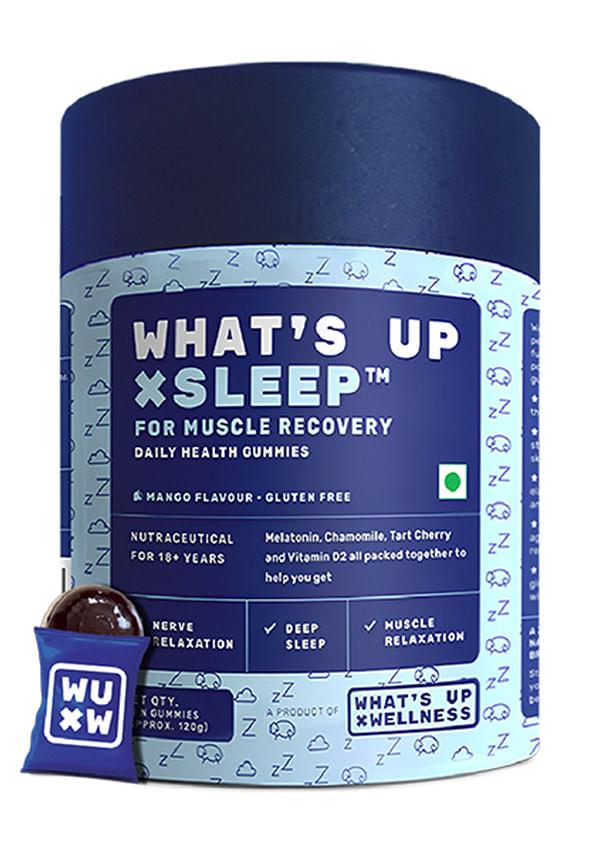
Sleep Gummies
Valerian root consistently shows the strongest clinical evidence for improving sleep quality and reducing the time it takes to fall asleep. However, effectiveness varies by individual, and some people respond better to gentler options like chamomile or lavender.
The most effective approach combines proven herbs like chamomile or valerian with good sleep hygiene practices. This includes maintaining consistent bedtimes, creating a cool, dark sleep environment, and avoiding screens before bed.
Lavender essential oil and chamomile tea typically show effects within 30-60 minutes. However, stronger herbs like valerian root may take 2-4 weeks of consistent use for optimal results, as they work by gradually regulating your natural sleep patterns.
Most gentle herbs like chamomile and lemon balm are safe for extended use. However, stronger options like valerian and magnolia bark should be cycled with breaks to prevent tolerance. Always consult with a healthcare provider for long-term use plans.
Yes, many herbs work synergistically together. Popular effective combinations include valerian with hops, or chamomile with lemon balm. Start with single herbs to assess tolerance before trying combinations.
Finding the right herbal remedy for better sleep is a bit like finding your perfect skincare routine—it takes some experimentation, but the results are worth it. These seven natural powerhouses offer gentle yet effective alternatives to synthetic sleep aids, working with your body's natural rhythms rather than against them. Whether you're dealing with occasional sleeplessness or chronic insomnia, there's likely an herbal solution that can help. Start with gentler options like chamomile or lavender, and don't be afraid to try different approaches until you find what works for your unique sleep needs. Just like discovering the perfect wellness products, finding your ideal sleep remedy might take some trial and exploration. That's where platforms like Smytten come in handy—with over 1,500 trusted wellness brands available in trial sizes, you can explore different herbal supplements and sleep-supporting products without committing to full-size purchases. After all, why settle for restless nights when you can try different natural solutions until you find the one that helps you sleep like a dream?
