7 Best Gut Health Supplements for Optimal Wellness

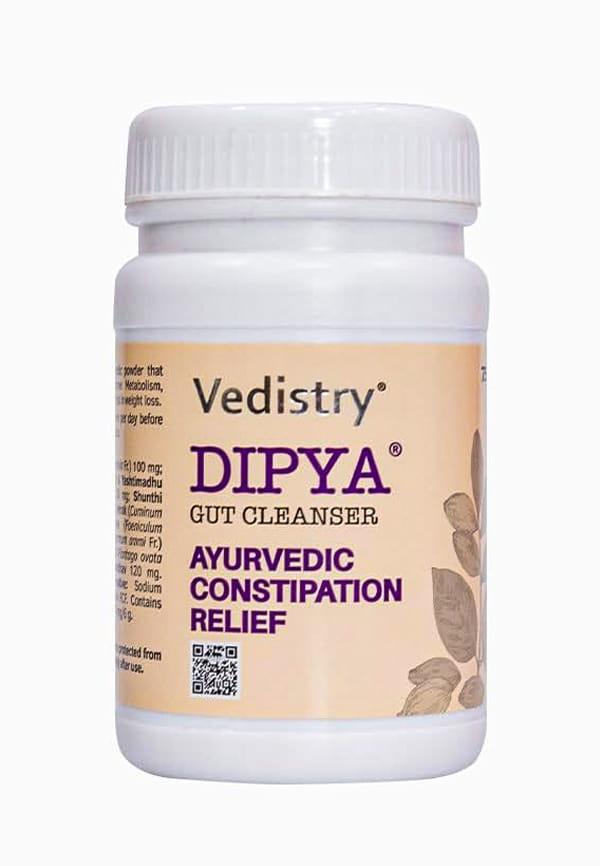
Gut Cleansner
Your gut health affects way more than just digestion—it's basically the control centre for your immune system, mood, and overall wellness. With around 70% of your immune system living in your gut, it's no wonder that digestive health issues are becoming increasingly common. From bloating and food sensitivities to low energy and frequent infections, poor gut health can seriously impact your daily life. The good news? The right gut health supplements can help restore balance to your gut microbiome and get you feeling your best again. Let's dive into seven evidence-backed supplements that could be game-changers for your digestive health.
Your gut is home to trillions of bacteria, both good and bad, that work together to keep your digestive system running smoothly. When this delicate balance gets disrupted—whether from stress, poor diet, antibiotics, or lifestyle factors—you'll likely notice some pretty clear warning signs.
If you're dealing with persistent bloating, gas, or irregular bowel movements, your gut might be crying out for help. Food intolerances that seem to pop up out of nowhere, frequent colds and infections, or that annoying brain fog that makes you feel like you're thinking through treacle—these are all red flags that your gut bacteria balance needs some attention. Even mood swings and anxiety can be linked to poor digestive health, thanks to the gut-brain connection.
Your gut microbiome is like a bustling city where beneficial bacteria need to outnumber the harmful ones to keep everything functioning properly. Modern life—think processed foods, chronic stress, and overuse of antibiotics—can seriously mess with this balance. When harmful bacteria start taking over, inflammation increases, and your intestinal barrier can become compromised (hello, leaky gut). This is where targeted gut health supplements come in, helping to restore that crucial bacterial balance and support your body's natural healing processes.
Choosing the right supplements for your gut can feel overwhelming with so many options out there. Here's your guide to the seven most effective gut health supplements that actually work, backed by science and real results.
Probiotics are basically the celebrities of the gut health world, and for good reason. These live beneficial bacteria strains—particularly Lactobacillus and Bifidobacterium—work to crowd out harmful bacteria and restore balance to your digestive system. When shopping for probiotics, look for products with at least 10-50 billion CFUs (colony-forming units) and multiple strains for maximum effectiveness. Capsules tend to be more stable than powders, but both can work well if stored properly. The key is consistency—taking your probiotics daily gives the beneficial gut bacteria time to establish themselves and start making a real difference to your digestive health.
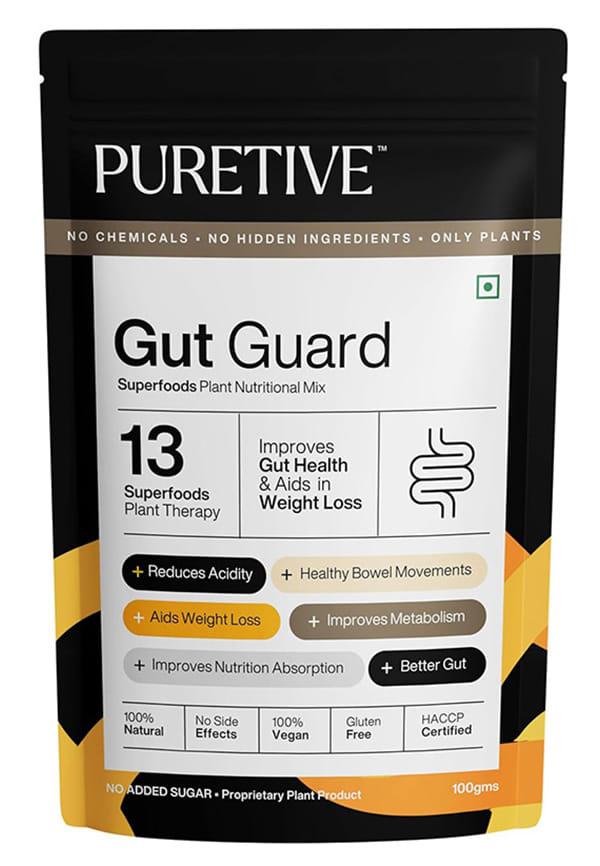
Gut Health Superfoods Nutritional Mix
Prebiotics are essentially food for your good bacteria—think of them as the fertiliser that helps probiotics thrive. Common prebiotic ingredients include inulin, fructooligosaccharides (FOS), and resistant starch. You can get prebiotics from foods like garlic, onions, and bananas, but supplements offer a more concentrated dose. Many people find that combining prebiotics with probiotics (called synbiotics) gives them better results than taking either supplement alone. Start with a lower dose and gradually increase to avoid any initial digestive discomfort. Fiber supplements often contain prebiotic compounds, making them a two-in-one solution for gut health.
Digestive enzymes are your gut's little helpers that break down proteins, fats, and carbohydrates so your body can actually absorb nutrients. The main players are amylase (for starches), protease (for proteins), and lipase (for fats). If you often feel bloated after meals or struggle with food intolerances, enzyme supplements might be worth a try. Take them right before or with your meals for best results. They're particularly helpful if you're dealing with conditions like lactose intolerance or have trouble digesting fatty foods. Many people notice improved digestive health within just a few days of starting enzyme supplements.
L-glutamine is an amino acid that's basically food for your intestinal lining cells. If you're dealing with leaky gut—where your intestinal barrier becomes more permeable than it should be—glutamine can help repair and strengthen that barrier. Clinical research shows it's particularly effective for people with digestive issues or those who've been on antibiotics. Most people do well with 5-15 grams daily, taken on an empty stomach. It's generally well-tolerated and can be a game-changer for anyone dealing with food sensitivities or chronic digestive inflammation. This is definitely one of the more targeted gut health supplements that addresses specific intestinal damage.
Fiber supplements are brilliant for feeding your good bacteria and keeping things moving smoothly through your digestive system. You've got soluble fiber (which dissolves in water and feeds beneficial bacteria) and insoluble fiber (which adds bulk and helps with regularity). Psyllium husk is a popular choice that provides both types. Start slowly with fiber supplements—your gut needs time to adjust. Begin with a small dose and gradually increase over a week or two to avoid bloating or gas. Drink plenty of water when taking fiber supplements to help them do their job properly. They're particularly helpful for anyone dealing with constipation or irregular bowel movements.
Omega-3s, particularly EPA and DHA, are powerful anti-inflammatory compounds that can help calm digestive inflammation and support overall gut health. While they're not exclusively gut health supplements, their anti-inflammatory properties make them valuable additions to any digestive wellness routine. You can get omega-3s from fish oil or plant-based sources like algae oil. Aim for 1-2 grams daily of combined EPA and DHA. They work particularly well when combined with other wellness supplements and can help reduce the inflammation that often accompanies digestive issues.

Gut Health Gummies
Love the app and deals
 4
4“great app with great deals just love it”
Good & Effective Gummies
5“very good and effective gut health gummies.”
Zinc carnosine is a bit of a hidden gem in the gut health supplements world. This compound has unique mucosal healing properties and has been shown in clinical studies to help protect and repair the stomach lining. It's particularly useful for people dealing with gastric issues or those who want to support their gut barrier function. Typical dosing is around 75-150mg daily, ideally taken between meals. It's generally well-tolerated and works synergistically with other gut-healing supplements. While it might not be as well-known as probiotics, zinc carnosine can be incredibly effective for specific digestive health concerns.
With so many options available, picking the right gut health supplements for your specific needs requires a bit of strategy. Your individual symptoms, lifestyle, and health goals should all factor into your decision.
Not all supplements are created equal, so knowing what to look for can save you time and money. Third-party testing is crucial—this means an independent lab has verified that what's on the label is actually in the bottle. For probiotics, check that the CFU count is guaranteed through the expiration date, not just at the time of manufacture. Look for allergen-free formulations if you have sensitivities, and choose brands that use proper packaging to maintain potency. Glass bottles or blister packs are often better than plastic containers for maintaining supplement stability. When it comes to gut health supplements, quality really does matter for effectiveness.
Your gut health journey is unique to you, so what works for your mate might not be your perfect match. If you're dealing with specific issues like bloating relief, you might want to start with digestive enzymes and probiotics. For more general digestive support, a combination of probiotics, prebiotics, and fiber might be your best bet. Consider starting with one supplement at a time so you can gauge how your body responds. This approach also makes it easier to identify which wellness supplements are actually making a difference for you. Keep a simple symptom diary to track improvements—it's surprisingly helpful for fine-tuning your routine.
While supplements can be incredibly helpful, they work best when combined with lifestyle changes that support your overall digestive health. Think of supplements as part of a bigger picture rather than a magic bullet.
Your diet is the foundation of good gut health. Focus on whole foods rich in natural prebiotics—things like garlic, onions, asparagus, and bananas. Fermented foods like yoghurt, kefir, and sauerkraut provide natural probiotics that work alongside your supplements. Limit processed foods, excess sugar, and artificial additives that can disrupt your gut microbiome. This doesn't mean you have to be perfect, but making these foods the exception rather than the rule can significantly support your gut health efforts. Remember, your gut bacteria thrive on diversity, so eating a varied diet with lots of different plant foods is key.
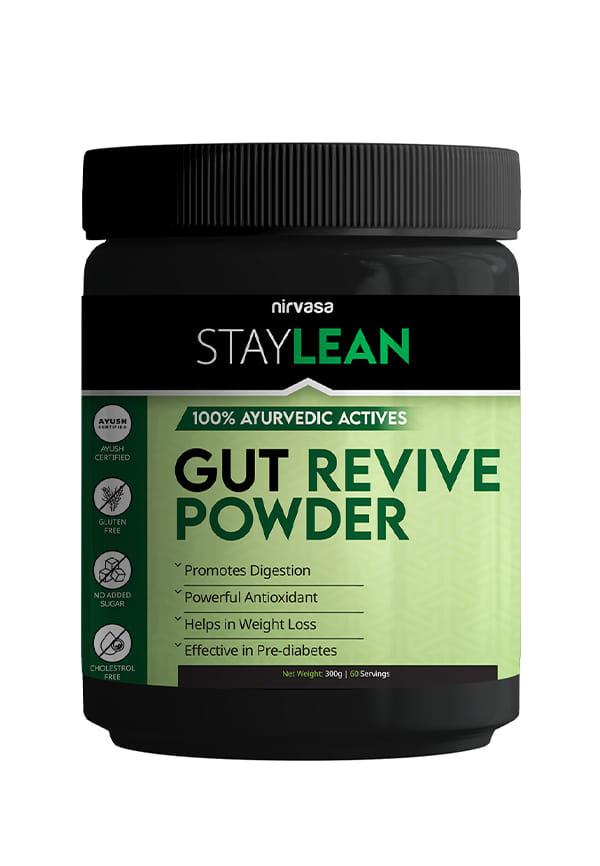
Staylean GutREVIVE Powder
Stress management is huge for gut health—chronic stress can seriously mess with your digestive system and reduce the effectiveness of even the best gut health supplements. Regular exercise, adequate sleep, and stress-reduction techniques like meditation or yoga can all support your gut healing journey. Staying hydrated is also crucial, especially if you're taking fiber supplements. Aim for at least 8 glasses of water daily to keep everything moving smoothly through your digestive system.
Probiotics are generally considered the foundation of gut health supplementation because they directly introduce beneficial bacteria to your system. However, the "best" supplement really depends on your specific symptoms and needs. Many people find that combining probiotics with prebiotics gives them better results than taking either alone.
Most people start noticing improvements in their digestive health within 2-4 weeks of consistent supplementation. However, more significant changes to your gut microbiome can take 2-3 months. Be patient and consistent—gut healing is a process, not an overnight fix.
Yes, many gut health supplements work well together and can be more effective when combined. Probiotics and prebiotics are a classic combination, and adding digestive enzymes or L-glutamine can provide additional benefits. Start with one supplement at a time to see how your body responds.
Most people tolerate gut health supplements well, but some may experience mild digestive discomfort initially as their system adjusts. This is particularly common with probiotics and fiber supplements. Starting with lower doses and gradually increasing can help minimise any temporary side effects.
Your gut health journey doesn't have to be complicated or overwhelming. These seven gut health supplements—probiotics, prebiotics, digestive enzymes, L-glutamine, fiber supplements, omega-3s, and zinc carnosine—offer science-backed support for your digestive health goals. The key is finding the right combination for your individual needs and being consistent with your routine. Remember that supplements work best as part of a holistic approach that includes a balanced diet, regular exercise, and stress management. Just like discovering your perfect skincare routine, finding the right wellness supplements for your gut might take some trial and experimentation. Platforms like Smytten make this exploration easier by offering trial-sized wellness products, so you can test different supplements before committing to full-size purchases. With over 1,500 trusted brands and the ability to try up to 8 minis for just ₹249, you can discover what works for your gut health without the guesswork. After all, why settle for maybe when you can try it all and find what truly supports your optimal wellness?
