7 Basics of Good Sleep for Ultimate Rest Tonight



SOMNI Natural Sleep Aid Daily Herbal Supplement for Men & Women
Let's be real—we've all been there. Lying in bed, staring at the ceiling, wondering why sleep feels so elusive when it should be the most natural thing in the world. If you're tired of feeling tired, you're in the right place. Tonight doesn't have to be another restless night. The basics of good sleep aren't rocket science, but they do require some intentional tweaks to your routine. From mastering your circadian rhythm to creating the perfect sleep environment, these seven fundamentals will transform how you rest. Ready to wake up feeling like you actually slept? Let's dive into what actually works.
Here's something that might surprise you: eight hours of rubbish sleep won't beat six hours of quality rest. Sleep quality is about how well you sleep, not just how long you're in bed. When you're getting proper, restful sleep, your body cycles through all the essential stages—light sleep, deep sleep, and REM sleep—multiple times throughout the night. Sleep deprivation isn't just about feeling groggy the next day. Poor sleep quality messes with everything from your immune system to your mood, concentration, and even your skin. Research shows that people who prioritise healthy sleep habits have better memory, stronger immunity, and lower stress levels. Meanwhile, chronic sleep issues can lead to serious health problems down the line. The difference between quality and quantity comes down to how efficiently you sleep. You might spend nine hours in bed but only get five hours of actual restorative sleep if you're tossing, turning, or waking up frequently. That's why focusing on sleep hygiene and creating the right conditions for deep sleep matters more than just hitting the pillow early.
Your circadian rhythm is basically your body's internal clock, and it's surprisingly smart. This 24-hour cycle controls when you feel alert, when you get sleepy, and when your body temperature rises and falls. The trick is working with it, not against it. Consistency is your best friend here. Going to bed and waking up at the same time every day—yes, even on weekends—helps regulate your circadian rhythm. Your body starts to anticipate sleep and wake times, making it easier to fall asleep and wake up naturally.
If your sleep routine is all over the place, don't worry. You can reset your circadian rhythm with a bit of patience. Start by choosing a realistic bedtime and wake time, then stick to it for at least a week. Expose yourself to bright light in the morning and dim the lights in the evening to signal to your body when it's time to be alert and when it's time to wind down.
Sleeping in on weekends might feel amazing, but it's actually sabotaging your weekly sleep routine. This creates something called social jet lag, where your body gets confused about when it should be sleepy. If you must sleep in, limit it to an hour past your usual wake time.
Your bedroom should be a sleep sanctuary, not a multi-purpose space. The right environment can make the difference between tossing and turning and drifting off peacefully. Sleep hygiene starts with optimising your physical space for rest. Temperature is crucial—your body naturally cools down as you prepare for sleep, so a room that's too warm will fight against this process. Aim for 16-19°C for optimal comfort. If you can't control the temperature perfectly, breathable bedding and sleepwear can help.
Even small amounts of light can interfere with your sleep quality. Blackout curtains are worth the investment, but you can also use an eye mask if you're renting or can't make permanent changes. Consider covering or dimming any LED lights from electronics—that little blue light from your phone charger might seem harmless, but it can disrupt your sleep.
Some people sleep better with white noise, while others need complete silence. Experiment to find what works for you. If you live in a noisy area, earplugs or a white noise machine can help create consistent, non-disruptive sound.

Melatonin With Vitamin B6 - Tablets Promotes Restful Sleep & Relaxation
Genuine Product
 5
5“As described. Checked online is not counterfeit.”
Your brain needs time to transition from day mode to sleep mode. A consistent sleep routine signals to your body that it's time to wind down. This isn't about complicated rituals—simple, calming activities work best. Start your wind-down routine 1-2 hours before your intended bedtime. This gives your mind and body enough time to shift gears. The key is consistency—doing the same things in the same order helps train your brain to recognise sleep cues.
Blue light from phones, tablets, and TVs can suppress melatonin production, making it harder to feel sleepy. Try to avoid screens for at least an hour before bed. If you must use devices, blue light filters or special glasses can help, but nothing beats putting the phone down entirely.
Find what helps you relax. A warm bath raises your body temperature, and the subsequent cooling mimics your natural temperature drop before sleep. Reading, gentle stretching, or meditation can also help quiet your mind. Avoid anything stimulating—save the intense workout videos or work emails for daytime.
Good sleep actually starts the moment you wake up. Your daytime choices directly impact how well you'll sleep that night. Healthy sleep habits aren't just about what you do before bed—they're about how you structure your entire day. Morning sunlight exposure is one of the most powerful tools for regulating your circadian rhythm. Try to get outside within an hour of waking up, even if it's cloudy. This natural light helps set your internal clock and can improve both your mood and your sleep quality.
Regular exercise improves sleep quality, but timing is everything. Morning or afternoon workouts can help you fall asleep faster and enjoy deeper sleep. However, intense exercise within 3-4 hours of bedtime can be too stimulating and might keep you awake.
Caffeine can stay in your system for 6-8 hours, so that afternoon coffee might be why you're lying awake at night. Try to avoid caffeine after 2 PM, or earlier if you're particularly sensitive. Remember, caffeine isn't just in coffee—it's also in tea, chocolate, and some medications.
Naps can be refreshing, but they can also interfere with nighttime sleep if done wrong. Keep naps short (20-30 minutes) and avoid napping after 3 PM. This gives you a quick energy boost without disrupting your sleep drive for the evening.
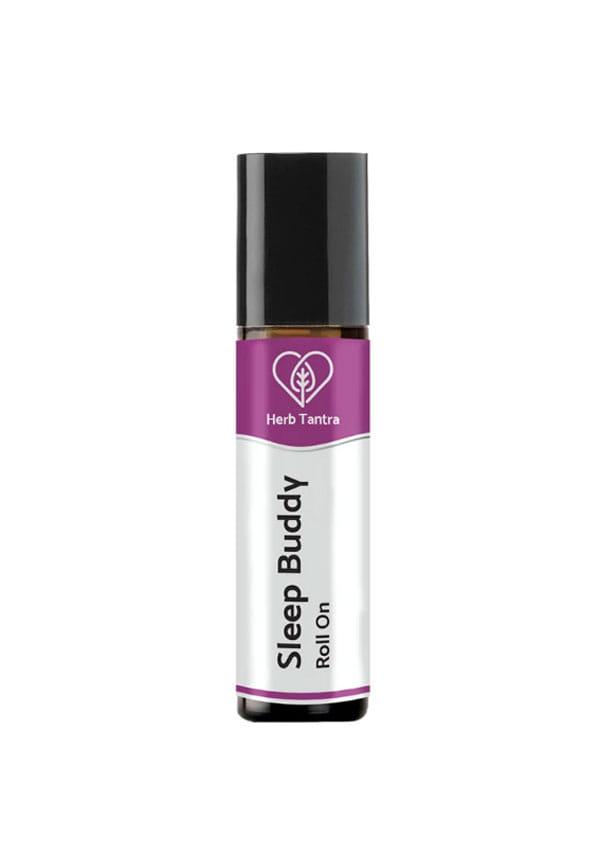
Sleep Buddy Insomnia Relief Roll-On
Even with perfect sleep hygiene, sometimes sleep doesn't come easily. Insomnia and sleep disorders affect millions of people, but there are natural techniques that can help you fall back asleep when your mind starts racing at 2 AM. The 20-minute rule is simple but effective: if you can't fall asleep within 20 minutes, get out of bed and do a quiet, non-stimulating activity until you feel sleepy again. This prevents your brain from associating your bed with frustration and wakefulness.
Breathing exercises can help calm your nervous system. Try the 4-7-8 technique: breathe in for 4 counts, hold for 7, and exhale for 8. Progressive muscle relaxation, where you tense and then relax each muscle group, can also help release physical tension that might be keeping you awake.
Worry and stress are major sleep disruptors. Keep a notepad by your bed to jot down any thoughts or concerns that pop up—this helps clear your mind. If anxiety is a regular sleep thief, consider incorporating relaxation techniques into your daily routine, not just at bedtime.
If you've tried improving your sleep hygiene for several weeks without improvement, it might be time to consult a healthcare professional. Persistent insomnia, loud snoring, or feeling tired despite adequate sleep could indicate underlying sleep disorders that need professional attention.
What and when you eat can significantly impact your sleep quality. Your digestive system needs time to process food, so eating large meals close to bedtime can keep you uncomfortable and awake. Aim to finish eating at least 2-3 hours before sleep. Some foods can actually promote better sleep. Foods rich in tryptophan (like turkey, milk, or bananas), magnesium (such as almonds or leafy greens), or complex carbohydrates can help your body produce sleep-promoting chemicals. However, avoid anything too heavy, spicy, or acidic before bed.
Staying hydrated is important, but timing matters. Drinking too much fluid close to bedtime might mean midnight bathroom trips that disrupt your sleep cycles. Try to get most of your daily water intake earlier in the day, then taper off a few hours before bed.
While alcohol might make you feel drowsy initially, it actually disrupts your sleep quality later in the night. It can prevent you from reaching the deeper, more restorative stages of sleep and often leads to early morning wake-ups.
Your bedroom should be reserved for sleep and relaxation only. This helps your brain make a strong association between your sleep space and rest. Working, eating, or watching TV in bed can weaken this connection and make it harder to fall asleep. Invest in comfortable bedding that suits your preferences. Whether you prefer firm or soft pillows, lightweight or heavy blankets, having the right comfort level makes a difference. Your mattress should support your body properly—if you're waking up with aches and pains, it might be time for an upgrade.
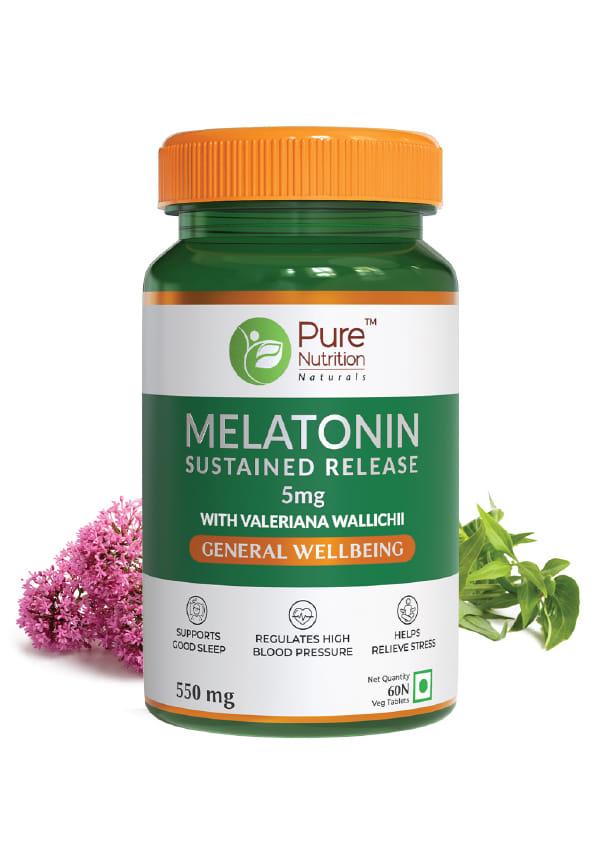
Melatonin 5mg Sleep supplement for Men & Women
A cluttered bedroom can create mental clutter too. Keep your sleep space tidy and calming. This doesn't mean it has to be minimalist, but having a designated place for everything helps create a peaceful environment that promotes restful sleep. Just like discovering the perfect skincare routine through trial and exploration, finding your ideal sleep setup might take some experimentation. Smytten understands the importance of trying before committing, which is why they offer curated trial packs from over 1,500 trusted wellness and lifestyle brands. Whether you're looking for aromatherapy products to enhance your bedtime routine or wellness supplements that support better sleep, you can explore what works for your unique needs without the commitment of full-size purchases.
The core principles include maintaining a consistent sleep schedule, creating an optimal sleep environment, developing a relaxing bedtime routine, managing daytime habits that affect sleep, and addressing any disruptions naturally. These basics of good sleep work together to improve your overall sleep quality.
Most people notice some improvement within a week of implementing better sleep hygiene practices. However, it can take 2-4 weeks to fully establish new healthy sleep habits and see consistent results. Be patient with the process—your circadian rhythm needs time to adjust.
Yes, many natural techniques can be effective for mild to moderate insomnia. Proper sleep hygiene, relaxation techniques, and lifestyle adjustments often provide significant improvement. However, chronic or severe sleep disorders may require professional evaluation and treatment.
Sleep hygiene refers to the environmental and behavioural practices that promote good sleep quality, like keeping your bedroom cool and dark. Healthy sleep habits are the consistent routines and choices you make daily that support better sleep, such as going to bed at the same time each night.
Consider consulting a healthcare professional if you've tried improving your sleep hygiene for 3-4 weeks without improvement, if you experience loud snoring or breathing interruptions, or if daytime fatigue significantly impacts your daily life despite adequate sleep time.
Blue light from screens can suppress melatonin production, the hormone that makes you feel sleepy. Additionally, engaging content can keep your mind active when it should be winding down. Limiting screen time 1-2 hours before bed helps your brain transition into sleep mode more easily.
The basics of good sleep aren't complicated, but they do require consistency and patience. Start with one or two changes rather than overhauling everything at once. Maybe begin with fixing your sleep schedule and creating a better bedtime routine, then gradually add other improvements. Remember, quality sleep is an investment in your overall wellbeing. Better sleep means better mood, improved concentration, stronger immunity, and more energy for the things you love. These seven basics provide a solid foundation, but everyone's sleep needs are slightly different. With over 25 million users discovering what works best for their unique needs, Smytten knows that finding the right products and routines is a personal journey. Just as you might try different wellness products to support better sleep—from calming teas to aromatherapy oils—the platform makes it easy to explore options without the commitment. After all, why settle for restless nights when you can discover what truly works for your best sleep yet?
