12 Best Probiotic Foods for Ultimate Gut Health

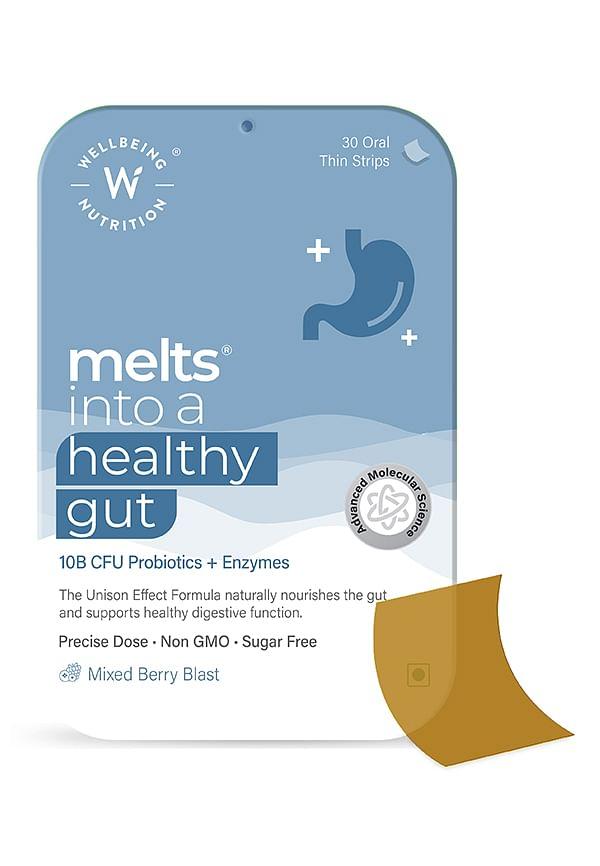
Melts Healthy Gut - Plant Based Probiotic
Great for Digestion
 5
5“really good for your stomach thank you”
Your gut health is basically the foundation of your overall wellness, and honestly, it's about time we gave it the attention it deserves. Think about it—your digestive system houses trillions of bacteria that influence everything from your mood to your immune system. The good news? You don't need fancy supplements or complicated routines to support your gut flora. The best probiotic foods for gut health are probably sitting in your local grocery store right now, waiting to transform your digestive wellness naturally. Let's be real—with so many wellness trends floating around, it's easy to get overwhelmed. But here's the thing: our ancestors knew what they were doing when they fermented foods for preservation and flavour. These traditional methods created some of the most powerful probiotic rich foods that modern science is only just catching up to understanding.
So, what exactly are probiotic foods? Simply put, they're foods that contain live beneficial bacteria that can survive the journey through your digestive system and set up shop in your gut. Unlike probiotic supplements, these natural probiotics come packaged with nutrients, fibre, and other compounds that work together to support your digestive health. Your gut is home to what scientists call your microbiome—a complex ecosystem of bacteria, fungi, and other microorganisms. When this ecosystem is balanced, you feel amazing. When it's not? Well, that's when you might experience bloating, irregular digestion, or even mood swings. The gut-brain connection is real, and it's why gut health foods can literally change how you feel from the inside out. Here's where it gets interesting: probiotics are the good bacteria, whilst prebiotics are the food that feeds them. Think of probiotics as the gardeners and prebiotics as the fertiliser. You need both for a thriving gut garden, but today we're focusing on getting those beneficial bacteria into your system through delicious, real food.
Fermentation might sound like some complex laboratory process, but it's actually one of humanity's oldest food preservation methods. When beneficial bacteria break down sugars and starches in food, they create lactic acid and other compounds that not only preserve the food but also multiply those good bacteria. The magic happens when these fermented foods reach your gut. The live cultures in properly fermented foods can survive your stomach acid (though not all of them make it—that's normal) and contribute to your gut flora diversity. Research shows that people with more diverse gut bacteria tend to have better overall health, stronger immune systems, and even better mental health. What's fascinating is that different foods for digestion contain different strains of beneficial bacteria. This is why eating a variety of fermented foods is so much more effective than relying on a single source. Your gut thrives on diversity, just like any healthy ecosystem.
Ready to meet your gut's new best friends? These twelve digestive health foods are absolute game-changers when it comes to supporting your microbiome naturally.
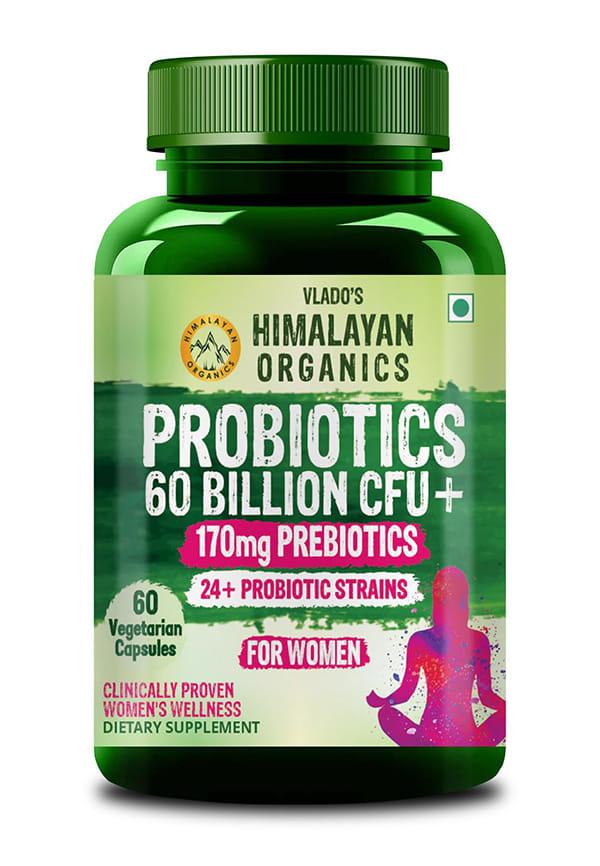
Probiotics Supplement 60 Billion CFU+ Gut Health Supplements
1. Yogurt with Live Active Cultures Yogurt is probably the most well-known probiotic food, but not all yogurts are created equal. Look for labels that specifically mention "live and active cultures" or list specific bacterial strains like Lactobacillus bulgaricus or Streptococcus thermophilus. Greek yogurt often contains more protein and probiotics than regular yogurt, but both can be excellent choices. The key is avoiding yogurts loaded with sugar, which can actually feed harmful bacteria. Plain yogurt with fresh fruit or a drizzle of honey is your best bet for maximum gut health benefits. 2. Kefir: The Probiotic Superfood Kefir is like yogurt's more powerful cousin. This fermented milk drink contains up to 61 different strains of beneficial bacteria and yeasts, compared to yogurt's typical 2-3 strains. It has a tangy, slightly fizzy taste that grows on you quickly. Milk kefir is the most common type, but water kefir offers a dairy-free alternative. Both are incredibly easy to make at home with kefir grains, or you can find quality versions in most health food stores. 3. Traditional Buttermilk (Chaas) Not the thick, sweet buttermilk you might know from baking, but the traditional fermented version that's popular in Indian cuisine. Real buttermilk is the liquid left over after churning butter from cultured cream, and it's packed with beneficial bacteria. Traditional chaas, made by diluting yogurt with water and spices, offers similar benefits and is incredibly refreshing. Just make sure you're getting the real deal, not the commercially produced versions that lack live cultures. 4. Aged Cheeses Surprise! Some of your favourite cheeses are actually probiotic rich foods. Gouda, cheddar, Swiss, and Parmesan that have been aged contain beneficial bacteria that can survive the ageing process. The key is moderation—cheese is calorie-dense and high in saturated fat. But a small serving of quality aged cheese can contribute to your daily probiotic intake whilst adding flavour to your meals.
5. Sauerkraut: Raw vs. Pasteurised Sauerkraut is fermented cabbage that's been a staple in European diets for centuries. The crucial detail? You need the raw, unpasteurised version found in the refrigerated section. The shelf-stable stuff has been heat-treated, which kills all those beneficial bacteria. Making sauerkraut at home is surprisingly simple—just cabbage, salt, and time. The fermentation process creates a tangy, crunchy condiment that's perfect on sandwiches, salads, or eaten straight from the jar. 6. Kimchi: Korean Probiotic Powerhouse Kimchi is fermented cabbage with a Korean twist—think garlic, ginger, chilli, and fish sauce creating a complex, spicy flavour profile. It contains Lactobacillus kimchii, a strain of bacteria specifically associated with this traditional food. The spice level can be intense for beginners, but many brands offer milder versions. Start small and work your way up—your taste buds and gut will thank you. 7. Fermented Pickles Not all pickles are created equal when it comes to probiotics. You want naturally fermented pickles made with salt brine, not the vinegar-based versions that dominate supermarket shelves. Look for pickles in the refrigerated section that mention fermentation or live cultures on the label. These tangy vegetables are perfect for adding a probiotic punch to sandwiches and salads.
8. Miso: Fermented Soybean Paste Miso is a fermented soybean paste that's been a cornerstone of Japanese cuisine for over a thousand years. White miso is milder and sweeter, whilst red miso offers a deeper, more complex flavour. Beyond the classic miso soup, you can use this umami-rich paste in marinades, salad dressings, and glazes. Just remember that miso is high in sodium, so use it mindfully. 9. Tempeh: Plant-Based Protein with Probiotics Tempeh is fermented soybeans formed into a firm, nutty-flavoured cake. Unlike tofu, tempeh retains the whole soybean and adds beneficial bacteria through fermentation, making it a complete protein source with probiotic benefits. It's incredibly versatile—you can slice it, crumble it, or marinate it. The key is gentle cooking methods that preserve those beneficial bacteria. 10. Natto: Traditional Japanese Superfood Natto is definitely an acquired taste—these fermented soybeans have a sticky, stringy texture that can be off-putting initially. But if you can get past the texture, natto is incredibly nutritious, offering both probiotics and vitamin K2. Start with small amounts mixed into rice or other dishes until you develop a taste for it.
11. Idli and Dosa Batter These South Indian staples are made from fermented rice and lentil batter. The natural fermentation process creates beneficial bacteria whilst making the nutrients more bioavailable. The fermentation typically takes 8-12 hours in warm conditions, creating a slightly sour, airy batter that's perfect for steaming into idlis or spreading into crispy dosas. 12. Kombucha: Fermented Tea Beverage Kombucha is fermented tea made using a SCOBY (symbiotic culture of bacteria and yeast). This fizzy, slightly sour drink comes in countless flavours and offers a refreshing way to get your probiotics. Watch the sugar content—some commercial kombuchas are quite sweet. Look for brands with lower sugar content or try making your own for complete control over the ingredients.
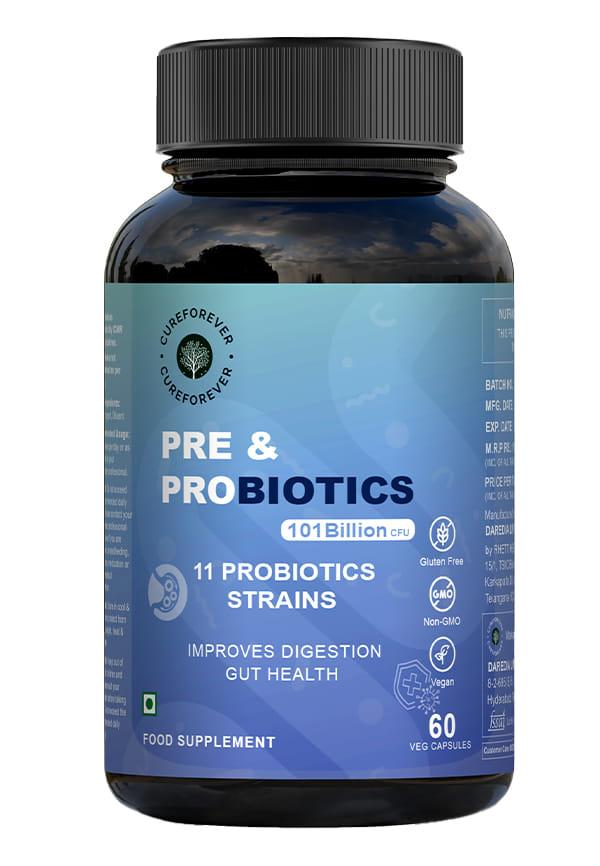
Prebiotics & Probiotics
Not all probiotic foods are created equal, and knowing what to look for can make the difference between getting real benefits and wasting your money. When shopping for gut health foods, always check the label for phrases like "live and active cultures," "contains probiotics," or specific bacterial strain names. Refrigerated products are usually your best bet because heat kills beneficial bacteria. Those shelf-stable fermented foods might taste great, but they've likely been pasteurised, which eliminates the probiotic benefits. Storage is crucial too. Keep your fermented foods refrigerated and consume them before the expiration date. The bacterial count naturally decreases over time, so fresher is better when it comes to probiotic potency. Budget-conscious? Focus on foods you can easily make at home like sauerkraut, kefir, or fermented vegetables. A small investment in fermentation supplies can provide months of homemade probiotics.
Incorporating these wellness foods into your daily routine doesn't have to be complicated. Start with one or two probiotic rich foods that appeal to you and gradually expand your repertoire. Timing can matter—some people find that consuming probiotics with meals helps the bacteria survive stomach acid better. Others prefer them on an empty stomach. Pay attention to how your body responds and adjust accordingly. The real magic happens when you combine probiotics with prebiotic foods like garlic, onions, bananas, and oats. This creates a synergistic effect that feeds your beneficial bacteria and helps them thrive. Consistency is key with foods for digestion. Your gut bacteria need regular reinforcement to maintain a healthy balance. Think of it as tending a garden—regular care yields the best results. Smytten understands that wellness is a journey of discovery, much like finding the perfect skincare routine or trying new beauty products. Just as Smytten offers curated trial packs from trusted wellness brands, building your gut health routine is about experimenting with different natural probiotics to find what works best for your body.
Kefir typically contains the highest number and diversity of probiotic strains, with up to 61 different beneficial bacteria and yeasts. Sauerkraut and kimchi also rank highly, especially when they're raw and unpasteurised.
Absolutely! Most probiotic foods are safe for children and can support their developing digestive systems. Start with mild options like plain yogurt or kefir, and introduce stronger flavours like kimchi gradually.
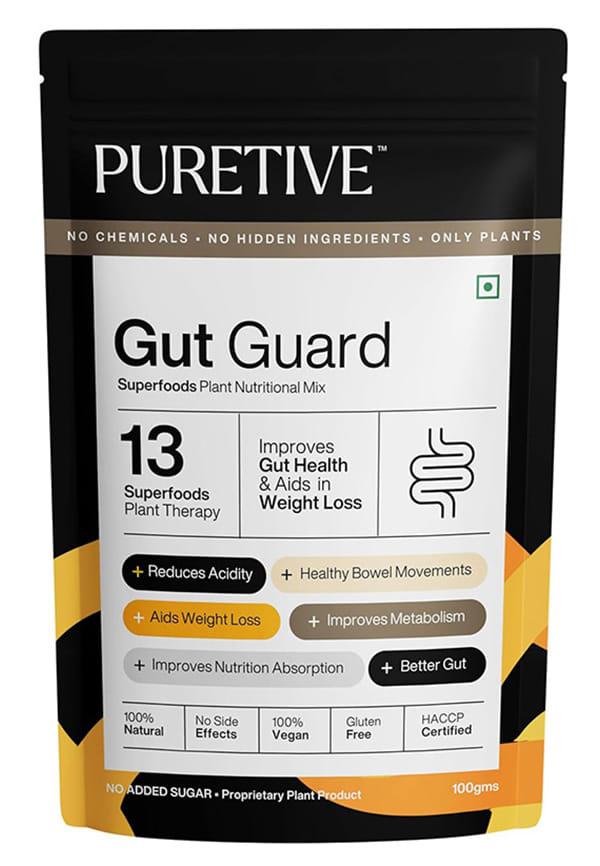
Gut Health Superfoods Nutritional Mix
Traditional Indian cuisine includes many fermented foods like idli, dosa, dhokla, pickled vegetables, and fermented rice preparations. Buttermilk (chaas) and homemade yogurt are also excellent sources of beneficial bacteria.
Whole probiotic foods offer advantages over supplements because they provide additional nutrients, fibre, and compounds that work synergistically. They're also generally more affordable and have a longer history of safe use.
Some people notice improvements in digestion within a few days, whilst others may take several weeks. Consistency is crucial—aim to include gut health foods in your diet daily for at least 2-4 weeks to see meaningful changes.
Whilst fermented foods may support overall digestive health, anyone with specific medical conditions should consult their healthcare provider before making significant dietary changes. Probiotics can be beneficial, but they're not a replacement for medical treatment.
Your gut health journey doesn't have to be overwhelming or expensive. These twelve best probiotic foods for gut health offer delicious, natural ways to support your digestive wellness without relying on supplements or complicated routines. Start small, be consistent, and listen to your body. Whether you're drawn to the tangy crunch of sauerkraut, the creamy richness of kefir, or the complex flavours of kimchi, there's a probiotic food that'll become your new favourite. Remember, just like Smytten helps you discover new beauty and wellness products through trial-sized versions, building your gut health routine is about experimenting and finding what works for your unique body. With over 25 million users trusting Smytten's curated approach to product discovery, the same principle applies to your wellness journey—why settle for maybe when you can try it all and find what truly works for you?
