11 Ways Holistic Yoga Boosts Mental Health & Inner Peace


Ashwagandha Anxiety & Stress Relief
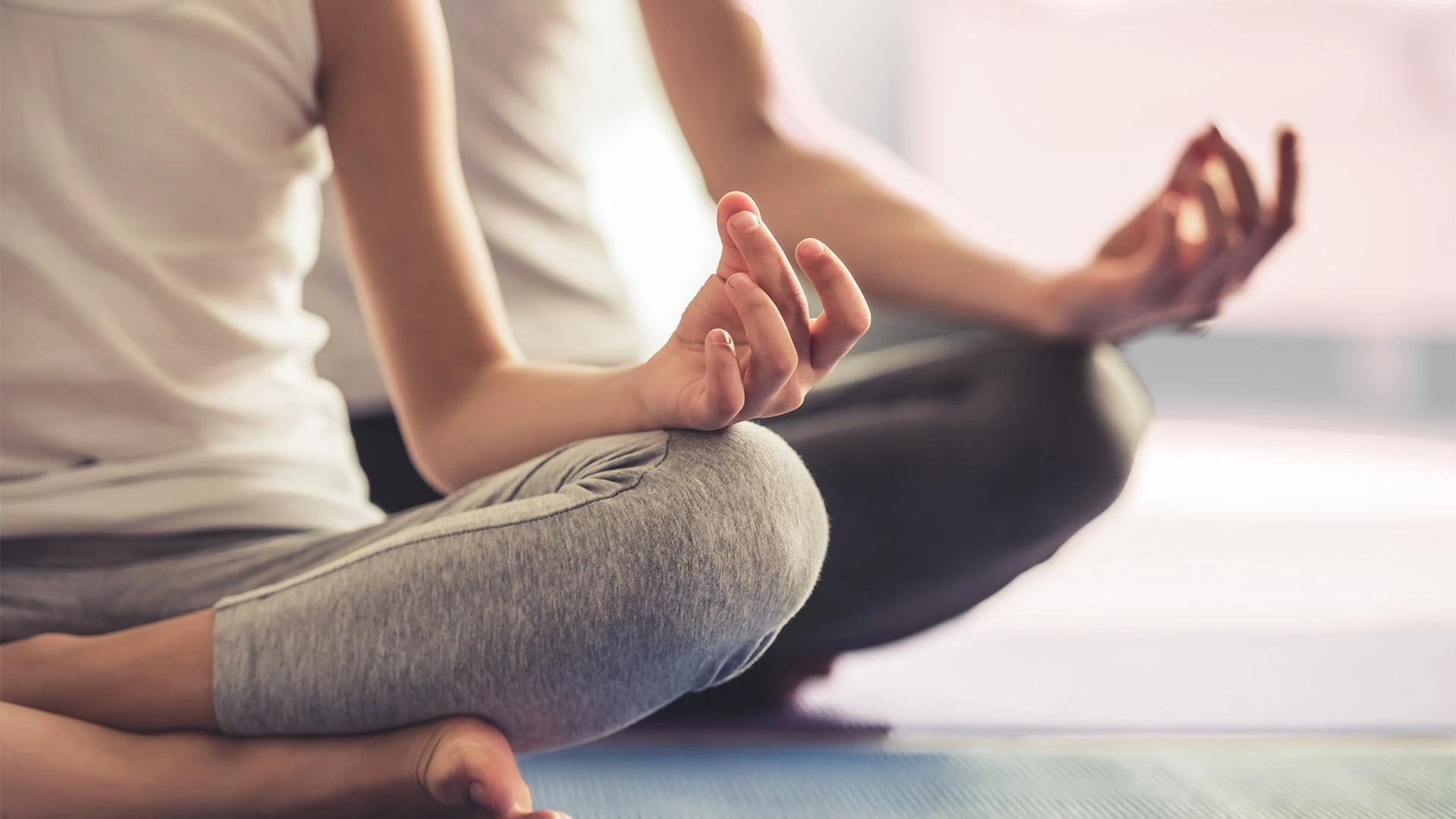
Mental health challenges are becoming increasingly common, with millions seeking natural ways to find balance and inner peace. While traditional therapy and medication remain important, holistic yoga for mental health has emerged as a powerful complementary approach that addresses the mind, body, and spirit as interconnected systems. Unlike regular yoga classes that focus primarily on physical postures, holistic yoga integrates breathwork, meditation, philosophy, and mindful movement to create lasting mental wellness transformations. Smytten's wellness category offers various products that can support your holistic wellness journey, from aromatherapy essentials to mindfulness tools. Let's explore eleven evidence-based ways this ancient practice can revolutionise your mental health and guide you towards lasting inner peace.
TL;DR
Holistic yoga combines physical postures, breathwork, meditation, and philosophy to address mental health comprehensively
Scientific research shows yoga reduces cortisol levels, improves mood, and supports neuroplasticity for better mental resilience
Eleven key benefits include stress relief, emotional balance, improved sleep, and enhanced self-awareness
Regular practice can complement traditional mental health treatments and build long-term coping mechanisms
Starting with simple techniques and gradually building a personalised routine yields the best results
Holistic yoga for mental health goes far beyond touching your toes or perfecting a headstand. It's a comprehensive approach that treats mental wellness as inseparable from physical and spiritual health. This integrative method recognises that true healing happens when we address all aspects of our being simultaneously.
Traditional yoga classes often focus on physical fitness and flexibility. Holistic yoga, however, weaves together ancient wisdom with modern mental health understanding. It incorporates breathwork for emotional regulation, meditation for mental clarity, and philosophical teachings that help reframe life's challenges. This approach acknowledges that mental health isn't just about managing symptoms—it's about cultivating overall well-being.
The four pillars of holistic yoga work synergistically to support mental health. Asanas (physical postures) release tension stored in the body, whilst pranayama (breathwork) directly influences the nervous system. Meditation cultivates mindfulness and emotional awareness, and yogic philosophy provides frameworks for understanding suffering and finding peace.
Integrative yoga therapy is specifically designed for therapeutic outcomes rather than general fitness. Sessions are often personalised, incorporating specific techniques based on individual mental health needs. Therapists trained in this approach understand trauma-informed practices and can adapt sequences for various mental health conditions, making it a safe and effective complement to traditional therapy.
Modern neuroscience has validated what yogis have known for centuries—regular practice literally rewires the brain for better mental health. Research shows measurable changes in brain structure and function after consistent yoga practice, particularly in areas responsible for stress response and emotional regulation.
Studies using brain imaging technology reveal that yoga practitioners show increased grey matter in the hippocampus (associated with learning and memory) and decreased activity in the amygdala (the brain's alarm system). This neuroplasticity means your brain becomes better at handling stress and more resilient to mental health challenges over time.
Regular yoga practice significantly reduces cortisol levels—the stress hormone that, when chronically elevated, contributes to anxiety, depression, and numerous physical health issues. The practice activates the parasympathetic nervous system, shifting the body from "fight or flight" mode into "rest and digest," promoting natural healing and emotional balance.

Blissful Bhringraj Head Massage Hair Oil | Essential Ayurvedic Herb Enriched Hair Oils for Headache Relaxation & Stress | Natural Hair Growth & Shine
Multiple clinical trials demonstrate yoga's effectiveness for mental health conditions. A 2017 systematic review found that mindful yoga for anxiety showed significant improvements in anxiety symptoms across diverse populations. Similarly, research on yoga for depression support indicates that regular practice can be as effective as some medications for mild to moderate depression, with the added benefit of no negative side effects.
The transformative power of holistic yoga lies in its multifaceted approach to mental wellness. Each of these eleven benefits builds upon the others, creating a comprehensive foundation for lasting mental health improvements.
Conscious breathing is perhaps the most immediate tool for mental health transformation. Techniques like alternate nostril breathing (Nadi Shodhana) and three-part breath (Dirga Pranayama) directly influence the vagus nerve, triggering the relaxation response. When anxiety peaks, these breathwork and yoga for calm practices can shift your nervous system within minutes, providing instant relief and long-term resilience.
Unlike high-intensity workouts that can sometimes increase anxiety, mindful yoga for anxiety focuses on slow, deliberate movements that ground you in the present moment. Flowing sequences like Sun Salutations, when performed mindfully, interrupt anxious thought patterns and redirect attention to bodily sensations, creating natural anxiety relief.
Restorative poses like Child's Pose and Legs-Up-The-Wall systematically release physical tension whilst calming the mind. This yoga for stress relief approach teaches the body to recognise the difference between tension and relaxation, making it easier to identify and release stress before it becomes overwhelming.
Trauma often gets stored in the body as physical tension and emotional blockages. Somatic yoga for emotional balance uses gentle, awareness-based movements to help release these stored emotions safely. This approach recognises that healing happens through the body, not just the mind, making it particularly effective for those dealing with past trauma or emotional overwhelm.
Poses like Camel, Bridge, and Fish specifically target the chest area, where we often hold grief, sadness, and emotional pain. These heart-opening sequences can literally help you breathe more deeply and feel more open to joy and connection. Research shows these poses can be particularly beneficial as yoga for depression support, helping to counteract the physical postures of depression.
Consistent practice creates emotional stability through routine and self-care rituals. Therapeutic yoga for mood focuses on balancing poses and sequences that promote emotional equilibrium. Standing poses build confidence and grounding, whilst gentle inversions help shift perspective—both literally and metaphorically.
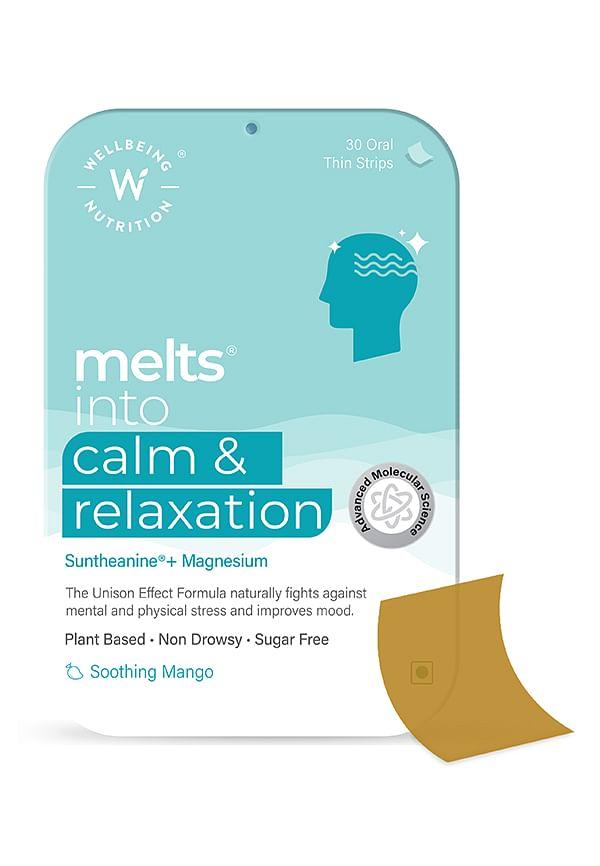
Melts Calm & Relaxation Plant Based Stress & Anxiety Reliever
The ultimate goal of yoga for inner peace is the cultivation of a calm, clear mind. Integrating meditation into physical practice—whether through moving meditation or seated stillness—develops the ability to observe thoughts without being overwhelmed by them. This observer consciousness becomes a refuge during difficult times.
Every yoga pose becomes an opportunity to practice mindfulness when approached with intention. Focusing on alignment, breath, and sensation during physical practice trains the mind to stay present, reducing rumination and worry that fuel anxiety and depression.
The chakra system provides a framework for understanding emotional and energetic imbalances. Specific poses and practices can help balance these energy centres, promoting emotional harmony and mental clarity. For example, throat chakra work can help with self-expression, whilst heart chakra practices support emotional healing.
Poor sleep significantly impacts mental health, creating a vicious cycle of exhaustion and emotional instability. Gentle evening yoga sequences, including forward folds and restorative poses, prepare the nervous system for rest. These holistic well-being practices can dramatically improve sleep quality, which in turn supports better mental health.
Perhaps most importantly, regular yoga practice builds mental resilience—the ability to bounce back from challenges. The skills learned on the mat—staying calm under pressure, breathing through discomfort, finding balance—translate directly to life situations. This creates a toolkit of healthy coping mechanisms that support long-term mental wellness.
Developing a sustainable practice requires understanding your unique needs and creating a routine that fits your lifestyle. Mental wellness through yoga isn't about perfecting poses—it's about showing up consistently and with intention.
Start by identifying your primary mental health goals. Are you seeking anxiety relief, depression support, or general stress management? Different sequences and techniques serve different purposes. A morning energising practice might include Sun Salutations and standing poses, whilst an evening routine could focus on restorative poses and meditation.
Various yoga styles offer different mental health benefits. Hatha yoga provides grounding and stability, Vinyasa offers moving meditation, whilst Yin yoga promotes deep relaxation and emotional release. Combining these approaches creates a well-rounded practice that addresses multiple aspects of mental wellness.

Ashwagandha and Hemp Blend | Immunity Booster and Calming Powder
Whilst self-practice is valuable, working with a qualified yoga therapist can accelerate healing, especially for specific mental health conditions. Professional guidance ensures safe practice and provides personalised techniques that address your unique needs and circumstances.
Holistic yoga approaches that combine physical postures, breathwork, and meditation tend to be most effective for mental health. Gentle styles like Hatha, Restorative, and Yin yoga are particularly beneficial for anxiety and depression, whilst more dynamic styles like Vinyasa can help with energy and mood regulation. The best approach is one that feels sustainable and enjoyable for you.
Mental and emotional healing through yoga happens gradually through consistent practice. Start with simple breathing exercises and gentle poses, focusing on how they make you feel rather than how they look. Incorporate mindfulness and self-compassion into your practice, and consider working with a qualified instructor who understands trauma-informed yoga approaches.
A holistic approach recognises that mental health is interconnected with physical, emotional, and spiritual well-being. It combines yoga postures, breathing techniques, meditation, and philosophical teachings to address the whole person rather than just symptoms. This approach often works best when integrated with other wellness practices available on Smytten, such as aromatherapy and mindfulness tools.
Many people notice immediate benefits like reduced stress and improved mood after a single session. However, lasting changes typically develop over 4-8 weeks of regular practice. Research shows that practising 3-4 times per week yields optimal results for mental health improvements, with continued benefits increasing over months and years of consistent practice.
Yoga is a powerful complement to traditional mental health treatment but shouldn't replace professional therapy or medication when needed. It works best as part of a comprehensive approach that might include counselling, medication, lifestyle changes, and other wellness practices. Always consult with healthcare providers about integrating yoga into your mental health care plan.
Holistic yoga for mental health offers a comprehensive, evidence-based approach to emotional wellness that addresses the mind, body, and spirit as interconnected systems. The eleven benefits outlined—from stress relief and emotional balance to improved sleep and resilience building—work synergistically to create lasting mental health improvements. Unlike quick fixes, yoga provides sustainable tools for managing life's challenges whilst promoting genuine inner peace and well-being. The key to success lies in consistent practice, patience with the process, and finding approaches that resonate with your individual needs and lifestyle.
Your journey towards mental wellness through yoga is deeply personal and uniquely yours. Just as Smytten believes you should never have to settle when it comes to discovering the right products for your lifestyle, your yoga practice should evolve to meet your changing mental health needs. Smytten's extensive wellness collection offers various products that can enhance your holistic practice—from aromatherapy essentials to mindfulness tools—all available through their trial packs so you can explore what works best for you. With over 25 million users trusting Smytten's authentic, brand-verified products, you can confidently try before you buy, ensuring your wellness journey is supported by quality products that truly serve your mental health goals. After all, when it comes to your mental wellness, why settle for 'maybe' when you can #TryItAll and discover what genuinely supports your path to inner peace?
