11 Top Gut Health Supplements for Better Digestion


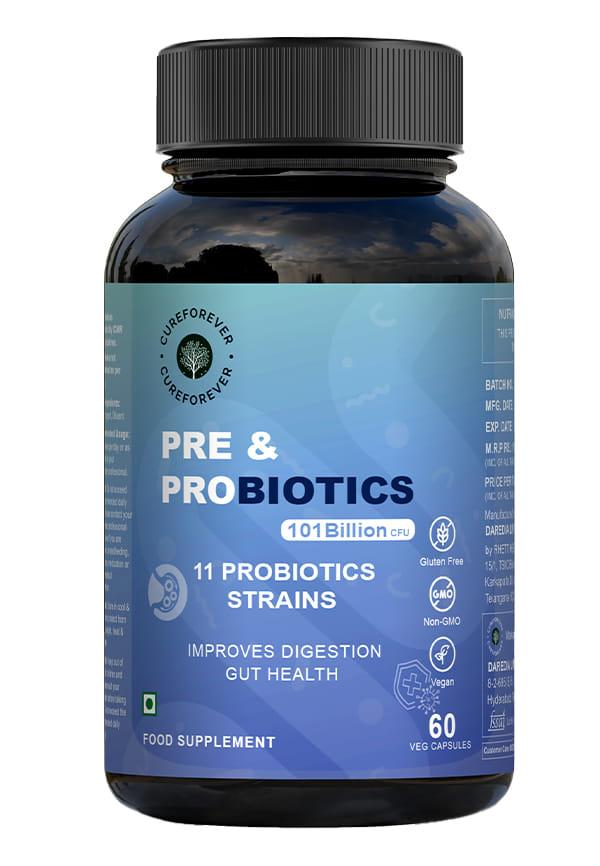
Prebiotics & Probiotics
Your gut health affects everything from your mood to your immunity, yet finding the right supplements can feel overwhelming with endless options flooding the market. Whether you're dealing with bloating, irregular digestion, or just want to support your overall wellness, the top gut health supplements can make a real difference when chosen wisely. At Smytten, we understand the importance of trying before you buy, especially when it comes to wellness products that directly impact how you feel every day.
The good news? Science has come a long way in understanding what actually works for digestive health. From targeted probiotics to digestive enzymes, there are proven supplements that can help restore balance to your microbiome and get your digestion back on track. Let's dive into the 11 most effective options that experts actually recommend.
TL;DR
The best probiotics for gut health contain multiple strains with at least 10 billion CFUs and third-party testing for quality assurance.
Digestive enzyme supplements work best when taken with meals to support nutrient absorption and reduce bloating.
Prebiotic fiber supplements feed your good bacteria and work synergistically with probiotics for optimal gut health.
Natural remedies for bloating include targeted probiotic strains, digestive enzymes, and anti-inflammatory compounds like curcumin.
Combining supplements with gut healing foods and lifestyle changes provides the most comprehensive approach to digestive wellness.
Not all microbiome support supplements are created equal, and understanding what separates the effective ones from the marketing fluff can save you both money and frustration. The most important factor is clinical research backing—look for supplements that have been studied in human trials, not just test tubes.
For probiotics specifically, CFU count matters, but it's not everything. A supplement with 50 billion CFUs of poorly researched strains won't beat one with 10 billion CFUs of clinically proven bacteria. Third-party testing ensures what's on the label is actually in the bottle, whilst strain diversity targets different aspects of digestive health.
Bioavailability is crucial—some supplements use enteric coating to protect beneficial bacteria from stomach acid. Quality manufacturers also provide clear expiration dates and proper storage instructions, as live probiotics can lose potency over time.
When it comes to intestinal flora balance, specific probiotic strains have been extensively studied for their targeted benefits. Rather than grabbing any probiotic off the shelf, understanding which strains address your particular concerns can make all the difference in your results.
Lactobacillus acidophilus is probably the most well-known strain, and for good reason. It's particularly effective for lactose intolerance and general digestive support, helping break down dairy proteins that might otherwise cause discomfort.
Bifidobacterium longum shines when it comes to immune function and reducing inflammation in the gut lining. Studies show it can help with everything from seasonal allergies to inflammatory bowel conditions.
Lactobacillus plantarum has shown particular promise for IBS symptom relief and strengthening the gut barrier function. Meanwhile, Saccharomyces boulardii is a beneficial yeast that's especially helpful for preventing antibiotic-associated diarrhea.
Most effective probiotics contain 10-50 billion CFUs per serving. Take them consistently for at least 4-8 weeks to see meaningful changes, and consider taking them with a small amount of food to buffer stomach acid.

Probiotic + Prebiotic - Complete Digestive Balance - (Pack Of 4 )
Digestive enzyme supplements work differently from probiotics—instead of adding beneficial bacteria, they provide the tools your body needs to break down food more effectively. This can be particularly helpful if you experience bloating, gas, or feeling overly full after meals.
Pancreatic enzymes (lipase, protease, and amylase) are the workhorses that break down fats, proteins, and carbohydrates respectively. Many people produce fewer of these enzymes as they age, making supplementation increasingly beneficial.
Bromelain and papain are natural protein-digesting enzymes derived from pineapple and papaya. They're gentler than synthetic options and can be particularly helpful for those who struggle with protein digestion.
Lactase supplements are a game-changer for lactose intolerance, whilst betaine HCl can help those with low stomach acid production. Take digestive enzymes 15-30 minutes before meals for maximum effectiveness.
Prebiotic fiber supplements are like fertiliser for your gut garden—they feed the beneficial bacteria you already have and help probiotics establish themselves more effectively. Think of them as the foundation that makes other digestive health boosters work better.
Inulin, derived from Jerusalem artichoke and chicory root, is one of the most researched prebiotics. It selectively feeds beneficial Bifidobacterium species whilst being gentle enough for most people to tolerate well.
Psyllium husk provides soluble fiber that helps with regularity whilst also serving as a prebiotic. It's particularly useful for those dealing with constipation or irregular bowel movements.
Resistant starch acts as powerful fuel for your gut microbiome, whilst acacia fiber offers a gentler option for those with sensitive digestive systems. Start with small doses and gradually increase to avoid initial bloating.
Chronic inflammation in the digestive tract can disrupt the delicate balance of your microbiome and interfere with nutrient absorption. Gut healing foods and targeted supplements can help reduce this inflammation and support the repair of your intestinal lining.
Curcumin, the active compound in turmeric, has powerful anti-inflammatory properties that specifically benefit the digestive tract. Look for formulations with black pepper extract (piperine) to enhance absorption.
L-Glutamine is an amino acid that serves as fuel for intestinal cells and can help repair a damaged gut lining. It's particularly beneficial for those with leaky gut syndrome or inflammatory bowel conditions.
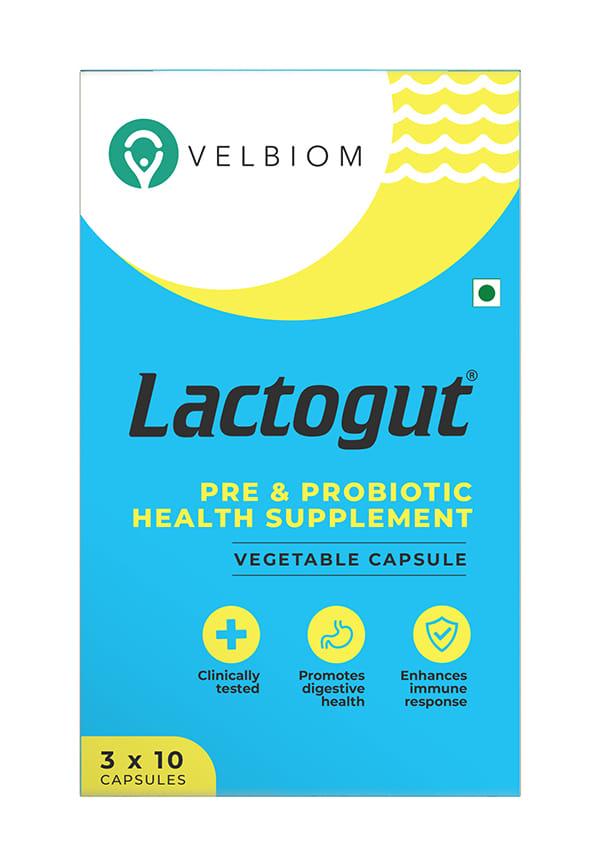
Lactogut | Probiotics Supplement for Gut & Digestive Health and Immunity | Pre+Probiotic Formula
Omega-3 fatty acids provide systemic anti-inflammatory benefits, whilst zinc carnosine specifically protects the stomach lining. Slippery elm offers gentle, soothing support for irritated digestive tissues.
Different digestive issues require different approaches, and the most effective strategy often involves combining specific supplements rather than relying on a one-size-fits-all solution. Understanding which natural remedies for bloating and other concerns work best can help you create a personalised protocol.
For bloating specifically, combining digestive enzymes with targeted probiotic strains like Lactobacillus plantarum and Bifidobacterium lactis has shown excellent results in clinical studies.
Those with IBS benefit from low-FODMAP compatible supplements and specific strains like Bifidobacterium infantis. Avoid high-FODMAP prebiotics like inulin if you're following a low-FODMAP diet.
Natural stomach acid balancers like betaine HCl (for low acid) or alkalising supplements (for excess acid) can provide relief. DGL (deglycyrrhizinated licorice) offers gentle stomach lining protection.
Magnesium supplements combined with soluble fiber can help restore regular bowel movements. Start with magnesium glycinate for better tolerance and add psyllium husk gradually.
Selecting from the top gut health supplements requires understanding your specific symptoms and digestive patterns. Keep a food and symptom diary for a week to identify triggers and patterns before choosing supplements.
When reading supplement labels, look for specific strain names (not just "Lactobacillus"), CFU counts, and expiration dates. Avoid supplements with unnecessary fillers, artificial colours, or allergens that might trigger your sensitivities.
Higher price doesn't always mean better quality, but extremely cheap probiotics often lack the research backing and quality control of more established brands. Look for third-party testing certificates and clinical study references.
Consult healthcare providers if you have chronic digestive issues, take medications, or have autoimmune conditions. Some supplements can interact with medications or may not be appropriate for certain health conditions.
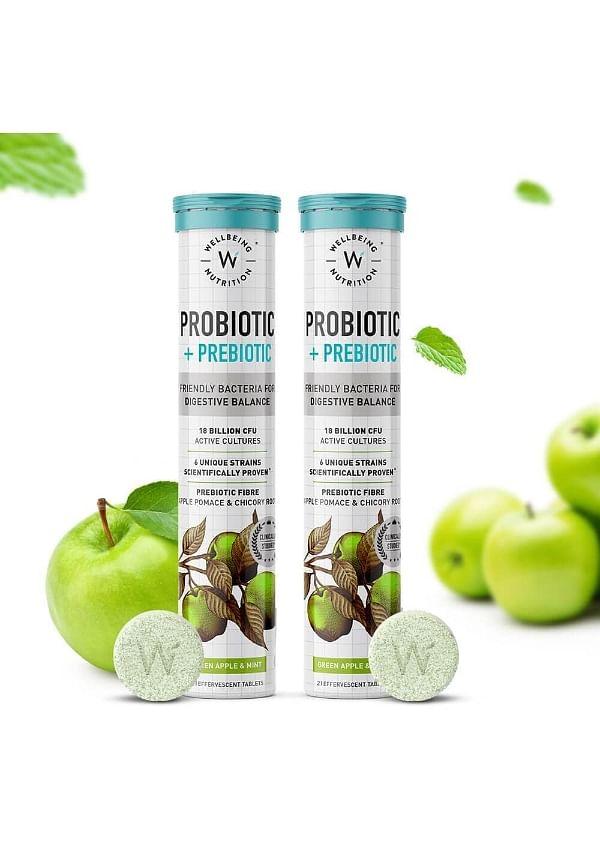
Probiotic + Prebiotic - Complete Digestive Balance - (Pack Of 2)
A high-quality multi-strain probiotic with at least 10 billion CFUs forms the foundation of most gut health protocols. Look for formulations that include both Lactobacillus and Bifidobacterium strains, as they work synergistically to support healthy digestion and maintain intestinal balance.
Most people notice initial changes within 2-4 weeks, but significant improvements in digestive health typically require 8-12 weeks of consistent use. Factors like diet, stress levels, and the severity of initial imbalance all influence timeline expectations.
Yes, many supplements work synergistically when combined properly. Probiotics and prebiotics complement each other, whilst digestive enzymes can be taken alongside both. However, start with one supplement at a time to monitor individual effects and avoid overwhelming your system.
Many probiotics benefit from refrigeration to maintain potency, though shelf-stable formulations are available. Always follow storage instructions on the label, and avoid exposing supplements to heat, moisture, or direct sunlight.
Initial mild bloating or changes in bowel movements are common as your microbiome adjusts, typically resolving within 1-2 weeks. Start with lower doses and gradually increase to minimise side effects. Discontinue use if severe symptoms occur.
Probiotics add beneficial bacteria to your gut microbiome, whilst digestive enzymes help break down food for better absorption. Both can alleviate indigestion naturally but work through different mechanisms and are often most effective when used together.
The most effective approach to gut health combines targeted supplementation with dietary and lifestyle changes. Start with a high-quality multi-strain probiotic as your foundation, then add digestive enzymes or prebiotics based on your specific symptoms and needs.
Quality matters more than quantity when it comes to supplements—choose products with clinical research backing, third-party testing, and appropriate storage requirements. Remember that consistency is key, and most people need 8-12 weeks to see significant improvements in their digestive health.
Listen to your body and adjust your protocol as needed. What works for others might not work for you, and finding the right combination often requires some experimentation with different strains, dosages, and timing.
Discovering the right gut health supplements for your unique needs doesn't have to involve expensive trial and error with full-size products. Smytten's curated trial packs let you explore wellness supplements from trusted brands before committing to full purchases. With over 1,500 brands available and 100% cashback on trial minis, you can experiment with different probiotics, digestive enzymes, and prebiotic supplements to find what actually works for your digestive system. After all, why settle for guessing when you can try before you buy and make confident choices about your gut health journey?
