11 Omega 3 Side Effects: Fish Oil Risks to Know



Slow Multi + Omega for Her Multivitamin for Women
Omega 3 supplements have become incredibly popular for their heart health benefits and anti-inflammatory properties. But here's the thing—whilst these supplements can be brilliant for your wellbeing, they're not without their risks. From fishy burps to more serious bleeding concerns, understanding what are the side effects of omega 3 supplements is crucial before you start popping those capsules. Whether you're considering fish oil for the first time or you've been taking it for ages, knowing these potential omega 3 side effects can help you make smarter choices about your health. Let's dive into the real talk about what might happen when you add these supplements to your routine, and how platforms like Smytten can help you trial wellness products safely before committing to full-size purchases.
Common omega 3 side effects include fishy aftertaste, nausea, and digestive issues that most people experience
High dosages can cause serious omega 3 health risks like increased bleeding, blood pressure changes, and heart rhythm issues
Omega 3 supplements can interact dangerously with blood thinners and other medications
Women may experience unique omega 3 adverse effects related to hormonal changes and menstrual cycles
Proper dosing and quality supplements can minimise most omega 3 side effects whilst maintaining benefits
Let's start with the omega 3 side effects you're most likely to encounter. These aren't usually dangerous, but they can be pretty annoying and might make you question whether fish oil is worth the hassle.
The most frequent complaint about omega 3 fish oil side effects? Your digestive system throwing a bit of a tantrum. That infamous fishy aftertaste and those dreaded "fish burps" are probably the most well-known side effects, but they're just the beginning.
Heartburn and acid reflux often pop up, especially if you're taking your supplements on an empty stomach. Many people also experience omega 3 side effects nausea, which can range from mild queasiness to proper stomach upset. Diarrhea and loose stools are another common issue, particularly when you first start taking supplements or increase your dosage. Bloating and abdominal pain round out the digestive drama that some folks deal with.
Beyond the tummy troubles, there are other omega 3 adverse effects that might catch you off guard. Bad breath that smells distinctly fishy can be embarrassing, and some people notice their sweat takes on a fishy odour too.
Mild headaches are another reported side effect, though these often improve as your body adjusts to the supplement. Joint pain and discomfort, whilst less common, can occur in some individuals, which is ironic considering omega 3s are supposed to help with inflammation.
Now we're getting into the more concerning territory. When you start taking high doses of omega 3 supplements, the omega 3 dosage side effects can become genuinely serious and potentially dangerous.
This is probably the most significant of all omega 3 health risks. Fish oil has natural blood-thinning properties, which can be brilliant for heart health but problematic if it goes too far. You might notice bleeding gums when you brush your teeth, or nosebleeds that seem to come out of nowhere.
Easy bruising is another telltale sign—if you're suddenly looking like you've been in a scrap when you've barely bumped into anything, your omega 3 dosage might be too high. Prolonged wound healing becomes a real concern, and if you're scheduled for surgery, these supplements can cause serious complications during and after procedures.
Whilst omega 3s are famous for heart health benefits, too much can actually cause cardiovascular omega 3 adverse effects. Low blood pressure might sound good in theory, but when it drops too much, you'll experience dizziness and potentially dangerous drops when standing up.
Some studies have linked high-dose fish oil supplements to increased risk of atrial fibrillation—an irregular heart rhythm that can be serious. Other irregular heart rhythms have also been reported, particularly in people taking very high doses.
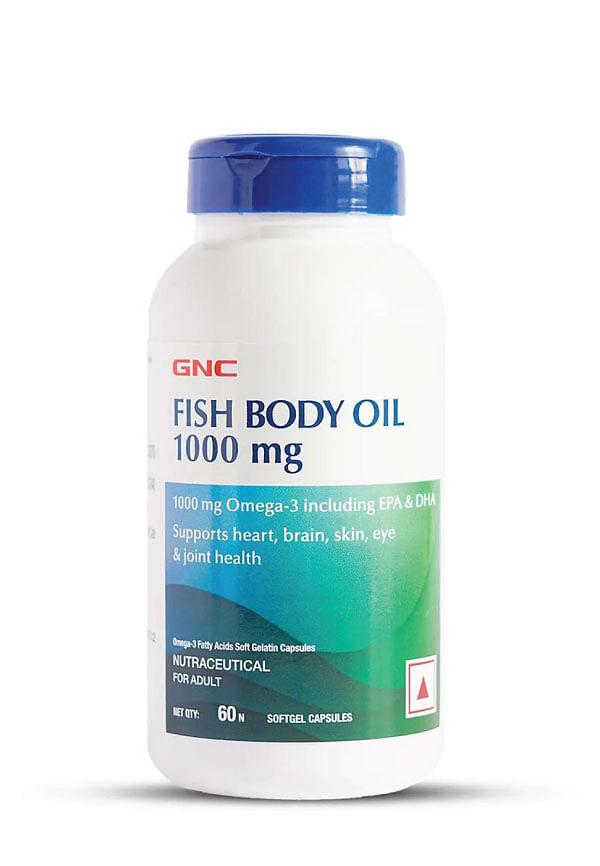
Fish Body Oil For Men & Women | 1000Mg Omega-3S With Epa & Dha
If you're managing diabetes, omega 3 supplements can interfere with your blood sugar control. These side effects of fish oil can make glucose levels less stable, which is particularly concerning if you're on diabetes medications.
One of the most dangerous aspects of omega 3 supplements isn't necessarily the supplements themselves, but how they interact with other medications and health conditions. These omega 3 interactions can turn a helpful supplement into a health hazard.
Blood thinners like warfarin and even everyday aspirin can have their effects amplified by omega 3 supplements, leading to dangerous bleeding risks. If you're on blood pressure medications, fish oil can enhance their effects, potentially causing your blood pressure to drop too low.
Diabetes medications can also interact problematically with omega 3 supplements, making blood sugar control more difficult. Always chat with your doctor before combining these supplements with any medications.
People with fish or shellfish allergies should obviously steer clear of fish oil supplements, though algae-based alternatives might be suitable. If you're scheduled for surgery, you'll need to stop taking omega 3 supplements well in advance to avoid bleeding complications.
Individuals with bleeding disorders like haemophilia should avoid these supplements entirely, as they can make bleeding episodes more severe and harder to control.
Women might experience some unique omega 3 adverse effects that blokes don't typically deal with. Understanding these gender-specific reactions can help you make better decisions about supplementation.
Some women report changes in their menstrual cycles when taking omega 3 supplements, including heavier or lighter periods, or changes in cycle length. During pregnancy and breastfeeding, the considerations become even more complex.
Whilst omega 3s can be beneficial during pregnancy, high doses might increase bleeding risk during delivery. Always consult your healthcare provider about appropriate dosing during pregnancy and breastfeeding.
Research suggests women might absorb and process omega 3 supplements differently than men, potentially leading to different tolerance levels and side effect profiles. Some women report being more sensitive to the gastrointestinal omega 3 side effects, whilst others seem to tolerate higher doses better.
Recognising omega 3 overdose symptoms is crucial for anyone taking these supplements. Too much of a good thing can definitely become problematic, and knowing when you've crossed that line can prevent serious health issues.
Severe gastrointestinal distress that goes beyond the usual fishy burps is often the first sign you're taking too much. We're talking about persistent nausea, vomiting, and diarrhoea that doesn't improve with time.

Triple Strength Fish Oil Omega 3 Capsules For Men & Women
Excessive bleeding is the most dangerous omega 3 overdose symptom. If you notice unusual bruising, prolonged bleeding from minor cuts, or bleeding gums, it's time to reassess your dosage. Some fish oil supplements also contain vitamin A, and taking too many can lead to vitamin A toxicity, causing symptoms like dizziness, nausea, and even hair loss.
Most health authorities recommend no more than 3 grams of combined EPA and DHA per day from supplements. However, many people do well with much lower doses—around 1-2 grams daily is often sufficient for most health benefits.
If you're dealing with persistent omega 3 dosage side effects, it's definitely time to consult your healthcare provider. They can help you find the sweet spot between getting benefits and avoiding problems.
Your organs work hard to process everything you consume, and high doses of omega 3 supplements can put extra strain on your kidneys and liver. Understanding these potential impacts helps you make informed decisions about long-term supplementation.
If you already have kidney disease or reduced kidney function, omega 3 supplements might not be the best choice. High doses can potentially worsen kidney function in people who already have compromised kidneys.
Even in healthy individuals, very high doses of fish oil supplements can affect how the kidneys process certain substances, though this is typically only a concern with excessive intake.
Your liver has to process all those omega 3 fatty acids, and whilst it's generally quite capable, extremely high doses can create additional workload. People with existing liver conditions should be particularly cautious about omega 3 supplements.
Interestingly, stopping omega 3 supplements can also cause some effects as your body readjusts. Understanding what might happen when you discontinue these supplements can help you plan better.
You might notice the return of inflammation-related symptoms that the omega 3s were helping to manage. Joint stiffness could come back, and some people report mood changes as their omega 3 levels drop.
The good news is that these aren't dangerous withdrawal symptoms—more like your body returning to its pre-supplement baseline.
If you want to stop taking omega 3 supplements, gradually reducing your dose over a few weeks can help minimise any rebound effects. Monitor how you feel and consider whether the benefits you were getting are worth continuing supplementation.
The brilliant news is that most omega 3 side effects can be significantly reduced or eliminated with some smart strategies. You don't have to suffer through fishy burps and stomach upset to get the benefits.

Slow Multi + Veg Omega 3 || 23 Vitamins & Minerals, 15 Antioxidants & Digestive Enzymes
Taking your supplements with meals, particularly those containing some fat, can dramatically reduce gastrointestinal side effects. The food helps buffer your stomach and slows absorption, reducing nausea and upset.
Enteric-coated capsules are designed to dissolve in your small intestine rather than your stomach, which can eliminate fishy burps and reduce stomach irritation. Some people swear by freezing their fish oil capsules—the cold temperature can reduce the fishy aftertaste.
Starting with lower doses and gradually increasing allows your body to adjust, potentially avoiding many of the initial side effects that put people off omega 3 supplements entirely.
Choosing high-quality supplements makes a massive difference in side effects. Look for products that have been purified to remove contaminants and have good third-party testing. Algae-based omega 3 supplements might be worth trying if you're particularly sensitive to fish oil.
Understanding purity standards and choosing reputable brands can help ensure you're getting clean, effective supplements that are less likely to cause problems.
Daily omega-3 intake is generally safe for most people when taken within recommended doses of 1-3 grams per day. However, long-term daily use may increase bleeding risk and cause mild gastrointestinal symptoms like fishy burps or nausea. Monitor your body's response and consult a healthcare provider if you experience persistent side effects.
People with fish allergies, bleeding disorders, those on blood thinners like warfarin, and individuals scheduled for surgery should avoid or consult doctors before taking omega-3 supplements. Additionally, people with severe kidney or liver disease should seek medical advice before starting supplementation.
Yes, potential negatives include increased bleeding risk, atrial fibrillation at high doses, gastrointestinal discomfort, fishy aftertaste, and possible medication interactions. Some people also experience headaches, joint pain, or changes in blood sugar levels, particularly with higher doses.
Absolutely! Platforms like Smytten offer trial packs of various wellness supplements, allowing you to test how your body responds to different omega-3 products before committing to full-size purchases. This approach helps you find the right supplement whilst minimising waste and expense.
Understanding what are the side effects of omega 3 supplements empowers you to make informed decisions about your health. Whilst these supplements offer genuine benefits, they're not risk-free, especially at higher doses. The most common omega 3 side effects—like fishy burps and mild stomach upset—are manageable with proper timing and quality products. However, serious omega 3 health risks like increased bleeding and heart rhythm changes require careful attention to dosage and medical supervision.
The key is finding the right balance for your individual needs. Start with lower doses, choose quality supplements, and pay attention to how your body responds. If you're on medications or have health conditions, always consult your healthcare provider before starting omega 3 supplementation.
Navigating the world of omega 3 supplements doesn't have to be overwhelming when you're armed with the right information about potential side effects and risks. Smytten is India's largest product discovery and trial platform, connecting consumers with top wellness brands through curated trial packs. With over 1,500 trusted brands available, you can explore omega 3 supplements and other wellness products through mini-sized trials before committing to full-size purchases. Each trial is linked with Trial Points, and you can get up to 8 minis for just ₹249, plus Smytten offers 100% cashback on trial purchases, making it both affordable and smart to test products first. When you find an omega 3 supplement that works for your body without unwanted side effects, buying the full-size version is just a click away. With authentic brand-verified minis delivered across 27,000+ pincodes, Smytten helps you make confident choices about your wellness routine. After all, why settle for 'maybe' when you can try before you buy and discover what truly works for you?
