Understanding the Changing Landscape of Digestive Health in India


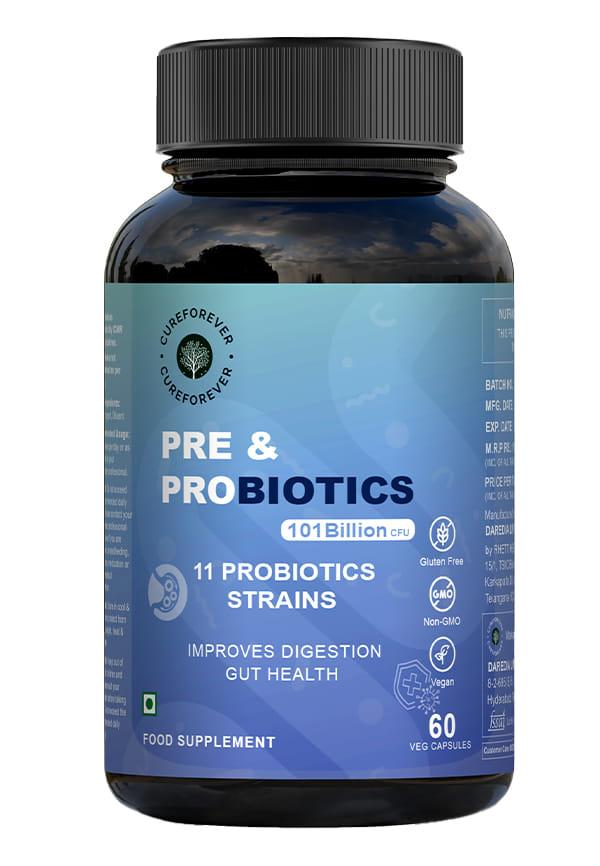
Prebiotics & Probiotics
In India, digestive health is no longer a niche concern. With more people experiencing frequent issues like bloating, acidity, and indigestion, consumers are becoming more aware of the importance of digestive wellness. In this blog, we explore key findings from the Smytten PulseAI research and how brands can leverage these insights to meet the evolving needs of Indian consumers in the digestive health space.
According to the study, over 60% of respondents report experiencing digestive issues, ranging from occasional discomfort to chronic symptoms. This growing concern about gut health is driving a shift towards both preventive and symptomatic remedies. The shift can largely be attributed to urban lifestyles, where factors like irregular eating habits, processed food consumption, and stress are more common.
While digestive discomfort was once viewed as a mere irritant, it is now seen as an integral part of daily wellness. This evolution in consumer perception opens the door for brands to tap into new market opportunities, especially with products that can address this concern proactively. Through sampling platforms like Smytten, consumers can try out digestive health solutions before fully committing to them, offering a risk-free way to explore new products.
Despite the rise of modern solutions, home remedies remain the most widely used method for digestive relief. Ingredients like ginger, lemon water, warm water, and ajwain continue to dominate, with familiarity and cost-effectiveness being the primary reasons for their popularity.
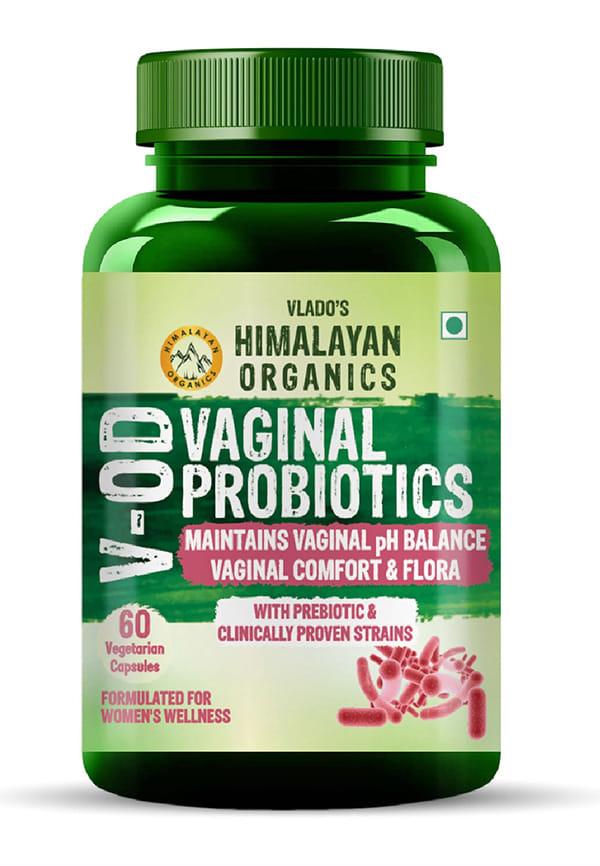
Vaginal Probiotics for Women pH Balance with Prebiotics
Interestingly, a significant number of respondents reported that they use these natural remedies first before resorting to over-the-counter (OTC) products or supplements. This highlights an opportunity for brands to bridge the gap by offering products that combine the familiarity and trust associated with traditional ingredients but in modern, convenient formats. Smytten's product sampling model is a perfect way to introduce such hybrid solutions to consumers, allowing them to test the product before making a purchase decision.
While traditional remedies hold a special place in Indian households, there is an increasing openness to modern digestive health interventions. OTC antacids are widely used not only for symptomatic relief but also as a preventive measure. Consumers, especially in urban areas, have shown a strong preference for products that provide both immediate relief and long-term maintenance of digestive health.
Probiotics and gut health supplements like plant-based remedies are also gaining traction, though there is a knowledge-to-action gap. While 60% of respondents are familiar with these products, only about one-third actually use them regularly. This gap presents a challenge for brands looking to convert awareness into action. Trial sampling, such as that offered by Smytten, is an excellent strategy to bridge this divide, enabling consumers to experience the product firsthand without a large commitment.
A key takeaway from the study is the strong preference for herbal and natural formulations. Nearly 70% of respondents rated natural positioning as “very important” when making purchase decisions. This trend signals that Indian consumers are not only seeking natural products but expect them as a baseline in the digestive health category.

Vlado's Himalayan Organics Probiotics Supplement 50 Billion CFU with Prebiotics 150mg
Great Product
 5
5“been loving this product since it first came out. still sold to it.”
The interest in natural ingredients is particularly high among younger consumers (18-35 years), who are eager to experiment with new formats like effervescent tablets and gummies. These formats offer the benefit of convenience, which appeals to a younger, on-the-go demographic. Therefore, brands that can combine natural ingredients with modern formats stand to gain a competitive edge in this space. Through platforms like Smytten, brands can encourage trial and adoption by allowing consumers to sample these innovative formats before committing to a full-size purchase.
The report also reveals interesting insights about consumer segmentation based on age and gender. Women aged 26-35 are more likely to incorporate preventive wellness practices into their daily routines, while men tend to use digestive aids reactively when issues arise. This age group is particularly open to experimenting with newer formats and modern interventions.
On the other hand, older consumers, particularly in Tier 2 and rural areas, continue to rely on traditional remedies. This age-based divergence suggests that brands may need to adopt tailored marketing strategies that appeal to different segments in order to maximize reach and efficacy. For brands looking to break into these varied segments, product sampling via Smytten can help target specific cohorts, offering tailored experiences that align with each group’s preferences and needs.
One of the most significant barriers to the continued use of home remedies is inconsistency in results, the time required for preparation, and poor taste. Younger audiences, in particular, find these remedies inconvenient during busy routines, often abandoning them when symptoms persist or intensify. This presents an opportunity for brands to innovate with standardized, ready-to-consume alternatives that address taste issues without compromising on the effectiveness of the ingredients.

Progut 50 billion CFU Probiotic capsules for Women and Men
Consumers also place a high value on taste and effectiveness, with 41% citing taste as a key area for improvement in digestive health products. Brands that can develop products that are both palatable and effective will likely see higher adoption and satisfaction rates. Smytten’s sample-driven model allows users to test new formats and taste profiles before purchasing, helping them find the right fit for their needs.
While retail stores (pharmacies and supermarkets) remain the primary point of purchase for digestive health products, the study also highlights the growing importance of online shopping. More consumers are turning to health & grocery apps for convenience, particularly during high-incidence seasons like summer or festivals. This shift underscores the importance of optimizing omnichannel marketing strategies that blend both physical and digital experiences.
Brands can capitalize on this trend by bundling products and offering subscription packs online, making it easier for consumers to discover and repurchase digestive health solutions. To make this discovery even more effective, Smytten’s digital-first product sampling campaigns offer a seamless way for users to try out products before making a commitment, driving both initial and repeat purchases.
As the digestive health category evolves, brands must adapt to meet the demands of an increasingly health-conscious and convenience-driven consumer base. The key to success lies in offering natural, effective, and convenient solutions that bridge the gap between tradition and innovation. By focusing on consumer needs, leveraging modern formats, and capitalizing on digital channels, brands can tap into the growing demand for digestive health products and foster long-term loyalty. Smytten's trial-first sampling approach is an ideal way for brands to engage this audience, giving them the opportunity to test, trust, and ultimately commit to the products that best meet their needs.
