Winter Skin SOS: Everything About Dry Skin Care


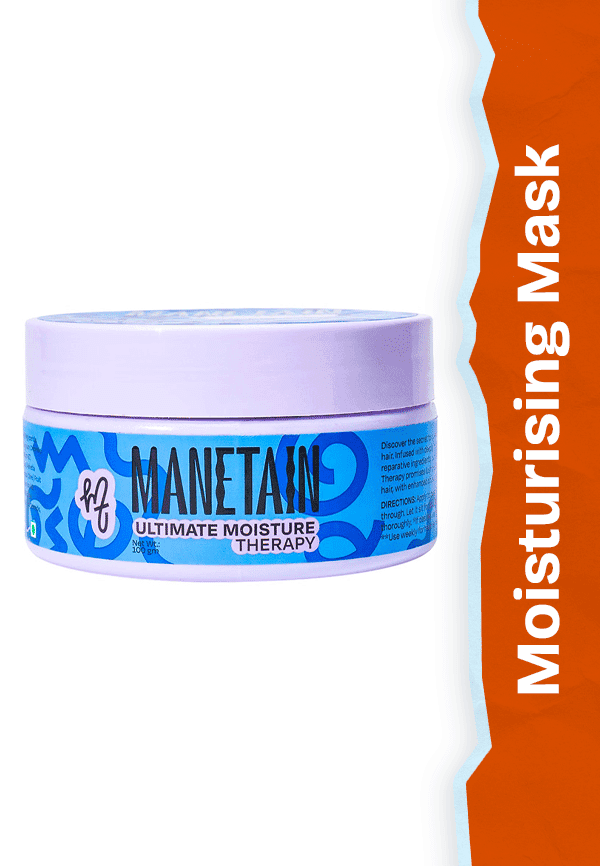
Ultimate Moisture Therapy For Deep Hydration
Winter's here, and your skin's probably sending you some serious SOS signals. That tight, flaky feeling after stepping out of a hot shower? The way your hands crack no matter how much hand cream you slather on? Real talk—winter can be absolutely brutal on your skin. But here's the thing: you don't have to suffer through months of uncomfortable, itchy winter skin. Learning how to fix dry winter skin is totally doable once you understand what's actually happening and have the right game plan. Let's dive into everything you need to know about keeping your skin happy, hydrated, and healthy all season long.
Before we jump into solutions, let's get real about why winter turns your usually well-behaved skin into a drama queen. Understanding the root causes helps you tackle the problem more effectively.
Your skin's natural moisture barrier is like a protective shield, but winter weather basically declares war on it. When humidity levels drop below 60%, your skin starts losing moisture faster than it can replace it. Add heated indoor air that sucks even more moisture from the environment, and you've got a recipe for seriously parched skin.
Cold temperatures make things worse by slowing down your skin's natural oil production. Those harsh winter winds? They're literally stripping away your skin's protective oils with every gust. It's like your skin barrier is under constant attack, which explains why even your usually normal skin suddenly feels like sandpaper.
Let's be honest about what winter actually does to your skin. Itchy winter skin isn't just annoying—it's your skin crying out for help. That persistent itch often comes with redness and inflammation, especially on areas like your shins, arms, and hands.
Then there's the cracking situation. Cracked skin treatment becomes essential when your knuckles, heels, and lips start developing those painful little fissures. And if you've got sensitive skin? Winter can trigger reactions you've never experienced before, from sudden redness to stinging sensations when you apply products that usually work fine.
Right, let's get into the good stuff—actual solutions that work. Your winter skincare routine needs to be different from your summer game plan, and that's perfectly normal.
Start your day by being gentle with your skin. Use a creamy, non-foaming cleanser that won't strip away your skin's natural oils. Think of it as giving your skin a soft hug rather than a harsh wake-up call.
Next up: layering is your friend. Apply a hydrating serum with hyaluronic acid while your skin's still slightly damp—this helps lock in moisture. Follow with a rich moisturiser that contains ceramides or shea butter. And yes, you absolutely need SPF even in winter. UV rays bounce off snow and can cause damage you won't notice until later.
Your evening routine is when the real magic happens. Cleanse with lukewarm water—hot water feels amazing but it's actually making your dryness worse. Pat your skin dry instead of rubbing, leaving it slightly damp.
This is when you can go heavy on the moisture. Apply a thicker night cream or even a facial oil if your skin can handle it. For your body, consider using an ointment-based moisturiser on particularly dry areas like elbows and knees. And here's a pro tip: if you're dealing with severely dry patches, apply your moisturiser twice—once right after cleansing, then again before bed.
Not all moisturisers are created equal, especially when you're trying to hydrate dry skin in winter. Let's talk about what actually works and why.
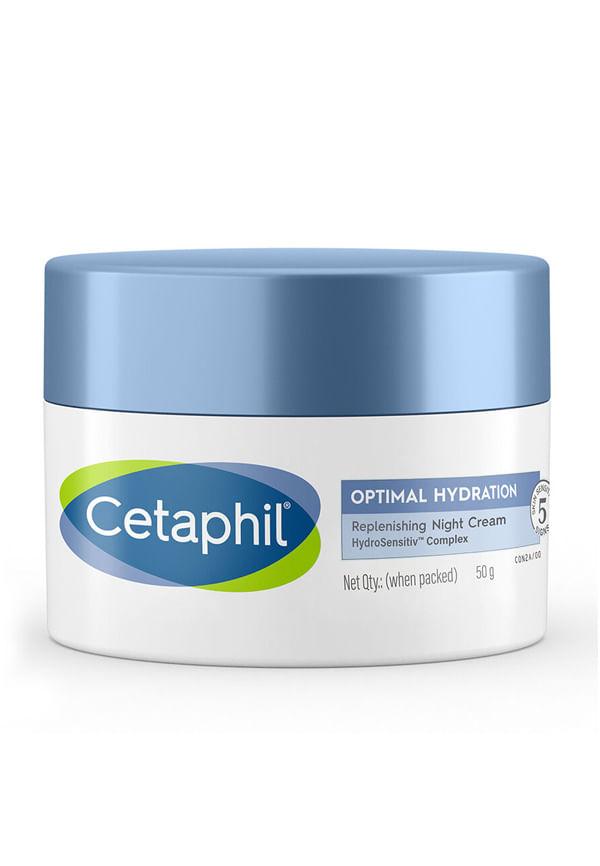
Optimal Hydration Replenishing Night Cream
Good for Oily Skin
 4
4“so skin friendly perfect for oily skin”
Absolutely Perfect Product
5“absolutely perfect. I love this product.”
Makes skin soft and glowing
4“makes skin soft and glowing it's light weight”
Hyaluronic acid is your skin's best mate during winter. It can hold up to 1,000 times its weight in water, making it incredible for deep hydration. Look for products that list it near the top of the ingredient list.
Ceramides are another game-changer for sensitive skin care. They help repair your skin barrier, which is exactly what you need when winter weather has been beating it up. Shea butter and petroleum jelly might sound basic, but they create a protective seal that prevents moisture loss—perfect for overnight treatments or particularly stubborn dry patches.
Creams are your go-to for daily use—they're rich enough to provide serious moisture but light enough to absorb well. Ointments are for when things get serious; they're heavier and more occlusive, perfect for nighttime or extremely dry areas.
Face moisturisers should be different from body ones. Your facial skin is more delicate and prone to breakouts, so look for non-comedogenic formulas. For your body, you can go heavier, especially on areas like your hands and feet that take the most abuse from winter weather.
Sometimes the best dry skin remedies are sitting right in your kitchen. These natural options can be brilliant for giving your skin some extra TLC without breaking the bank.
Coconut oil isn't just for cooking—it's a brilliant natural moisturiser with antimicrobial properties. Warm it slightly between your hands and apply to damp skin for best absorption. Almond oil and sunflower oil are also fantastic options, especially if coconut oil feels too heavy for your skin type.
For a quick DIY treatment, mix oatmeal with honey to create a soothing mask. Oatmeal has natural anti-inflammatory properties, while honey is a humectant that draws moisture to your skin. Leave it on for 15-20 minutes, then rinse with lukewarm water.
What you eat and drink absolutely affects your skin's hydration levels. Omega-3 rich foods like salmon, walnuts, and flaxseeds help maintain your skin's lipid barrier from the inside out.
And yes, drinking water matters, but it's not just about chugging eight glasses a day. Try to sip consistently throughout the day rather than downing huge amounts at once. Your skin also benefits from good sleep and stress management—both affect your skin's ability to repair and maintain its moisture barrier.
Sometimes the problem isn't just what you're putting on your skin—it's the environment you're living in. Making a few changes to your surroundings can make a massive difference to your skin's comfort levels.
A humidifier is honestly one of the best investments you can make for winter skin care. Aim for humidity levels between 40-60% in your home. Any lower and your skin will keep losing moisture; any higher and you might encourage mould growth.
Choose the right size for your space—a small desktop humidifier won't do much for a large bedroom. Clean it regularly with white vinegar to prevent bacteria buildup, and use distilled water if your tap water is particularly hard.
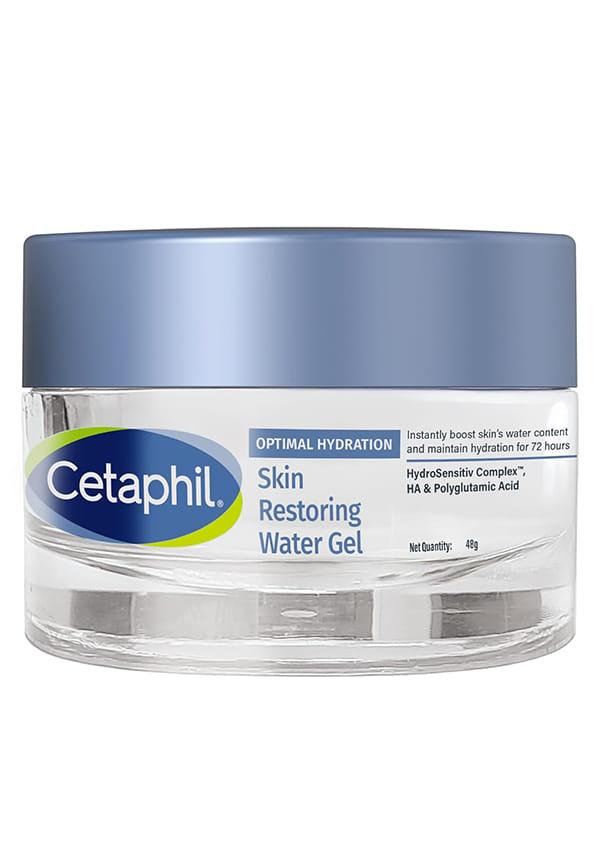
Optimal Hydration Restoring Water Gel
Results not impressive
5“thik hai itna achhhhhh result nhi aya”
Your clothing choices can either help or hinder your skin's recovery. Natural fibres like cotton and bamboo are gentler on sensitive skin than synthetic materials that can trap moisture and cause irritation.
Don't forget about protection when you're heading outdoors. Gloves aren't just for warmth—they protect your hands from harsh winds that can cause cracking. A soft scarf can shield your neck and lower face from cold air that strips moisture from your skin.
Let's talk about the things that are probably making your dry skin worse without you realising it. Sometimes what feels good in the moment is actually sabotaging your skin's recovery.
That long, hot shower after a freezing day outside? It's basically undoing all your moisturising efforts. Hot water strips your skin's natural oils faster than anything else. Stick to lukewarm water and limit your shower time to 10 minutes max.
Over-exfoliating is another common mistake. When your skin feels rough and flaky, the temptation is to scrub it smooth. But harsh scrubbing actually damages your skin barrier further, making dryness worse. If you must exfoliate, use a gentle chemical exfoliant once or twice a week at most.
Fragrances and dyes might make products smell and look nice, but they're common irritants for already-stressed winter skin. When your skin barrier is compromised, it's more likely to react to these additives.
Even ingredients that are usually beneficial, like retinoids and strong acids, might need to take a backseat during particularly harsh winter periods. If your skin is cracked or extremely sensitive, pause these active ingredients until your moisture barrier recovers.
Sometimes DIY solutions aren't enough, and that's completely okay. Knowing when to seek professional help can prevent minor issues from becoming major problems.
If your skin is cracking to the point of bleeding, or if you notice signs of infection like pus, increased redness, or warmth around cracks, it's time to see a professional. Persistent itching that disrupts your sleep or daily activities also warrants medical attention.
Sometimes what looks like simple dryness is actually a condition like eczema or dermatitis that needs specific treatment. If your usual dry skin remedies aren't working after 2-3 weeks of consistent use, a dermatologist can help identify underlying issues.
Dermatologists have access to prescription moisturisers and treatments that are much stronger than over-the-counter options. They might recommend prescription ceramide creams or even short-term topical steroids for severe inflammation.
For chronic issues, they can help you develop a long-term management strategy that goes beyond just winter care. This might include identifying triggers, recommending specific product formulations, or treating underlying skin conditions that make you more prone to dryness.
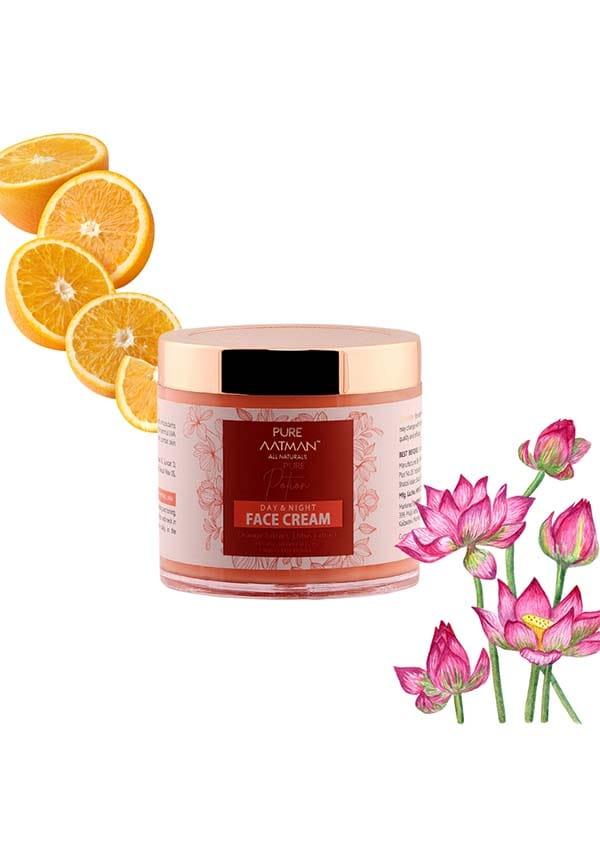
Best Moisturizer For Dry Skin Day & Night Cream
Finding the right products for your specific skin needs can feel overwhelming, especially when you're dealing with sensitive or reactive winter skin. This is where platforms like Smytten become incredibly valuable. As India's largest product discovery and trial platform, Smytten connects you with over 1,500 trusted brands including skincare favourites like Cetaphil and Dot & Key. Instead of committing to full-size products that might not work for your skin, you can try curated trial packs to find your perfect winter skincare routine without the financial risk.
Apply a thick, occlusive moisturiser with ceramides or petroleum jelly immediately after a lukewarm shower while skin is still damp. Use a humidifier in your bedroom and avoid hot water to prevent further moisture loss. For best results, apply moisturiser twice—once after cleansing and again before bed.
Massage skin with natural oils like coconut or almond oil, eat omega-3 rich foods like salmon and walnuts, drink water consistently throughout the day, and use a humidifier to add moisture to indoor air. Oatmeal and honey masks can also provide immediate relief for particularly dry patches.
Use a gentle, fragrance-free cleanser, apply a hyaluronic acid serum followed by a rich moisturiser while skin is still damp, and always use SPF 30+ sunscreen daily. Avoid over-exfoliating and consider switching to a cream-based cleanser instead of foaming formulas during winter months.
Low humidity levels below 60%, cold temperatures that slow oil production, heated indoor air that strips moisture, hot showers, and harsh winds all contribute to breaking down your skin's natural protective barrier, leading to increased dryness and irritation.
Consult a professional if you experience persistent cracking and bleeding, signs of infection like pus or increased redness, severe itching that disrupts sleep, or if home remedies don't improve your condition after 2-3 weeks of consistent use.
It's better to use different products. Facial skin is more delicate and prone to breakouts, so look for non-comedogenic face moisturisers. Body moisturisers can be heavier and more occlusive, especially for areas like hands and feet that need extra protection.
At minimum, moisturise twice daily—morning and evening. However, you might need to reapply throughout the day, especially on hands and any areas exposed to cold air. Listen to your skin and apply whenever it feels tight or uncomfortable.
Both have their place. Natural oils like coconut and almond oil are excellent for creating a protective barrier, but commercial moisturisers often contain beneficial ingredients like hyaluronic acid and ceramides that oils alone can't provide. Many people find success combining both approaches.
Learning how to fix dry winter skin is really about understanding your skin's needs and being consistent with the right approach. Winter weather is tough on everyone's skin, but with the right combination of gentle cleansing, proper moisturising, environmental adjustments, and lifestyle changes, you can keep your skin comfortable all season long.
Remember, what works for your mate might not work for you, and that's completely normal. Your skin is unique, and finding the right winter skincare routine might take some experimentation. With Smytten's trial packs, you can explore different brands and formulations to discover what truly works for your skin without committing to full-size products. After all, why settle for 'maybe' when you can try different options and find what actually makes your skin happy? The platform's approach of letting you try before you buy means you can build a winter skincare routine that's perfectly tailored to your needs, backed by the confidence that comes from actually testing products first.
