Winter Dry Skin: Your Complete Repair Guide



Visible Repair Regenerating Cream
Very Nice Products
 5
5“very nice products it is amazing”
Likes Product, Will Rebuy
4“I like this product. I want to buy again.”
Good texture, lightweight retinol
4“good texture. light weight retinol.”
Winter's here, and your skin's probably sending you some not-so-subtle signals. That tight, flaky feeling after your morning shower? The way your hands look like they belong in a desert documentary? Yeah, we've all been there. The thing is, dry skin repair winter solutions aren't just about slapping on any old moisturiser and hoping for the best. Your skin's working overtime to protect you from harsh cold air, indoor heating, and basically everything that makes winter cosy but your complexion cranky. Let's dive into what actually works when your skin barrier is throwing a proper tantrum.
Real talk—winter is basically your skin's nemesis. The cold air outside has almost zero humidity, which means it's literally sucking moisture out of your skin faster than you can say "central heating." Then you come inside to blast the radiators, and boom—you're dealing with another moisture thief. Your skin barrier, which is normally pretty good at its job, starts breaking down when humidity drops below 30%. Think of it like a brick wall where the mortar starts crumbling. Those natural oils and ceramides that keep everything sealed up? They're not getting the backup they need.
Eczema flare-ups become way more common because your skin's defence system is compromised. That itchy skin you can't stop scratching? It's your body's way of saying the barrier's been breached. Cracked skin treatment becomes essential when those tiny fissures start appearing, especially around your knuckles and heels.
If you're seeing white flakes on your clothes, feeling like you need to scratch constantly, or noticing your skin looks dull and feels rough, your skin repair mission needs to start now. Cracks that bleed or areas that stay red and inflamed are your skin waving a white flag.
Here's what's actually happening when winter hits your skin. Your skin barrier is made up of dead skin cells held together by lipids—think of it as your body's natural cling film. When it's working properly, it keeps the good stuff in (like water) and the bad stuff out (like irritants). Cold weather disrupts this whole system. The lipids become less flexible, creating tiny gaps where moisture escapes. Your skin starts producing less of those natural moisturising factors that usually keep things balanced. It's like trying to hold water in a basket with holes.
Ceramides are basically the glue that holds your skin barrier together. Hyaluronic acid can hold up to 1,000 times its weight in water—it's like a tiny sponge for your skin. Natural moisturising factors include things like amino acids and urea that your skin makes naturally but produces less of in winter.
That lightweight lotion you love in summer? It's probably not cutting it now. Winter skin needs heavier, occlusive ingredients that create a protective seal. Think petroleum jelly, shea butter, and ceramide-rich formulas that actually repair while they moisturise.
Let's get practical about winter skincare that doesn't involve seventeen steps or breaking the bank. Your morning routine should focus on protection, whilst your evening routine is all about repair and recovery. Start your day with a gentle, non-foaming cleanser—anything that makes your skin feel tight is stripping away oils you actually need. Follow with a hydrating serum (hyaluronic acid is your friend here), then a proper moisturiser, and don't skip SPF even in winter.
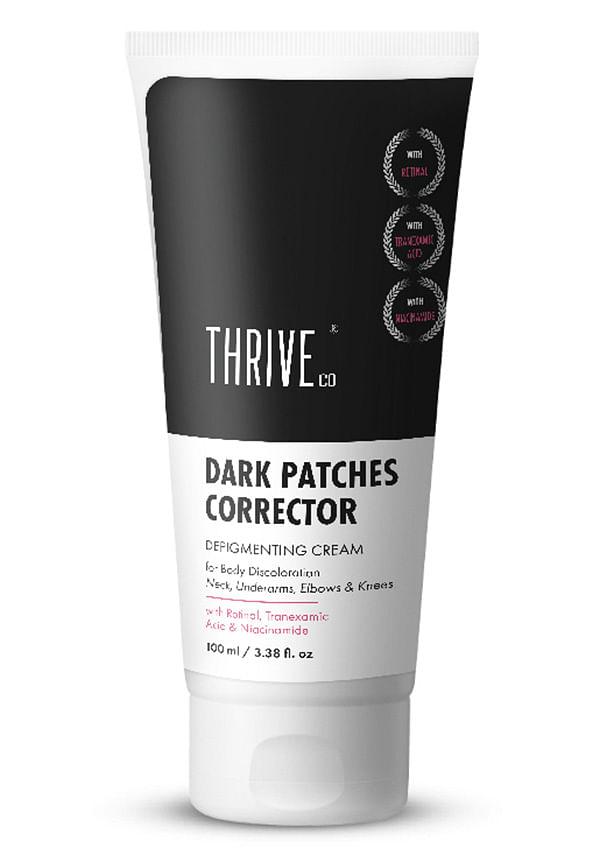
Dark Patches Corrector
Magic Underarm Treatment
5“it's magic. I don't know how but after using it everyday my dark underams vanished. really recommend it”
Magical Skincare Product
5“it was such a magical product 👍🏻good product in skincare”
Positive Product Review
5“Good product”
This one's a game-changer. Apply your moisturiser within one minute of stepping out of the shower or bath, while your skin is still damp. You're essentially trapping that water against your skin, which is exactly what you want for maximum hydration.
Nights are when your skin does its heavy lifting. Use a richer cream or even a facial oil if your skin can handle it. This is also when you can incorporate gentle exfoliation once or twice a week to remove dead skin cells that might be blocking your moisturiser from doing its job.
This Korean technique involves applying multiple thin layers of hydrating toner or essence. It sounds excessive, but for seriously dehydrated skin, it can provide that deep hydration boost without the heavy feeling of thick creams.
Sometimes the best solutions are sitting in your kitchen cupboard. Aloe vera gel straight from the plant (or a pure gel) can provide immediate cooling relief for irritated, itchy skin. It's got anti-inflammatory properties that help calm angry skin whilst providing moisture. Oatmeal isn't just for breakfast—it's brilliant for soothing dry skin. Colloidal oatmeal (finely ground oats) can be mixed into a paste with water for a gentle face mask, or added to a lukewarm bath for full-body relief.
Honey is a natural humectant, meaning it draws moisture from the air into your skin. Mix raw honey with a few drops of olive oil for an overnight face mask that'll leave your skin feeling completely different by morning.
Coconut oil, whilst not suitable for everyone, can provide serious moisture for very dry areas like elbows and knees. Avocado mashed up makes a nourishing face mask rich in healthy fats. Even plain yoghurt contains lactic acid that gently exfoliates whilst moisturising.
Not all natural ingredients suit everyone. If you have sensitive skin or known allergies, patch test everything first. And if you're dealing with eczema or other skin conditions, check with a dermatologist before trying new treatments.
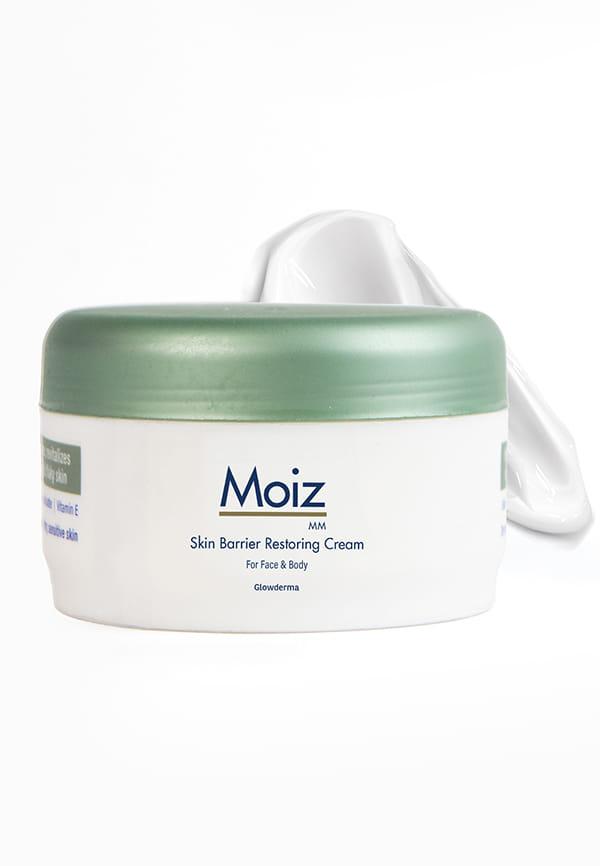
MM Skin Barrier Restoring Cream
Great for Sensitive Skin
5“absolutely 💯 love it , suitable for sensitive skin”
Great for Sensitive Skin
5“absolutely 💯 love it , suitable for sensitive skin”
Great for Sensitive Skin
5“absolutely 💯 love it , suitable for sensitive skin”
Sometimes DIY just isn't enough, and that's completely normal. If your dry skin isn't responding to over-the-counter treatments after a few weeks, or if you're dealing with cracked skin that bleeds, it's time to see a professional. Dermatologists can prescribe stronger moisturisers with ingredients like prescription-strength urea or lactic acid. For eczema relief, they might recommend topical steroids or newer treatments like topical calcineurin inhibitors.
Hydrafacials can provide deep hydration whilst gently removing dead skin cells. Chemical peels, when done properly, can help with skin texture and allow moisturisers to penetrate better. These aren't just luxury treatments—they can be genuinely helpful for stubborn dry skin.
Eczema often gets worse in winter, and managing it requires a different approach than regular dry skin. Your dermatologist might recommend specific cleansers, moisturisers, and treatments designed for compromised skin barriers.
Not all moisturisers are created equal, especially when you're dealing with winter skin damage. Look for ingredients that actually repair your skin barrier rather than just sitting on top of it. Ceramides are non-negotiable for damaged skin barriers. Hyaluronic acid provides that deep hydration boost. Glycerin is a humectant that draws moisture to your skin. Petrolatum might not sound glamorous, but it's one of the most effective occlusive ingredients available.
Serums are great for delivering active ingredients deep into your skin. Creams provide moisture and some protection. Ointments are the heavy-duty option for seriously compromised skin—they create a protective barrier that prevents further moisture loss.
Ingredients are listed in order of concentration, so the first five ingredients matter most. Avoid anything with alcohol high up on the list, as it'll dry your skin out further. Fragrance-free doesn't always mean better, but if your skin is irritated, it's usually safer. This is where platforms like Smytten become incredibly useful. With over 1,500 trusted brands including Cetaphil and Dot & Key, you can try different formulations through curated trial packs before committing to full-size products. Getting up to 8 minis for just ₹249 means you can test what actually works for your winter skin without the financial risk of buying products that might not suit you.
Your environment plays a huge role in how quickly your skin recovers from winter damage. A humidifier isn't just nice to have—it's essential. Aim for 40-60% humidity in your bedroom and main living areas. What you eat affects your skin more than you might think. Omega-3 fatty acids from fish, nuts, and seeds help strengthen your skin barrier from the inside. Staying hydrated isn't just about drinking water—it's about giving your skin the building blocks it needs to repair itself.
Your bedroom should be cool but not cold, and definitely humidified. Silk or satin pillowcases create less friction against your skin than cotton. Consider using a heavier night cream or even a thin layer of facial oil before bed.
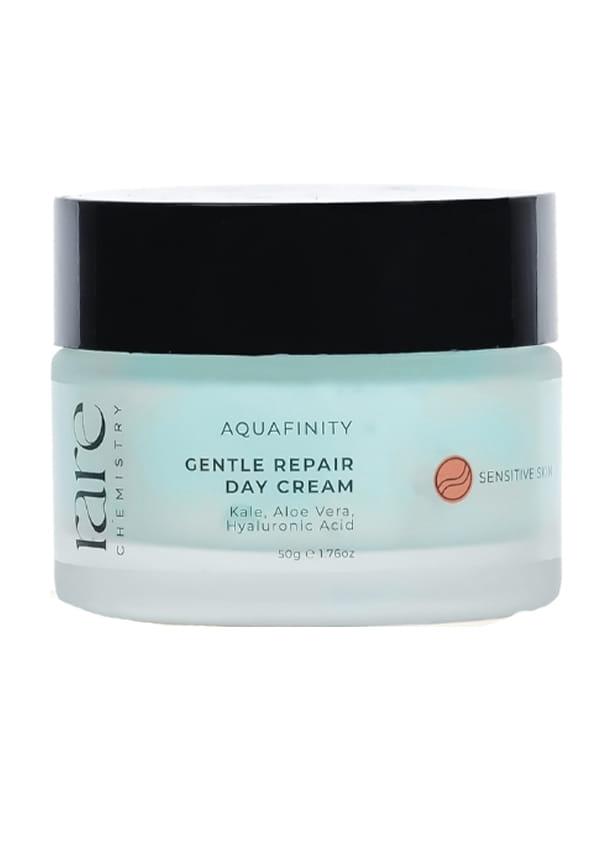
Aquafinity Gentle Repair Day Cream
Good Product
5“product is good product is good”
Exercise boosts circulation, which helps deliver nutrients to your skin. But post-workout care is crucial—shower with lukewarm water and moisturise immediately. Don't let sweat sit on your skin, as it can be irritating when your barrier is already compromised.
Start with gentle cleansing and immediate moisturising while your skin is still damp. Use heavier, cream-based products rather than lightweight lotions. Add a humidifier to your environment and consider layering hydrating products for extra moisture.
This Korean technique involves applying multiple thin layers of hydrating toner or essence to build up moisture gradually. Use 3-7 layers of a lightweight, alcohol-free hydrating product, patting each layer in before applying the next.
With consistent care, you should see improvement within a week, but full barrier repair can take 2-4 weeks. Severely damaged skin might need 6-8 weeks of dedicated treatment to fully recover.
It's rare but possible. Signs include clogged pores, milia (tiny white bumps), or skin that feels constantly greasy. If this happens, reduce the amount of product rather than skipping moisturiser entirely.
Cracking happens when skin becomes so dry that it loses flexibility. Prevent it by maintaining consistent moisture levels, using occlusive products on vulnerable areas like hands and heels, and avoiding hot water which strips natural oils.
Gentle exfoliation once or twice a week can help remove dead skin cells that block moisturiser absorption. Use chemical exfoliants like lactic acid rather than harsh scrubs, and always follow with a rich moisturiser.
Winter dry skin repair isn't about finding one miracle product—it's about understanding what your skin actually needs and being consistent with your approach. Your skin barrier takes time to rebuild, so patience is key. The most effective approach combines the right products with environmental changes and lifestyle adjustments. Whether you're dealing with mild dryness or severe cracked skin treatment needs, starting with gentle care and building up is always better than going too hard too fast. With over 25 million users trusting Smytten's curated approach to skincare discovery, you're not alone in figuring out what works for your unique skin needs. The platform's trial system means you can explore different brands and formulations without the commitment, making it easier to find your perfect winter skincare routine. After all, why settle for maybe when you can try it all and find what actually works for your skin?
