Winter Dry Skin: Your Complete Cream Guide


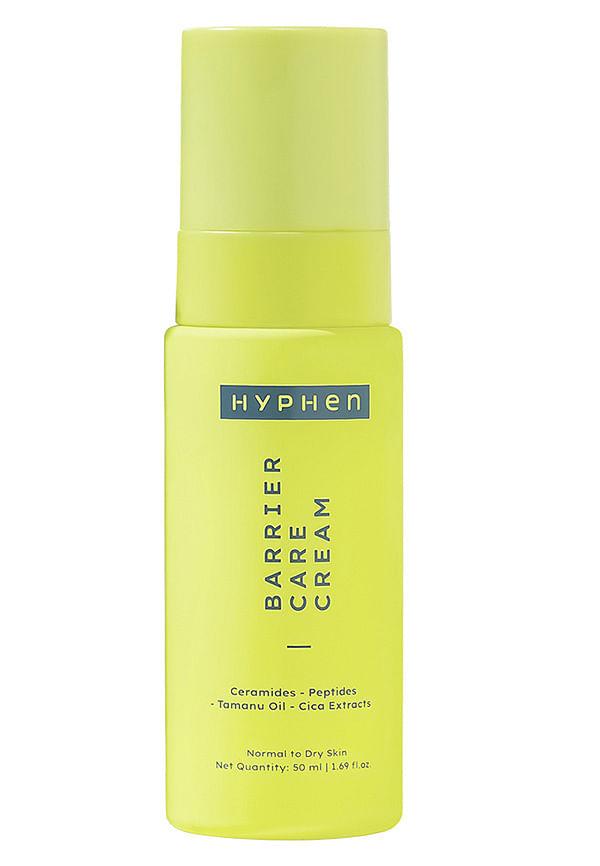
Barrier Care Cream - Normal To Dry Skin
Skin became fair and glowing
 5
5“All its products are very good, my skin has become very fair and glowing.”
Skin became fair and glowing
5“All its products are very good, my skin has become very fair and glowing.”
Skin became fair and glowing
5“All its products are very good, my skin has become very fair and glowing.”
Winter's here, and your skin's probably already sending SOS signals. That tight, flaky feeling after stepping out of a hot shower? The way your usual moisturiser suddenly feels like it's doing absolutely nothing? Real talk—winter doesn't mess around when it comes to wreaking havoc on your skin. The good news is that finding the best creams for dry skin in winter doesn't have to be a guessing game. Whether you're dealing with mild dryness or full-on desert vibes, the right cream can transform your skin from parched to perfectly hydrated. Let's dive into everything you need to know about keeping your skin happy when the temperature drops.
Let's get real about what winter actually does to your skin. When temperatures plummet, humidity levels drop dramatically—sometimes by as much as 50%. Your skin, which relies on environmental moisture to stay plump and healthy, suddenly finds itself in survival mode. The cold air outside strips away your skin's natural oils, whilst indoor heating systems work overtime to zap any remaining moisture from the air.
Your skin barrier—that protective layer made up of lipids and proteins—starts breaking down under this double assault. Think of it like a brick wall where the mortar between the bricks begins to crumble. Water escapes more easily, irritants get in more readily, and you're left with that uncomfortable tight feeling that no amount of regular moisturiser seems to fix. This is where dry skin relief becomes absolutely essential, and why your summer skincare routine simply won't cut it anymore.
Your skin will tell you when it needs more help. Look out for persistent flakiness, especially around your nose and mouth. If you're applying moisturiser but still feeling tight within an hour, that's a clear sign you need something more intensive. Itchiness, rough patches, and that uncomfortable pulling sensation when you smile are all red flags that your current winter skincare routine needs an upgrade.
Not all moisturisers are created equal, especially when you're battling winter dryness. The most effective hydrating creams work on multiple levels, combining different types of ingredients to tackle dryness from every angle. Understanding these ingredients helps you make smarter choices and avoid products that promise the world but deliver very little.
The holy trinity of winter moisturising includes humectants, emollients, and occlusives. Each plays a specific role in keeping your skin hydrated and comfortable throughout the colder months.
Hyaluronic acid is the superstar here—it can hold up to 1,000 times its weight in water. Glycerin is another powerhouse that draws moisture from the environment into your skin. These ingredients work like tiny moisture magnets, pulling hydration from the air and deeper layers of your skin to the surface.
Ceramides are essential for skin barrier repair, literally filling in the gaps between skin cells. Shea butter provides rich emollient properties whilst fatty acids help restore your skin's natural protective layer. These ingredients don't just moisturise—they actively repair and strengthen your skin's defences against winter's harsh conditions.
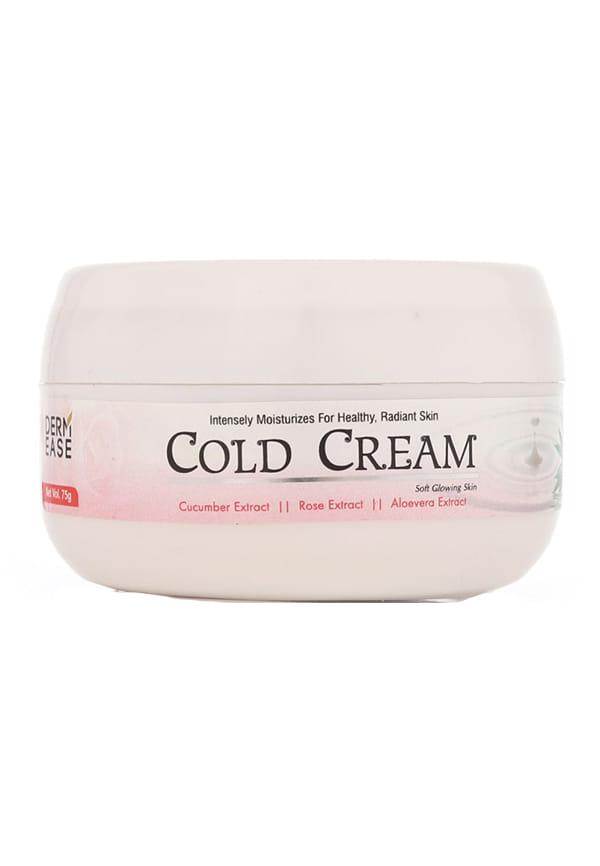
COLD CREAM
Positive Product Experience
4“nice in splashing, I love to use regularly”
Your face needs special attention during winter months. The skin here is thinner and more delicate, making it particularly vulnerable to environmental damage. The best moisturisers for dry skin on your face should be rich enough to provide serious hydration but lightweight enough not to clog pores or feel heavy under makeup.
Look for formulations that combine multiple hydrating technologies. The most effective products layer different molecular weights of hyaluronic acid, include barrier-repairing ceramides, and add soothing ingredients to calm any irritation caused by winter weather.
Non-comedogenic formulas are essential if you're prone to breakouts. Even dry skin can develop congestion when heavy creams block pores. Fast-absorbing textures work best for morning application under makeup, whilst richer formulations are perfect for overnight repair. Skincare for sensitive skin should always be fragrance-free and include calming ingredients like niacinamide or panthenol.
Your body can handle—and often needs—richer formulations than your face. The skin on your arms, legs, and torso is thicker and can benefit from more occlusive ingredients that might feel too heavy on facial skin. Intense hydration cream formulations for the body often include ingredients like petrolatum or mineral oil, which create a protective barrier to prevent water loss.
The key to effective body moisturising in winter is timing. Apply your cream to slightly damp skin immediately after showering. This technique, called wet skin moisturising, helps lock in the water from your shower whilst the cream creates a protective seal over the top.
Don't just slap on cream and hope for the best. Use upward strokes on your legs and arms, and pay extra attention to areas that tend to get driest—elbows, knees, and heels. These areas have fewer oil glands and need more intensive care during winter months.
If you're dealing with eczema or particularly sensitive skin, winter can feel like a nightmare. The combination of cold air, low humidity, and indoor heating can trigger flare-ups that leave your skin red, itchy, and uncomfortable. Creams for eczema need to be more than just moisturising—they need to actively calm inflammation and support your skin's healing process.
Look for products specifically formulated for sensitive skin conditions. These typically avoid common irritants like fragrances, dyes, and harsh preservatives. Instead, they focus on gentle, proven ingredients that provide relief without causing further irritation.
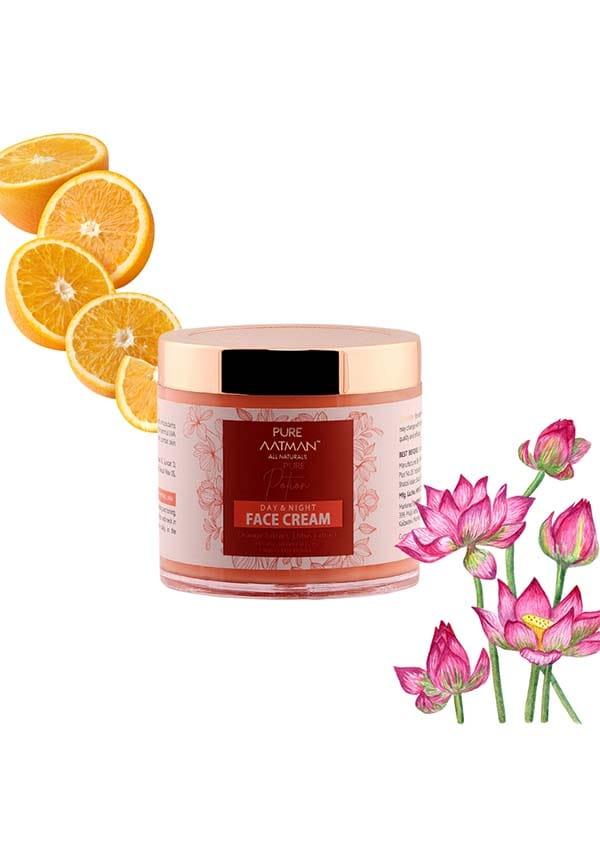
Best Moisturizer For Dry Skin Day & Night Cream
If your dry skin doesn't improve with over-the-counter soothing creams for dry skin, or if you're experiencing persistent itching, redness, or cracking, it's time to consult a dermatologist. Sometimes what looks like simple winter dryness is actually a skin condition that needs professional treatment.
Even the best cream won't work if you're not applying it correctly. The most effective dry skin solutions involve more than just the product—technique and timing matter just as much. The golden rule for winter moisturising is to apply to damp skin. This helps trap water molecules and gives your moisturiser something to work with.
Layer your products strategically. If you're using a serum, apply it first to clean, damp skin, then follow with your moisturiser whilst the serum is still slightly wet. This layering technique helps each product work more effectively and provides multiple levels of hydration.
Your morning routine should focus on protection and preparation for the day ahead. Use a lighter moisturiser that absorbs quickly and won't interfere with makeup application. Evening routines can be more intensive—this is when you can use richer formulations that work overnight to repair and restore your skin.
You don't need to spend a fortune to find effective winter skincare. Some of the most recommended products by dermatologists are surprisingly affordable. The key is understanding what ingredients work and looking for products that deliver these in effective concentrations.
However, sometimes investing in a premium formulation makes sense, especially if you have specific skin concerns or sensitivities. Premium products often use higher-quality ingredients, more sophisticated delivery systems, and undergo more extensive testing. The trick is knowing when the extra cost is worth it for your specific needs.
This is where platforms like Smytten become invaluable. As India's largest product discovery and trial platform, Smytten lets you explore products from over 1,500 trusted brands before committing to full-size purchases. You can try mini versions of different moisturisers to see what works for your skin, making it easier to find your perfect winter cream without the guesswork or expensive mistakes.
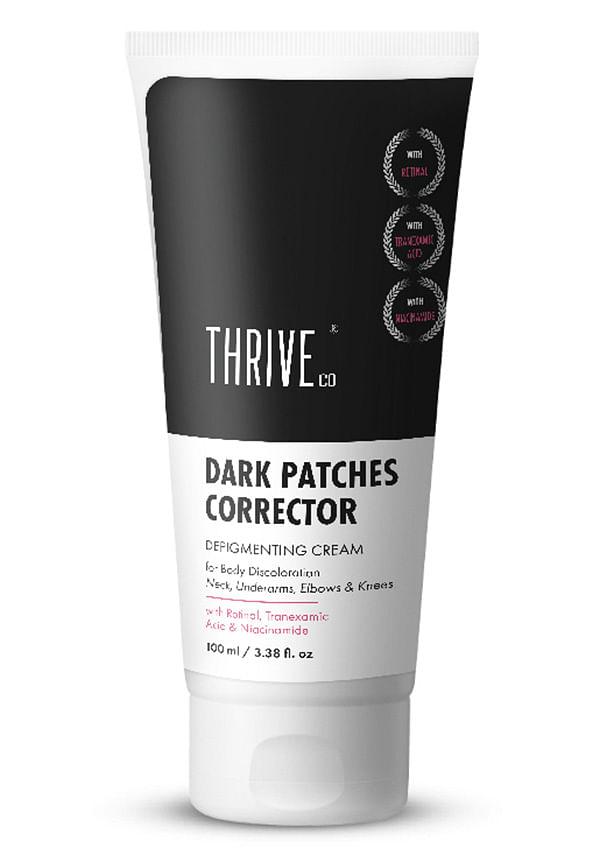
Dark Patches Corrector
Magic Underarm Treatment
5“it's magic. I don't know how but after using it everyday my dark underams vanished. really recommend it”
Magical Skincare Product
5“it was such a magical product 👍🏻good product in skincare”
Positive Product Review
5“Good product”
Look for rich formulations with ceramides, hyaluronic acid, and barrier-repair ingredients. Products containing multiple types of moisturising agents work best for winter conditions. The key is finding something that provides lasting hydration without feeling heavy or greasy.
A combination approach works best: use a humidifier to add moisture to your environment, apply moisturiser to damp skin, and choose products with occlusive ingredients like shea butter or ceramides. Consistency in your routine is just as important as the products you choose.
Top dermatologist-recommended brands include CeraVe, Cetaphil, Bioderma, and Physiogel for their proven barrier-repair formulations. However, the best brand for you depends on your specific skin type and concerns. Trial-sized products help you test different brands before investing in full sizes.
Yes, facial skin is more delicate and may need lighter, non-comedogenic formulas, whilst body skin can handle richer, more occlusive creams. The skin thickness and oil production vary significantly between these areas, so targeted products work more effectively.
Apply immediately after showering or washing to damp skin, and reapply as needed throughout the day, especially to hands and exposed areas. Your skin will tell you when it needs more—listen to those signals rather than sticking to a rigid schedule.
Most people need to switch to richer formulations in winter. Your summer moisturiser might not provide enough protection against cold air and low humidity. Consider having separate products for different seasons, or at least supplementing your regular moisturiser with additional hydrating products during winter months.
Finding the right winter moisturiser doesn't have to be overwhelming. Focus on products that combine humectants, emollients, and occlusives for comprehensive hydration. Pay attention to how your skin responds and adjust your routine accordingly—what works for your friend might not work for you, and that's perfectly normal.
Remember that consistency matters more than perfection. A good moisturiser used regularly will always outperform an expensive cream used sporadically. With Smytten's trial options, you can explore different formulations from trusted brands like Cetaphil, Dot & Key, and others without committing to full sizes. This approach lets you build a winter skincare routine that actually works for your unique needs, ensuring you never have to settle for less than perfect hydration. After all, why settle for 'maybe' when you can try it all and find what truly works for your skin?
