Wind Burn on Skin During Treks: Your FAQ Answered


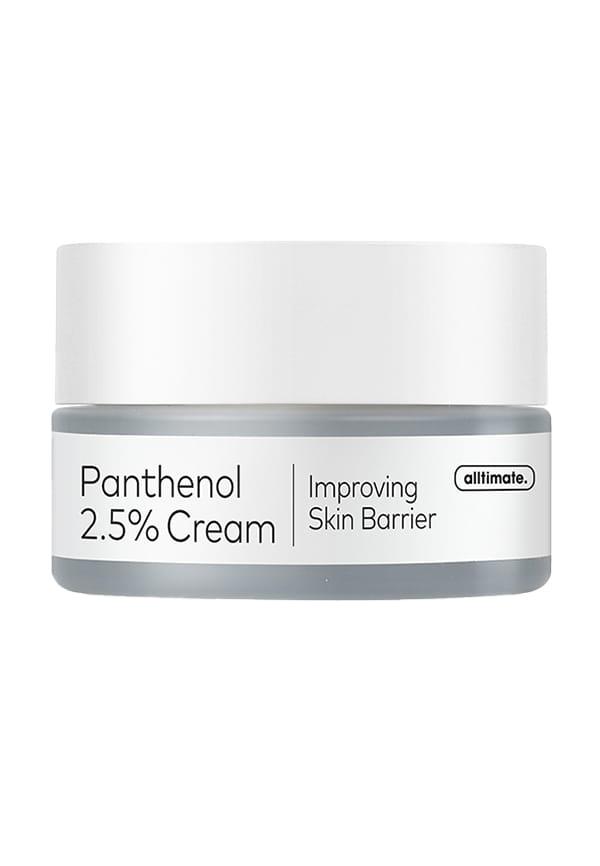
Alltimate Panthenol 2.5% Cream
That stinging sensation on your cheeks after a day on the mountain isn't just from the cold. You've just experienced wind burn, one of the most overlooked skin concerns for trekkers and mountaineers. Unlike sunburn, which gets all the attention, wind burn sneaks up quietly, leaving your skin red, raw, and painfully tight. Real talk: most hikers don't realise they're dealing with wind damage until they're back at base camp, wondering why their face feels like it's been sandpapered. Understanding what wind burn actually is and how to prevent it can save your skin from serious damage during mountain adventures.
Wind burn occurs when cold, dry air strips away your skin's natural moisture barrier, leaving it dehydrated and inflamed. Unlike sunburn, which results from UV radiation damage, wind burn is purely mechanical - the constant flow of air literally pulls moisture from your skin cells. Your skin will notice the difference immediately: wind burn feels tight and stinging, whilst sunburn tends to throb with heat.
Mountain environments create the perfect storm for wind burn development. At higher altitudes, the air becomes thinner and drier, whilst wind speeds increase dramatically. The combination of low humidity, temperature drops, and constant air movement creates conditions that can strip your skin's protective barrier within hours. Add in the reflective properties of snow and rock, and you're facing a double threat of wind and reflected UV exposure.
Many trekkers mistakenly assume their red, irritated skin is just sunburn with a different name. However, wind burn and sunburn affect different layers of skin and require different treatment approaches. Wind burn primarily damages the outermost layer through dehydration, whilst sunburn penetrates deeper with cellular damage from UV radiation.
The first signs of wind burn often appear as a bright red flush across exposed areas, particularly your cheeks, nose, and forehead. Unlike the gradual onset of sunburn, wind burn symptoms can develop within hours of exposure. Your skin feels tight, almost like it's been stretched too thin, accompanied by a burning or stinging sensation that intensifies when you touch the affected area.
Chapped skin on your lips and around your eyes typically appears first, as these areas have thinner skin with less natural oil protection. Your hands, especially if you're not wearing gloves consistently, may develop a rough, sandpaper-like texture. The skin might feel hot to the touch, but unlike sunburn, there's usually no warmth radiating from deeper tissue layers.
Severe outdoor skin damage requires immediate attention. If your skin develops blisters, starts peeling extensively, or becomes so painful that it interferes with basic activities like eating or sleeping, you're dealing with more than surface irritation. Swelling around the eyes or lips, especially if accompanied by difficulty breathing, indicates a serious reaction that needs medical intervention.
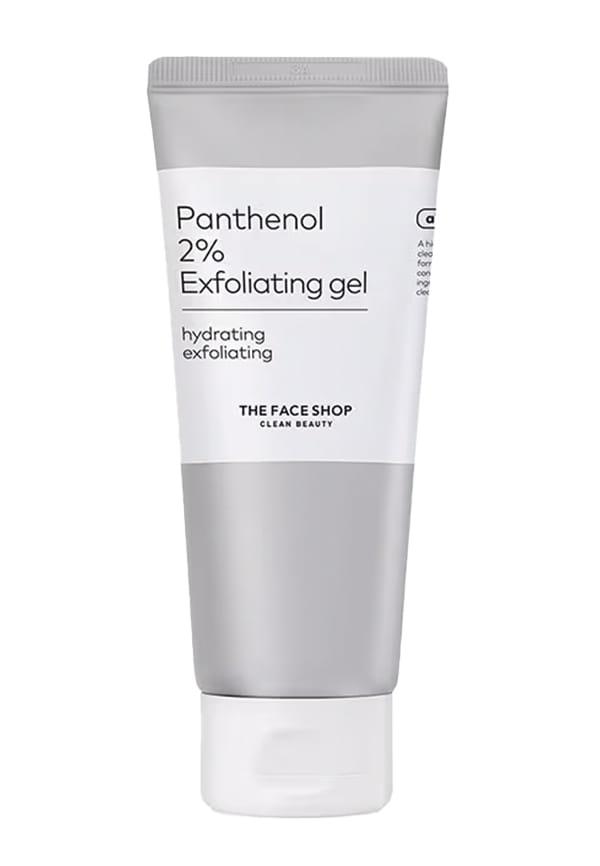
Alltimate Panthenol 2% Exfoliating Gel
Effective windburn prevention starts before you even lace up your hiking boots. Two to three days before your trek, begin building up your skin's moisture barrier with intensive hydration. Look for moisturisers containing ceramides and hyaluronic acid, which help strengthen your skin's natural protective function.
On the trail, your trekking skincare routine should focus on creating physical barriers against wind exposure. Apply a thick, occlusive moisturiser first, then layer a petroleum-based ointment over high-risk areas like your cheeks, nose, and lips. This two-step approach provides both hydration and wind protection.
Your clothing choices play a crucial role in skin protection hiking. A balaclava or buff can shield your face during particularly windy sections, whilst wraparound sunglasses protect the delicate skin around your eyes. Don't forget about your hands - lightweight liner gloves under your main gloves prevent that raw, chapped feeling that develops from constant gear handling.
Reapplication timing matters more than most trekkers realise. In harsh conditions, reapply your protective layers every two to three hours, or immediately after sweating heavily or wiping your face. The key is maintaining that barrier before your skin starts feeling tight or uncomfortable.
When wind burn strikes during your trek, immediate action can prevent the damage from worsening. Stop and find shelter from the wind, even if it's just ducking behind a large rock or tree. Apply a thick layer of petroleum jelly or healing ointment to affected areas, focusing on creating an immediate moisture barrier.
Your trail first aid kit should include gentle, fragrance-free products specifically for treating windburn. Avoid anything with alcohol, menthol, or strong fragrances, as these can further irritate already damaged skin. Cool water can provide temporary relief, but avoid ice or extremely cold applications that might cause additional tissue damage.
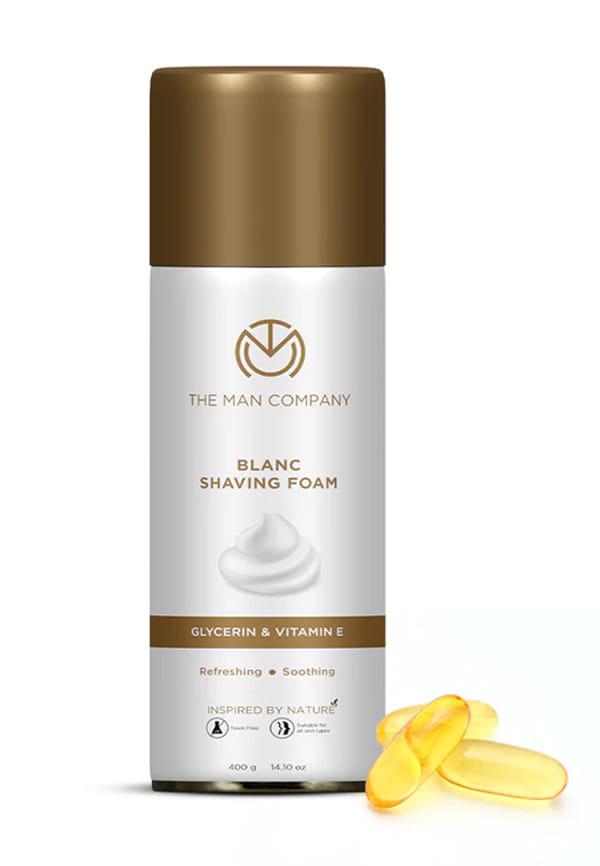
Blanc Shaving Foam | Glycerin & Vitamin E
Once you're back from your mountain adventure, resist the urge to scrub away the day's grime immediately. Use lukewarm water and a gentle, non-foaming cleanser to avoid further irritating wind-damaged skin. Pat dry rather than rubbing, then apply a thick, healing moisturiser whilst your skin is still slightly damp to lock in hydration.
Recovery from severe wind burn typically takes three to seven days, depending on the extent of damage. During this time, avoid exfoliating products, retinoids, or anything that might increase skin sensitivity. If blistering occurs or pain persists beyond a week, consult a healthcare provider to rule out infection or more serious skin damage.
High-altitude trekking presents unique challenges for mountain skin protection. Above 3,000 metres, UV radiation increases significantly whilst humidity drops to desert-like levels. Your skin faces the double threat of intense sun and wind exposure, requiring more aggressive protection strategies than lower-altitude hikes.
Winter mountaineering demands the most comprehensive approach to skin protection hiking. Cold temperatures reduce your skin's natural oil production, whilst snow reflection can intensify both UV and wind effects. Layer your protection: start with a hydrating serum, add a rich moisturiser, then top with a wind-resistant barrier cream or ointment.
Extended mountain expeditions require consistent skincare maintenance to prevent cumulative damage. Pack travel-sized versions of your essential products, and establish a routine for morning protection and evening repair. Your skin's needs may change as you acclimatise to altitude and weather conditions, so be prepared to adjust your routine accordingly.
Layer thick moisturisers under petroleum-based barriers, use physical protection like balaclavas or buffs, and reapply protection every 2-3 hours in harsh conditions. Focus on high-risk areas like your face, lips, and hands, and don't forget to protect the often-overlooked areas around your eyes and ears.
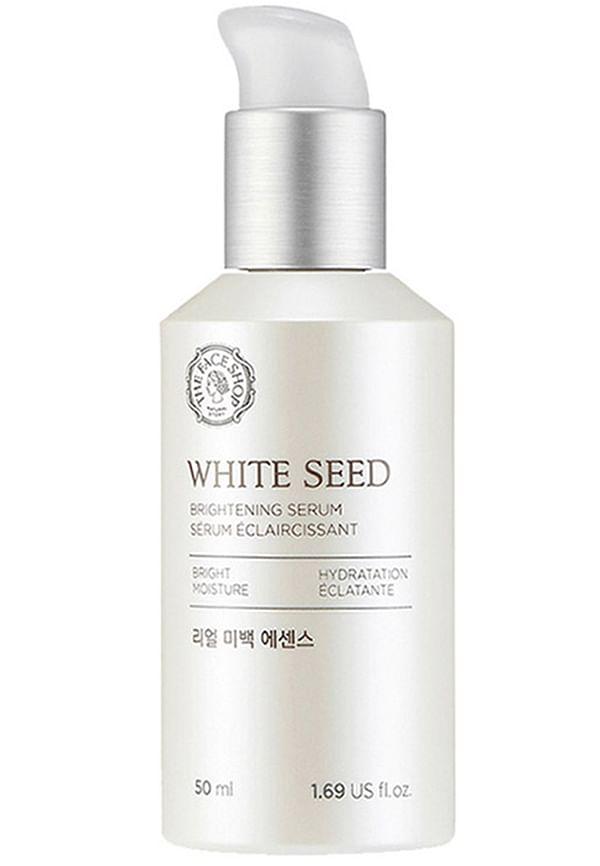
Niacinamide, Hyaluronic Acid With White Seed Serum
Yes, petroleum-based products like Vaseline create effective moisture barriers that can both prevent and treat wind burn. Apply over a moisturiser for best results. If you find Vaseline too greasy, look for lighter petroleum-based alternatives or thick, occlusive creams that provide similar protection without the heavy feel.
Look for healing ointments containing panthenol and glycerin, which provide both moisture and anti-inflammatory benefits. Thick, fragrance-free moisturisers work well for immediate relief. Avoid products with parabens, alcohol, or strong fragrances that might further irritate damaged skin.
Start with gentle cleansing using lukewarm water and a mild cleanser, then apply intensive moisturising treatments. Cool compresses can provide immediate relief for severe inflammation. Most wind burn heals within 3-7 days with proper care, but severe cases may take longer and might require medical attention.
Immediate care involves creating moisture barriers with thick ointments or petroleum jelly. For long-term healing, use gentle, fragrance-free moisturisers with ingredients like ceramides and hyaluronic acid. Avoid picking at peeling skin, and protect healing areas from further wind exposure during recovery.
Understanding and preventing wind burn transforms your mountain experiences from painful endurance tests into enjoyable adventures. Your skin deserves the same careful planning you give to your gear selection and route planning. The key lies in preparation, consistent protection, and immediate response when damage occurs.
Worth adding to your routine: a comprehensive skincare approach that addresses both prevention and treatment. Whether you're planning a day hike or a multi-week expedition, protecting your skin from wind burn ensures you can focus on the incredible views rather than stinging, damaged skin.
For those looking to build a mountain-ready skincare arsenal, Smytten's curated selection includes gentle cleansers, intensive moisturisers, and healing treatments from trusted brands. With over 28 million users discovering products through trial-sized options, you can test different formulations to find what works best for your skin before committing to full-size products for your next mountain adventure.
