Why Use Sunscreen Daily? Your FAQ Answered


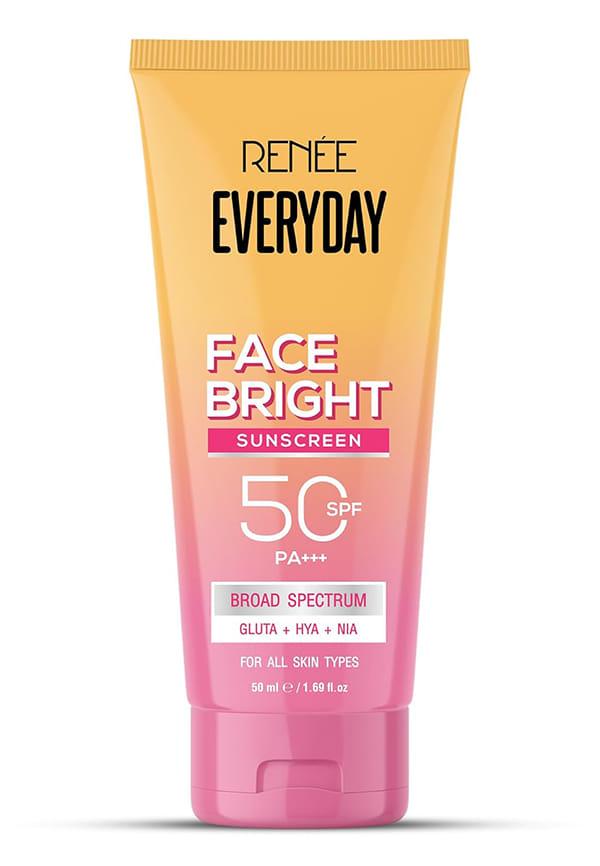
Everyday Face Bright Sunscreen
Highly Positive Product Feedback
 5
5“it's so good I love it so much”
Highly Positive Product Feedback
5“it's so good I love it so much”
Highly Positive Product Feedback
5“it's so good I love it so much”
You've probably heard it a thousand times: wear sunscreen every day. But when you're rushing through your morning routine or it's cloudy outside, that little voice whispers, "Do I really need it today?" The short answer is yes, and the reasons go far beyond preventing that painful lobster-red sunburn from your last beach holiday. Daily sun protection is one of the most powerful anti-ageing tools in your skincare arsenal, and understanding why can transform how you think about that morning SPF step.
Here's what many people don't realise: UV radiation reaches your skin every single day, regardless of weather or season. Those sneaky UVA rays penetrate through clouds and glass windows, whilst UVB rays are the ones responsible for sunburn. UVA rays dive deeper into your skin, breaking down collagen and elastin fibres that keep your skin firm and smooth. UVB rays primarily affect the surface, causing immediate damage like redness and burning.
Your skin has a memory, and it's keeping track of every unprotected moment. This cumulative damage builds up over years, eventually showing up as dark spots, wrinkles, and uneven texture. Even that quick dash to the corner shop or sitting by your office window exposes you to UV radiation that your skin will remember decades later.
Physical sunscreens containing zinc oxide or titanium dioxide sit on your skin's surface like tiny mirrors, reflecting UV rays away. Chemical sunscreens absorb UV radiation and convert it into heat, which your body then releases. Both types can offer excellent protection when you choose a broad-spectrum formula with SPF 30 or higher.
The benefits of making sunscreen a daily habit extend far beyond basic sun protection. Here's what consistent daily use can do for your skin over time.
Regular sunscreen use can reduce your risk of developing squamous cell carcinoma by about 40% and melanoma by 50%. These aren't just statistics – they represent real protection for your future self. Skin cancer rates have been climbing steadily, making daily prevention more crucial than ever.
About 80% of visible facial ageing comes from sun exposure, not the natural ageing process. Photoageing breaks down the collagen and elastin that keep your skin plump and smooth. People who use sunscreen daily show significantly less skin ageing over time compared to those who don't. Think of sunscreen as your daily time machine, slowing down the clock on your skin.
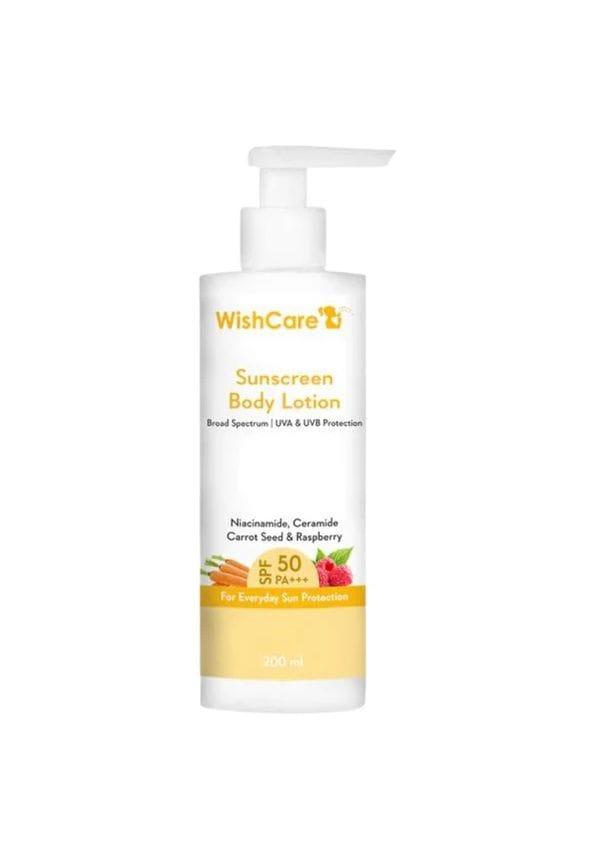
SPF50 Sunscreen Body Lotion - Broad Spectrum - UVA & UVB Protection
Loved Smell and Sun Protection
5“Loved it and it's smell It really works in sun protection”
Loved Smell and Sun Protection
5“Loved it and it's smell It really works in sun protection”
Favorite Sunscreen Lotion
5“this is very good sunscreen body lotion it's my favorite lotion”
Those stubborn dark spots and patches of hyperpigmentation often come from UV exposure triggering excess melanin production. Daily sunscreen prevents new spots from forming and stops existing ones from getting darker. If you're dealing with melasma or post-acne marks, sunscreen isn't optional – it's essential for preventing them from worsening.
UV radiation causes inflammation that weakens your skin's protective barrier. This leads to increased sensitivity, redness, and moisture loss. Daily sun protection helps maintain your skin's integrity, keeping it resilient and better able to defend against environmental stressors.
Beyond UV rays, many modern sunscreens also offer protection against blue light from screens and environmental pollutants. Whilst the jury's still out on blue light's long-term effects, protecting your skin from multiple sources of damage makes sense in our screen-heavy world.
Knowing you should wear sunscreen daily is one thing; doing it properly is another. The effectiveness of your sun protection depends heavily on how you apply and maintain it throughout the day.
Most people use far too little sunscreen. For your face and neck, you need about a quarter teaspoon – roughly the amount that would fit on three fingers. Don't forget often-missed spots like your ears, the back of your neck, and around your eyes. Apply sunscreen as the last step in your skincare routine, before makeup.
Apply sunscreen 15-30 minutes before sun exposure to give it time to bind to your skin. The golden rule is reapplication every two hours, but if you're mostly indoors, morning application with a touch-up at lunch often suffices. If you're wearing makeup, consider a powder sunscreen for easy reapplication.
Look for broad-spectrum protection with at least SPF 30. If you have oily or acne-prone skin, seek out non-comedogenic formulas that won't clog pores. Dry skin benefits from sunscreens with added moisturising ingredients like hyaluronic acid or ceramides. Sensitive skin often responds well to mineral sunscreens with zinc oxide or titanium dioxide.
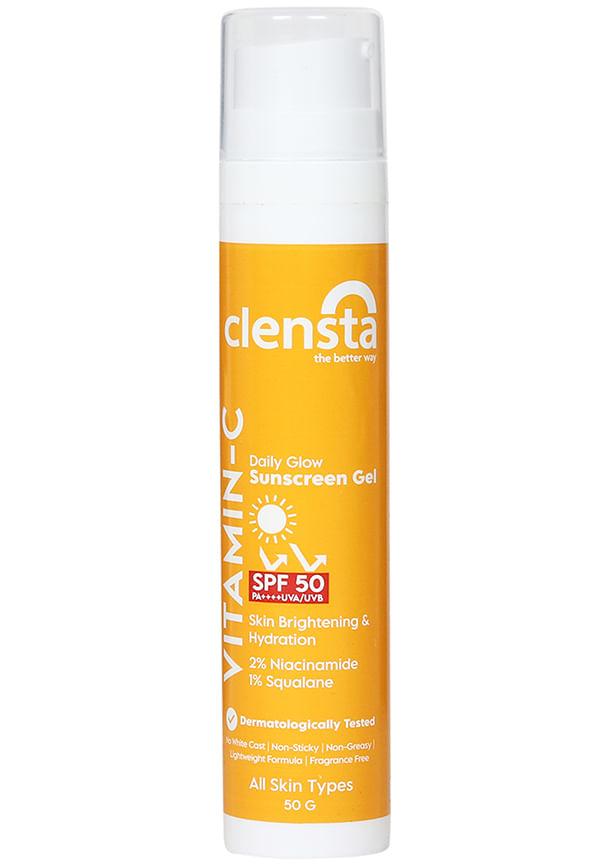
Daily Glow Sunscreen Gel SPF 50 PA++++ with Vitamin C, Niacinamide and Squalane, UVA/UVB Filters
Really Good Product, Soft and Radiance
5“product is really good u should buy the product and it so soft m radiance to the skin it is really good product”
Let's tackle the most frequent worries people have about daily sunscreen use, because understanding these concerns helps you make informed decisions about your skin health.
Many people worry that daily sunscreen will lead to vitamin D deficiency. Whilst sunscreen does reduce vitamin D synthesis, most dermatologists recommend getting vitamin D from food sources or supplements rather than unprotected sun exposure. The skin cancer risks simply outweigh the vitamin D benefits when it comes to deliberate sun exposure.
Some people experience breakouts or irritation from certain sunscreen ingredients. Chemical filters like avobenzone or octinoxate can cause reactions in sensitive individuals. If you experience irritation, try switching to a mineral sunscreen with zinc oxide or titanium dioxide, which are generally gentler on reactive skin.
Quality sunscreen might seem expensive upfront, but consider it an investment in your future skin health. The cost of daily sunscreen over a year is significantly less than a single professional treatment for sun damage, hyperpigmentation, or premature ageing.
Your sunscreen needs might vary depending on your daily routine, but the principle remains the same: consistent protection is key to long-term skin health.
Even if you spend most of your day indoors, you're still exposed to UV radiation through windows, especially if you sit near one. UVA rays penetrate glass, so that sunny office spot might be ageing your skin without you realising it. A lightweight, broad-spectrum SPF 30 applied once in the morning often provides adequate protection for indoor days.
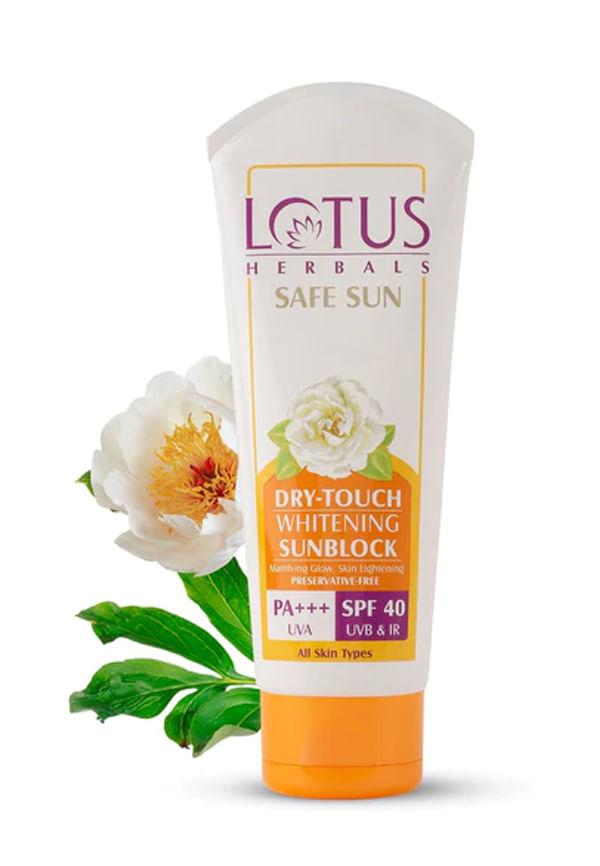
Safe Sun Dry-Touch Whitening Sunscreen SPF 40 PA+++
Nice product, love it
5“nice product i love this so much”
All-day Sun Protection
4“It's sun protection for all the day”
Highly Recommended
4“Love it....would recommend to other”
If your lifestyle involves regular outdoor activities, you'll need more robust protection. Look for water-resistant formulas that can withstand sweat and activity. Consider higher SPF levels (50+) and don't forget to reapply more frequently, especially after swimming or heavy sweating.
Yes, UV radiation is present year-round, and snow can actually reflect up to 80% of UV rays, increasing your exposure. Winter sun can be particularly deceptive because you don't feel the heat, but the UV damage is still occurring. Many people are surprised to get sunburned whilst skiing or during winter outdoor activities.
Dermatologists recommend at least SPF 30 for daily use. SPF 30 blocks about 97% of UVB rays, whilst SPF 50 blocks about 98%. The difference isn't huge, but SPF 30 is considered the minimum for adequate protection. Higher SPFs can be beneficial if you'll be outdoors for extended periods.
Sunscreen prevents existing hyperpigmentation from getting worse and stops new spots from forming, but it won't fade existing damage on its own. Think of sunscreen as the foundation of any hyperpigmentation treatment – without it, other treatments like vitamin C or retinoids won't be as effective because new damage will keep occurring.
Apply sunscreen as the last step in your morning skincare routine, after moisturiser but before makeup. If you're using active ingredients like retinoids or AHAs, sunscreen becomes even more critical because these ingredients can increase sun sensitivity.
Not if you choose the right formula for your skin type. Look for products labelled "non-comedogenic" and consider your skin's specific needs. Oily skin often benefits from gel or fluid formulations, whilst dry skin can handle creamier textures. Proper cleansing at night is also important to remove sunscreen buildup.
Making sunscreen a daily habit is one of the most effective things you can do for your skin's long-term health and appearance. The benefits compound over time – every day you protect your skin is a day you're preventing future damage, ageing, and health risks. Start with finding a formula you actually enjoy wearing, because the best sunscreen is the one you'll use consistently.
Remember, skincare is a journey, and daily sun protection is your most reliable companion along the way. Whether you're just starting to build a routine or looking to upgrade your current protection, Smytten's curated selection includes trusted sunscreen options from brands you can rely on. With over 28 million users discovering their perfect products, you're in good company when you prioritise your skin's daily protection.
