Why Use Daily Moisturizer? Your Skincare Questions Answered

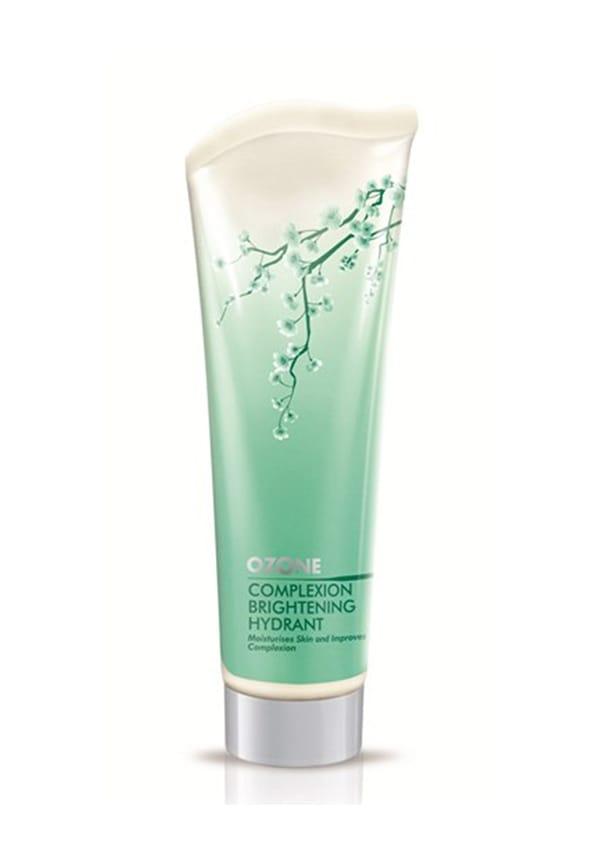
Complexion Brightening Hydrant
You've just finished your evening skincare routine, but as you reach for your moisturiser, a nagging question pops up: do I really need this every single day? With your skin feeling fine most of the time, it's tempting to skip this step. But here's the thing—your skin is constantly working to protect you, and without proper hydration, that protective barrier starts to weaken. Whether you're dealing with unexpected dryness from air conditioning, post-cleansing tightness, or just want to maintain that healthy glow, understanding why daily moisturising matters can transform how your skin looks and feels.
Your skin is essentially a living barrier that works around the clock to protect you from the outside world. This barrier, made up of skin cells and natural lipids, relies on proper hydration to function effectively. When you skip moisturiser, you're leaving this barrier vulnerable to damage and dehydration.
The process called transepidermal water loss happens naturally throughout the day—your skin constantly loses moisture to the environment. Without a moisturiser to help seal in hydration, this water loss accelerates, leaving your skin tight, flaky, or irritated. Think of it like leaving a window open during winter; your heating works overtime to compensate for the constant heat loss.
Environmental factors make this worse. Air conditioning, heating, pollution, and even hot showers strip away your skin's natural protective oils. Your skin produces natural moisturising factors—compounds like amino acids and ceramides that help retain water—but these aren't always enough to combat daily environmental stress.
Clinical research consistently shows that regular moisturiser use improves skin barrier function within just a few weeks. Your skin becomes more resilient, less reactive, and better able to maintain its natural balance. This isn't just about comfort; it's about giving your skin the tools it needs to protect you effectively.
The benefits of moisturiser extend far beyond just preventing dryness. When you make daily moisturising a habit, you're investing in your skin's long-term health and appearance.
Strengthens your skin's protective barrier: A good moisturiser reinforces your skin's natural defences, making it less susceptible to irritation and environmental damage. This is particularly important if you use active ingredients like retinol or acids, which can temporarily compromise your barrier.
Prevents premature ageing and fine lines: Dehydrated skin shows signs of ageing more quickly. When your skin is properly moisturised, it appears plumper and smoother, reducing the appearance of fine lines and preventing new ones from forming.
Reduces inflammation and irritation: Many moisturisers contain anti-inflammatory ingredients that calm redness and sensitivity. Even if you don't have sensitive skin, daily moisturising helps prevent irritation before it starts.
Promotes faster cell turnover: Hydrated skin sheds dead cells more efficiently, revealing fresh, healthy skin underneath. This natural exfoliation process keeps your complexion bright and even.
Maintains optimal skin pH balance: Your skin's natural pH is slightly acidic, which helps protect against harmful bacteria. Many moisturisers help maintain this balance, supporting your skin's natural protective mechanisms.
Protects against environmental damage: A good moisturiser creates a protective layer that shields your skin from pollutants, wind, and other environmental stressors throughout the day.
Improves overall skin texture and appearance: Regular moisturising leads to smoother, softer skin with a healthy glow. Your makeup applies better, and your skin feels more comfortable throughout the day.
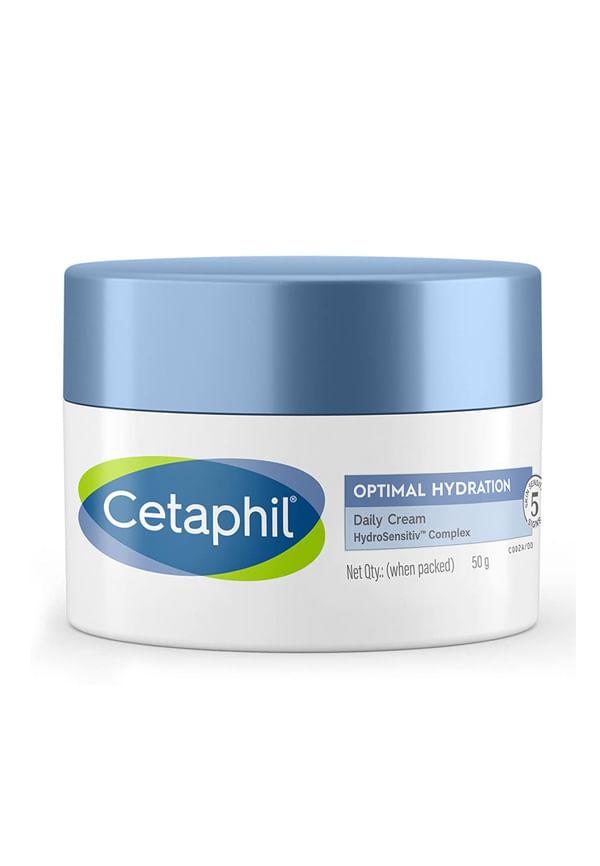
Optimal Hydration Daily Cream
Not all moisturisers are created equal, and finding the right one for your skin type makes all the difference. Understanding the different types of moisturisers available helps you make an informed choice that works with your skin, not against it.
Moisturiser for dry skin typically comes in richer formulations like creams or balms. Look for ingredients like ceramides, hyaluronic acid, and natural oils that provide deep hydration and help repair your skin barrier. These formulations are thicker and take longer to absorb, but they provide long-lasting moisture.
For oily skin, lightweight, oil-free formulations work best. Gel-based moisturisers or water-based lotions provide hydration without clogging pores or adding unwanted shine. Ingredients like niacinamide and salicylic acid can help control oil production while keeping skin hydrated.
Moisturiser for sensitive skin should be fragrance-free and contain minimal ingredients to reduce the risk of irritation. Look for formulations with soothing ingredients like aloe vera, chamomile, or centella asiatica. Avoid products with alcohol, strong fragrances, or harsh preservatives.
Combination skin requires a strategic approach. You might need different products for different areas of your face, or a lightweight moisturiser that provides balanced hydration without overwhelming oily zones.
Creams are thicker and more occlusive, making them ideal for dry skin or nighttime use. Lotions are lighter and absorb more quickly, perfect for daily use or oily skin types. Serums provide concentrated hydration and work well under other moisturisers for extra hydration.
Day moisturisers often contain SPF and lighter formulations that work well under makeup. Night moisturisers tend to be richer and may contain active ingredients that work while you sleep. Some people prefer tinted moisturisers that combine hydration with light coverage and sun protection.
Understanding moisturiser ingredients helps you choose products that address your specific skin concerns. The most effective moisturisers combine different types of hydrating ingredients that work together to keep your skin healthy and comfortable.
Hyaluronic acid is perhaps the most famous humectant, capable of holding up to 1,000 times its weight in water. It draws moisture from the environment and deeper layers of skin to the surface, providing immediate plumping and hydration.
Glycerin is a gentle, effective humectant that works well for all skin types. It's less likely to cause irritation than some other humectants and provides consistent hydration throughout the day.
Sodium PCA is a natural component of your skin's moisture barrier. In moisturisers, it helps attract and retain water while supporting your skin's natural hydration mechanisms.
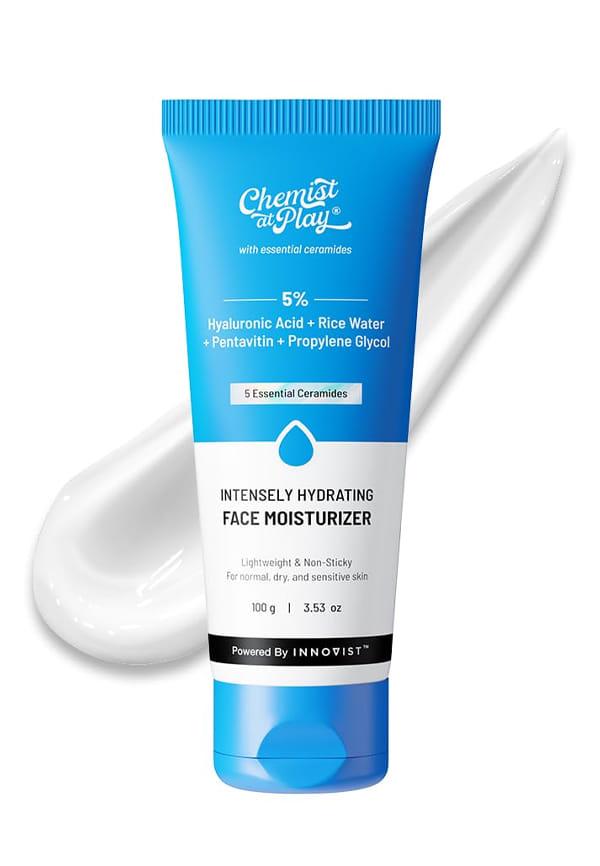
Intensely Hydrating Face Moisturizer
Ceramides are lipids that naturally occur in your skin barrier. When included in moisturisers, they help restore and maintain barrier function, making your skin smoother and more resilient.
Squalane is a lightweight oil that mimics your skin's natural sebum. It absorbs quickly without leaving a greasy residue and works well for all skin types, including acne-prone skin.
Natural oils like jojoba, argan, and rosehip provide nourishment and help soften skin. They're particularly beneficial for dry or mature skin that needs extra nourishment.
Petrolatum is one of the most effective occlusives, creating a protective barrier that prevents water loss. While some people find it too heavy for daily use, it's excellent for very dry skin or overnight treatments.
Dimethicone is a silicone that provides a lighter occlusive barrier. It helps smooth skin texture and creates a good base for makeup while preventing moisture loss.
Shea butter combines occlusive and emollient properties, providing both moisture retention and skin softening benefits. It's particularly good for dry or irritated skin.
Knowing how to apply moisturiser properly ensures you get maximum benefits from your product. The technique and timing of application can significantly impact how well your moisturiser works.
The 3-minute rule suggests applying moisturiser within three minutes of cleansing or showering, while your skin is still slightly damp. This timing helps trap water in your skin, making your moisturiser more effective. Your skin is like a sponge—when it's damp, it can hold more moisture than when it's completely dry.
This doesn't mean applying moisturiser to soaking wet skin, which can dilute the product. Instead, gently pat your skin with a towel to remove excess water, leaving it slightly damp before applying your moisturiser.
Use about a nickel-sized amount for your entire face and neck. Start by warming the product between your palms, then gently press it into your skin using upward motions. Don't forget your neck and décolletage—these areas are often neglected but show signs of ageing just as quickly as your face.
Use gentle, circular motions to massage the moisturiser into your skin, paying extra attention to dry areas like around your eyes and mouth. Avoid tugging or pulling at your skin, especially around the delicate eye area.
When layering with other products, apply moisturiser after serums but before SPF in your morning routine. In your evening routine, moisturiser typically goes on last, unless you're using a facial oil, which should be applied after moisturiser.
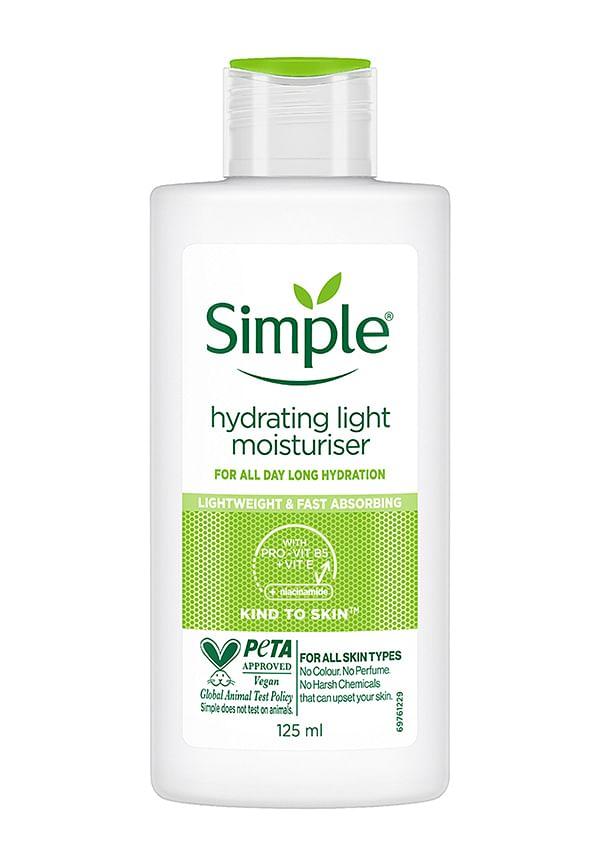
Kind To Skin Hydrating Light Moisturiser
Your morning hydrating skincare routine should focus on protection and preparation for the day ahead. Use a lighter moisturiser that absorbs quickly and works well under SPF and makeup. Look for formulations with antioxidants that help protect against environmental damage.
Evening application allows for richer, more intensive formulations. Your skin repairs itself overnight, so this is the perfect time to use moisturisers with active ingredients or heavier textures that might not work well during the day.
Seasonal adjustments are important too. You might need a lighter moisturiser in humid summer months and a richer one during dry winter weather. Pay attention to how your skin feels and adjust accordingly.
Yes, daily moisturiser use is essential for maintaining healthy skin barrier function. Your skin loses moisture continuously throughout the day, and skipping moisturiser can lead to dehydration, irritation, and premature ageing. Even oily skin benefits from daily moisturising, as dehydrated skin often overproduces oil to compensate for moisture loss.
Without daily moisturising, your skin barrier becomes compromised, leading to increased sensitivity, dryness, and irritation. You may notice tightness after cleansing, flakiness, or increased reactivity to other skincare products. Over time, this can accelerate signs of ageing and make your skin more susceptible to environmental damage.
While you can use the same moisturiser twice daily, many people benefit from different formulations for day and night. Morning moisturisers are typically lighter and may contain SPF, while evening moisturisers can be richer and contain active ingredients that work during your skin's natural repair cycle.
Allow 2-3 minutes for your moisturiser to absorb before applying SPF or makeup in the morning. In the evening, you can apply moisturiser immediately after serums, as the slight dampness can actually help with absorption. If using a facial oil, apply it after your moisturiser has fully absorbed.
Absolutely. Oily skin still needs hydration, and skipping moisturiser can actually make oiliness worse. When skin is dehydrated, it often overproduces oil to compensate. Choose a lightweight, oil-free formula that provides hydration without adding unwanted shine or clogging pores.
Daily moisturising isn't just a skincare step—it's an investment in your skin's long-term health and appearance. Whether you're dealing with dryness, sensitivity, or just want to maintain healthy skin, the right moisturiser used consistently can transform how your skin looks and feels.
The key is finding a formula that works with your skin type and lifestyle. Pay attention to how your skin responds and don't be afraid to adjust your routine seasonally or as your skin's needs change. Remember, the best daily face cream is the one you'll actually use every day.
Building a consistent hydrating skincare routine takes time, but the results are worth it. Your skin will thank you with improved texture, fewer signs of ageing, and that healthy glow that comes from properly hydrated, well-cared-for skin. If you're curious about trying different moisturisers to find your perfect match, Smytten's curated selection includes options from trusted brands like Cetaphil, Dot & Key, and WishCare. You can explore minis from these brands before committing to full-size products, making it easier to discover what works best for your unique skin needs.
