Why Pigmentation Occurs on Face: Your FAQ Answered


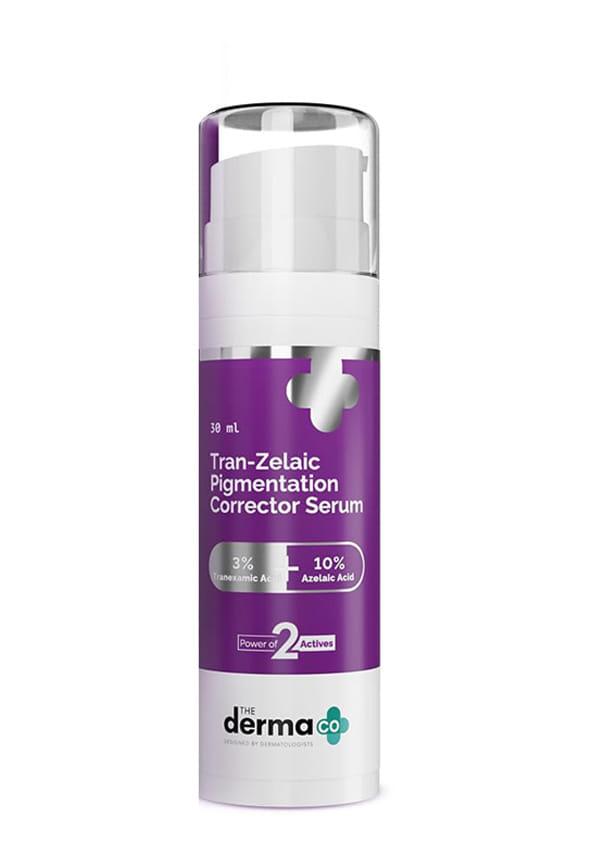
Tran-Zelaic Pigmentation Corrector Serum with Tranexamic Acid & Azelaic Acid
Light and Soothing on Skin
 5
5“no heaviness, very soothing on skin”
Light and Soothing on Skin
5“no heaviness, very soothing on skin”
Light and Soothing on Skin
5“no heaviness, very soothing on skin”
Ever looked in the mirror and wondered why certain spots on your face seem darker than others? You're not alone. Facial pigmentation affects millions of people worldwide, leaving many confused about why their skin develops these uneven patches. From those stubborn dark spots that appeared after a particularly sunny holiday to the mysterious patches that showed up during pregnancy, understanding why pigmentation occurs on face can help you make better choices for your skin. Let's dive into the science behind these changes and get your most pressing questions answered.
Facial pigmentation happens when your skin produces too much melanin in certain areas, creating those darker patches you might be noticing. Think of melanin as your skin's natural sunscreen - it's the pigment responsible for your skin colour and helps protect you from harmful UV rays. When everything's working normally, melanin gets distributed evenly across your skin, giving you a consistent tone.
But sometimes, things go a bit wonky. Your melanocytes (the cells that produce melanin) can get overstimulated and start pumping out extra pigment in specific spots. This creates what we call hyperpigmentation - essentially, areas where your skin has gone into overdrive with melanin production.
The most common spots for facial pigmentation include your cheeks, forehead, nose bridge, and upper lip area. These areas get the most sun exposure throughout the day, making them prime real estate for pigmentation issues. Your skin might also develop uneven tone around old acne scars or areas where you've had injuries or inflammation.
Understanding the causes of facial pigmentation is your first step towards prevention and treatment. Let's break down the main culprits behind those pesky dark spots and uneven skin tone.
This is the big one - UV rays are responsible for about 80% of facial pigmentation issues. When UVA and UVB rays hit your skin, they trigger your melanocytes to produce more melanin as a protective response. Over time, this leads to sunspots on face and age spots that seem to appear out of nowhere.
The tricky thing about sun damage is that it's cumulative. Those beach holidays from your twenties might not show up until your thirties or forties. Your skin has a memory, and it's keeping track of every unprotected moment in the sun.
Hormones can be absolute chaos for your skin's pigmentation. During pregnancy, many women develop melasma - those symmetrical brown patches often called "pregnancy mask." Birth control pills, hormone replacement therapy, and even thyroid disorders can trigger similar pigmentation patterns.
The good news? Hormonal pigmentation often fades once hormone levels stabilise, though it might take several months or even years.
Ever noticed how acne spots sometimes leave dark marks even after the pimple has healed? That's post-inflammatory hyperpigmentation (PIH). Any trauma to your skin - whether it's acne, eczema, cuts, or even aggressive scrubbing - can trigger excess melanin production during the healing process.
This type of pigmentation is particularly common in people with darker skin tones, as their skin naturally produces more melanin in response to inflammation.
Sometimes, it's simply in your genes. If your parents or grandparents dealt with pigmentation issues, you're more likely to experience them too. Certain ethnic backgrounds are also more prone to developing specific types of pigmentation.
Your genetic makeup influences how your skin responds to triggers like sun exposure and hormonal changes, which explains why some people can spend hours in the sun with minimal pigmentation whilst others develop dark spots after brief exposure.
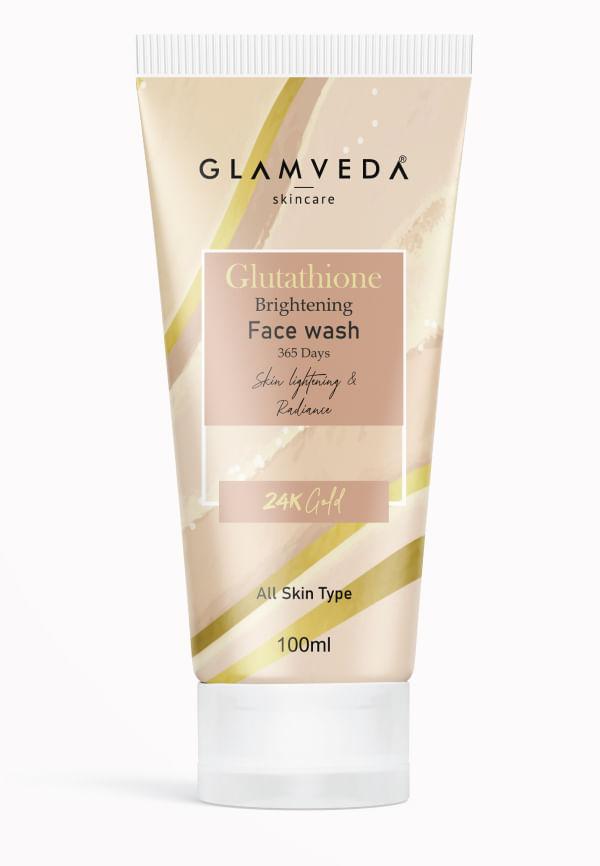
Glutathione 24 k Gold Face Wash Reduce Dark spots & Pigmentation, Lightens skin Complexion
Good Face Wash, Must Buy
4“good face wash must buy very nice”
Mixed Review: Good Texture, Not for My Skin
4“good texture , quality and quantity but it's not good for my skin”
Anticipating results
4“Glutathione 24 k Gold Face Wash, waiting for result”
Your skin needs proper nutrition to maintain healthy pigmentation. Deficiencies in vitamins like B12, folate, and vitamin D can contribute to uneven skin tone. Iron deficiency can also affect how your skin produces and distributes melanin.
A balanced diet rich in antioxidants, vitamins, and minerals supports healthy skin function and can help prevent some types of pigmentation issues.
Air pollution, smoking, and exposure to certain chemicals can all contribute to skin discoloration reasons. Pollution creates free radicals that damage your skin cells, whilst smoking reduces blood flow to your skin, affecting its ability to repair and regenerate properly.
Even certain skincare products or cosmetics can cause pigmentation if they contain irritating ingredients or if you're allergic to specific components.
Some medical conditions like Addison's disease can cause widespread skin darkening. Certain medications, including some antibiotics, antimalarials, and chemotherapy drugs, can also trigger pigmentation changes.
If you notice sudden or widespread pigmentation changes, it's worth chatting with your doctor to rule out any underlying medical causes.
Not all dark spots are created equal. Understanding the different skin pigmentation types can help you identify what you're dealing with and choose the right approach for treatment.
Melasma appears as symmetrical brown or grey patches, usually on both sides of your face. It's most common on the cheeks, forehead, nose, and upper lip. This type is heavily influenced by hormones and sun exposure.
Solar lentigines (age spots or sun spots) are flat, brown spots that develop from years of sun exposure. They're usually found on the most sun-exposed areas of your face and tend to become more noticeable as you age.
Post-inflammatory hyperpigmentation shows up as dark marks where you've had acne, cuts, or other skin injuries. These spots can range from light brown to almost black, depending on your skin tone.
Café-au-lait spots are light brown patches that are usually present from birth or develop in early childhood. They're generally harmless but can sometimes indicate underlying genetic conditions if you have many of them.
Prevention is always better than cure when it comes to pigmentation. Here's how to protect your skin and prevent new dark spots from forming.
This cannot be overstated - daily sunscreen is your best defence against pigmentation. Use a broad-spectrum SPF 30 or higher every single day, even when it's cloudy or you're staying indoors near windows.
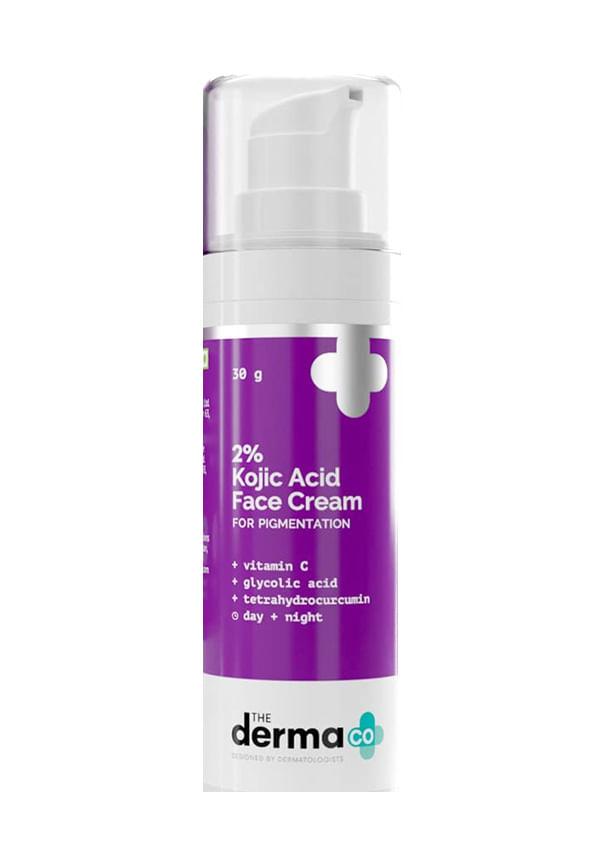
2% Kojic Acid Cream for Pigmentation
Very Good Product
5“Very good product must try good”
Good for dry skin
5“really a good cream to use for dry skin”
Not for sensitive skin, but liked it
5“I highly recommend you that if you have sensitive skin don't use it ... well i liked it”
Reapply every two hours if you're outside, and don't forget often-missed spots like your ears, neck, and the area around your eyes. Physical sunscreens with zinc oxide or titanium dioxide are particularly effective for pigmentation-prone skin.
Gentle is the name of the game. Harsh scrubbing or aggressive treatments can actually trigger more pigmentation through inflammation. Stick to gentle cleansers, use lukewarm water, and always pat your skin dry rather than rubbing.
Incorporate antioxidant serums into your routine to help protect against free radical damage, and keep your skin well-moisturised to maintain a healthy barrier function.
Stress management plays a bigger role than you might think. Chronic stress can worsen hormonal imbalances that contribute to pigmentation. Regular exercise, adequate sleep, and stress-reduction techniques can all support healthier skin.
Stay hydrated and eat a diet rich in antioxidants from colourful fruits and vegetables. These nutrients help protect your skin from damage and support healthy cell turnover.
When prevention isn't enough, there are several effective treatments available to help reduce existing pigmentation. The key is finding the right approach for your specific type of pigmentation and skin tone.
Vitamin C serums are excellent for both prevention and treatment of pigmentation. They help inhibit melanin production whilst providing antioxidant protection. Look for stable forms like magnesium ascorbyl phosphate or sodium ascorbyl phosphate.
Retinoids work by accelerating cell turnover, helping to fade dark spots over time. Start slowly with these powerful ingredients, as they can cause irritation if you jump in too quickly.
Chemical peels can be highly effective for surface-level pigmentation. They work by removing the top layers of skin, revealing fresher, more evenly toned skin underneath. Different types of peels target different depths of pigmentation.
Laser treatments and IPL (Intense Pulsed Light) therapy can target deeper pigmentation that topical treatments can't reach. These procedures require downtime and proper aftercare but can deliver dramatic results.
Often, the best results come from combining different treatments. Your dermatologist might recommend a combination of topical treatments, professional procedures, and lifestyle changes for optimal results.
Remember that treating pigmentation takes time - most treatments require 3-6 months to show significant results, and maintenance is usually necessary to prevent new spots from forming.
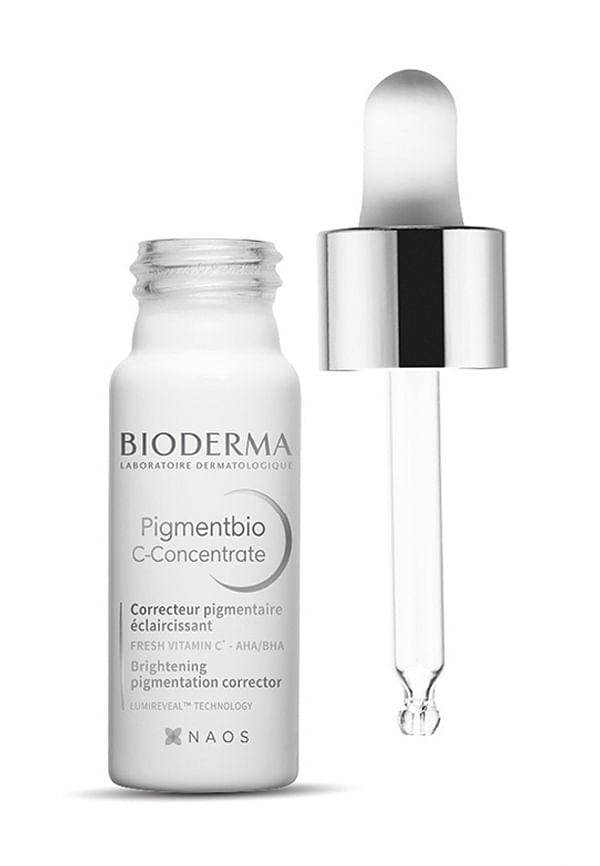
Pigmentbio C- Concentrate Brightening Cream Corrector Pigmentation Disorders
The most effective pigmentation prevention strategy is consistent sun protection. Use broad-spectrum SPF 30+ daily, wear protective clothing and hats, seek shade during peak hours, and avoid picking at your skin. Maintain a gentle skincare routine and manage stress levels to support overall skin health.
Vitamin C can help fade existing pigmentation and prevent new dark spots from forming. It works by inhibiting tyrosinase, the enzyme responsible for melanin production. However, it typically takes 6-12 weeks of consistent use to see noticeable results, and it works best when combined with sun protection.
While no treatment can guarantee permanent removal, professional treatments like laser therapy, chemical peels, and prescription topicals can significantly reduce pigmentation. The key is combining treatment with strict sun protection and proper skincare maintenance to prevent new spots from forming.
Foods high in tyramine (aged cheeses, cured meats, fermented foods) and those that increase photosensitivity (citrus fruits, celery, parsley) can potentially worsen pigmentation in sensitive individuals. However, dietary triggers vary greatly between people, and a balanced diet rich in antioxidants generally supports healthy skin.
Natural ingredients like vitamin C, niacinamide, kojic acid, and arbutin can help fade pigmentation. However, natural doesn't always mean gentle - some ingredients can cause irritation. Professional guidance is recommended for persistent pigmentation, as natural treatments often work more slowly than medical-grade options.
Some types of pigmentation, particularly hormonal melasma, may fade naturally over time as hormone levels stabilise. However, sun-induced pigmentation and post-inflammatory hyperpigmentation typically require active treatment to see significant improvement.
Chronic stress can worsen existing pigmentation by triggering hormonal imbalances and increasing inflammation in the body. Stress can also lead to habits like picking at the skin, which can cause post-inflammatory hyperpigmentation.
Pigmentation can appear at any age, but sun-induced spots typically become noticeable in your thirties and forties as cumulative damage becomes visible. Hormonal pigmentation often appears during reproductive years, whilst genetic pigmentation may be present from birth or early childhood.
Understanding why pigmentation occurs on face is the first step towards healthier, more even-toned skin. Whether you're dealing with sun damage, hormonal changes, or post-inflammatory marks, remember that effective treatment takes time and patience. The most important thing you can do is protect your skin from further damage with daily sun protection whilst exploring treatment options that work for your specific needs.
If you're looking to try new skincare products to address pigmentation concerns, Smytten offers curated trial packs from over 1,500 trusted brands, letting you explore and experience products before committing to full-size purchases. With options from brands like Cetaphil and Dot & Key, you can discover what works for your skin without the guesswork. After all, why settle for 'maybe' when you can Try It All!
