Why Pigmentation Comes on Face: Your FAQ Guide


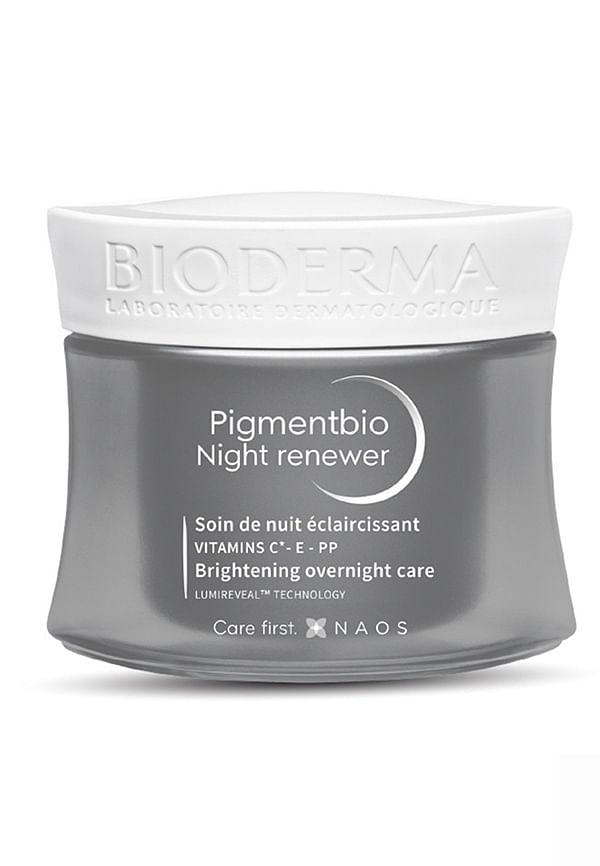
Pigmentbio Night Renewer Brightening Overnight Cream for Dark Spots, Sensitive Skin
You've noticed new dark patches appearing on your cheeks, or perhaps those post-acne marks just won't fade. If you're wondering why pigmentation comes on face, you're not alone. Facial pigmentation affects millions of people across India, from teenage acne scars to pregnancy-related melasma. The good news? Understanding what causes these dark spots on face is the first step towards clearer, more even-toned skin. Let's dive into the science behind pigmentation and explore what actually works for treatment.
Facial pigmentation occurs when your skin produces too much melanin—the natural pigment that gives your skin its colour. Think of melanin as your skin's built-in sun protection system. When working normally, melanocytes (pigment-producing cells) create just enough melanin to protect your skin from UV damage. The trouble starts when these cells go into overdrive. Triggered by factors like sun exposure, hormonal changes, or inflammation, melanocytes can produce excess melanin in concentrated patches. This creates the uneven skin tone and dark spots we recognise as hyperpigmentation. There are several types of facial pigmentation you might encounter. Melasma appears as symmetrical brown patches, often on the cheeks and forehead. Solar lentigines (age spots or sunspots) show up as small, dark circles from cumulative sun damage. Post-inflammatory hyperpigmentation (PIH) develops after acne, cuts, or other skin injuries heal, leaving behind stubborn dark marks.
Understanding the causes of facial pigmentation helps you tackle the root problem, not just the symptoms. Here are the primary culprits behind those unwanted dark spots.
UV radiation remains the biggest trigger for facial pigmentation. When UV rays hit your skin, they signal melanocytes to produce more melanin as protection. Over time, this leads to sunspots on face and generalised darkening. Even brief daily sun exposure—like your morning commute or lunch break—accumulates over years. Those seemingly harmless moments add up to significant pigmentation changes, especially on areas like your cheeks, nose, and forehead that catch the most sun.
Hormonal fluctuations can dramatically increase melanin production. Pregnancy hormones often trigger melasma, earning it the nickname "mask of pregnancy." Birth control pills, hormone replacement therapy, and even thyroid disorders can have similar effects. This type of pigmentation typically appears symmetrically across the face and can darken further with sun exposure. Many women notice their melasma worsening during summer months or after forgetting sunscreen.
When your skin heals from acne, cuts, or other injuries, the inflammatory response can trigger excess melanin production. This explains why dark spots on face often appear where you've had breakouts. PIH affects all skin tones but tends to be more pronounced in medium to darker complexions. The good news? Unlike some other types of pigmentation, PIH often fades naturally over time—though it can take months or even years without treatment.
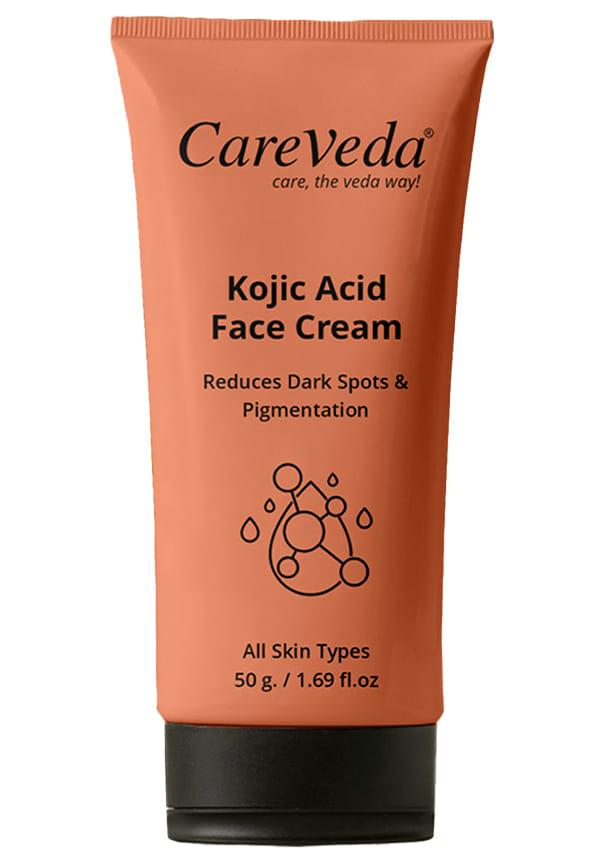
Kojic Acid Face Cream For Reduces Dark Spots & Pigmentation
As we age, our skin's repair mechanisms slow down, and years of accumulated sun damage become more visible. Age spots typically appear after 40, though they can show up earlier in people with significant sun exposure. Your skin's natural cell turnover also decreases with age, meaning pigmented cells stick around longer instead of shedding normally. This contributes to the gradual darkening and uneven skin tone many people notice over time.
Certain medications can make your skin more sensitive to UV damage or directly cause pigmentation changes. Antibiotics, chemotherapy drugs, and some antimalarial medications are common culprits. Medical conditions like Addison's disease or insulin resistance can also affect pigmentation. If you've noticed sudden, widespread darkening without obvious triggers, it's worth discussing with your doctor.
Deficiencies in vitamins B12, folate, or iron can sometimes contribute to skin discoloration reasons. While less common than other causes, addressing nutritional gaps can support overall skin health and healing. A balanced diet rich in antioxidants also helps protect against environmental damage that can worsen existing pigmentation.
Chronic stress affects hormone levels, potentially triggering or worsening pigmentation. Air pollution can also contribute to skin damage and inflammation, particularly in urban areas. Poor skincare habits—like aggressive scrubbing or using harsh products—can cause inflammation that leads to PIH. Even seemingly minor irritation can trigger pigmentation in sensitive individuals.
Sudden pigmentation changes often result from a combination of genetic predisposition and environmental triggers. You might carry genes that make you prone to melasma, but they only "switch on" during pregnancy or with certain medications. Lifestyle changes can also unmask underlying tendencies. Starting a new skincare routine, moving to a sunnier climate, or experiencing hormonal shifts can all trigger pigmentation in previously unaffected skin. Stress plays a bigger role than many people realise. High cortisol levels can increase inflammation and hormone fluctuations, both of which contribute to pigmentation development. If you've noticed new dark spots during particularly stressful periods, this connection might explain why.
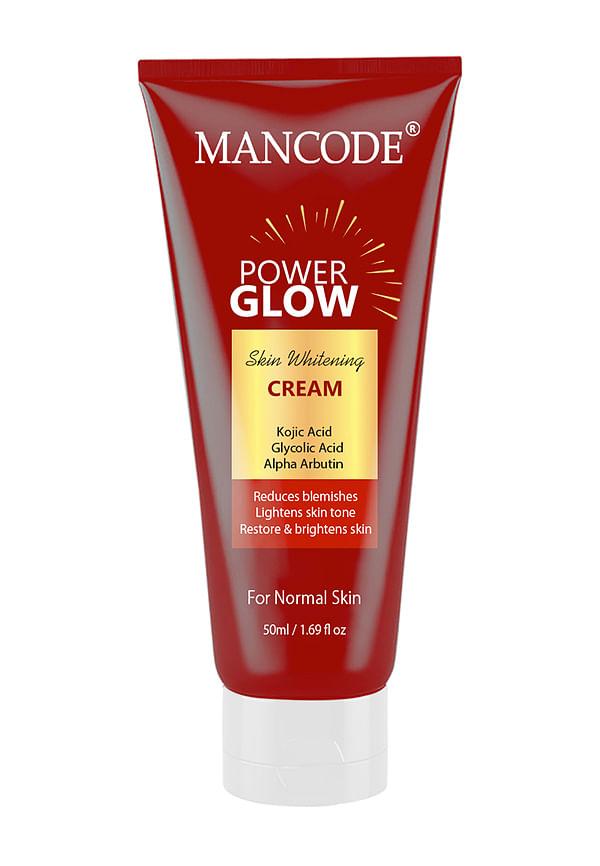
Power Glow Skin Whitening Cream Reduces Dark Spots
Identifying your specific type of pigmentation helps determine the most effective treatment approach. Melasma typically appears as larger, symmetrical patches with irregular borders, often described as butterfly-shaped across the cheeks and nose. Sunspots are usually smaller, round, and well-defined with uniform colour. They appear on sun-exposed areas and tend to multiply over time. Freckles are genetic and often fade in winter, while age spots remain consistent year-round. Post-acne marks follow the pattern of previous breakouts and can range from red or purple (recent) to brown or black (older). Understanding these differences helps you choose targeted treatments and set realistic expectations for improvement.
Effective hyperpigmentation treatment requires patience and consistency. Most treatments work by either inhibiting melanin production, accelerating cell turnover, or both.
Dermatological treatments offer the fastest and most dramatic results. Chemical peels using glycolic acid, lactic acid, or TCA can significantly improve pigmentation in 4-6 sessions. Laser treatments like IPL or Q-switched lasers target specific pigmented areas with precision. Prescription treatments like hydroquinone, tretinoin, or combination creams provide stronger active ingredients than over-the-counter options. These typically show results within 3-4 months of consistent use.
Vitamin C serums inhibit melanin production while providing antioxidant protection. Look for stable forms like magnesium ascorbyl phosphate or sodium ascorbyl phosphate. Niacinamide reduces melanin transfer to skin cells and helps with overall skin texture. Alpha hydroxy acids (AHAs) like glycolic and lactic acid accelerate cell turnover, helping pigmented cells shed faster. Beta hydroxy acid (BHA) or salicylic acid works similarly while also addressing acne that might cause future PIH.
Arbutin, kojic acid, and azelaic acid offer gentler alternatives to hydroquinone. These ingredients work more slowly but with fewer side effects. Retinoids (retinol or retinyl palmitate) boost cell turnover and can significantly improve pigmentation over 6-12 months. Consistency matters more than potency with these ingredients. A gentle routine used daily will outperform aggressive treatments used sporadically.
Prevention remains your best defence against new pigmentation. Daily sunscreen with at least SPF 30 is non-negotiable, even on cloudy days or when staying indoors near windows. Choose broad-spectrum formulas that protect against both UVA and UVB rays. Reapply every 2-3 hours, especially if you're outdoors. Physical sunscreens with zinc oxide or titanium dioxide work well for sensitive skin prone to pigmentation. Gentle skincare prevents the inflammation that can trigger PIH. Avoid harsh scrubs, over-exfoliation, or picking at blemishes. When treating acne, use products with salicylic acid or benzoyl peroxide carefully to avoid irritation. Protective clothing, wide-brimmed hats, and seeking shade during peak sun hours (10 AM to 4 PM) provide additional protection. These simple steps can prevent most sun-related pigmentation from developing.
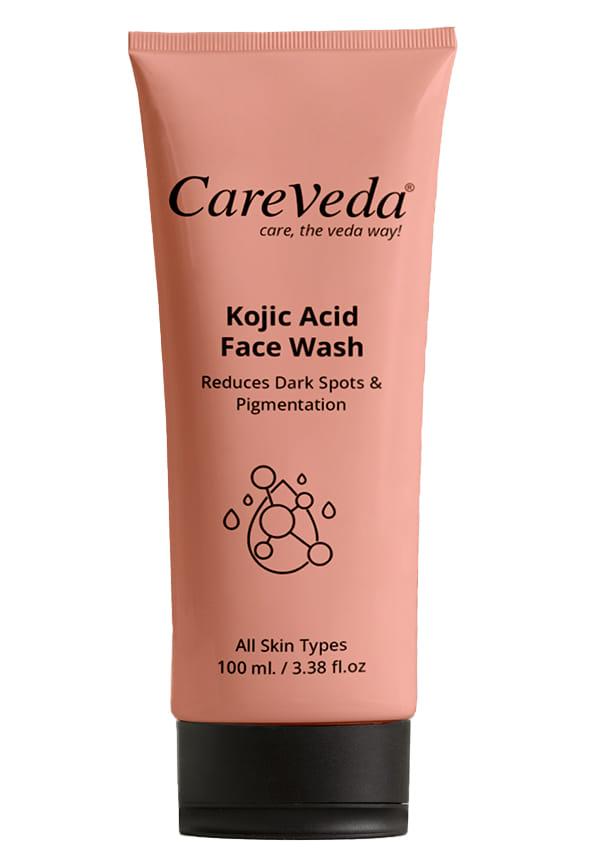
Kojic Acid Face Wash For Reduces Dark Spots & Pigmentation
Stopping hyperpigmentation requires a two-pronged approach: preventing new spots while treating existing ones. Start with daily broad-spectrum sunscreen and gentle skincare to prevent further damage. For treatment, incorporate ingredients like vitamin C, niacinamide, or gentle AHAs into your routine. Professional treatments can accelerate results, but consistency with home care is crucial for long-term success.
Sun exposure causes the majority of facial pigmentation. UV radiation triggers melanocytes to produce excess melanin as a protective response. Even brief daily exposure accumulates over time, leading to age spots, sunspots, and general skin darkening. Hormonal changes and post-inflammatory responses are other significant contributors.
Natural approaches focus on gentle exfoliation and antioxidant protection. Vitamin C from skincare products (more effective than DIY remedies) helps inhibit melanin production. Gentle AHAs from fruit acids can accelerate cell turnover. However, natural methods work slowly and may not be sufficient for significant pigmentation. Professional guidance often provides better results.
Complete removal depends on the type and depth of pigmentation. Surface-level PIH and some sunspots can fade significantly or disappear entirely with proper treatment. Deeper melasma or genetic pigmentation may lighten substantially but rarely disappears completely. Most people see 50-80% improvement with consistent treatment over 6-12 months.
Consult a dermatologist if pigmentation appears suddenly, changes rapidly, or doesn't respond to over-the-counter treatments after 3-4 months. Also seek professional help for pigmentation with irregular borders, multiple colours, or any spots that bleed or feel raised. A dermatologist can rule out serious conditions and provide stronger treatment options.
Understanding why pigmentation comes on face empowers you to make informed decisions about prevention and treatment. Whether you're dealing with stubborn post-acne marks, pregnancy-related melasma, or sun damage, the right approach can significantly improve your skin's appearance. Remember that treating pigmentation is a marathon, not a sprint. Most effective treatments require 3-6 months of consistent use before showing significant results. The key is finding products that work for your skin type and sticking with them. For those curious about trying new skincare ingredients or brands, Smytten's curated selection includes pigmentation-fighting products from trusted brands. With over 28 million users discovering their perfect skincare matches, the platform makes it easier to explore effective treatments without committing to full-size products immediately. Sometimes the best approach to tackling pigmentation is testing what works for your unique skin before investing in a complete routine.
