Why Patch Test New Skincare? Your FAQ Answered

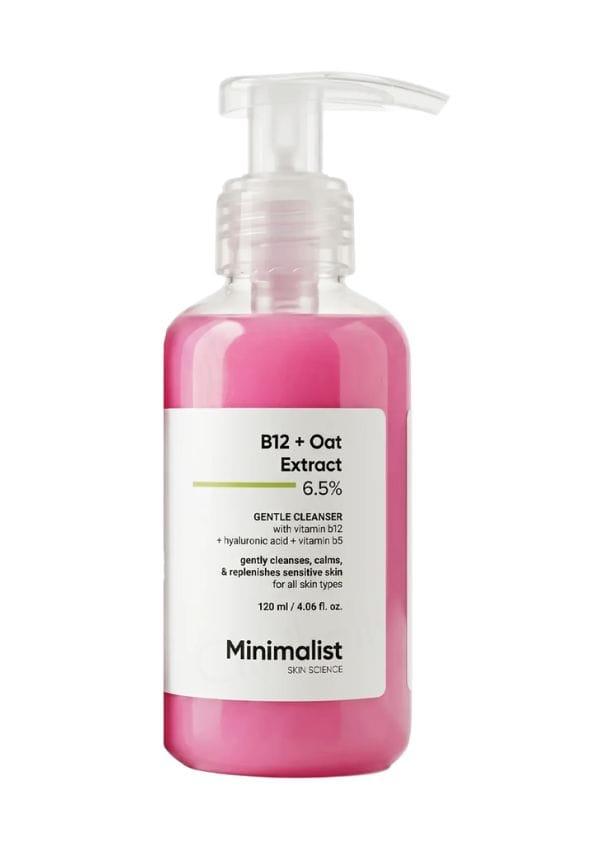
6% Oat Extract Gentle Cleanser With Hyaluronic Acid For Sensitive Skin
Gentle Face Wash for Daily Use
 4
4“gentle face wash for daily use”
Good for dry skin, heavy texture
5“My skin felt so good after using this I have dry skin for me it's not making my skin feel dry or stiff and it's not making my skin feel dull and oily after use. The thing to consider is the texture is heavy and it's not foaming much”
Good for dry skin, heavy texture
5“My skin felt so good after using this I have dry skin for me it's not making my skin feel dry or stiff and it's not making my skin feel dull and oily after use. The thing to consider is the texture is heavy and it's not foaming much”
Starting a new skincare routine can feel like stepping into uncharted territory. You've done your research, read countless reviews, and finally found that perfect serum or moisturiser everyone's raving about. But here's the thing—what works brilliantly for your best mate might leave your skin red, irritated, or breaking out. This is precisely why patch testing new skincare products isn't just recommended; it's absolutely essential for anyone serious about their skin health. Whether you're introducing a gentle cleanser or a potent retinol, understanding why patch test before trying a new skincare product can save you from painful reactions, costly dermatologist visits, and weeks of damaged skin recovery. At Smytten, we've seen countless users discover their perfect products through our trial packs, but even with authentic, brand-verified minis, patch testing remains your first line of defence against unwanted skin reactions.
Patch testing prevents allergic reactions, contact dermatitis, and skin irritation from new skincare products
The process involves applying a small amount of product to your inner arm or behind your ear for 24-72 hours
Products with active ingredients like retinoids, acids, and vitamin C require mandatory patch testing
Even gentle, hypoallergenic products can cause reactions in sensitive individuals
Proper patch testing can save you from expensive treatments and weeks of skin recovery
A skincare patch test is a simple safety procedure where you apply a small amount of a new product to a discreet area of your skin to check for adverse reactions before using it on your face. Think of it as a trial run for your skin—much like how you might taste a new dish before serving it to guests.
There's often confusion between at-home patch testing and medical patch testing performed by dermatologists. At-home patch tests are straightforward compatibility checks you can do yourself, whilst medical patch testing involves applying specific allergens under controlled conditions to diagnose contact allergies. For everyday skincare products, the at-home version is perfectly adequate and highly effective.
The beauty of patch testing lies in its simplicity. You're essentially giving your skin a preview of what's to come, allowing it to react in a small, manageable area rather than across your entire face. This approach is particularly crucial when you consider that facial skin is often more sensitive and reactive than skin on other parts of your body.
One common misconception is that patch testing is only necessary for products containing obvious irritants. In reality, even the gentlest, most hypoallergenic formulations can trigger reactions in certain individuals. Your skin's unique chemistry, current condition, and even factors like stress levels or hormonal changes can influence how it responds to new ingredients.
The statistics surrounding skincare reactions are more alarming than you might expect. Research suggests that approximately 10-15% of the population experiences some form of cosmetic-related skin reaction annually. These reactions range from mild irritation to severe allergic responses requiring medical intervention.
Contact dermatitis represents one of the most common reactions to new skincare products. This condition manifests as red, itchy, sometimes blistering skin that can take weeks to heal completely. What makes this particularly frustrating is that contact dermatitis can develop even after using a product successfully for some time—your skin can suddenly decide it no longer tolerates an ingredient it previously accepted.
Allergic sensitisation is another serious concern. This occurs when your immune system identifies an ingredient as a threat, creating antibodies against it. Once sensitised, you may react to that ingredient for life, even in tiny concentrations found in other products. Common culprits include fragrances, preservatives, and certain plant extracts.
The financial implications of skipping patch tests can be substantial. Treating severe skin reactions often requires prescription medications, dermatologist consultations, and sometimes even time off work. When you factor in the cost of replacing products that caused reactions and potentially needing corrective treatments, the few minutes spent patch testing becomes an incredibly wise investment.
For those with sensitive skin conditions like eczema, rosacea, or compromised skin barriers, patch testing becomes even more critical. These conditions make skin more reactive and slower to heal, meaning a bad reaction can set back your skincare progress significantly.
Mastering the art of patch testing doesn't require any special equipment or expertise—just patience and attention to detail. The process is straightforward, but following the correct protocol ensures you get accurate, reliable results that truly protect your skin. This guide will help you understand how to patch test skincare at home effectively.
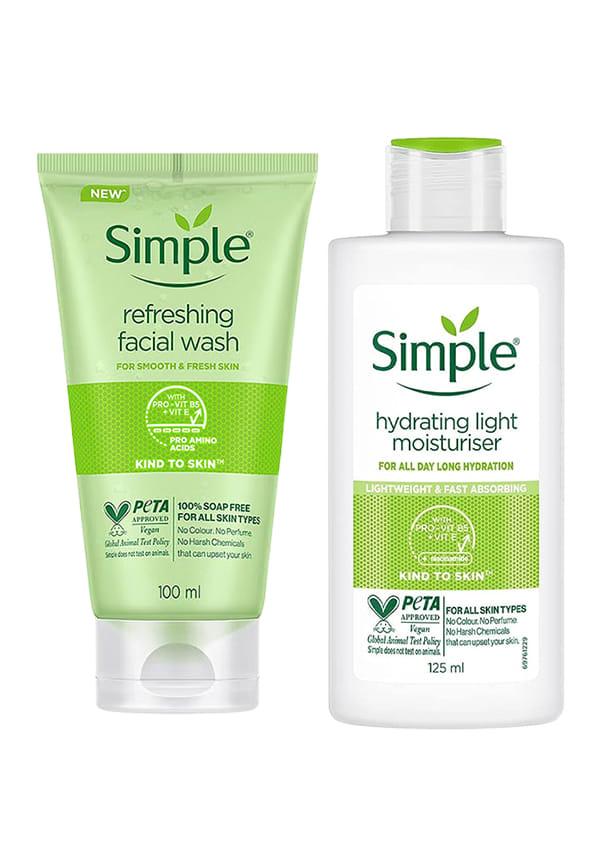
Sensitive Skin Essentials Duo
Favorite Combo for Skin Care
5“favorite combo everr it helps in skin care”
Favorite Combo for Skin Care
5“favorite combo everr it helps in skin care”
Product Met Expectations
5“The product received is as per the expectation.”
Begin by selecting your test site carefully. The inner forearm, about two inches below your elbow, offers the ideal location for most patch tests. This area mimics facial skin sensitivity whilst remaining discreet. For products specifically intended for the eye area, testing behind your ear provides a more accurate representation of how that delicate skin might react.
Cleanse the test area gently with a mild soap and pat dry completely. Apply a small amount of the product—roughly the size of a pinhead—to the chosen spot. If you're testing a serum or treatment, use it at the same concentration you'd apply to your face. For products that require mixing or activation, prepare them exactly as you would for normal use.
Cover the test area with a small adhesive bandage if the product might rub off, but ensure the bandage itself doesn't contain latex or adhesives you're sensitive to. Leave the product undisturbed for 24 hours minimum, though 48-72 hours provides more comprehensive results for detecting delayed reactions.
Different product types require slightly modified approaches to patch testing. Face serums, particularly those containing active ingredients like niacinamide or vitamin C, should be tested at full strength since diluting them won't give you accurate results about how your skin will respond to the actual product.
Moisturisers present a unique challenge because they're designed to create a barrier on your skin. When patch testing moisturisers, apply a thin layer and avoid covering with a bandage unless absolutely necessary, as this can create an occlusive environment that doesn't reflect normal usage conditions.
Products containing retinoids, AHAs, or BHAs deserve extra caution during patch testing. These ingredients can cause initial irritation that settles down with continued use, so distinguishing between normal adjustment reactions and genuine incompatibility requires careful observation over the full 72-hour period.
Not every skincare product requires the same level of patch testing vigilance, but knowing which ones demand extra caution can save you considerable grief. Products containing active ingredients top the mandatory patch test list, including anything with retinoids, alpha hydroxy acids, beta hydroxy acids, vitamin C in high concentrations, or chemical exfoliants. This is crucial for new skincare product safety.
Fragranced products, even those with natural essential oils, warrant careful testing since fragrance allergies can develop suddenly and tend to be permanent. Similarly, products containing preservatives like methylisothiazolinone or formaldehyde-releasing agents have higher reaction potential and should never skip the patch test phase. This is part of essential skincare sensitivity testing.
The introduction strategy for multiple new products requires thoughtful planning. Never patch test more than two products simultaneously, and ensure they're applied to different areas of your body. If you're overhauling your entire routine, introduce products one at a time with at least a week between each new addition. This approach allows you to identify exactly which product might be causing any reactions.
Seasonal considerations play a role in patch testing effectiveness. During winter months, when skin tends to be drier and more sensitive, you might experience different reactions than during humid summer weather. Similarly, if you're dealing with hormonal changes, stress, or illness, your skin's reactivity can be heightened, potentially leading to false positive results.
Recognising the difference between normal skin adjustment and problematic reactions is crucial for interpreting patch test results accurately. Your skin speaks a clear language once you learn to understand its signals.
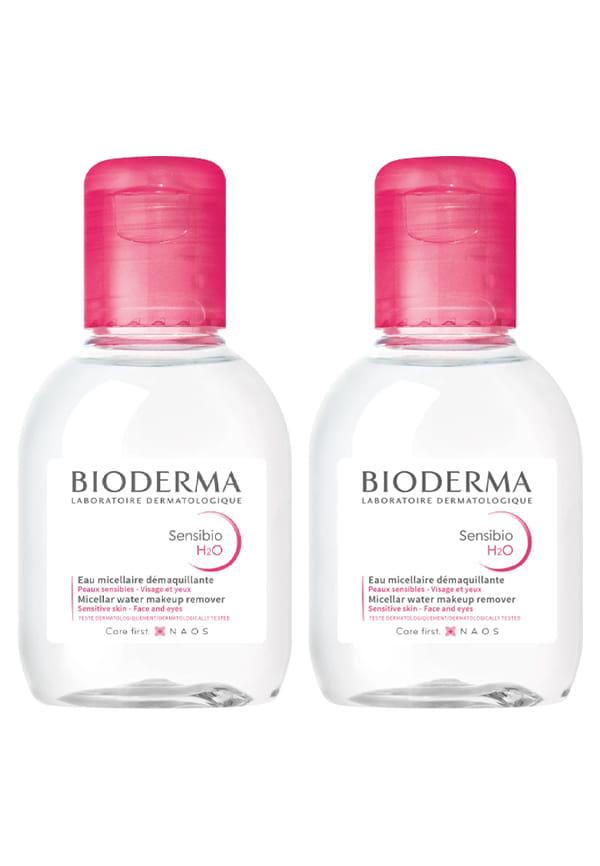
Sensibio H2O
Holy Grail Makeup Remover
5“My holy grail when it comes to makeup remover/micellar water.”
Immediate reactions occurring within the first four hours typically indicate contact irritation rather than allergic responses. Mild tingling with vitamin C serums or slight warmth with retinoid products can be normal, provided these sensations subside quickly and don't progress to visible irritation.
Delayed reactions appearing 24-72 hours after application often signal allergic contact dermatitis. These reactions tend to worsen over time rather than improving and may spread beyond the original application site. Red, swollen, itchy, or blistering skin at the patch test site demands immediate product discontinuation.
Certain warning signs require immediate action and possible medical consultation. If you experience severe itching, burning sensations that don't subside, blistering, or any reaction that spreads beyond the test area, remove the product immediately and cleanse the area thoroughly with cool water.
Positive patch test results don't necessarily mean permanent product incompatibility. Sometimes, skin needs time to adjust to new ingredients, particularly with products containing retinoids or acids. If you experience mild irritation, consider retesting the product at a lower frequency or concentration after your skin has completely recovered.
For products that cause definite allergic reactions, make note of the ingredient list and cross-reference it with other products you've reacted to. This detective work can help identify specific trigger ingredients, allowing you to avoid them in future product selections.
Different skin types and conditions require tailored approaches to patch testing for optimal safety and accuracy. Understanding these nuances helps ensure your patch testing protocol matches your skin's specific needs and sensitivities. This is part of allergy testing new skincare.
Acne-prone skin presents unique challenges during patch testing. The test area should be completely clear of active breakouts, as inflamed skin can react more sensitively than healthy skin. Additionally, some acne treatments can increase skin sensitivity temporarily, so timing your patch tests appropriately becomes crucial.
Mature skin often has a compromised barrier function, making it more susceptible to irritation from new products. Extended patch testing periods of 72 hours rather than 24 hours provide better insight into how mature skin will respond to new formulations. Pay particular attention to products containing peptides or growth factors, as these can occasionally cause unexpected reactions in mature skin.
Pregnancy brings hormonal changes that can alter skin sensitivity dramatically. Products you've used successfully for years might suddenly cause reactions, whilst previously irritating ingredients might become tolerable. During pregnancy, err on the side of caution with extended patch testing periods and consider retesting familiar products if your skin seems different.
For those managing compromised skin barriers from conditions like eczema or over-exfoliation, patch testing becomes even more critical. These conditions make skin hyperreactive, so even gentle products can cause disproportionate responses. Consider testing on unaffected skin areas and extending observation periods to capture delayed reactions.
Product | Skin Type | Skin Concern | Price Range | Key Ingredients |
|---|---|---|---|---|
Cetaphil Optimal Healthy Renew Micellar Cleanser | Sensitive, Dry | Gentle cleansing | ₹800-1200 | Micellar technology, ceramides |
Bella Vita Micellar Water Makeup Remover | All skin types | Makeup removal | ₹300-500 | Micellar water, hydrating agents |
Rare Chemistry Fruit Mist Dewy Glow Micellar Water | Normal to Dry | Hydrating cleanse | ₹600-900 | Fruit extracts, hyaluronic acid |
Palmer's Cocoa Butter Formula Hand Cream | Very Dry, Sensitive | Intensive moisture | ₹400-600 | Cocoa butter, vitamin E |
The Face Shop Hyaluronic Acid Hand Cream | All skin types | Daily hydration | ₹250-400 | Hyaluronic acid, plant extracts |
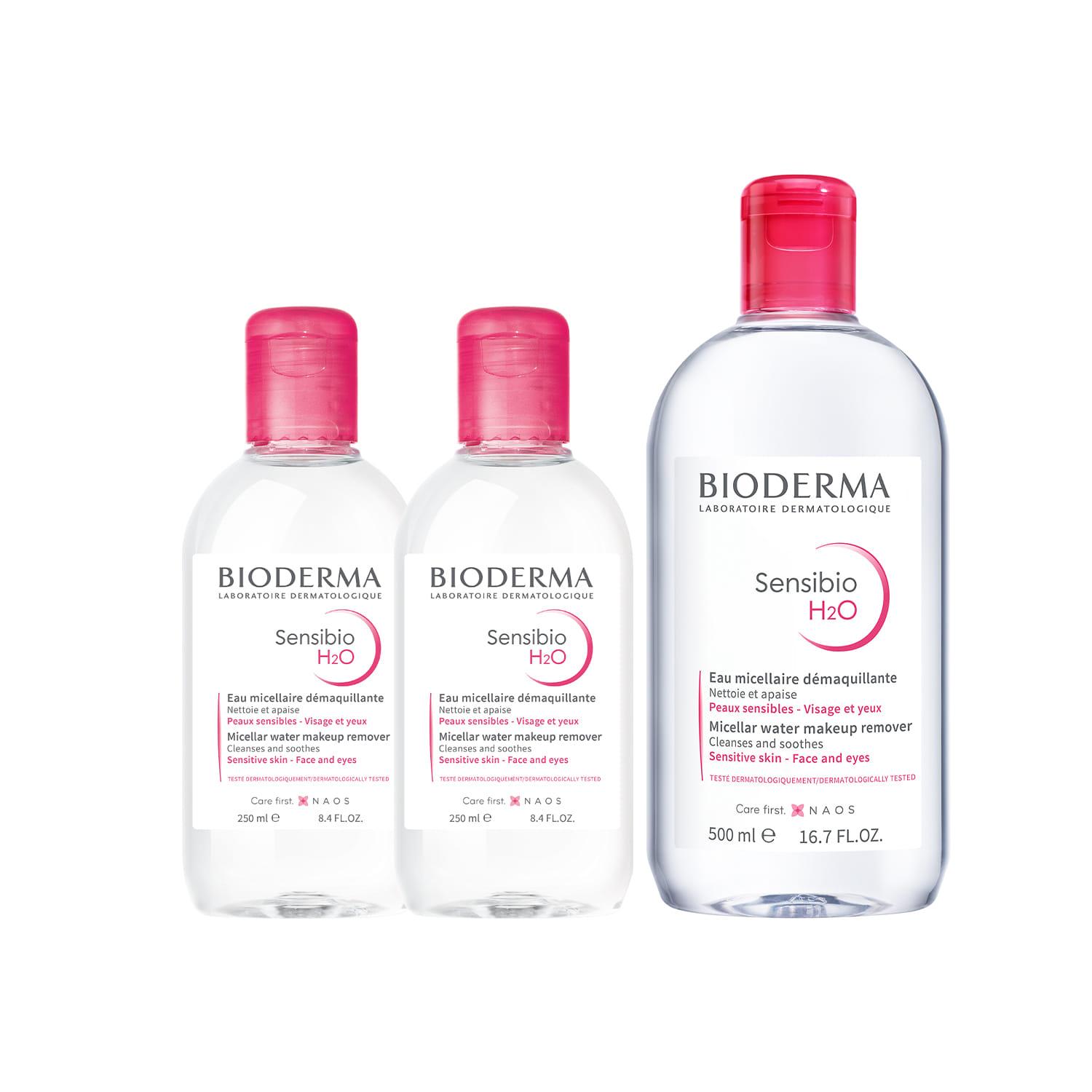
Sensibio Double Cleansing Combo For Sensitive Skin
Yes, dermatologists universally recommend patch testing before introducing any new skincare product to your routine. This applies to everything from gentle cleansers to potent treatments. Even products labelled as hypoallergenic or suitable for sensitive skin can cause reactions in certain individuals. The few minutes spent patch testing can prevent weeks of skin damage and expensive corrective treatments.
The primary purpose of patch testing is to identify potential allergic reactions or irritation before applying a product to your entire face. It serves as an early warning system, allowing you to spot problematic ingredients in a controlled, limited area. Secondary benefits include helping you understand how your skin responds to new formulations and building confidence in your product choices.
Patch tests are highly reliable but not 100% accurate. They catch approximately 85-90% of potential reactions, making them an excellent screening tool. False negatives can occur if your skin is less sensitive during testing due to factors like medication use or seasonal changes. False positives are rare but can happen if the test area is compromised or if you're testing during a period of heightened skin sensitivity.
The minimum patch testing period is 24 hours, but 48-72 hours provides more comprehensive results. Some allergic reactions take time to develop, and extending the testing period helps catch these delayed responses. For products containing active ingredients or if you have sensitive skin, the full 72-hour period is recommended for optimal safety.
It's best to limit patch testing to one or two products at a time, applied to different areas of your body. Testing multiple products simultaneously makes it difficult to identify which product might be causing a reaction. If you must test several products, space them at least two inches apart and keep detailed records of what you've applied where.
When trying products from Smytten's extensive collection of authentic brand-verified minis, use the same patch testing protocols as you would for full-size products. The inner forearm remains the ideal location for most products, whilst behind-the-ear testing works well for eye-area specific formulations. Smytten's trial packs make patch testing more affordable since you're not committing to full-size products before knowing how your skin responds.
Patch testing represents one of the most important yet underutilised safety practices in skincare. The process is simple, cost-effective, and can prevent significant skin damage and expensive treatments. Remember that even gentle, well-reviewed products can cause reactions in certain individuals, making patch testing essential regardless of a product's reputation or your previous experiences with similar formulations.
The 24-72 hour testing window provides adequate time to identify both immediate irritation and delayed allergic reactions. Pay attention to your skin's signals during this period, and don't hesitate to discontinue testing if you notice any concerning symptoms. Building this habit into your skincare routine ensures you can explore new products safely and confidently.
For those with sensitive skin, compromised barriers, or existing skin conditions, patch testing becomes even more critical. Extended testing periods and careful observation help ensure new products won't exacerbate existing issues or create new problems.
Smytten is India's largest product discovery and trial platform, connecting consumers with top lifestyle, beauty, wellness, and grooming brands. At its core, Smytten offers curated trial packs - mini-sized products from over 1,500 trusted brands such as Cetaphil, Dot & Key, True Elements, Oziva, Renee, Swiss Beauty, Love Beauty & Planet, WishCare, Carlton London, and Bella Vita. This lets users explore and experience products before committing to full-size purchases. The platform covers a wide range of categories, including skincare, makeup, haircare, fragrances, and more. Each mini is linked with Trial Points, and users can get up to 10 Trial Points for just ₹249. Plus, Smytten offers 100% cashback on the purchase of these minis, redeemable in the shop section for future orders, making product discovery both affordable and rewarding. The beauty of Smytten's try before you buy approach is that it makes patch testing even more practical—you can test authentic brand-verified minis without the financial commitment of full-size products. With over 25 million users and 100 million trial minis delivered across 90% pincode coverage, Smytten helps consumers make smarter, more confident choices. After all, why settle for 'maybe' when you can #TryItAll safely through proper patch testing!
