Why Oily Skin Causes More Pimples in Men: The Science


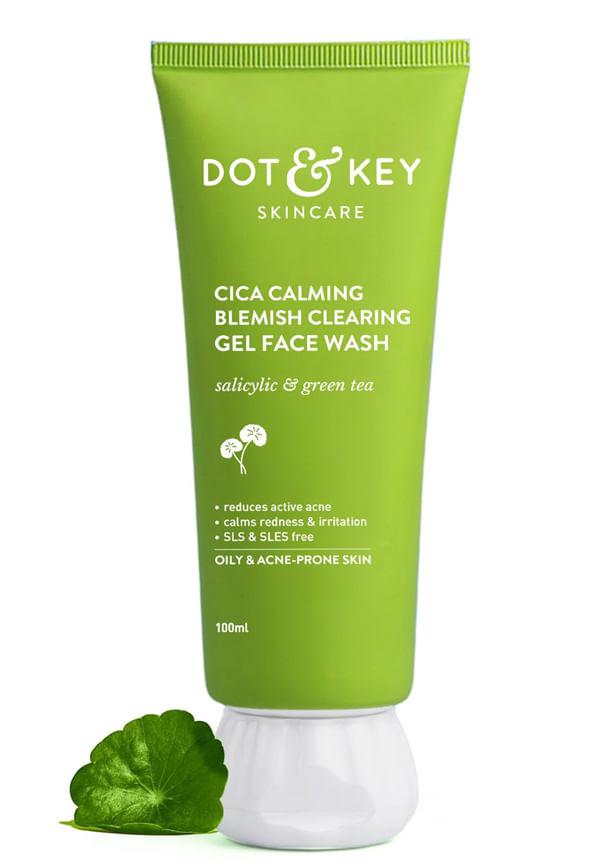
Cica 2% Salicylic Acid Face Wash For Oily, Acne Prone Skin, With Green Tea
Ever wondered why your mate seems to get away with splashing water on his face whilst you're dealing with yet another breakout? The answer lies in a frustrating biological reality: men's skin produces significantly more oil than women's, creating the perfect environment for pimples to thrive. Your thicker skin and larger pores, designed by evolution for protection, can become a breeding ground for acne-causing bacteria when excess sebum meets dead skin cells.
Men's skin comes with some impressive built-in advantages. It's roughly 25% thicker than women's skin and heals faster from cuts and scrapes. This extra thickness provides better protection against environmental damage and gives that naturally resilient appearance many men enjoy. However, this same robust skin structure comes with a catch that becomes particularly evident during your teens, twenties, and even thirties.
The evolutionary design that made male skin tougher also made it significantly oilier. Sebaceous glands in men's skin are larger and more active, producing up to 40% more oil than women's skin. This excess oil production served our ancestors well, providing extra protection against harsh weather and physical demands. In today's world, though, this natural advantage often transforms into a skincare challenge.
Your larger pores, whilst excellent for releasing heat and toxins, also create more space for dead skin cells and bacteria to accumulate. When you combine increased oil production with these naturally wider pores, you've got the perfect recipe for oily skin pimples that seem to appear overnight. Understanding this biological reality is the first step towards managing breakouts effectively.
The real culprit behind why oily skin causes more pimples in men lies in your hormone profile. Testosterone, the primary male hormone, directly stimulates your sebaceous glands to produce more oil. This isn't just a teenage problem either – testosterone levels remain relatively high throughout your twenties and thirties, which explains why male acne can persist well into adulthood.
Here's where the science gets particularly interesting: testosterone converts to dihydrotestosterone (DHT) in your skin, and DHT is even more potent at triggering oil production. This conversion happens right in your hair follicles and sebaceous glands, creating localised hotspots of excess sebum. Areas with higher concentrations of these receptors – like your T-zone, jawline, and back – become prime real estate for breakouts.
The timing of hormonal acne in men follows predictable patterns. Peak testosterone production during your late teens and early twenties often coincides with the most severe acne episodes. However, unlike women whose hormonal fluctuations create cyclical breakouts, men experience more consistent oil production throughout the month. This steady stream of excess sebum means that without proper management, pimples can become a persistent daily concern rather than a monthly visitor.
Stress compounds this hormonal picture significantly. When you're under pressure, your body produces cortisol, which can actually increase testosterone production and sensitivity. This explains why those important presentations or exam periods often coincide with unexpected breakouts, creating a frustrating cycle where stress about your skin creates more stress hormones.
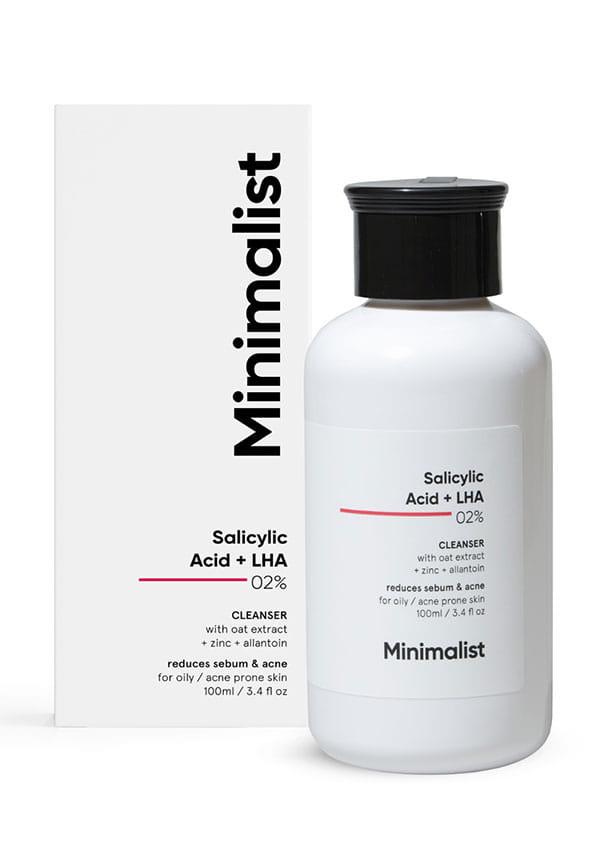
2% Salicylic Acid Face Wash For Oily Skin
Sebum isn't inherently bad – it's actually your skin's natural moisturiser and protector. This oily substance contains triglycerides, fatty acids, and other compounds that keep your skin barrier healthy and prevent water loss. In normal amounts, sebum gives your skin that healthy glow and protects against environmental damage. The problem arises when production goes into overdrive.
The pimple formation process follows a predictable sequence that starts with excess oil. When your sebaceous glands produce more sebum than your pores can efficiently clear, it begins to mix with dead skin cells that naturally shed from your follicle walls. This combination creates a plug that blocks the pore opening, trapping everything inside and creating an oxygen-poor environment.
Enter Propionibacterium acnes (P. acnes), the bacteria that thrives in these oily, oxygen-free conditions. This normally harmless bacteria feeds on the trapped sebum and dead skin cells, multiplying rapidly and producing inflammatory byproducts. Your immune system responds to this bacterial party by sending white blood cells to the area, creating the redness, swelling, and pus that characterise a proper pimple.
Men's naturally larger pores, whilst helpful for oil release under normal circumstances, become problematic when sebum production exceeds the pore's capacity to clear itself. Think of it like a drain that works fine under normal water flow but backs up during a heavy downpour. The wider opening that should be an advantage becomes a collection point for debris when the volume overwhelms the system.
Your daily routine might be unknowingly contributing to your breakout cycle. Shaving creates microscopic cuts and irritation that can introduce bacteria deeper into your skin whilst also removing the top layer of dead skin cells. Whilst this exfoliation can be beneficial, aggressive shaving or using dull blades can create inflammation that triggers even more oil production as your skin tries to heal.
Hair products present another hidden challenge for men dealing with oily skin and breakouts. Gels, waxes, and pomades often contain heavy oils and waxes that migrate from your hair to your forehead and temples throughout the day. These products can clog pores along your hairline, creating a specific pattern of breakouts that many men don't connect to their styling routine.
Professional and recreational activities add their own complications. Wearing helmets for cycling, motorcycling, or sports creates a warm, humid environment that encourages bacterial growth whilst trapping oil and sweat against your skin. Even your mobile phone, pressed against your cheek during long calls, can transfer bacteria and oil, creating breakouts along your jawline and cheek area.
Diet and sleep patterns significantly impact your hormone levels and, consequently, your oil production. High-glycemic foods can spike insulin levels, which in turn can increase testosterone and DHT production. Poor sleep disrupts your hormone balance and increases cortisol, creating a cascade effect that shows up on your skin within days. The Garnier Men Anti-Pimple Face Wash can help address surface-level concerns, but managing these lifestyle factors addresses the root causes of excess oil production.

Managing oily skin and preventing pimples requires a strategic approach that works with your skin's biology rather than against it. The goal isn't to strip away all oil – that actually triggers your sebaceous glands to produce even more sebum to compensate. Instead, effective acne treatment for men focuses on regulating oil production, keeping pores clear, and maintaining a healthy skin barrier.
Start your morning with a gentle cleanser containing salicylic acid or benzoyl peroxide. These ingredients penetrate into your pores to dissolve the oil and dead skin cell mixture before it can form plugs. Cleanse for 30-60 seconds with lukewarm water – hot water strips your skin and triggers more oil production as compensation.
Follow cleansing with an oil-free moisturiser, even if your skin feels oily. Skipping moisturiser is one of the biggest mistakes men make when trying to reduce oily skin. When your skin is dehydrated, it produces more oil to compensate, creating a cycle of increasing oiliness. Look for lightweight, non-comedogenic formulas that hydrate without adding heaviness.
Evening routines should include a thorough cleanse to remove the day's accumulation of oil, sweat, and environmental pollutants. This is when you can incorporate targeted treatments like retinoids or stronger acne medications. These work overnight when your skin is in repair mode, helping to regulate cell turnover and prevent future blockages.
For persistent acne, topical retinoids remain the gold standard treatment. These vitamin A derivatives work by normalising skin cell turnover, preventing the formation of comedones, and reducing inflammation. Men often see excellent results with retinoids because their thicker skin can tolerate stronger concentrations than women typically use.
Hormonal treatments, whilst less common for men than women, can be effective in cases where testosterone levels are particularly high or when other treatments haven't worked. These might include medications that block DHT production or reduce testosterone's effects on the skin. However, these treatments require careful medical supervision due to their systemic effects.
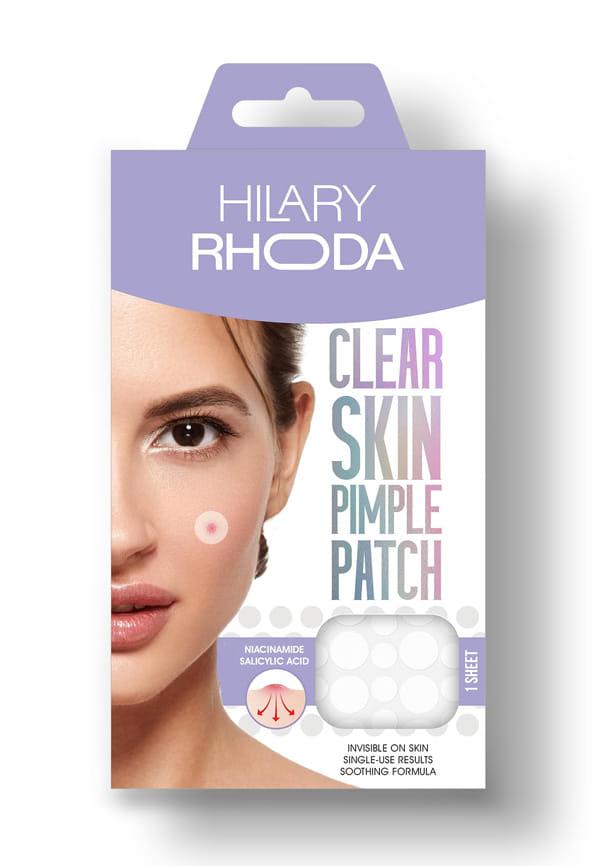
Clear Skin Pimple Patch
Start with a consistent routine using gentle, oil-regulating ingredients like salicylic acid or niacinamide. Cleanse twice daily, moisturise with oil-free products, and avoid over-washing, which triggers more oil production. Consider incorporating retinoids for long-term regulation of oil production and cell turnover.
Complete pimple elimination isn't realistic for most people, but significant improvement is achievable. Focus on prevention through consistent skincare, spot-treat active breakouts with benzoyl peroxide or salicylic acid, and address underlying causes like hormones and lifestyle factors. Severe cases may require professional treatment with prescription medications.
Yes, higher testosterone levels directly correlate with increased sebum production. Testosterone stimulates sebaceous glands to produce more oil, and its conversion to DHT amplifies this effect. This is why men typically have oilier skin than women and why acne often peaks during periods of high testosterone production.
Prevention focuses on keeping pores clear and reducing inflammation. Maintain a consistent cleansing routine, avoid touching your face, change pillowcases regularly, and manage stress levels. Address lifestyle factors like diet and sleep, and consider professional treatment for persistent issues.
Understanding why oily skin causes more pimples in men empowers you to make informed decisions about your skincare routine. Your skin's natural oil production, driven by testosterone and amplified by lifestyle factors, creates unique challenges that require targeted solutions. The key lies in working with your skin's biology rather than fighting against it.
Effective management combines the right products with consistent habits and realistic expectations. Remember that significant improvement takes time – typically 6-12 weeks for new routines to show full effects. Focus on gentle, consistent care rather than aggressive treatments that can backfire by triggering more oil production.
Smytten's curated selection includes trusted skincare brands specifically formulated for men's unique skin needs, with options for every budget and skin type. With over 28 million users discovering products through trial-sized options, you can explore different approaches to find what works best for your skin without committing to full-size products immediately. Your skin deserves the same attention you give to other aspects of your health – and with the right approach, clearer skin is absolutely achievable.
