Why Indian Skin Gets Dark Spots Faster: FAQ

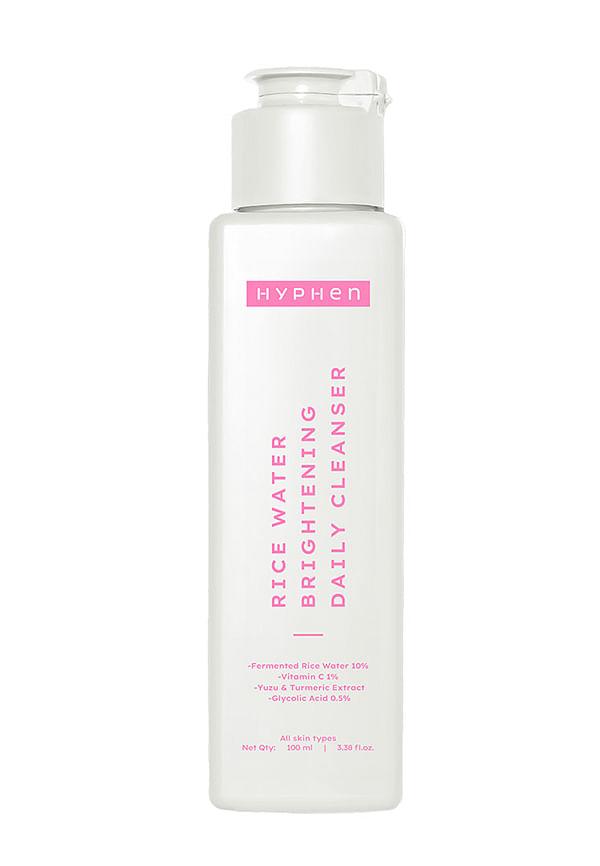
Rice Water Brightening Daily Cleanser | Brightens Skin, Reduces Dark Spots
Ever noticed how a tiny pimple seems to leave behind a dark mark that lingers for months? Or how that small cut from last summer is still visible as a stubborn brown spot? If you're nodding along, you're not alone. Many people with Indian skin find themselves dealing with dark spots and hyperpigmentation that seem to appear faster and stick around longer than expected. The truth is, there's actual science behind why Indian skin gets dark spots faster – and understanding this can completely change how you approach prevention and treatment.
Let's start with the basics: Indian skin pigmentation works differently from lighter skin tones, and it all comes down to melanin production. People with Indian skin typically fall into Fitzpatrick skin types III to V, which means they naturally have higher baseline melanin content in their skin.
Research shows that Indian skin contains approximately twice as much epidermal melanin compared to European skin types. This higher melanin content is actually brilliant – it acts as natural sun protection, giving Indian skin an inherent SPF of around 4-6. However, this same protective mechanism can work against us when it comes to dark spots.
Here's what happens: when your skin experiences any form of trauma – whether it's a pimple, a scratch, or UV exposure – the melanocytes (cells that produce melanin) go into overdrive. In Indian skin, these cells are naturally more active and responsive. They produce melanin faster and in larger quantities as a protective response. Whilst this helps shield deeper skin layers from damage, it also means that any inflammation can quickly turn into a persistent dark spot.
Your genes play a significant role in how your skin responds to injury and inflammation. Many people with Indian skin have a genetic predisposition to post-inflammatory hyperpigmentation (PIH). This means that even minor skin irritations can trigger an exaggerated melanin response, leading to those frustrating dark marks that seem to appear overnight.
Understanding the 'why' behind dark spots on skin causes can help you tackle them more effectively. Here are the main culprits that make Indian skin particularly prone to hyperpigmentation.
India's intense sunlight and high UV index create the perfect storm for sun damage. Even with natural melanin protection, prolonged UV exposure triggers excessive melanin production. The problem isn't just direct sunlight – reflected UV rays from concrete, sand, and water can also contribute to uneven skin tone. Many people underestimate how much sun protection they actually need, especially during peak hours between 10 AM and 4 PM.
Hormones can wreak havoc on melanin production in Indian skin. Pregnancy often brings melasma – those symmetrical brown patches that appear on the face. PCOS, thyroid disorders, and even monthly menstrual cycles can trigger hormonal fluctuations that lead to increased pigmentation. This is why many women notice their dark spots getting worse during certain times of the month or life stages.
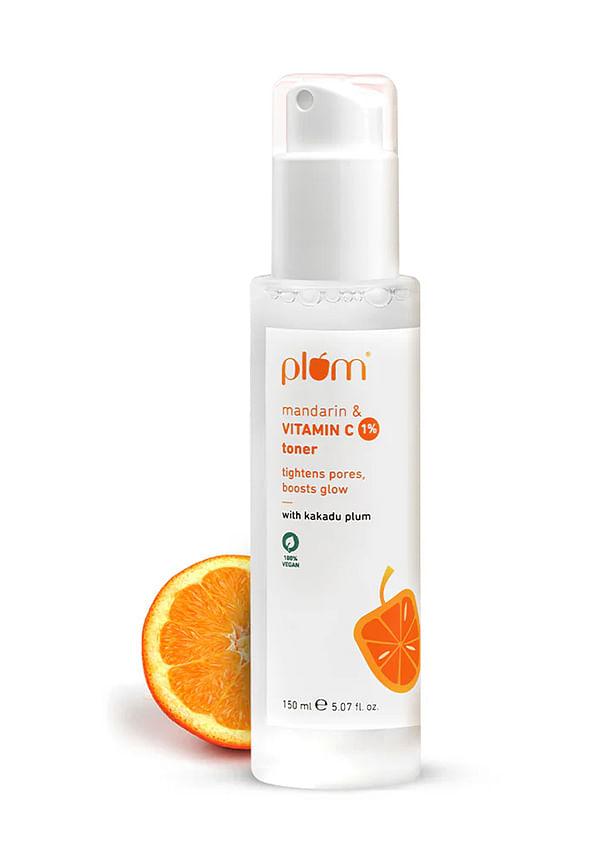
1% Vitamin C Toner with Mandarin & Kakadu | Reduces Dark Spots
This is perhaps the most common cause of dark spots in Indian skin. Any inflammation – from acne breakouts to insect bites, cuts, or even aggressive scrubbing – can trigger PIH. The inflammatory response signals melanocytes to produce more melanin, and in melanin-rich skin, this response is often more pronounced and longer-lasting.
Urban pollution creates free radicals that damage skin cells and trigger inflammatory responses. Dust, smoke, and chemical pollutants can settle on your skin, causing micro-inflammation that leads to hyperpigmentation. This is particularly relevant for people living in major Indian cities where air quality can be a daily concern.
Not all dark spots are created equal. Recognising the type of pigmentation you're dealing with can help you choose the right treatment approach for your uneven skin tone.
Melasma appears as symmetrical brown or grey patches, usually on the cheeks, forehead, nose, and upper lip. It's often triggered by hormonal changes and sun exposure. Solar lentigines, commonly called age spots, are flat brown spots that develop from cumulative sun damage over time.
Post-acne marks are probably the most frustrating type of hyperpigmentation for many people. These dark spots appear after a pimple heals, and they can take months to fade naturally. The deeper and more inflamed the original breakout, the darker and more persistent the resulting mark tends to be.
This refers to darkening around the mouth area, which can be caused by lip licking, certain toothpastes, or even spicy foods that cause mild irritation. It's a common skin problem that many people don't realise is a form of hyperpigmentation.
The best approach to treating dark spots on face is preventing them in the first place. Here's how to protect your skin from developing new dark spots whilst addressing existing ones.
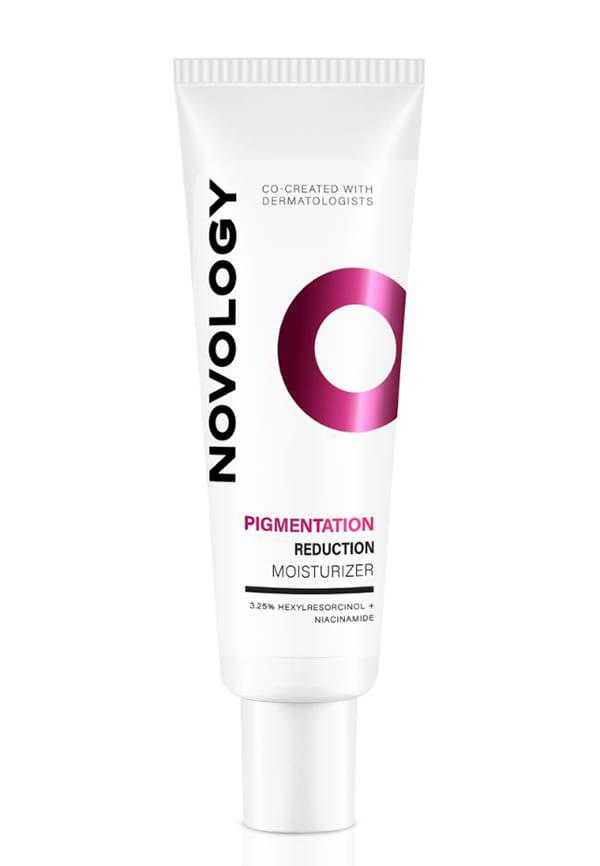
Pigmentation Moisturiser, Face Cream for Hyperpigmentation & Dark Spots
Sun protection isn't negotiable when you're dealing with Indian skin pigmentation. You need a broad-spectrum SPF 30 or higher, applied generously and reapplied every two to three hours. Physical sunscreens with zinc oxide or titanium dioxide work particularly well for sensitive, pigmentation-prone skin.
Harsh scrubbing and aggressive treatments can actually worsen hyperpigmentation by causing more inflammation. Stick to gentle, pH-balanced cleansers and avoid over-exfoliating. When you do exfoliate, choose chemical exfoliants like lactic acid or mandelic acid, which are gentler than physical scrubs.
Incorporating antioxidants like vitamin C, vitamin E, and niacinamide can help prevent free radical damage and reduce inflammation. These ingredients work as a protective shield against environmental stressors that trigger melanin production.
When it comes to skin discoloration remedies, patience and consistency are key. Most treatments take 6-12 weeks to show visible results, and some stubborn spots may take even longer to fade.
Hydroquinone remains the gold standard for treating hyperpigmentation. Available in 2% concentrations over-the-counter, it works by inhibiting tyrosinase, the enzyme responsible for melanin production. However, it should be used under guidance and for limited periods to avoid potential side effects.
Tretinoin and other retinoids accelerate cell turnover, helping to shed pigmented cells faster whilst preventing new dark spots from forming. Start with lower concentrations and gradually increase to avoid irritation, which could worsen hyperpigmentation.
Kojic acid, derived from fungi, is a natural tyrosinase inhibitor that's gentler than hydroquinone. Azelaic acid is another excellent option for sensitive skin, offering both anti-inflammatory and pigment-reducing benefits. Niacinamide works by reducing melanin transfer from melanocytes to skin cells, making it an excellent preventive and treatment ingredient.
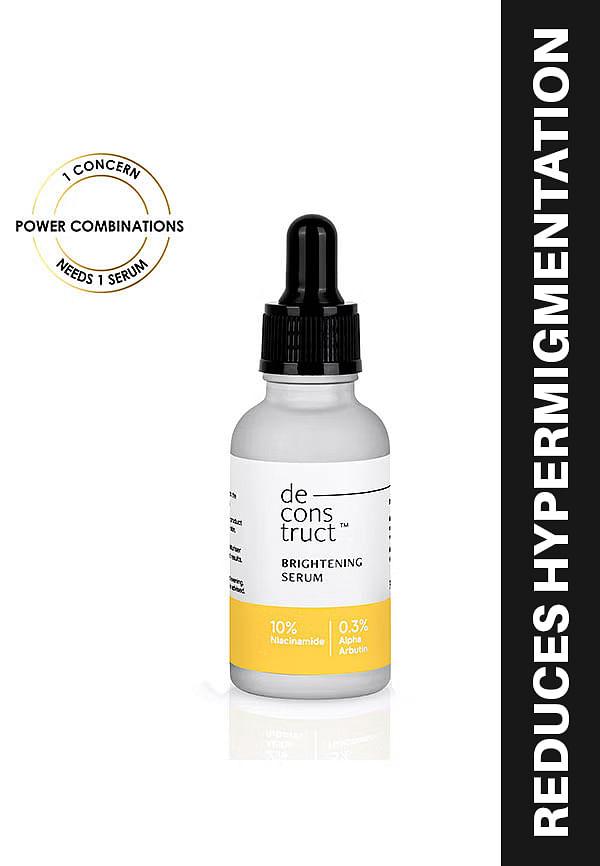
Brightening Face Serum for Pigmentation & Dark Spots Removal
Most people start seeing improvement in 6-8 weeks with consistent treatment, but complete fading can take 3-6 months or longer. The timeline depends on how deep the pigmentation is, how long it's been there, and which treatments you're using. Newer spots typically respond faster than older, deeper pigmentation.
Indian skin has naturally higher melanin content and more active melanocytes. This evolutionary adaptation provides natural sun protection but also means the skin responds to inflammation and injury by producing melanin more readily. It's essentially a protective mechanism that can sometimes work against us cosmetically.
Many dark spots can be significantly lightened or completely faded with proper treatment, but 'permanent' removal isn't always realistic. The key is consistent prevention and maintenance. Even after successful treatment, new spots can develop if you don't protect your skin from triggers like sun exposure and inflammation.
Avoid harsh physical scrubs, high concentrations of acids without proper introduction, and fragranced products that might cause irritation. Be cautious with DIY remedies like lemon juice, which can actually worsen hyperpigmentation if used incorrectly. Always patch test new products before applying them to your entire face.
Layering active ingredients can be effective but requires careful planning. Never combine hydroquinone with retinoids in the same application, and always introduce new products gradually. A typical routine might include vitamin C in the morning and retinoids at night, with hydroquinone used on alternate evenings.
Watch for spots that are getting darker, larger, or developing irregular borders. If you notice any changes in texture, rapid darkening, or if spots don't respond to treatment after 3-4 months, consult a dermatologist. Sometimes what appears to be simple hyperpigmentation might require professional evaluation.
Understanding why Indian skin gets dark spots faster is the first step towards effective prevention and treatment. Your skin's natural melanin production is both a blessing and a challenge – it protects you from sun damage but also makes you more prone to hyperpigmentation. The key is working with your skin type, not against it.
Remember that treating dark spots is a marathon, not a sprint. Consistency with sun protection, gentle skincare, and proven active ingredients will give you the best results over time. Don't be tempted by quick fixes or harsh treatments that promise overnight results – they often do more harm than good.
If you're curious about trying new products for your hyperpigmentation concerns, Smytten offers a smart way to test best dark spot correctors and skincare products before committing to full sizes. With access to trusted brands and the ability to try products risk-free, you can find what works for your unique skin without the guesswork. After all, when it comes to managing Indian skin pigmentation, finding the right products for your skin is half the battle won.
