Why Eye Skin Needs Special Care: An FAQ

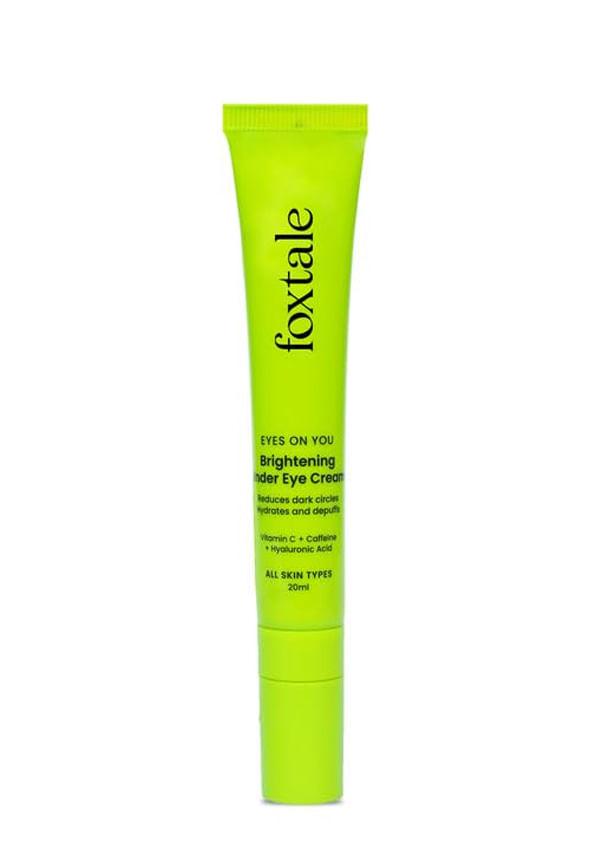
Eyes On You Brightening Under Eye Cream
You've noticed those fine lines appearing around your eyes earlier than anywhere else on your face. Or perhaps you've wondered why your regular moisturiser seems to sting when it gets too close to your lower lash line. The delicate eye area truly is different from the rest of your facial skin, and understanding why can transform how you approach eye skin care. Let's explore what makes this area so unique and whether those specialised eye products are actually worth the investment.
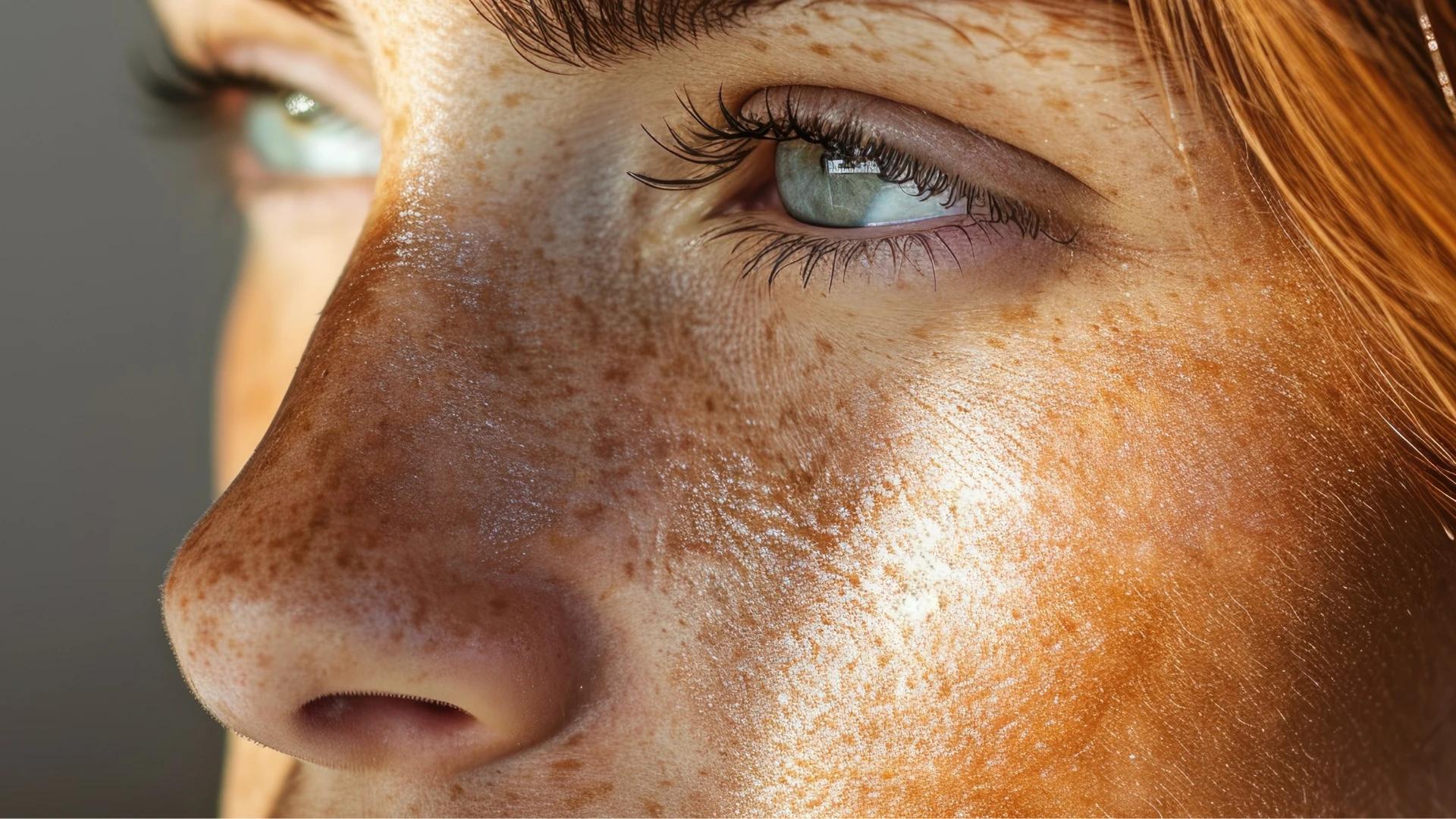
The skin around eyes thinner than anywhere else on your body - we're talking less than 1mm thick compared to the 2-3mm thickness of your cheek skin. This isn't just a minor difference; it's the reason why your eye area shows signs of ageing first and reacts differently to products and environmental stressors.
Your eye skin lacks the subcutaneous fat layer that cushions and protects the rest of your face. This missing protective barrier means blood vessels sit closer to the surface, which is why you can see those blue-purple veins under your eyes. The transparency also means any inflammation or fluid retention becomes immediately visible as puffiness or dark circles.
Unlike your T-zone, the eye area has significantly fewer sebaceous glands. This means less natural oil production and a weaker moisture barrier. Your eye skin simply can't retain hydration as effectively as other areas of your face, making it more prone to dryness and eye skin sensitivity.
Consider this: you blink approximately 15,000 to 20,000 times per day. Add in squinting from bright screens, laughing, and general facial expressions, and you're looking at constant muscle movement that gradually breaks down collagen and elastin fibres. This repetitive stress is why expression lines develop around the eyes before anywhere else.
The unique structure of eye skin means certain concerns develop more quickly and prominently than they would elsewhere on your face. Understanding these patterns helps explain why targeted treatments often work better than general skincare approaches.
Under eye wrinkles typically appear in your mid-to-late twenties, often as the first visible sign of ageing. The combination of thin skin, constant movement, and sun damage creates the perfect storm for premature line formation. These aren't just surface-level concerns - they represent actual structural changes in the skin's support system.
The transparency of eye skin means dark circles treatment often requires a multi-faceted approach. Sometimes you're seeing blood vessels, other times it's post-inflammatory hyperpigmentation from rubbing or allergies. Genetics play a huge role here - some people simply have naturally thinner skin or more prominent orbital bones that create shadowing.
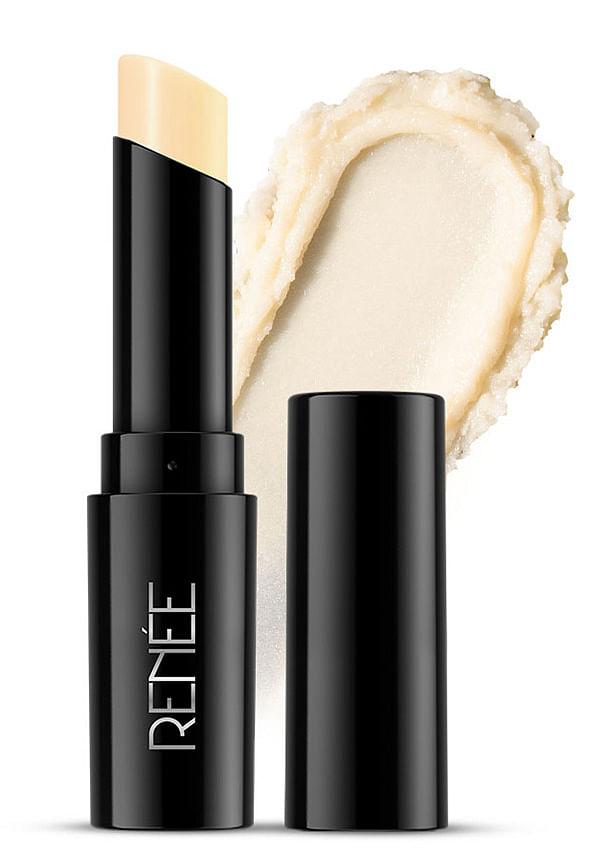
Retinol Eye Stick
The lymphatic drainage system around your eyes is more delicate and can become sluggish, especially overnight when you're lying flat. This is why puffy eyes remedy often involves both topical treatments and lifestyle adjustments. Morning puffiness that subsides within an hour is normal; persistent swelling may indicate allergies or other underlying issues.
This is probably the most common question in skincare, and the answer isn't as straightforward as brands would have you believe. The truth lies somewhere between "absolutely essential" and "complete marketing gimmick."
Your favourite face serum might be too strong for the eye area. Active ingredients like retinol, AHAs, or high concentrations of vitamin C can cause irritation when applied to thinner, more sensitive eye skin. The pH levels and delivery systems in facial products are often formulated for thicker, more resilient skin.
Dedicated eye products typically feature gentler formulations with lower concentrations of active ingredients. They're designed to address specific concerns like dark circles with targeted ingredients such as caffeine or vitamin K. The textures are usually lighter to avoid milia (those tiny white bumps) that can form when heavy creams clog the delicate pores around your eyes.
If you're using gentle, fragrance-free products that are specifically labelled as safe for the eye area, you might not need separate products. Many people successfully use their regular hyaluronic acid serum or gentle moisturiser around their eyes without issues. The key is knowing your skin's tolerance level and starting slowly.
When you do decide to invest in dedicated eye care, understanding which ingredients target which concerns can help you make smarter choices rather than falling for marketing promises.
For treating eye wrinkles, look for peptides that support collagen production and gentle forms of retinol like retinyl palmitate. Niacinamide works beautifully for both fine lines and dark circles, whilst caffeine can temporarily tighten and de-puff the area. Ceramides and hyaluronic acid provide essential hydration without heaviness.
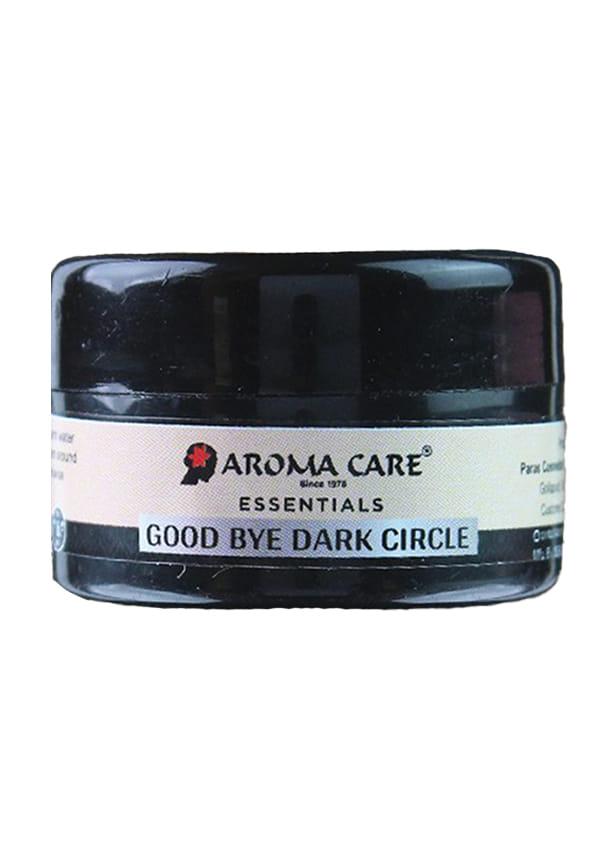
Good Bye Dark Circle
The best eye serum for you depends on your primary concern and skin type. Lightweight gels work well for morning use under makeup, whilst richer creams are better for overnight repair. Some people prefer the precision of a serum for targeted treatment, then follow with a gentle moisturiser for hydration.
Use your ring finger (it applies the least pressure) and gently pat products from the inner corner outward, following the orbital bone. Never rub or pull at the skin. Apply eye products before your face moisturiser to ensure proper absorption, and always work from thinnest to thickest consistency.
The best eye care routine combines the right products with protective habits that prevent damage in the first place. Prevention is genuinely more effective than trying to reverse existing damage.
Broad-spectrum SPF is non-negotiable for preventing premature ageing around the eyes. Many people skip this area when applying sunscreen, but UV damage is one of the primary causes of early wrinkle formation. Sunglasses provide additional protection and reduce squinting.
Quality sleep affects everything from dark circles to puffiness. Dehydration shows up first around the eyes, making fine lines more prominent. If you spend long hours looking at screens, follow the 20-20-20 rule: every 20 minutes, look at something 20 feet away for 20 seconds to reduce eye strain and excessive blinking.
Start simple: gentle cleanser, hydrating serum or eye cream, and SPF in the morning. Evening routine can include the same hydrating products plus any treatment serums. Introduce new products one at a time and give them at least 6-8 weeks to show results.
The eye area has the thinnest skin on your body at less than 1mm thick, lacks protective subcutaneous fat, has fewer oil glands, and experiences constant movement from blinking and expressions. These factors make it more vulnerable to damage, dehydration, and early signs of ageing.
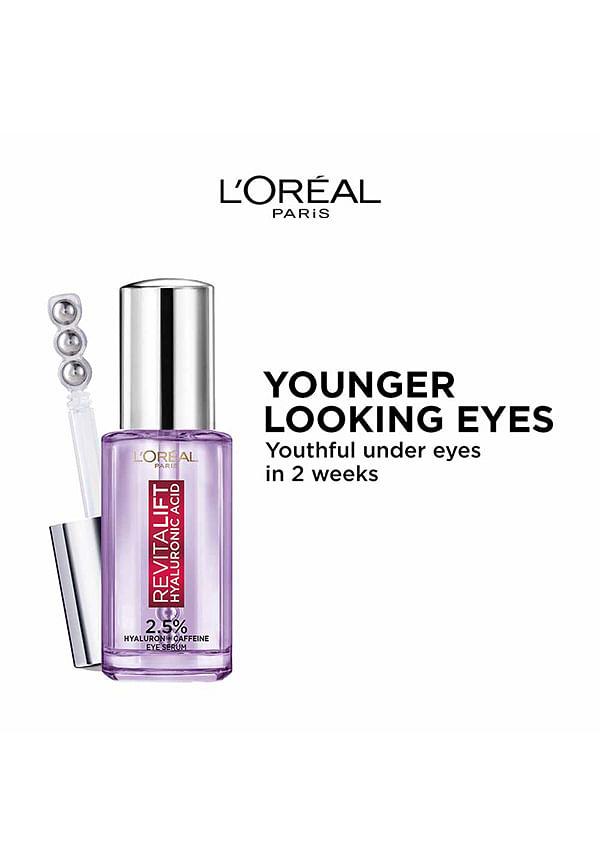
Revitalift Hyaluronic Acid Eye Serum
It depends on the formula. Gentle, fragrance-free moisturisers that don't contain strong actives can often work fine around the eyes. However, products with retinol, AHAs, or high concentrations of vitamin C may be too irritating for the delicate eye area.
Prevention is key, so starting with a gentle eye cream or serum in your early twenties isn't too early. Focus on hydration and sun protection initially. More targeted treatments for specific concerns like wrinkles or dark circles can be introduced as needed, typically in your late twenties or early thirties.
Dark circles have multiple causes: thin skin showing blood vessels, genetics, post-inflammatory hyperpigmentation, allergies, or lifestyle factors like poor sleep. Treatment depends on the cause - caffeine for puffiness, vitamin C for pigmentation, or addressing underlying allergies or sleep issues.
Overnight, lymphatic drainage slows down and fluid can accumulate around the eyes, especially when lying flat. This is normal and usually subsides within an hour of being upright. Persistent puffiness may indicate allergies, too much salt in your diet, or hormonal changes.
Price doesn't always correlate with effectiveness. Many affordable eye products contain the same beneficial ingredients as luxury versions. Focus on ingredient lists rather than price tags, and remember that consistency in use matters more than the cost of the product.
Yes, thyroid issues can cause puffiness, anaemia can worsen dark circles, and allergies can lead to chronic inflammation and pigmentation. If you notice sudden changes in your eye area appearance, it's worth discussing with a healthcare provider to rule out underlying conditions.
Understanding why your eye area needs special attention isn't about falling for marketing tactics - it's about recognising the genuine structural differences that make this area more vulnerable. Whether you choose dedicated eye products or adapt your existing routine, the key is gentle, consistent care that addresses your specific concerns.
The most effective approach combines the right products with protective habits: consistent SPF use, gentle application techniques, and lifestyle factors that support overall skin health. Remember, the goal isn't perfection but maintaining healthy, comfortable skin that ages gracefully.
If you're curious about trying different eye care formulations without committing to full sizes, platforms like Smytten let you explore minis from trusted brands before making larger investments. With over 28 million users discovering products through trial sizes, it's become a smart way to test what works for your unique skin needs before you invest in the full-size versions.
