Why Doctors Recommend Patch Testing New Skincare: FAQ


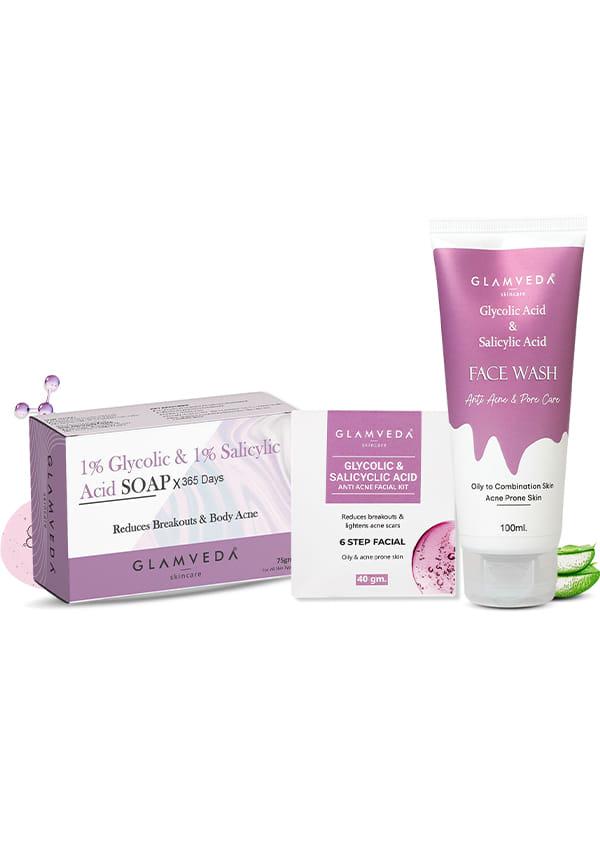
1% Glycolic Acid & 1% Salicylic Acid Anti-Acne Kit
Ever wondered why your dermatologist insists on patch testing before you try that exciting new serum? You're not alone. With skincare aisles overflowing with promising products and social media buzzing about the latest miracle ingredients, it's tempting to dive straight in. But here's the thing—your skin is unique, and what works brilliantly for your friend might trigger an unwanted reaction for you. Patch testing isn't just medical caution; it's your skin's safety net. Whether you're exploring new products through platforms like Smytten or investing in full-size treatments, understanding why doctors recommend patch testing can save you from painful reactions, costly mistakes, and weeks of skin recovery. Let's dive into the science behind this simple yet crucial step that could transform your skincare journey.
TL;DR
Patch testing identifies potential allergic reactions before applying products to your entire face, preventing contact dermatitis and skin damage
Dermatologists recommend testing because skin sensitivity varies greatly between individuals, and even 'natural' ingredients can trigger reactions
Proper patch testing involves applying a small amount to your inner forearm for 24-72 hours and monitoring for redness, swelling, or irritation
People with sensitive skin, history of allergies, or those trying potent active ingredients should prioritise patch testing
Professional allergy testing offers more comprehensive results than home testing, especially for identifying specific ingredient sensitivities
Skincare patch testing is a simple safety procedure where you apply a small amount of a new product to a discrete area of skin to check for adverse reactions before using it on your face. Think of it as a trial run for your skin—much like how you might sample a new fragrance before committing to the full bottle.
The medical reasoning behind dermatologist skincare recommendations is rooted in solid science. Contact dermatitis affects approximately 15-20% of the population, with cosmetic products being one of the leading causes. When you consider that the average skincare product contains 15-50 different ingredients, the potential for reactions multiplies significantly. Dermatologists see the aftermath of skipped patch tests daily—inflamed, damaged skin that takes weeks to heal and often requires prescription treatments.
Your skin's immune system is constantly on guard, ready to react to perceived threats. When you introduce new ingredients, your immune cells might recognise them as foreign invaders, triggering inflammation. This reaction can happen immediately (within minutes to hours) or develop slowly over 24-72 hours—which is why proper patch testing requires patience.
Common allergens lurking in skincare include fragrances, preservatives like parabens and formaldehyde-releasing agents, botanical extracts, and even seemingly gentle ingredients like lanolin or coconut derivatives. The tricky bit? Natural doesn't always mean safe—poison ivy is natural, after all.
The primary skincare patch test purpose extends far beyond simply avoiding a rash. It's about protecting your skin barrier function—that crucial protective layer that keeps moisture in and irritants out. When this barrier is compromised by allergic reactions, your skin becomes vulnerable to further irritation, infection, and premature ageing.
From a practical standpoint, patch testing is remarkably cost-effective. Consider this: treating contact dermatitis often requires prescription medications, dermatologist visits, and weeks of gentle, expensive skincare to repair the damage. A simple 48-hour patch test can prevent all of this. Plus, when you're confident in your products, you're more likely to stick to your routine consistently—and consistency is key to seeing real skincare results.
While everyone benefits from patch testing, certain groups should consider it absolutely essential. If you have sensitive skin that tends to react to new products, a history of eczema or dermatitis, or known allergies to specific ingredients, patch testing becomes non-negotiable.
People trying potent active ingredients like retinoids, alpha hydroxy acids, or high-concentration vitamin C should also prioritise testing. These ingredients can cause irritation even in non-sensitive individuals, and patch testing helps you gauge your skin's tolerance level before committing to regular use.
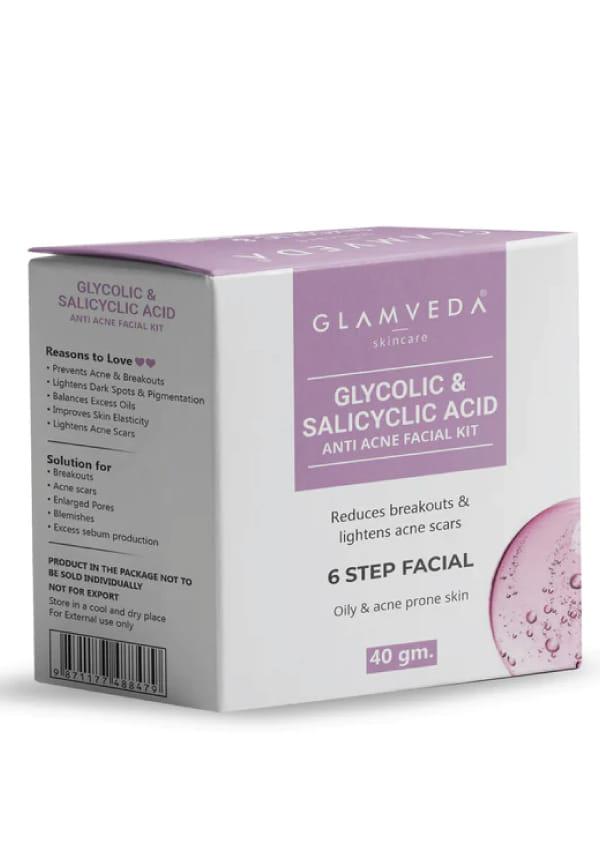
Glycolic Acid & 2% ww Salicylic Acid Anti Acne Facial kit
Good, Clear, and Refreshing
 5
5“so gooodddd clear and refreshing”
Good, Clear, and Refreshing
5“so gooodddd clear and refreshing”
Positive Product Experience
5“nice product nice package nice fragrance”
Proper patch testing is surprisingly straightforward, but the details matter. Start by choosing your test site—the inner forearm is ideal because the skin here is sensitive enough to react but not as delicate as your face. Some dermatologists prefer the area behind your ear, especially for products you'll use near your eyes or on sensitive facial areas.
Clean the test area gently with water and pat dry. Apply a small amount of the product (about the size of a match head) and let it dry completely. If you're testing multiple products, space them at least 2 inches apart and label each spot with a washable marker. Cover with a small bandage if needed, but ensure the area can still breathe.
While home patch testing is valuable, professional allergy testing offers comprehensive insights that home methods simply can't match. Medical patch testing involves applying standardised concentrations of common allergens to your back under controlled conditions, typically for 48-72 hours.
Professional testing can identify specific ingredients you're allergic to, not just whether a particular product causes reactions. This information becomes invaluable when reading ingredient lists and choosing future products. However, professional testing is more expensive and time-consuming, making home testing a practical first step for most people.
Reading patch test results requires a bit of detective work. Normal skin should show no changes—no redness, swelling, itching, or unusual sensations. Mild redness that appears and disappears quickly might indicate minor irritation rather than a true allergic reaction, but it's still worth noting.
Concerning reactions include persistent redness, swelling, itching, burning sensations, or the development of small bumps or blisters. If the test area turns dark or black, this typically indicates severe irritation or an allergic reaction—remove the product immediately and cleanse the area gently.
Redness (erythema) is the most common reaction, ranging from mild pink to angry red. Mild, temporary redness might be acceptable, especially with active ingredients, but persistent or intense redness suggests the product isn't suitable for you.
Swelling and itching together typically indicate an allergic response rather than simple irritation. If you experience these symptoms, discontinue testing immediately and consider consulting a dermatologist if symptoms persist or worsen.
Building a systematic approach to skincare ingredient safety starts with understanding your skin's patterns. Keep a simple log of products you've tested, noting any reactions and the specific ingredients involved. Over time, you'll identify your personal 'safe' and 'avoid' lists.
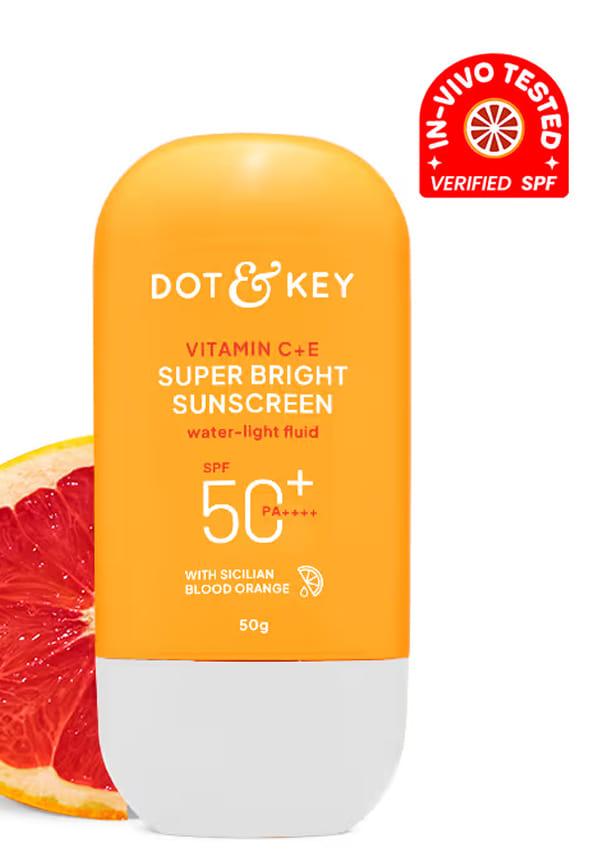
Vitamin C + E Sunscreen, IN-VIVO Tested SPF 50+ PA++++
Loved This Sunscreen
5“I loveeeeee thisssss sunscreemmmm”
Favourite Product
5“one of them my favourite product”
Favourite Product
5“one of them my favourite product”
When introducing multiple new products, test them individually rather than simultaneously. This approach helps you pinpoint exactly which product or ingredient caused any reaction. Consider seasonal timing too—your skin might be more reactive during harsh weather or times of stress.
Active ingredients like retinoids, salicylic acid, and glycolic acid require special attention during patch testing. These ingredients can cause expected irritation as your skin adjusts, making it tricky to distinguish between normal adjustment and problematic reactions.
Start with lower concentrations and shorter contact times when testing actives. For example, if testing a retinol product, apply it for just 10-15 minutes initially, then gradually increase exposure time if no reaction occurs. This gradual approach helps your skin build tolerance while minimising the risk of severe irritation.
Absolutely. The time invested in patch testing—typically 24-72 hours—can prevent weeks of skin recovery and expensive treatments. Consider that treating contact dermatitis often costs more than several full-size skincare products, not to mention the discomfort and potential scarring from severe reactions. Dermatologists consistently report that patients who patch test experience fewer adverse reactions and maintain healthier skin long-term.
The primary purpose is identifying potential allergens before they cause widespread skin damage. Patch testing helps determine whether your immune system recognises specific ingredients as threats, preventing contact dermatitis, protecting your skin barrier, and building confidence in your product choices. It's essentially a safety screening that helps you make informed decisions about what goes on your skin.
No test is 100% accurate, and patch testing has limitations. False negatives can occur if you test during a period when your immune system is suppressed, or if the concentration used in testing differs from the final product. False positives might happen if you have irritated skin or use too much product during testing. Professional patch testing typically achieves 70-80% accuracy, while home testing is somewhat less reliable but still valuable for identifying obvious reactions.
Dermatologists strongly recommend patch testing for anyone with sensitive skin, known allergies, or when trying potent active ingredients. While not every single product requires testing—you might skip it for gentle, familiar ingredients—it's particularly important for new brands, products with long ingredient lists, or anything containing fragrances, preservatives, or active ingredients. When exploring products through trial platforms like Smytten, patch testing becomes even more valuable since you're likely trying multiple new formulations.
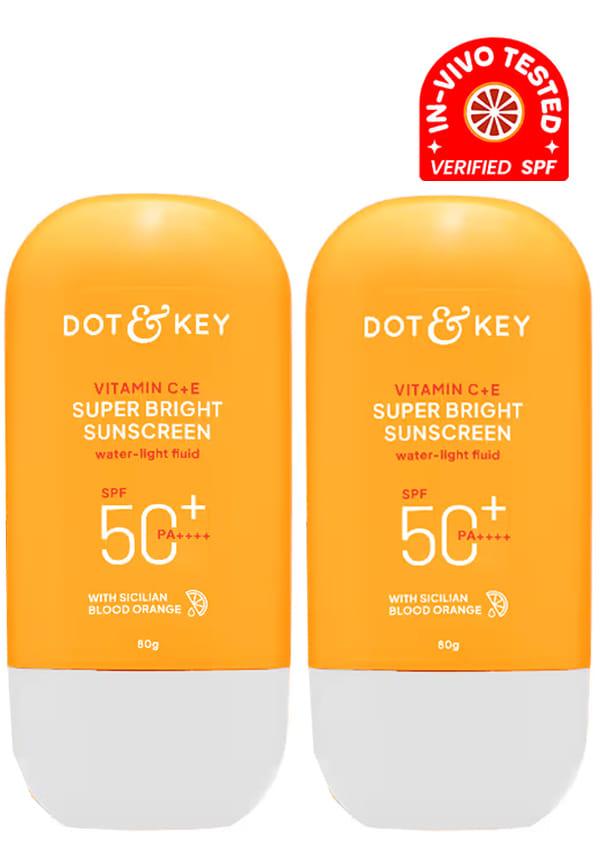
Vitamin C + E Sunscreen, IN-VIVO Tested SPF 50+ PA++++
Loved Product, Will Repurchase
5“loved the product and purchase it again and again my favourite recently”
Very Good, Light Weight Product
5“very good project so light weight and I love it”
Very Good, Light Weight Product
5“very good project so light weight and I love it”
Professional patch testing typically screens for 80+ common allergens, including fragrance mixes, preservatives (parabens, formaldehyde releasers), metals (nickel, chromium), rubber chemicals, and botanical extracts. Skincare-specific allergens include propylene glycol, lanolin, coconut diethanolamide, and various essential oils. The specific panel used depends on your suspected triggers and the testing facility's protocols.
While home patch testing handles most situations effectively, certain circumstances warrant professional intervention. If you experience severe reactions during home testing—such as blistering, intense burning, or reactions that spread beyond the test area—seek medical attention promptly.
Professional testing becomes valuable when you have multiple sensitivities, need to identify specific problematic ingredients, or when home testing results are unclear. Many insurance plans cover patch testing when medically necessary, particularly if you have a documented history of contact dermatitis.
Severe reactions during home testing require immediate attention. These include blistering, severe swelling that extends beyond the application area, intense burning that doesn't subside after removing the product, or any signs of infection like pus or red streaking.
Persistent skin issues despite careful patch testing might indicate underlying conditions like eczema or rosacea that require professional diagnosis and treatment. If you find yourself reacting to multiple products or ingredients, a dermatologist can help identify patterns and develop a comprehensive management strategy.
Product | Skin Type | Key Concerns | Price Range | Key Ingredients |
|---|---|---|---|---|
Cetaphil Optimal Healthy Renew Micellar Cleanser | Sensitive, Dry | Gentle cleansing, barrier care | Premium | Micellar technology |
Minimalist 2% Salicylic Acid Face Wash | Oily, Acne-prone | Acne, blackheads, pore cleansing | Mid-range | 2% Salicylic Acid, Aloe Vera |
Dot & Key Vitamin C + E Super Bright Gel Face Wash | Dull, All types | Brightening, uneven tone | Mid-range | Triple Vitamin C, Vitamin E |
Neutrogena Oil Free Acne Wash | Oily, Acne-prone | Acne control, oil management | Mid-range | Salicylic Acid |
Plum Goji Berry & 5% Glycolic Acid Exfoliating Toner | All types, Dull | Exfoliation, brightening | Mid-range | 5% Glycolic Acid, Goji Berry |
Patch testing represents one of the simplest yet most effective ways to protect your skin from adverse reactions. The science is clear: taking 24-72 hours to test a product can prevent weeks of skin damage and costly treatments. Whether you're dealing with sensitive skin, trying potent actives, or simply want to be cautious with new products, patch testing offers invaluable peace of mind.
Remember that patch testing isn't just about avoiding dramatic allergic reactions—it's about understanding your skin's unique needs and building a routine that truly works for you. The insights gained from systematic testing help you make informed choices about ingredients, concentrations, and product combinations.
While home patch testing handles most situations effectively, don't hesitate to seek professional help when needed. Dermatologists can provide comprehensive allergy testing and help you develop strategies for managing sensitive or reactive skin long-term.
Your skincare journey should be about discovery and confidence, not anxiety about potential reactions. This is where platforms like Smytten truly shine—offering curated trial packs from over 2,400 trusted brands including Cetaphil, Dot & Key, and WishCare. With trial minis available for just ₹279 and 100% cashback on purchases, you can explore new products affordably while maintaining your patch testing routine. The beauty of trying before you buy means you can test products properly without the pressure of committing to full sizes. With over 28 million users and 90% pincode coverage across India, Smytten makes product discovery both safe and rewarding. After all, why settle for 'maybe' when you can patch test, try it all, and find what truly works for your unique skin?
