What Skincare Should Men Use? Your Questions Answered


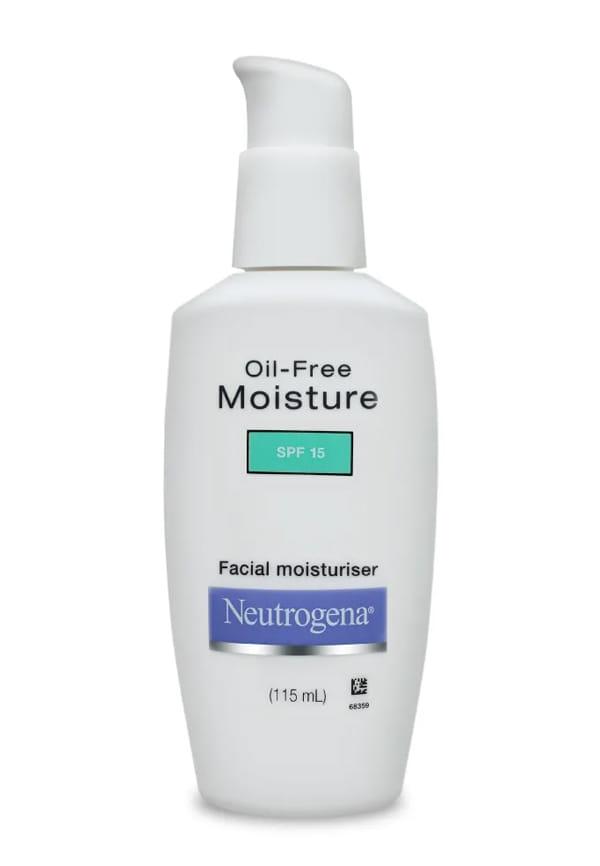
Oil Free Face Moisture SPF 15 For Normal To Oily Skin
You've probably wondered if that basic soap-and-water routine you've been following since your teens is actually doing your skin any favours. Maybe you've noticed your partner's glowing complexion and started questioning whether men's skin really needs different care. Or perhaps you're dealing with persistent breakouts, razor burn, or early signs of ageing that make you think it's time to step up your grooming game. The truth is, men's skin has unique needs that deserve proper attention, and building the right skincare routine doesn't have to be complicated or time-consuming.
Men's skin isn't just a thicker version of women's skin—it's structurally different in ways that affect how you should care for it. Your skin is typically 25% thicker than women's, with higher collagen density that gives it a firmer texture. This might sound like an advantage, but it also means your skin produces more oil, has larger pores, and can be more prone to congestion.
The daily ritual of shaving adds another layer of complexity to men's facial care. Every time you shave, you're essentially exfoliating the top layer of your skin, which can lead to irritation, ingrown hairs, and a compromised skin barrier. This is why many men experience sensitivity around the jawline and neck area, even if they don't consider themselves to have sensitive skin elsewhere.
Your skincare needs evolve as you age, and understanding these changes helps you choose the right products. In your twenties, you're likely dealing with excess oil production, occasional breakouts, and post-shave irritation. Your skin's natural repair mechanisms are still working efficiently, so a simple routine focusing on cleansing and protection works well.
Once you hit your thirties, you might notice the first signs of ageing—fine lines around the eyes, perhaps some sun damage from years of outdoor activities. This is when prevention becomes crucial. Your skin's collagen production starts to slow down, and environmental factors like stress, pollution, and UV exposure begin to show their cumulative effects.
Men in their forties and beyond often face more pronounced concerns: deeper lines, age spots, and changes in skin texture. The good news is that men's thicker skin means these changes often appear more gradually than they do for women, giving you time to address them effectively with the right products.
Building an effective men's skincare routine doesn't require a bathroom cabinet full of products. Focus on these four essential steps, and you'll address the majority of your skin's needs without overwhelming your schedule or your skin.
Start your day by cleansing away overnight buildup. While you sleep, your skin repairs itself and sheds dead cells, plus any products you applied the night before need to be refreshed. Use a gentle cleanser that removes oil and debris without stripping your skin's natural protective barrier.
Follow with a lightweight moisturiser that hydrates without leaving a greasy residue. Many men skip this step, thinking their oily skin doesn't need moisture, but this actually triggers more oil production as your skin tries to compensate for dehydration.
The most important step in any men's grooming routine is broad-spectrum SPF. UV damage is the primary cause of premature ageing, and daily sun protection is non-negotiable. Look for an SPF 30 or higher that you'll actually want to use—lightweight formulas that absorb quickly work best for daily wear.
Evening routines focus on repair and renewal. Start with a thorough cleanse to remove the day's accumulation of dirt, pollution, and excess oil. If you've been active or spent time outdoors, consider a double cleanse—first with an oil-based cleanser to break down stubborn residue, then with your regular face wash.
Two to three times per week, incorporate gentle exfoliation to prevent ingrown hairs and keep your skin smooth. Chemical exfoliants with salicylic acid or glycolic acid work better than harsh scrubs, which can irritate freshly shaved skin.
Finish with a nourishing moisturiser that works while you sleep. Night-time is when your skin does its heaviest repair work, so this is the perfect time for richer formulations or targeted treatments.
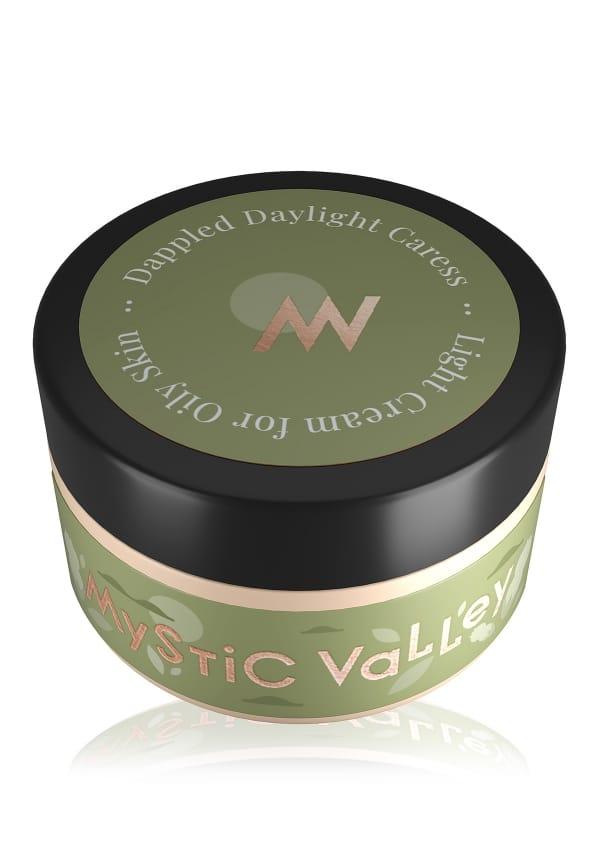
Non Oily Day Cream SPF 15
Understanding your skin type is crucial for choosing products that will actually work for you. Most men fall into one of four categories, though you might notice your skin behaves differently in various areas of your face.
If your skin feels greasy by midday and you're prone to blackheads and breakouts, you likely have oily skin. Look for cleansers containing salicylic acid or benzoyl peroxide, which help control oil production and prevent clogged pores. Despite what you might think, oily skin still needs moisture—just choose oil-free formulations with ingredients like niacinamide, which actually helps regulate sebum production.
Weekly clay masks can help deep-clean pores without over-drying your skin. The key is consistency rather than harsh treatments that strip your skin and trigger even more oil production.
Dry skin often feels tight after cleansing and may show flaking or rough patches. Choose hydrating cleansers with ceramides or hyaluronic acid that clean without stripping natural oils. Your moisturiser should be richer than what oily skin types need—look for ingredients like glycerin, shea butter, or squalane.
Gentle exfoliation is important for dry skin to prevent flaking, but avoid over-doing it. Once or twice a week is sufficient, and always follow with a good moisturiser.
Sensitive skin reacts easily to new products, fragrances, or environmental changes. Stick to fragrance-free, hypoallergenic formulations and introduce new products one at a time. Mineral sunscreens with zinc oxide or titanium dioxide are generally better tolerated than chemical sunscreens.
Always patch test new products on a small area before applying to your entire face. Your inner wrist or behind your ear are good testing spots.
Many men have combination skin—oily in the T-zone (forehead, nose, chin) but normal or dry on the cheeks. This requires a balanced approach. Use gentle, non-stripping cleansers and lightweight moisturisers that won't clog pores but still provide adequate hydration.
You might need different products for different areas of your face, or look for formulations specifically designed for combination skin that balance oil control with hydration.
Anti-ageing isn't just about vanity—it's about maintaining healthy, resilient skin as you age. The earlier you start, the better your results will be, but it's never too late to begin taking better care of your skin.
Daily SPF use is the single most effective anti-ageing step you can take. UV damage accumulates over time, leading to wrinkles, age spots, and loss of skin elasticity. Make sun protection a non-negotiable part of your routine, regardless of the weather or season.
Antioxidant serums with vitamin C or E help protect against environmental damage and can brighten your complexion over time. Apply these in the morning before your moisturiser and SPF for maximum benefit.
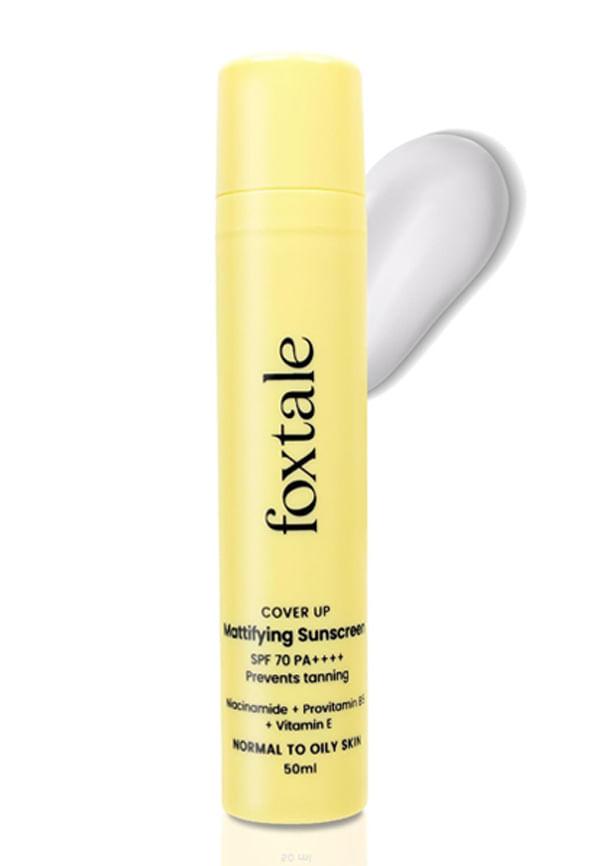
SPF 70 Matte Finish Sunscreen for Oily Skin
Once you're in your thirties, consider incorporating retinoids into your night routine. These vitamin A derivatives are proven to reduce fine lines, improve skin texture, and boost collagen production. Start with a low concentration and use every other night to build tolerance.
Peptide creams are another excellent option for men who want to address signs of ageing without the potential irritation of retinoids. These ingredients help support your skin's natural collagen production and can improve firmness over time.
Remember that consistency is more important than using the most expensive products. A simple routine followed religiously will give you better results than an elaborate regimen you only follow occasionally.
Many men unknowingly sabotage their skincare efforts with habits that seem logical but actually damage their skin. Over-cleansing is one of the biggest culprits—washing your face more than twice daily or using harsh scrubs can strip your skin's protective barrier and trigger increased oil production.
Another common mistake is skipping moisturiser on oily skin. This creates a cycle where your skin produces more oil to compensate for dehydration, leading to more breakouts and shine. Every skin type needs hydration, just in different formulations.
Inconsistency is perhaps the most frustrating mistake because it prevents you from seeing real results. Skincare requires patience—most products need 4-6 weeks of regular use before you'll notice significant improvements. Don't give up on a routine too quickly, and avoid constantly switching products.
Many men also make the mistake of using their partner's products without considering whether they're appropriate for their skin type. While not harmful, men's skin often benefits from different formulations designed for its unique characteristics.
The best skincare routine is one you'll actually follow consistently. Start simple and build complexity gradually as you become more comfortable with the process and understand your skin's specific needs.
If you're new to skincare beyond basic washing, start with three essential products: a gentle cleanser, a lightweight moisturiser, and a broad-spectrum SPF. This foundation addresses the most important aspects of skin health without overwhelming your routine or budget.
Introduce products gradually—start with the cleanser and moisturiser for a week, then add SPF. This allows your skin to adjust and helps you identify any products that might not work for you.
Once you're comfortable with the basics, you can add targeted treatments like serums for specific concerns, weekly exfoliation, or anti-ageing products. The key is layering products correctly—thinnest to thickest consistency, with treatments applied before moisturiser.
Advanced routines might include a vitamin C serum in the morning, retinoid treatment at night, or targeted spot treatments for blemishes. Remember that more isn't always better—your skin can only absorb so much product at once.
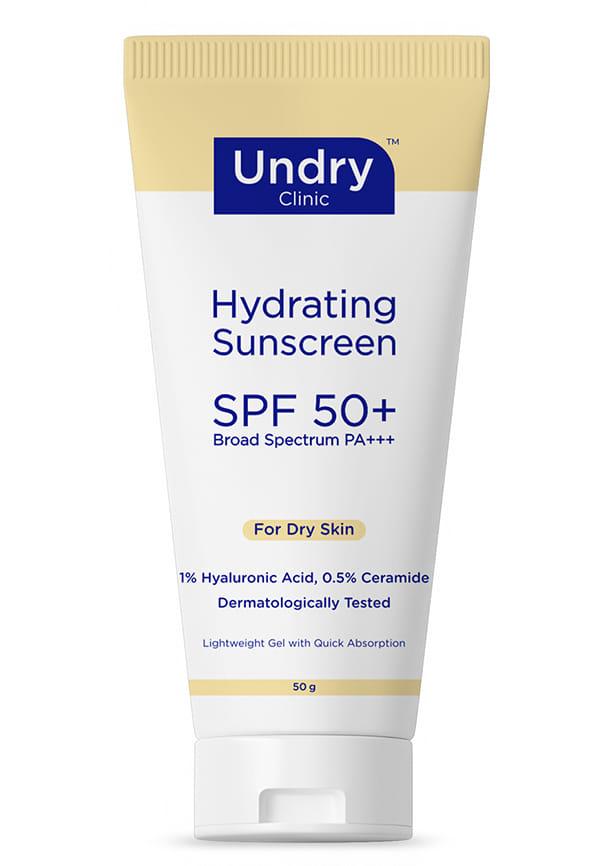
Hydrating Sunscreen for Dry Skin SPF 50
Every man should use a gentle cleanser, moisturiser, and broad-spectrum SPF daily. These three products form the foundation of healthy skin. Additional products like serums, exfoliants, or treatments can address specific concerns like acne, ageing, or sensitivity, but aren't necessary for everyone.
A basic men's skincare routine includes cleansing twice daily, moisturising morning and night, and applying SPF every morning. Advanced routines may include exfoliation 2-3 times weekly, targeted serums for specific concerns, and anti-ageing treatments. The key is consistency rather than complexity.
The best skincare set depends on your skin type and specific concerns. Look for dermatologist-recommended brands that offer cleanser, moisturiser, and SPF combinations. For oily skin, choose oil-free formulations with salicylic acid. For dry skin, look for hydrating ingredients like hyaluronic acid and ceramides.
Most men notice improvements in skin texture and hydration within 2-4 weeks of consistent use. Anti-ageing benefits typically become visible after 8-12 weeks. Acne treatments may show initial improvement in 4-6 weeks, but full results can take 3-4 months. Patience and consistency are crucial for seeing real changes.
While not harmful, men's skin has different needs due to its thicker structure, higher oil production, and daily shaving. Men's products are typically formulated for these characteristics and may be more suitable. However, if a women's product works well for your skin type, there's no reason to avoid it.
Day routines focus on protection—cleanser, moisturiser, and SPF to shield your skin from environmental damage. Night routines emphasise repair and treatment—thorough cleansing, targeted treatments like retinoids or serums, and richer moisturisers that work while you sleep.
Yes, gentle exfoliation 2-3 times weekly helps prevent ingrown hairs, removes dead skin cells, and keeps skin smooth. Chemical exfoliants with salicylic acid or glycolic acid are generally better than physical scrubs, especially for men who shave regularly. Always moisturise after exfoliating.
Choose based on your skin type: oil-free, lightweight formulas for oily skin; richer, hydrating formulas for dry skin; fragrance-free options for sensitive skin. Look for beneficial ingredients like niacinamide for oil control, hyaluronic acid for hydration, or ceramides for barrier repair.
Building an effective men's skincare routine doesn't require a complete lifestyle overhaul or a bathroom cabinet full of expensive products. The key is understanding your skin's unique needs and addressing them with consistent, targeted care. Whether you're dealing with oily skin, early signs of ageing, or post-shave irritation, the right combination of gentle cleansing, proper hydration, and daily sun protection will make a noticeable difference in how your skin looks and feels.
Remember that skincare is a marathon, not a sprint. The habits you build today will pay dividends for years to come, helping you maintain healthy, resilient skin as you age. Start simple, be patient with the process, and don't be afraid to adjust your routine as your skin's needs change over time.
For those curious about trying new products without committing to full sizes, platforms like Smytten offer an excellent way to explore different brands and formulations. With access to trial sizes from trusted skincare brands, you can discover what works best for your skin before making larger investments. After all, the best skincare routine is one that's perfectly tailored to you.
