What Kojic Acid Does: Your Complete Skin Brightening FAQ

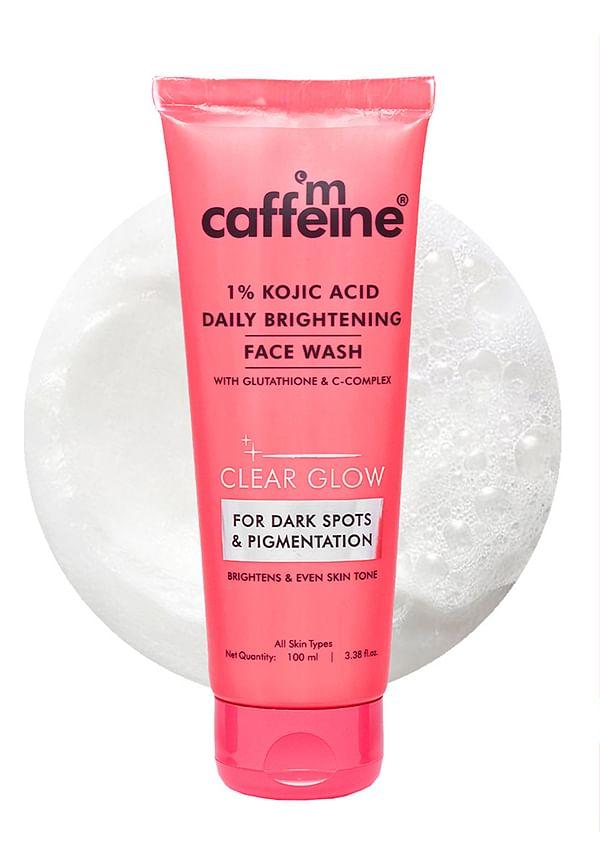
CLEAR GLOW 1% Kojic Acid Daily Brightening Face Wash For Dark Spots & Pigmentation
Soft & Creamy Face Wash
 4
4“this face wash is very soft and creamy texture... I like it...”
Awesome Daily Results
5“I am using daily and it result awesome”
Soft & Creamy Face Wash
4“this face wash is very soft and creamy texture... I like it...”
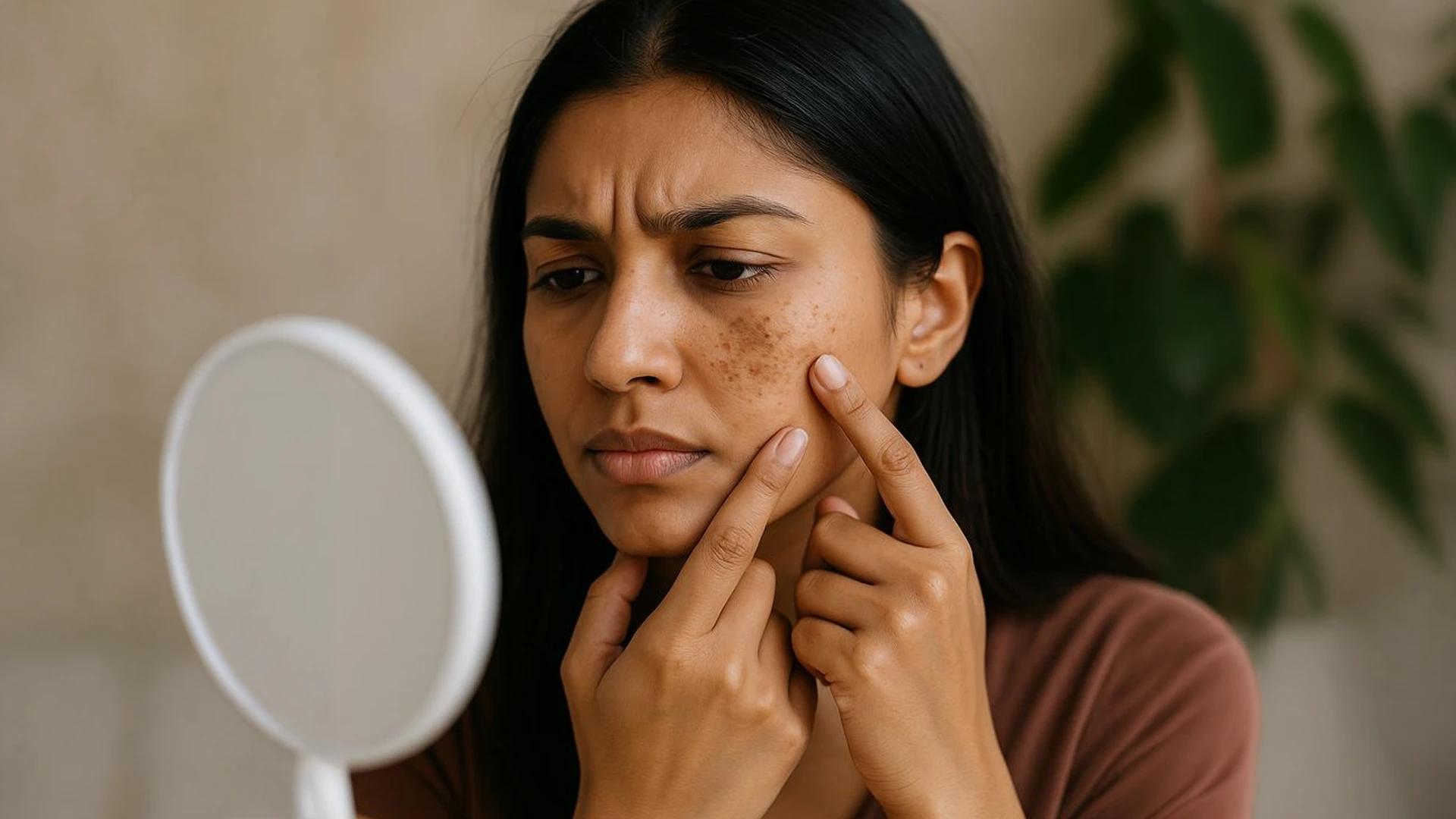
You've been staring at those stubborn dark spots for months now, wondering if they'll ever fade. Maybe it's post-acne marks that refuse to budge, or melasma that appeared seemingly overnight. If you've been researching skin brightening ingredients, you've likely come across kojic acid - but what exactly does this ingredient do, and could it be the answer to your hyperpigmentation concerns?
Kojic acid is a natural compound derived from fungi, specifically Aspergillus oryzae - the same fungus used to make sake, soy sauce, and miso. What makes this ingredient particularly exciting for skincare is its ability to interrupt the skin's melanin production process, which is exactly what causes those persistent dark spots and uneven skin tone.
When your skin produces melanin (the pigment that gives skin its colour), it relies on an enzyme called tyrosinase. Kojic acid works by inhibiting this enzyme, essentially putting the brakes on excess melanin production. Think of it as turning down the volume on your skin's pigment-making machinery rather than switching it off completely.
This mechanism makes kojic acid particularly effective for treating various forms of hyperpigmentation, from sun damage to hormonal melasma. Unlike some harsh treatments that can irritate sensitive skin, kojic acid offers a gentler approach to skin brightening.
Beyond its melanin-blocking abilities, kojic acid brings additional benefits to your skincare routine. It acts as an antioxidant, helping protect your skin from free radical damage that can accelerate ageing and worsen pigmentation. Some studies also suggest it has antimicrobial properties, which may help with acne-related concerns.
The ingredient works gradually, encouraging your skin to shed pigmented cells whilst preventing new dark spots from forming. This dual action is why many people see both existing spots fading and fewer new ones appearing with consistent use.
Real talk - kojic acid benefits extend far beyond basic spot treatment. This ingredient has been studied extensively, and the results are genuinely promising for various skin concerns that many of us face daily.
Kojic acid hyperpigmentation treatment is where this ingredient truly shines. Whether you're dealing with melasma triggered by hormonal changes, age spots from years of sun exposure, or post-inflammatory hyperpigmentation from acne, kojic acid can help address these concerns over time.
For melasma specifically, studies have shown that kojic acid can be particularly effective when used consistently. The key is patience - whilst you might notice some brightening within a few weeks, significant improvements in stubborn melasma typically take several months of dedicated use.
Beyond targeting dark spots, many users notice their overall skin tone becomes more even with regular kojic acid use. The ingredient's antioxidant properties may also contribute to a more youthful appearance, helping to address fine lines and improve skin texture.
If you're dealing with acne scars, kojic acid can be particularly helpful for the pigmented marks left behind rather than the textural scarring itself. It's worth noting that whilst it won't fill in pitted scars, it can significantly fade the dark marks that often accompany acne breakouts.
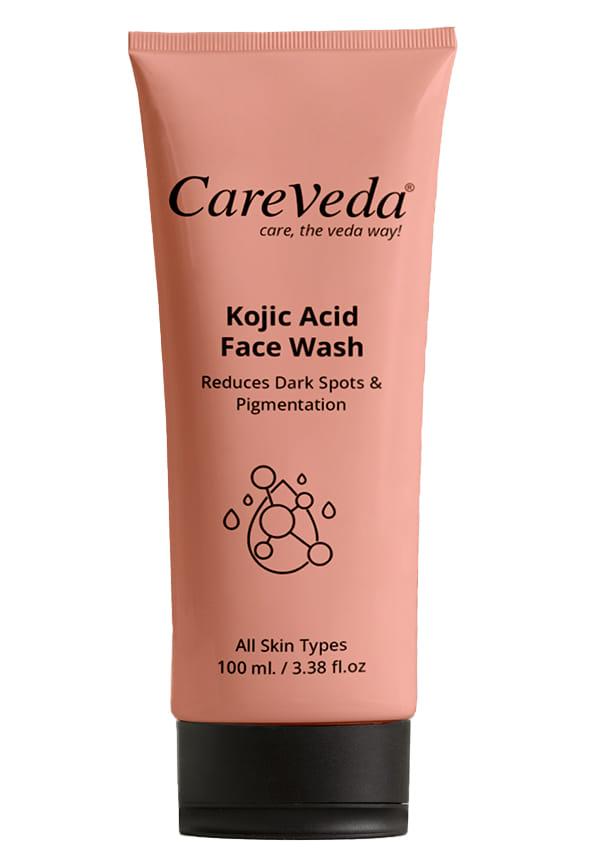
Kojic Acid Face Wash For Reduces Dark Spots & Pigmentation
Understanding the different ways to incorporate kojic acid into your routine can help you choose the most effective approach for your specific skin concerns and lifestyle.
A kojic acid serum typically offers the most concentrated and targeted treatment option. These formulations usually contain between 1-2% kojic acid, which research suggests is the sweet spot for effectiveness without excessive irritation.
When using a kojic acid serum, apply it to clean skin before your moisturiser, focusing on areas of concern. Many people find evening application works best, as it allows the ingredient to work overnight without interference from makeup or sun exposure.
For body hyperpigmentation or those who prefer gentler formulations, kojic acid soap and kojic acid cream options provide more gradual treatment. These products typically contain lower concentrations, making them suitable for larger areas or sensitive skin.
A kojic acid cream can be particularly beneficial for dry skin types, as it combines the brightening benefits with moisturising properties. This dual action helps prevent the dryness that can sometimes occur with active ingredients.
One of the most common questions about kojic acid is timeline - and honestly, this varies significantly based on your individual skin and the severity of pigmentation you're addressing.
During the first 2-4 weeks, you might notice your skin looking slightly brighter overall, but don't expect dramatic changes to specific spots yet. This is when your skin is adjusting to the ingredient and beginning the melanin reduction process.
Around 6-8 weeks, many people start seeing visible improvements in lighter pigmentation and overall skin tone. Deeper, more established dark spots typically require 3-6 months of consistent use to see significant fading.
Your skin type plays a significant role in how quickly you'll see results. Those with naturally faster cell turnover may notice changes sooner, whilst others need more patience. The concentration of kojic acid in your chosen product also matters - higher concentrations work faster but may cause more irritation.
Consistency is absolutely crucial. Using kojic acid sporadically won't give you the results you're hoping for. Think of it as a long-term investment in your skin rather than a quick fix.
Like any active ingredient, kojic acid can cause side effects, particularly if you have sensitive skin or use it incorrectly. Understanding these potential issues helps you use the ingredient safely and effectively.
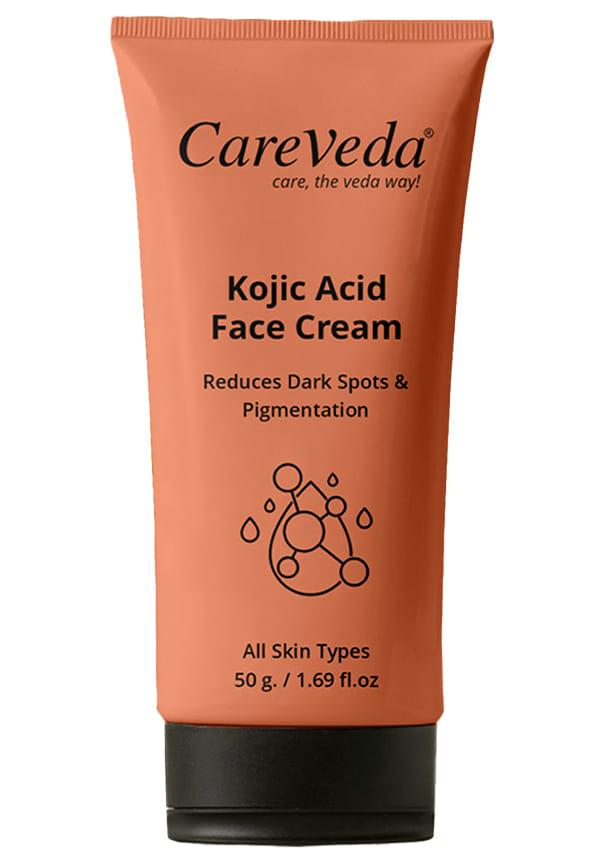
Kojic Acid Face Cream For Reduces Dark Spots & Pigmentation
Amazing Product Experience
4“Received amazing product....i just loved it ”
Amazing Product Experience
4“Received amazing product....i just loved it ”
Amazing Product Experience
4“Received amazing product....i just loved it ”
The most common side effects include mild irritation, redness, and increased sensitivity to sun exposure. Some people experience contact dermatitis, especially when first starting or using products with higher concentrations.
Always patch test any new kojic acid product on a small area of skin before applying it to your face. Start with lower concentrations and gradually build up tolerance if needed.
Daily use of kojic acid is generally safe for most people, but listen to your skin. If you experience persistent irritation, reduce frequency or concentration. Always use SPF during the day, as kojic acid can increase photosensitivity.
Be cautious when combining kojic acid with other active ingredients like retinoids or AHAs, as this can increase irritation risk. If you're using multiple actives, consider alternating them or consulting a dermatologist for guidance.
Understanding how kojic acid compares to other skin brightening ingredients can help you make informed decisions about your skincare routine.
Hydroquinone is often considered the gold standard for treating hyperpigmentation, but it comes with more potential side effects and restrictions. Kojic acid offers a gentler alternative with fewer safety concerns, though it may work more slowly for stubborn pigmentation.
Many dermatologists now recommend kojic acid as a first-line treatment, especially for those with sensitive skin or concerns about long-term hydroquinone use.
Alpha arbutin and kojic acid work through similar mechanisms but with different intensities. Alpha arbutin tends to be gentler, whilst kojic acid may be more effective for established pigmentation.
Vitamin C works differently, primarily as an antioxidant that prevents new pigmentation whilst providing some brightening effects. Many people find combining kojic acid with vitamin C creates a comprehensive approach to skin brightening.
Daily use of kojic acid is generally safe for most skin types when using appropriate concentrations (1-2%). However, some people may experience increased sensitivity or irritation with daily use. Start with every other day and gradually increase frequency as your skin builds tolerance. Always use SPF during the day, as kojic acid can increase sun sensitivity.
Kojic acid can help fade tan lines and sun damage over time by inhibiting melanin production and encouraging cell turnover. It's generally safe for facial use, though you should start with lower concentrations and patch test first. The ingredient is particularly effective for addressing uneven skin tone and dark spots on the face when used consistently.
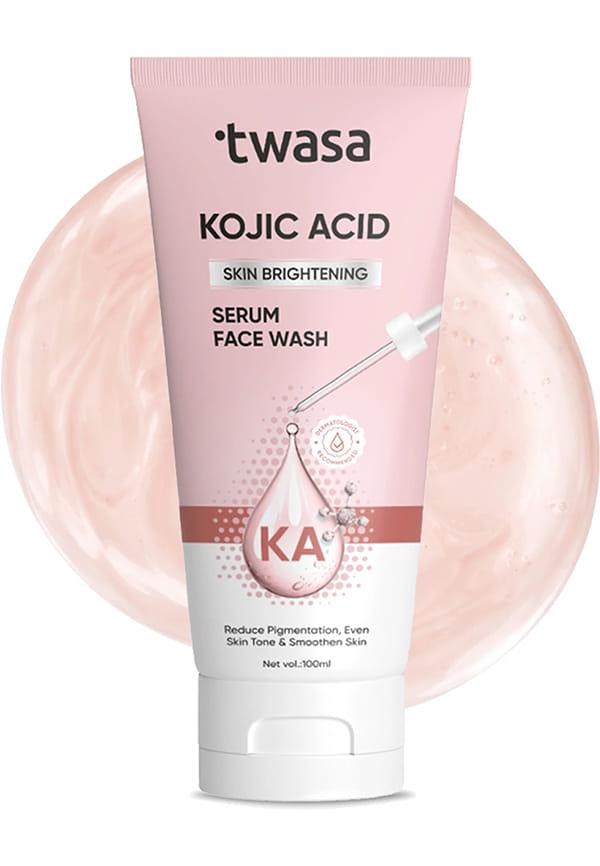
Kojic Acid For Dark Spots, Even Skin Tone & Pigmentation
Japan temporarily restricted kojic acid in cosmetics during the early 2000s due to concerns about potential carcinogenic effects in animal studies. However, these restrictions have since been lifted as further research showed the ingredient is safe for topical use in cosmetic concentrations. Current global safety standards support the use of kojic acid in skincare products at appropriate concentrations.
Most people begin noticing subtle brightening effects within 2-4 weeks of consistent use. Visible improvements in dark spots typically appear around 6-8 weeks, whilst more significant results for stubborn hyperpigmentation may take 3-6 months. The timeline depends on factors like skin type, pigmentation severity, and product concentration.
Kojic acid generally plays well with most skincare ingredients, including niacinamide and hyaluronic acid. However, be cautious when combining it with other active ingredients like retinoids, AHAs, or BHAs, as this can increase irritation risk. If using multiple actives, consider alternating them or using them at different times of day.
Selecting the right kojic acid product for your skin requires understanding your specific needs and tolerance level.
Look for products containing 1-2% kojic acid, as this concentration range offers the best balance of effectiveness and tolerability. Higher concentrations aren't necessarily better and may cause unnecessary irritation.
Consider the formulation type based on your skin concerns. Kojic acid serum offers targeted treatment for specific spots, whilst kojic acid cream provides broader coverage with added moisturising benefits. For body concerns, kojic acid soap can be a convenient option.
Apply kojic acid products to clean, dry skin before heavier creams or oils. If using a serum, allow it to absorb for a few minutes before applying moisturiser. Evening application is often preferred, as it avoids potential photosensitivity issues.
Start with 2-3 times per week and gradually increase frequency as your skin adapts. Always follow with SPF during the day, regardless of when you apply the product.
Kojic acid offers a scientifically-backed approach to addressing hyperpigmentation and achieving more even skin tone. Whilst it requires patience and consistency, many people find it an effective and gentler alternative to harsher brightening treatments.
Remember that skincare is deeply personal - what works brilliantly for one person might not suit another. The key is understanding your skin's needs and being realistic about timelines. Kojic acid isn't a miracle overnight solution, but with consistent use, it can make a real difference to stubborn dark spots and overall skin brightness.
If you're curious about trying kojic acid products but aren't ready to commit to full sizes, platforms like Smytten let you explore minis from trusted brands before making larger investments. With over 28 million users discovering products through trials, it's a smart way to test what works for your unique skin before you invest in the full-size versions.
