What is Vitamin C Serum? Your Skincare Questions Answered
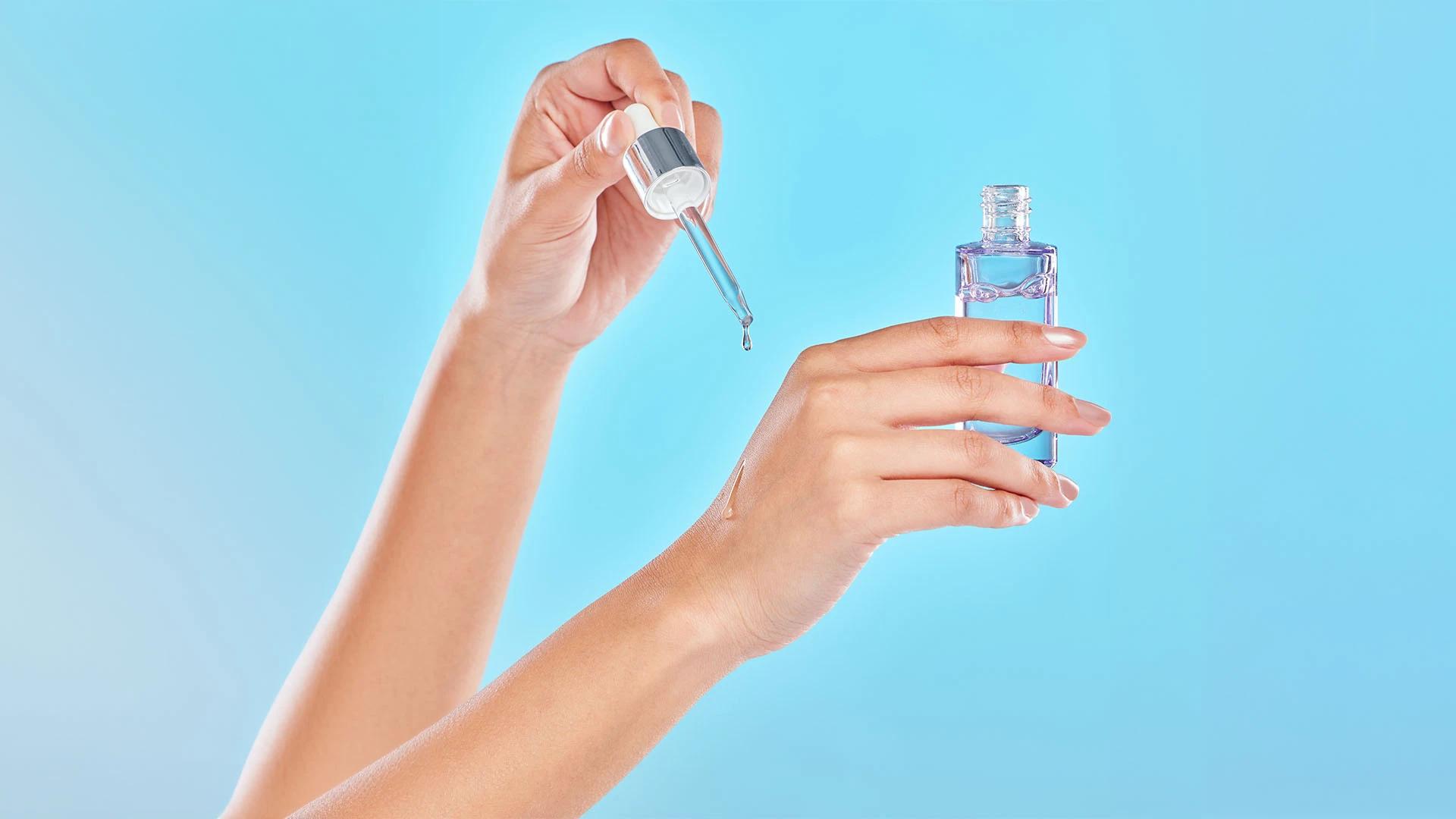

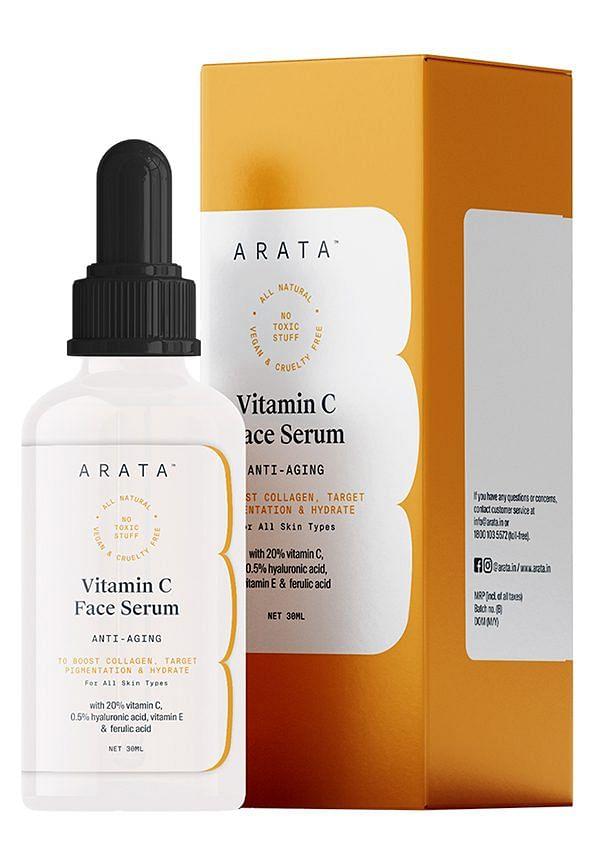
Vitamin C Face Serum For Glowing Skin Anti-Aging, Boosts Collagen & Targets Pigmentation
You've probably seen vitamin C serum mentioned everywhere—from your favourite beauty influencer's morning routine to that friend who swears her skin transformed overnight. But what exactly is vitamin C serum, and why does everyone seem to be talking about it? If you've found yourself staring at rows of orange-tinted bottles wondering whether this ingredient lives up to the hype, you're not alone. Let's break down everything you need to know about this skincare superstar, from how it actually works on your face to whether it's worth adding to your routine.
Vitamin C serum is essentially a concentrated dose of vitamin C (also known as ascorbic acid) formulated specifically for your skin. Unlike the vitamin C you might take as a supplement, these serums are designed to penetrate your skin's surface and deliver antioxidant benefits directly where they're needed most.
The magic happens at a cellular level. When you apply vitamin C serum for face care, it works as a powerful antioxidant that neutralises free radicals—those unstable molecules that damage your skin cells and accelerate ageing. Think of it like having a protective shield that fights off daily environmental stressors like pollution, UV rays, and even the blue light from your laptop screen.
But vitamin C doesn't stop at protection. It also plays a crucial role in collagen synthesis, the process that keeps your skin firm, plump, and youthful. As we age, our natural collagen production slows down, leading to fine lines and loss of elasticity. Vitamin C helps kickstart this process, encouraging your skin to produce more collagen naturally.
The key vitamin C serum ingredients you'll encounter include L-ascorbic acid (the most potent but also most unstable form), magnesium ascorbyl phosphate (gentler and more stable), and sodium ascorbyl phosphate (great for sensitive skin). Each form has its own benefits, with L-ascorbic acid offering the most dramatic results but requiring more careful storage and application.
Real talk: vitamin C serum benefits aren't just marketing hype. Clinical research backs up what many of us have experienced firsthand—this ingredient genuinely delivers results when used consistently.
The most immediate benefit you'll notice is antioxidant protection. Your skin faces a daily assault from environmental aggressors, and vitamin C acts like a bodyguard, neutralising damage before it can take hold. This protection is particularly valuable if you live in a polluted city or spend time outdoors.
For those dealing with hyperpigmentation, vitamin C is a game-changer. It works by inhibiting tyrosinase, the enzyme responsible for melanin production. Over time, this means dark spots from old breakouts, sun damage, or hormonal changes begin to fade, revealing a more even skin tone.
The anti-ageing effects are where vitamin C really shines. By stimulating collagen production, it helps reduce the appearance of fine lines and improves skin firmness. Many users notice their skin looks plumper and more resilient after just a few weeks of consistent use.
Perhaps most exciting is vitamin C's ability to enhance your skin's natural repair processes. Whether you're dealing with post-acne marks or general skin dullness, vitamin C supports faster cell turnover and healing, helping your skin recover more efficiently from daily wear and tear.
Getting the most from your vitamin C serum routine isn't complicated, but timing and technique matter. The golden rule? Apply vitamin C in the morning for maximum protection throughout the day.
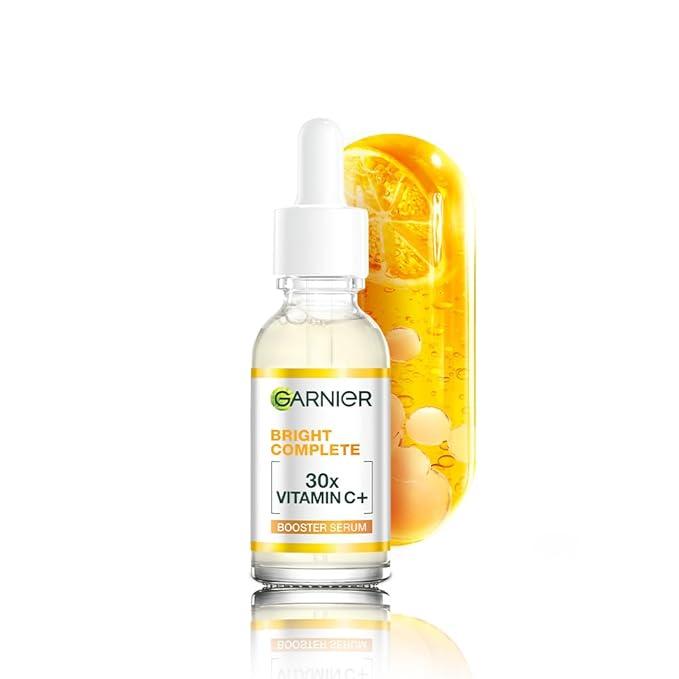
Start with freshly cleansed skin—vitamin C needs a clean canvas to penetrate effectively. If you use a toner, apply it first and let it absorb completely. Then comes your vitamin C serum: dispense 2-3 drops (a little goes a long way) and gently pat it into your skin, focusing on areas where you want to see improvement.
The proper vitamin C serum routine follows this sequence: cleanse, tone (if using), vitamin C serum, moisturiser, and finally SPF. This layering ensures each product can do its job without interference. Wait about 10-15 minutes between applying your serum and moisturiser to allow proper absorption.
When it comes to how to use vitamin C serum with other actives, proceed with caution. Vitamin C plays well with niacinamide and hyaluronic acid, but it's best to avoid using it simultaneously with retinol or AHAs. If you use these ingredients, apply vitamin C in the morning and save the others for evening.
Start slowly—even if your skin isn't typically sensitive, introduce vitamin C gradually. Begin with every other day for the first week, then increase to daily use as your skin adjusts. This approach helps prevent irritation and allows you to gauge how your skin responds.
Not all vitamin C serums are created equal, and understanding the different formulations helps you choose what's right for your skin. L-ascorbic acid is the gold standard—it's the most researched and potent form, but it's also the most unstable and potentially irritating.
If you have sensitive skin or are new to vitamin C, consider starting with magnesium ascorbyl phosphate or sodium ascorbyl phosphate. These derivatives are gentler and more stable, though they may take longer to show results. They're excellent options for building tolerance before potentially moving to stronger formulations.
Concentration matters too. Vitamin C serum typically ranges from 10% to 20%, with some formulations going even higher. Beginners should start with 10-15% to assess tolerance. Higher concentrations aren't necessarily better—your skin can only absorb so much, and excessive amounts may cause irritation without additional benefits.
The Garnier Vitamin C Face Serum for Skin Brightening & Anti-Dark Spots offers an excellent entry point for those new to vitamin C, combining effective brightening benefits with a gentle formulation that works well for daily use. Its balanced concentration makes it suitable for most skin types while delivering visible results in reducing dark spots and improving overall radiance.
Pay attention to packaging—vitamin C is notoriously unstable and breaks down when exposed to light and air. Look for serums in dark glass bottles or airless pump containers. If your serum turns brown or orange, it's oxidised and less effective.
While vitamin C is generally well-tolerated, it's not without potential vitamin C serum side effects. The most common issues include mild irritation, redness, or a tingling sensation upon application. This is particularly likely when you first start using vitamin C or if you're using a high concentration.
Some people experience increased sensitivity to sunlight when using vitamin C, though this is less common than with other actives like retinol or AHAs. Regardless, daily SPF is non-negotiable when using vitamin C—not because it makes you more photosensitive, but because it maximises the protective benefits.
If you have very sensitive skin, rosacea, or are prone to allergic reactions, patch test any new vitamin C product before full application. Apply a small amount to your inner wrist or behind your ear and wait 24 hours to check for adverse reactions.
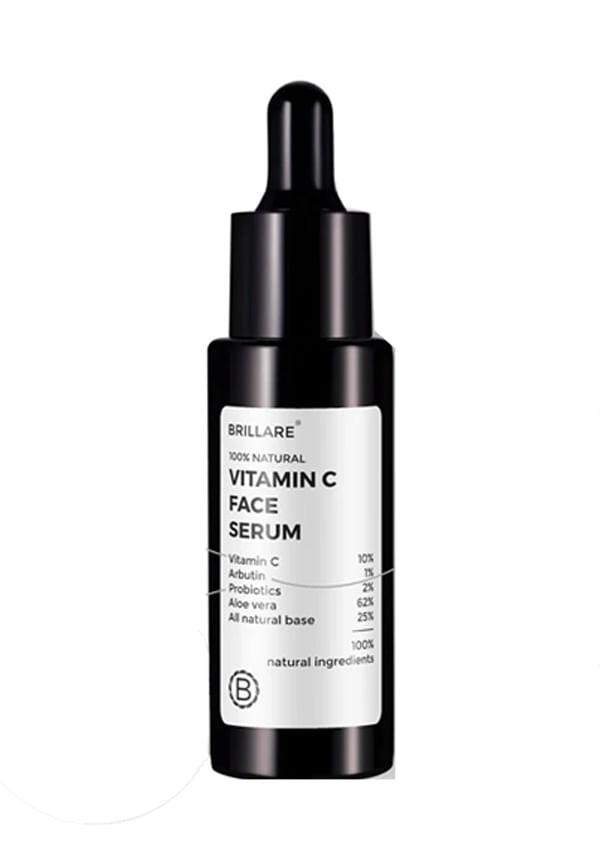
10% Vitamin C Face Serum For Bright, Glowing Skin
Lightweight & Glowing Skin
 4
4“it is my first time ordering it.first time when I apply it , it feels very lightweight not heavy at all . when I wake up in the morning my face was glowing from use only so let's see bcoz consistency is the key . lock it”
Genuine Product, Lower Price
5“Genuine product at lower price.”
Genuine Product, Lower Price
5“Genuine product at lower price.”
Proper storage extends your serum's life and maintains its effectiveness. Keep it in a cool, dark place—your fridge is actually ideal. Heat and light accelerate oxidation, turning your potent serum into an ineffective (and potentially irritating) product.
Your skin type should guide your vitamin C choice. For sensitive skin, opt for gentler derivatives like magnesium ascorbyl phosphate in lower concentrations (10-15%). Look for formulations that include soothing ingredients like aloe vera or chamomile.
If you have oily or acne-prone skin, vitamin C can be particularly beneficial as it helps with post-inflammatory hyperpigmentation from breakouts. Choose lightweight, water-based formulations that won't clog pores. Avoid heavy, oil-based serums that might exacerbate congestion.
For dry skin, look for vitamin C serums that include hydrating ingredients like hyaluronic acid or glycerin. These formulations provide antioxidant benefits while supporting your skin's moisture barrier.
Mature skin can often tolerate higher concentrations and may benefit from the more potent L-ascorbic acid formulations. Look for serums that combine vitamin C with other anti-ageing ingredients like peptides or vitamin E for enhanced results.
Daily use is not only safe but recommended for most people. Consistent application provides ongoing antioxidant protection and allows you to see cumulative benefits over time. Start gradually and increase frequency as your skin adjusts.
Yes, extensive clinical research confirms vitamin C's effectiveness for photoprotection, anti-ageing, and skin brightening. However, results take time—expect to see initial improvements in 4-6 weeks with continued enhancement over several months of consistent use.
Absolutely. Vitamin C serums are specifically formulated for direct facial application. Apply to clean skin before moisturiser and SPF for best results. Always patch test new products first if you have sensitive skin.
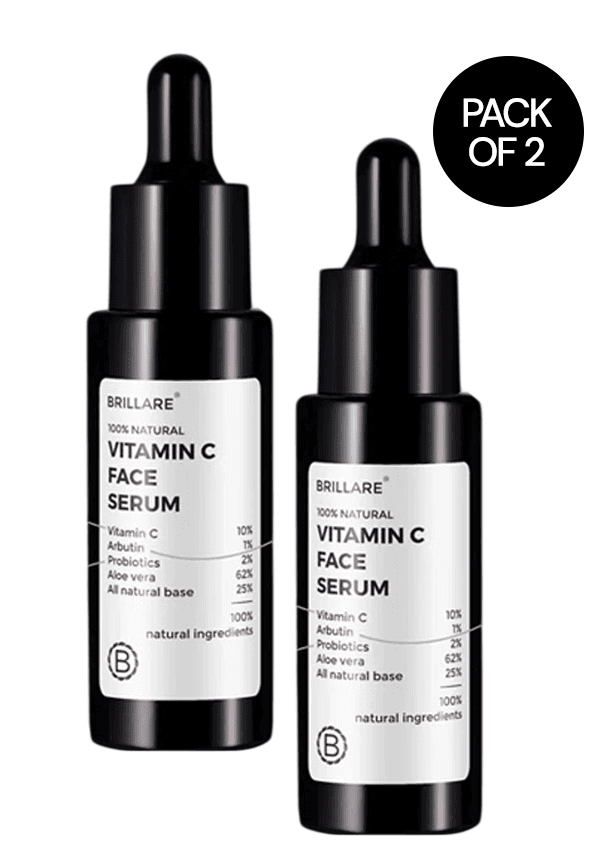
10% Vitamin C Face Serum For Bright, Glowing Skin
Decent, No Harsh Chemicals or Fragrance
5“it is decent no harsh chemicals also it has no extra fragrance”
Decent, No Harsh Chemicals or Fragrance
5“it is decent no harsh chemicals also it has no extra fragrance”
Decent, No Harsh Chemicals or Fragrance
5“it is decent no harsh chemicals also it has no extra fragrance”
While you can use vitamin C at night, morning application is typically more beneficial. Vitamin C provides antioxidant protection against daily environmental stressors, making it ideal for daytime use. If you prefer evening application, ensure you're still using SPF during the day.
Morning is optimal for vitamin C application. It provides protection against UV damage, pollution, and other environmental stressors you'll encounter throughout the day. The antioxidant benefits are most valuable when applied before exposure to these aggressors.
Most people notice initial improvements in skin brightness and texture within 2-4 weeks. Significant changes in hyperpigmentation and fine lines typically become apparent after 8-12 weeks of consistent use. Patience and consistency are key to seeing vitamin C's full benefits.
It's best to use these ingredients at different times. Apply vitamin C in the morning and retinol at night to avoid potential irritation and ensure each ingredient can work effectively. If you want to use both in the same routine, wait at least 30 minutes between applications.
Beginners should start with 10-15% concentration to assess tolerance. You can gradually increase to higher concentrations if desired, but many people find excellent results with moderate concentrations when used consistently.
Vitamin C serum has earned its place as a skincare essential for good reason. From protecting against environmental damage to brightening your complexion and supporting natural collagen production, it offers multiple benefits that work together to improve your skin's health and appearance.
The key to success with vitamin C lies in choosing the right formulation for your skin type, introducing it gradually, and using it consistently. Remember that skincare is a journey, not a destination—what works for your friend might not be perfect for you, and that's completely normal.
Whether you're dealing with dull skin, post-acne marks, or simply want to protect your skin from daily environmental stressors, vitamin C can be a valuable addition to your routine. Start with a gentle formulation, be patient with results, and don't forget that SPF—your skin will thank you for the extra protection.
If you're curious about trying vitamin C but hesitant to commit to a full-size product, Smytten offers an excellent way to explore different formulations through their curated selection of trial sizes. With over 28 million users discovering their perfect products through mini trials, it's a smart approach to finding what works for your unique skin before making a larger investment.
