What is the Best Way to Cleanse Skin After Mask or Pollution in India? FAQ


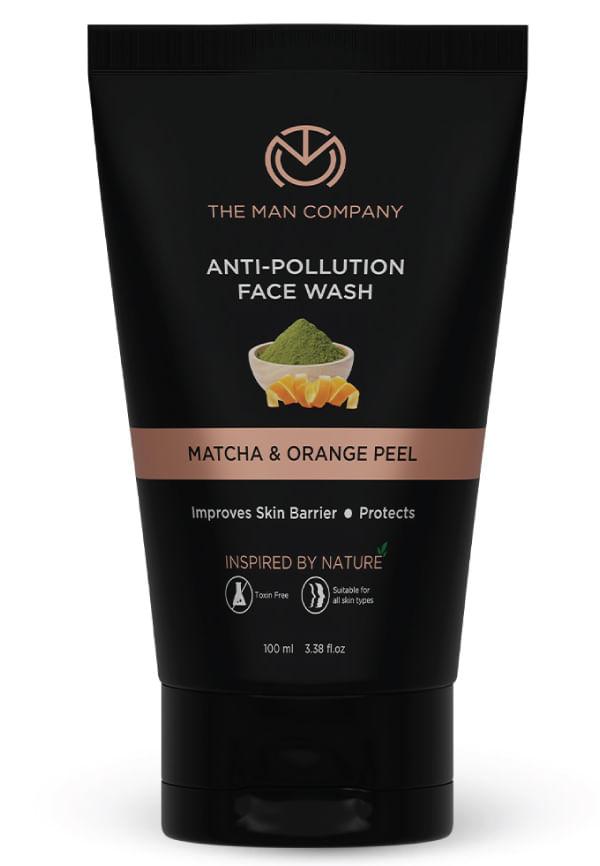
Anti pollution Face Wash
You've just peeled off your face mask after a long day, or stepped indoors after battling Delhi's smoggy streets, and your skin feels... off. Maybe it's that tight, congested feeling around your jawline, or the dullness that seems to settle after hours of pollution exposure. If you're wondering whether you're cleansing correctly after mask-wearing or pollution exposure, you're asking the right questions. Your skin faces unique challenges in India's climate, and the way you cleanse can make all the difference between clear, healthy skin and persistent breakouts.
Let's talk about what's really happening to your skin when you wear a mask or step outside in Indian cities. The combination of humidity, heat, and environmental pollutants creates a perfect storm for skin issues that many of us are still learning to navigate.
Face mask acne isn't just about trapped bacteria—it's about the unique conditions our climate creates. When you wear a mask in India's humid weather, moisture gets trapped against your skin, creating an environment where bacteria thrive. The constant friction from mask movement, combined with sweat and oil buildup, leads to what dermatologists call mechanical acne. Your skin's natural barrier gets compromised, making it more susceptible to irritation and breakouts, especially around the chin, jawline, and cheeks where masks sit tightest.
Indian cities consistently rank among the world's most polluted, and your skin bears the brunt of this exposure. PM2.5 and PM10 particles are small enough to penetrate your skin's protective barrier, triggering inflammation and oxidative stress. These pollutants don't just sit on your skin's surface—they actually embed into your pores, causing long-term damage that shows up as premature ageing, hyperpigmentation, and persistent dullness. The free radicals generated by pollution exposure break down collagen and elastin, whilst heavy metals and chemicals disrupt your skin's natural pH balance.
The key to managing post-mask skincare lies in understanding that your skin needs gentle recovery, not aggressive treatment. After hours of being covered, your skin is often dehydrated, irritated, and congested—but it's also vulnerable.
The moment you remove your mask, resist the urge to immediately scrub your face. Instead, let your skin breathe for a few minutes whilst you wash your hands thoroughly. This brief pause allows trapped moisture to evaporate and gives you a clearer picture of your skin's actual condition. When you do cleanse, use lukewarm water—never hot, as this can further irritate already sensitised skin.
Look for gentle, pH-balanced cleansers that won't strip your skin's natural oils. Ingredients like salicylic acid help unclog pores without over-drying, whilst niacinamide reduces inflammation and controls oil production. Ceramides are particularly valuable for restoring your skin barrier after mask-wearing. Avoid cleansers with harsh sulfates or high alcohol content, as these can worsen skin irritation from masks and leave your skin feeling tight and uncomfortable.
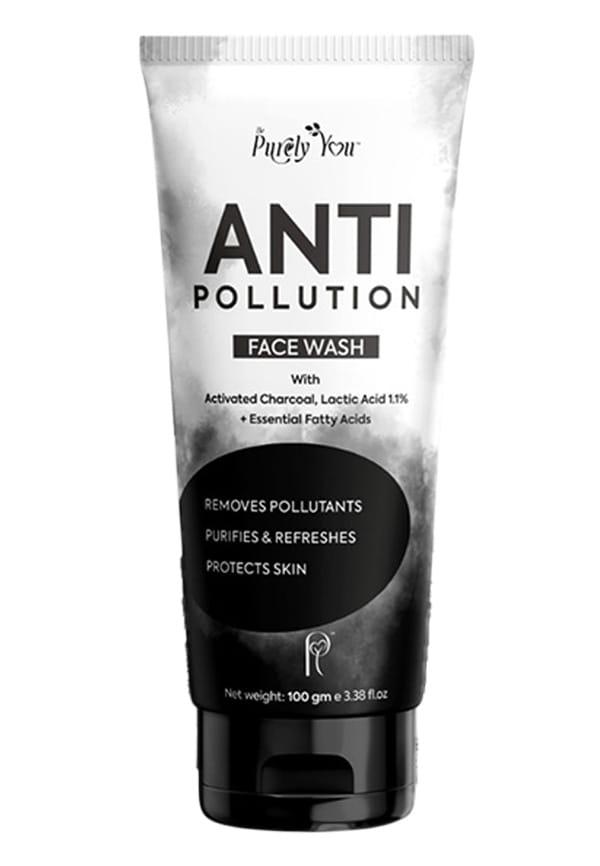
Anti Pollution Face Wash
If you're dealing with ongoing breakouts from mask-wearing, a weekly deep cleansing routine can help reset your skin. Start with a gentle oil cleanser to dissolve trapped sebum and debris, followed by your regular cleanser. Once or twice a week, incorporate a clay mask containing bentonite or kaolin clay to draw out impurities from congested pores. Remember, consistency matters more than intensity—gentle, regular care trumps aggressive treatments that can damage your skin barrier.
Pollution skincare India requires a different approach than standard cleansing routines. The sheer volume of particulate matter and environmental toxins our skin encounters daily means we need targeted strategies to effectively remove these pollutants whilst maintaining skin health.
Your morning and evening cleansing routines should serve different purposes. In the morning, a gentle cleanser removes overnight oil production and prepares your skin for protective products. Evening cleansing is where the heavy lifting happens—this is when you need to remove the day's accumulation of pollution, sweat, and sunscreen. On particularly high AQI days, consider starting with micellar water to lift surface pollutants before your main cleanser.
Natural skin cleansing doesn't mean less effective. Traditional Indian ingredients like turmeric and gram flour (besan) create gentle exfoliating pastes that remove dead skin cells and embedded pollutants. Neem has natural antibacterial properties that help prevent pollution-induced breakouts, whilst tulsi provides antioxidant protection. A simple mixture of rose water and glycerin can serve as a gentle first cleanse for sensitive skin that's been exposed to heavy pollution.
When choosing a detoxifying face wash, look for activated charcoal, which acts like a magnet for pollutants and impurities. Green tea extracts provide antioxidant protection against free radical damage, whilst vitamin C formulations help brighten skin dulled by pollution exposure. These ingredients work particularly well in India's climate because they're effective without being overly stripping—important when your skin is already stressed from environmental factors.
If you have skincare for sensitive skin needs, the challenge of cleansing after mask-wearing or pollution exposure becomes even more complex. Your skin may react to both the environmental stressors and the products meant to address them.
Mask-related irritation typically appears as redness, bumps, or raw patches along the mask line—particularly around the nose bridge and chin. Pollution-induced issues tend to be more generalised: overall dullness, increased sensitivity, or breakouts that don't follow the typical hormonal pattern. Understanding the difference helps you choose the right cleansing approach and know when to adjust your routine or seek professional advice.
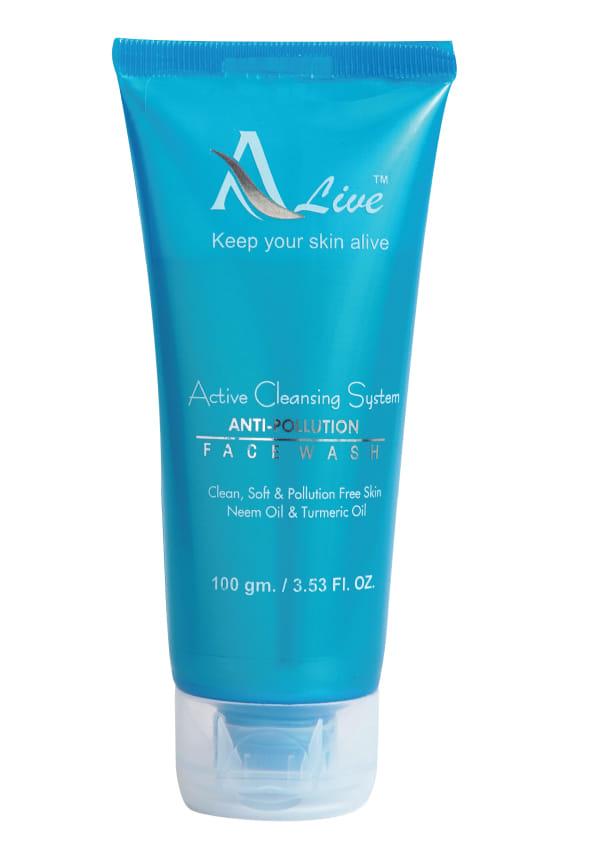
Anti Pollution Face Wash
For sensitive skin, technique matters as much as product choice. Use your fingertips rather than washcloths or cleansing brushes, which can cause micro-tears in already compromised skin. Apply cleanser in gentle, upward circular motions, spending extra time on areas where masks sit. Always use lukewarm water for rinsing, and pat—never rub—your skin dry with a clean, soft towel.
Sometimes standard cleansing isn't enough to address the unique challenges of India's environmental conditions. Advanced techniques can help when your skin needs extra support to recover from heavy pollution exposure or persistent mask-related issues.
This Korean-inspired method works beautifully for Indian skin dealing with pollution and humidity. Spend 4 minutes massaging oil cleanser into dry skin to dissolve pollutants and sunscreen, 2 minutes with your water-based cleanser to remove remaining impurities, then 4 minutes rinsing with lukewarm water. This thorough approach ensures complete removal of the day's environmental buildup without over-cleansing.
Weekly facial steaming can help loosen deeply embedded pollutants and improve circulation. Add a few drops of tea tree or eucalyptus oil to hot water, drape a towel over your head, and steam for 5-10 minutes. This opens pores and makes subsequent cleansing more effective. However, limit steaming to once weekly, as overdoing it can increase oil production and sensitivity.
Effective cleansing is just the foundation of pollution protection. What you do after cleansing determines how well your skin recovers and prepares for the next day's environmental challenges.
After thorough cleansing, your skin needs antioxidant protection and barrier repair. Vitamin C serums applied in the morning provide ongoing pollution defense, whilst evening application of niacinamide helps repair daily damage. Choose moisturisers with ceramides and hyaluronic acid to strengthen your skin barrier, making it more resilient against future pollution exposure.
Incorporate weekly treatments based on your skin's needs. Clay masks work well for oily, congested skin, whilst gentle enzyme exfoliants suit sensitive types. Those dealing with persistent pollution effects might benefit from weekly vitamin C masks or antioxidant treatments. The key is consistency—regular, gentle treatments are more effective than sporadic intensive ones.
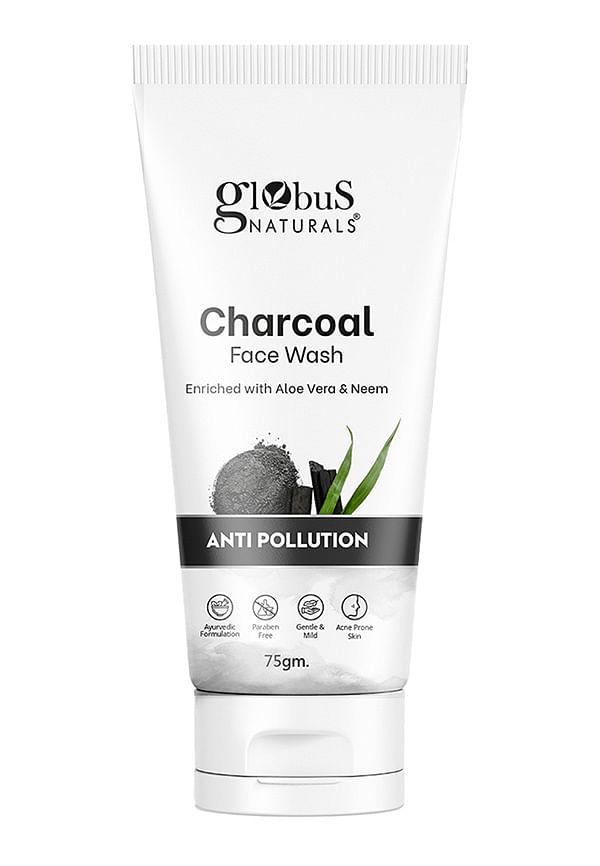
Anti Pollution Charcoal Face Wash
Wait a few minutes after mask removal to let your skin breathe, then cleanse with lukewarm water and a gentle, pH-balanced cleanser. Focus on areas where the mask created friction, using light circular motions with your fingertips. Avoid scrubbing or using harsh products, as your skin may be sensitised from prolonged mask contact.
Use a double cleansing method: start with an oil-based cleanser or micellar water to dissolve pollutants, followed by a gentle water-based cleanser. On high pollution days, consider adding a weekly clay mask to draw out deeply embedded particles. Always follow with antioxidant serums and barrier-repairing moisturisers.
Deep cleanse 1-2 times per week maximum. Daily mask-wearing already stresses your skin, so over-cleansing can worsen irritation and breakouts. Focus on gentle, consistent daily cleansing with weekly deep treatments using clay masks or gentle exfoliants designed for sensitive skin.
Yes, a good gentle cleanser works for both concerns. Look for formulas with salicylic acid for pore-clearing benefits and niacinamide for inflammation control. However, you might need different techniques—lighter pressure for post-mask cleansing and more thorough massage for pollution removal.
Avoid harsh sulfates, high concentrations of alcohol, and heavily fragranced products. Skip physical scrubs and rough exfoliants that can worsen irritation. Instead, choose gentle chemical exfoliants like salicylic acid and soothing ingredients like ceramides and niacinamide.
Some tightness is normal, but excessive dryness suggests your cleanser is too harsh or you're over-cleansing. Switch to a gentler formula and ensure you're moisturising immediately after cleansing. If tightness persists, you may need to reduce cleansing frequency or consult a dermatologist.
Navigating post-mask and pollution skincare in India requires patience and the right approach. Your skin is dealing with unique environmental stressors that many skincare routines weren't originally designed to address. The key is gentle consistency—thorough cleansing without over-stripping, protective ingredients without overwhelming your skin, and treatments that support rather than stress your natural barrier function.
Remember that what works for your friend might not work for you, especially when dealing with sensitive, pollution-exposed, or mask-irritated skin. Pay attention to how your skin responds and adjust accordingly. Some days you might need deeper cleansing after heavy pollution exposure, whilst other days a gentle approach is better for mask-stressed skin.
Building an effective routine takes time, and that's where Smytten's curated selection becomes valuable. With access to trusted brands and the option to try products before committing to full sizes, you can find the right cleansers and treatments for your specific skin needs without the guesswork. Whether you're looking for gentle daily cleansers or targeted treatments for pollution damage, having the ability to test products first makes building your ideal routine much more manageable.
