What is Sunblock? Your Ultimate Sun Protection FAQ


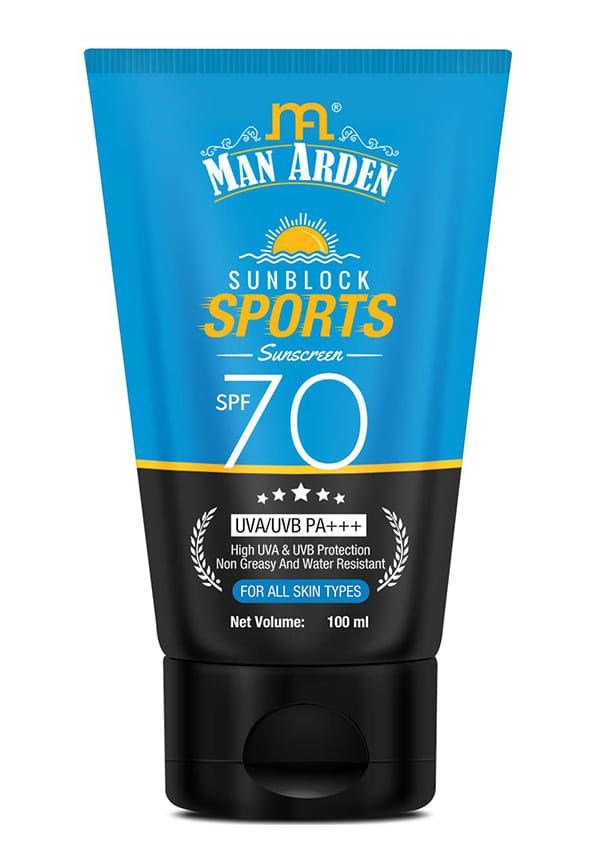
Sun Block Sports Sunscreen SPF 70, For All Skin Types, UVA/UVB PA+++
Picture this: you're standing in the suncare aisle, completely overwhelmed by bottles claiming SPF 30, SPF 50, "broad spectrum," and "water-resistant." Then you spot products labelled "sunblock" and wonder—isn't that just another word for sunscreen? Actually, no. Sunblock is a specific type of sun protection that works differently from traditional sunscreens, and understanding this difference could change how you protect your skin. If you've ever wondered what makes sunblock special or whether it's right for your skin, you're in the right place.
Sunblock is a physical sun protection product that creates a literal barrier on your skin's surface. Unlike chemical sunscreens that absorb into your skin, sunblock sits on top and physically blocks harmful UV rays from reaching your skin cells. Think of it as a tiny umbrella for every pore.
The magic happens through two key ingredients: zinc oxide and titanium dioxide. These mineral compounds work by reflecting and scattering both UVA and UVB rays away from your skin, rather than absorbing them. This is why sunblock is often called mineral sunscreen or physical sunscreen—it's literally creating a physical shield.
You'll recognise sunblock by its characteristic white or slightly tinted appearance when applied. This visible layer is actually proof that it's working—those mineral particles are sitting right where they need to be to protect you. Modern formulations have become much more cosmetically elegant, but that slight white cast is often still there, especially with higher concentrations of active ingredients.
The term "sun blocker" is sometimes used interchangeably, though technically, no product can block 100% of UV rays. Even the best broad spectrum sunblock with SPF 50+ still allows about 2% of UV radiation through. But that 98% protection is pretty impressive when you consider the alternative.
The sunblock versus sunscreen debate isn't just semantics—these products work in fundamentally different ways. Understanding these differences helps you choose the right protection for your skin type and lifestyle.
Chemical sunscreens contain ingredients like oxybenzone, avobenzone, or octinoxate. These compounds absorb UV radiation, convert it to heat, and release it from your skin. They typically go on clear, feel lightweight, and need about 15-20 minutes to become effective after application.
Physical sunblock, on the other hand, starts working immediately upon application. The zinc oxide and titanium dioxide don't need time to activate—they're reflecting rays from the moment they touch your skin. This makes sunblock particularly brilliant for spontaneous outdoor activities or when you've forgotten to apply protection earlier.
For sensitive skin types, sunblock often wins. Chemical sunscreen ingredients can sometimes cause irritation, stinging, or allergic reactions, especially around the delicate eye area. Mineral sunblock ingredients are generally much gentler and less likely to cause reactions.
However, chemical sunscreens do have their advantages. They tend to feel lighter, blend more easily into darker skin tones, and work well under makeup. Many people find them more comfortable for daily wear, especially on the face.
The good news? You don't have to choose just one. Many modern formulations combine both chemical and physical ingredients to give you the benefits of both approaches. These hybrid products often provide excellent broad spectrum protection whilst feeling more cosmetically elegant than traditional sunblock alone.
When you flip over a sunblock bottle, you'll typically see two main active ingredients doing the heavy lifting: zinc oxide and titanium dioxide. These aren't new-age skincare discoveries—they've been protecting skin for decades and have extensive safety data backing their use.
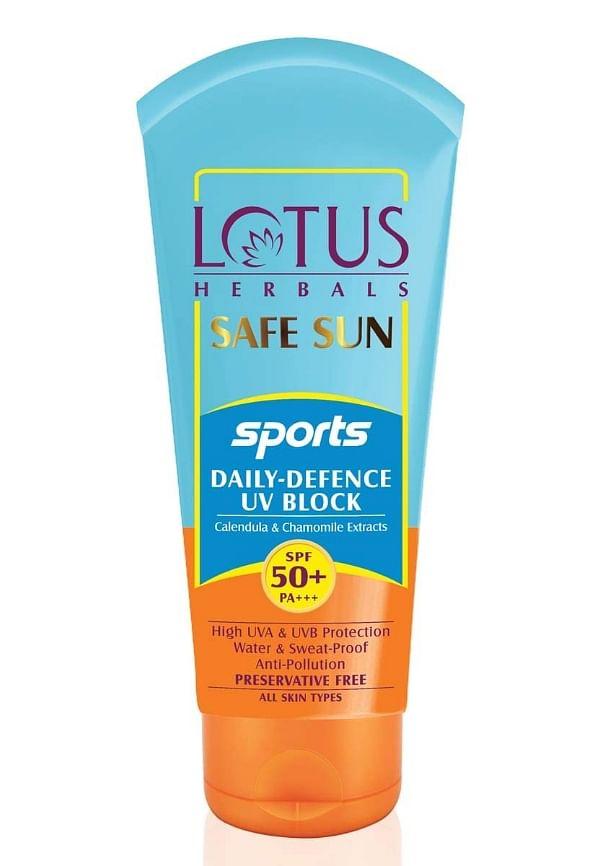
Safe Sun Sports Daily-Defence UV Block Sunscreen SPF 50+
Zinc oxide is the superstar of sunblock ingredients. It provides excellent protection against both UVA and UVB rays naturally, without any chemical modifications needed. It's also naturally antimicrobial and anti-inflammatory, which is why you'll often find it in nappy rash creams and other healing products. For acne-prone skin, zinc oxide can actually help calm inflammation whilst protecting against further damage.
Titanium dioxide is the other key player. It's particularly effective against UVB rays and provides that characteristic white appearance in many sunblocks. It's incredibly stable in sunlight and doesn't break down over time, making it reliable for long outdoor days.
Beyond these active ingredients, sunblock formulations include various inactive ingredients that affect texture, spreadability, and wear. You might see ingredients like dimethicone for smooth application, glycerin for hydration, or iron oxides for tinting. These don't provide sun protection themselves, but they make the product more pleasant to use.
All sunblock ingredients sold in India must meet safety standards and be approved for use. Both zinc oxide and titanium dioxide have been extensively studied and are considered safe for daily use, even on sensitive skin and around the eyes.
The SPF number on your sunblock tells you how much longer you can theoretically stay in the sun without burning compared to unprotected skin. SPF 30 means you could stay in the sun 30 times longer than you would without protection—though this is under perfect laboratory conditions with generous, even application.
Real talk: most of us don't apply sunblock as thickly as those lab tests require. The recommended amount is about 2mg per square centimetre of skin, which translates to roughly a teaspoon for your face and neck, or about 30ml for your entire body. That's more than most people use, which means your actual protection is likely lower than the SPF number suggests.
Broad spectrum protection is equally important as SPF. This means your sunblock protects against both UVA and UVB rays. UVB rays cause sunburn and are the primary cause of skin cancer, whilst UVA rays penetrate deeper and contribute to premature ageing and hyperpigmentation. You want protection from both.
Most dermatologists recommend a minimum of SPF 30 for daily use, with SPF 50+ for extended outdoor activities. The difference between SPF 30 and SPF 50 isn't as dramatic as the numbers suggest—SPF 30 blocks about 97% of UVB rays, whilst SPF 50 blocks about 98%. The real key is consistent, generous application and regular reapplication.
Water resistance is another factor to consider. Water-resistant sunblock maintains its SPF for either 40 or 80 minutes of swimming or sweating, but you'll still need to reapply after towelling off or after the specified time period.
The biggest advantage of sunblock is immediate protection. Unlike chemical sunscreens that need time to absorb and activate, mineral sunblock starts working the moment you apply it. This makes it perfect for those "oh no, I forgot sunscreen" moments when you're already heading out the door.
For sensitive skin types, sunblock is often the gentler choice. The mineral ingredients are less likely to cause stinging, especially around the eyes, and they're generally well-tolerated by people with rosacea, eczema, or other skin sensitivities. If you've ever had a chemical sunscreen make your eyes water or your skin sting, sunblock might be your solution.
Sunblock is also more photostable than many chemical sunscreens. This means it doesn't break down as quickly in sunlight, potentially offering more consistent protection throughout the day. However, you should still reapply every two hours, especially after swimming, sweating, or towelling off.
From an environmental perspective, mineral sunblock is often considered more reef-safe than chemical alternatives. Some chemical sunscreen ingredients have been linked to coral bleaching, leading to bans in certain locations. Zinc oxide and titanium dioxide are generally considered environmentally friendly options.
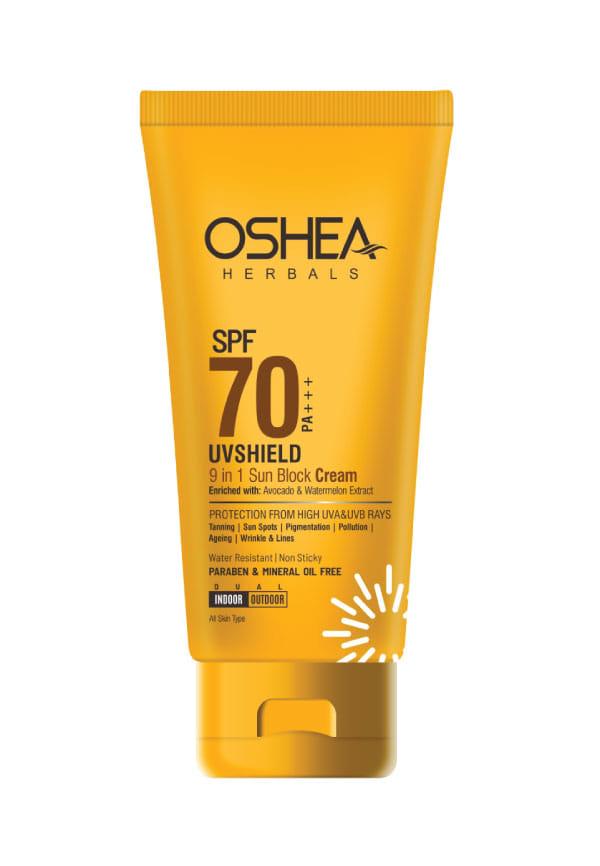
UVshield 9 In 1 Sun Block Cream SPF-70 PA+++
For those concerned about skin cancer prevention and anti-ageing, consistent sunblock use is one of the most effective steps you can take. Daily sun protection helps prevent both melanoma and non-melanoma skin cancers, whilst also preventing the premature ageing that comes from chronic UV exposure.
Proper sunblock application is an art form that most of us haven't quite mastered. The key is generous, even coverage applied 15-30 minutes before sun exposure—though with mineral sunblock, you're protected immediately.
For your face and neck, use about a teaspoon of product. This might seem like a lot, especially if you're used to applying sunscreen more sparingly, but skimping on application dramatically reduces your protection. Work the sunblock in thoroughly, paying special attention to often-missed spots like the ears, hairline, and around the eyes.
When applying sunblock to your body, think in terms of shot glasses—you need about 30ml (roughly two tablespoons) to cover your entire body properly. Apply in sections, working the product in completely before moving to the next area. Don't forget your feet, the back of your neck, and any other exposed areas.
Reapplication is crucial, regardless of SPF. Every two hours is the standard recommendation, but you should reapply immediately after swimming, sweating heavily, or towelling off. Even "water-resistant" sunblock needs refreshing after water activities.
If you're layering sunblock with other skincare products, apply it as your final step before makeup. Let moisturiser absorb completely before applying sunblock, and give the sunblock a few minutes to set before applying foundation or other makeup products.
For daily wear, consider keeping a separate face sunblock that you enjoy using. If you love the texture and finish, you're more likely to use it consistently. Some people prefer tinted sunblock for daily use, as it provides light coverage whilst protecting and evening out skin tone.
The best sunblock is the one you'll actually use consistently. This means finding a formula that feels comfortable on your skin, works with your lifestyle, and fits your budget. Your skin type plays a huge role in this decision.
For oily or acne-prone skin, look for lightweight, non-comedogenic formulas. Many modern zinc oxide sunblocks are formulated to feel less heavy than traditional versions. Some even have a mattifying effect that can help control shine throughout the day.
If you have dry skin, seek out sunblock with added moisturising ingredients like hyaluronic acid or ceramides. These formulas provide sun protection whilst helping to maintain your skin's hydration levels.
For sensitive skin, stick to mineral-only formulas with minimal additional ingredients. Avoid sunblocks with fragrances, essential oils, or other potential irritants. The simpler the ingredient list, the better.
Face-specific sunblocks are often worth the investment. They're typically formulated to feel lighter, work better under makeup, and be less likely to cause eye irritation. Many offer additional benefits like antioxidants or light coverage.
For sports and water activities, prioritise water resistance and staying power. Look for formulas specifically designed for active use, and don't forget to reapply regularly, even with water-resistant products.

Safe Sun Sports Pro-Defence Sunblock SPF 100+| PA+++
Yes, sunblock is excellent for your skin's long-term health. It prevents sunburn, reduces your risk of skin cancer, and helps prevent premature ageing caused by UV damage. Dermatologists consistently recommend daily sun protection as one of the most important steps in any skincare routine. The mineral ingredients in sunblock are generally well-tolerated, even by sensitive skin types.
Sunblock is primarily used to protect skin from harmful UV radiation. This includes preventing sunburn during outdoor activities, reducing the risk of skin cancer, and preventing premature ageing like wrinkles and hyperpigmentation. Many people use sunblock daily as part of their skincare routine, whilst others apply it specifically for outdoor activities like sports, beach days, or gardening.
Neither is universally "better"—it depends on your skin type, preferences, and needs. Sunblock (mineral/physical) is often better for sensitive skin, provides immediate protection, and is generally more environmentally friendly. Chemical sunscreen tends to feel lighter, blend more easily into darker skin tones, and work well under makeup. Many people find success with hybrid formulas that combine both approaches.
Absolutely, and dermatologists recommend it. Daily sunblock use is one of the most effective ways to prevent skin cancer and premature ageing. Choose a formula designed for daily use that feels comfortable on your skin. Face-specific sunblocks are often lighter and more suitable for everyday wear than body formulas.
Yes, sunblock does expire, typically after three years from manufacture. Check the expiry date on the packaging, and replace any sunblock that's past its date, has changed colour or consistency, or smells off. Expired sunblock may not provide adequate protection, leaving your skin vulnerable to UV damage.
Mineral sunblock with zinc oxide or titanium dioxide is generally considered safe for babies over six months old. For younger babies, shade and protective clothing are preferred. Choose fragrance-free, gentle formulas designed for children's sensitive skin. Always consult with your paediatrician about the best sun protection approach for your child.
Understanding what sunblock is and how it works empowers you to make better choices for your skin's health. Whether you choose mineral sunblock for its gentle, immediate protection or prefer chemical sunscreen for its lightweight feel, the most important thing is consistent use.
Your skin will notice the difference when you prioritise daily sun protection. From preventing those painful summer breakouts that come from sun damage to maintaining an even skin tone year-round, proper UV protection is an investment in your skin's future.
If you're curious about trying different sunblock formulas but hesitant to commit to full-size products, Smytten offers an excellent way to explore various brands and formulations. With over 2,400 trusted brands and 28 million users discovering products through trial sizes, you can find the perfect sunblock for your skin without the guesswork. It's a smart way to test before you invest, ensuring you find a formula you'll actually want to use every day.
