What is Pigmentation on Face? Your FAQ Answered


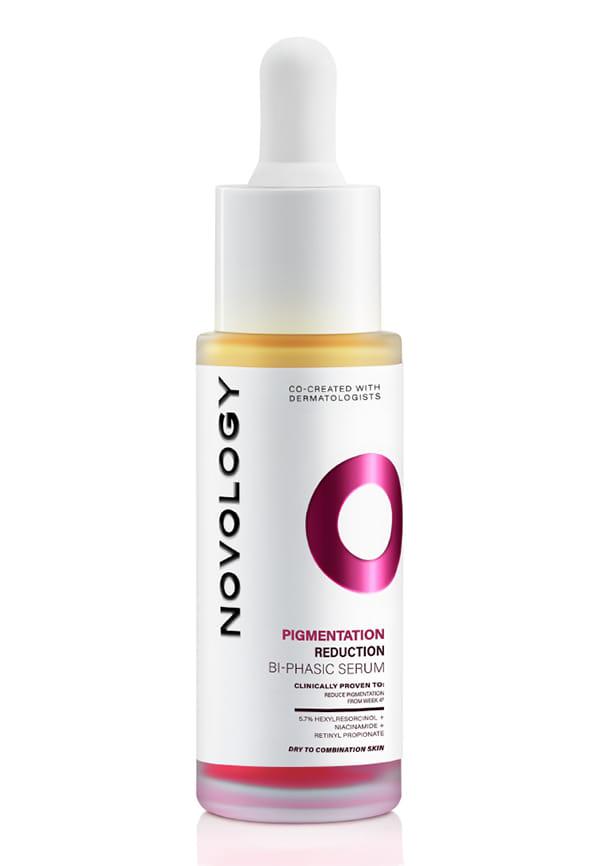
Pigmentation Serum, Bi-Phasic Face Serum for Hyperpigmentation & Dark Spots
You've noticed those stubborn dark patches on your cheeks that seem to have appeared overnight. Or maybe it's the constellation of spots across your forehead that no amount of concealer can hide. If you're wondering what is pigmentation on face and why it's happening to you, you're not alone. Facial pigmentation affects millions of people worldwide, and understanding what causes these dark spots on face is the first step towards clearer, more even-toned skin.
Facial pigmentation occurs when your skin produces excess melanin—the natural pigment that gives your skin its colour. Think of melanin as your skin's built-in protection system. When it goes into overdrive, you end up with patches or spots that are darker than your natural skin tone, creating what we call uneven skin tone.
These dark areas can appear as brown, grey, or even reddish patches, depending on your skin type and the underlying cause. Unlike natural variations in skin tone, problematic pigmentation creates noticeable contrast against your regular complexion. The most common areas affected include the cheeks, forehead, upper lip, nose bridge, and temples—basically, anywhere the sun hits your face regularly.
What makes facial pigmentation particularly frustrating is how it can change the entire appearance of your complexion. Even if your skin is otherwise healthy, these darker patches can make you feel self-conscious and reach for heavy makeup to even things out.
Understanding skin discoloration causes helps you tackle the problem at its root. Sun exposure tops the list—those UV rays trigger melanin production as your skin tries to protect itself. Over time, this leads to sunspots and age spots, particularly on areas that get the most sun exposure.
Hormonal changes are another major player, especially for women. Pregnancy, birth control pills, and menopause can all trigger melasma—those symmetrical brown patches that often appear on both sides of the face. This type of pigmentation is so common during pregnancy that it's nicknamed the 'pregnancy mask.'
Post-inflammatory hyperpigmentation happens when your skin darkens after injury or inflammation. Those dark marks left behind after acne breakouts? That's your skin's response to the inflammation. Even aggressive scrubbing or picking at your skin can trigger this response.
Your genetics also play a role in how prone you are to developing facial pigmentation. Some people naturally produce more melanin in response to triggers, whilst others might be more sensitive to hormonal fluctuations. Environmental factors like pollution and certain medications can also contribute to causes of facial pigmentation.
Not all dark spots are created equal, and identifying your specific type helps determine the best treatment approach. Each type has distinct characteristics and responds differently to various treatments.
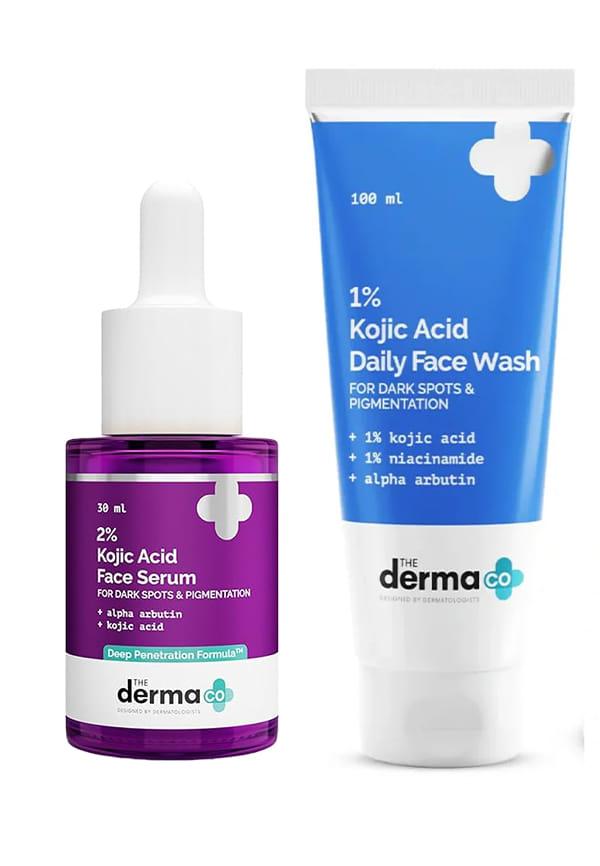
Ultimate Kojic Acid Duo For Pigmentation
Melasma appears as symmetrical brown or grey patches, typically on both sides of the face. It's strongly linked to hormonal changes and often worsens with sun exposure. Melasma treatment requires patience and consistent sun protection, as this type tends to be particularly stubborn and can return if triggers aren't managed properly.
These flat, brown spots typically appear on areas that have had years of sun exposure. Age spots and sunspots are essentially the same thing—accumulated sun damage that becomes more visible as we age. They're usually well-defined and can range from light brown to nearly black.
PIH creates dark spots on face following any kind of skin trauma—acne, cuts, burns, or even aggressive skincare treatments. These spots can be brown, red, or purple, depending on your skin tone and the depth of the original injury. The good news is that PIH often fades on its own over time, though treatment can speed up the process.
When it comes to hyperpigmentation treatment, you have several options ranging from professional procedures to at-home skincare routines. The key is choosing treatments that match your specific type of pigmentation and skin sensitivity.
Professional treatments offer the most dramatic results for pigmentation removal. Chemical peels using glycolic acid, salicylic acid, or TCA can help accelerate cell turnover and fade dark spots. Laser treatments target melanin specifically, breaking up pigmented cells so your body can naturally eliminate them. IPL (Intense Pulsed Light) therapy works similarly but uses broad-spectrum light rather than focused laser beams.
For those preferring gentler approaches, topical treatments can be highly effective with consistent use. Prescription options like hydroquinone and tretinoin are considered gold standards for skin lightening, whilst over-the-counter ingredients like vitamin C, niacinamide, and retinol offer more accessible alternatives.
The most effective approach often combines multiple treatments. You might use a vitamin C serum in the morning, a retinol product at night, and get professional peels every few months. This layered approach tackles pigmentation from multiple angles whilst being gentler on your skin than aggressive single treatments.
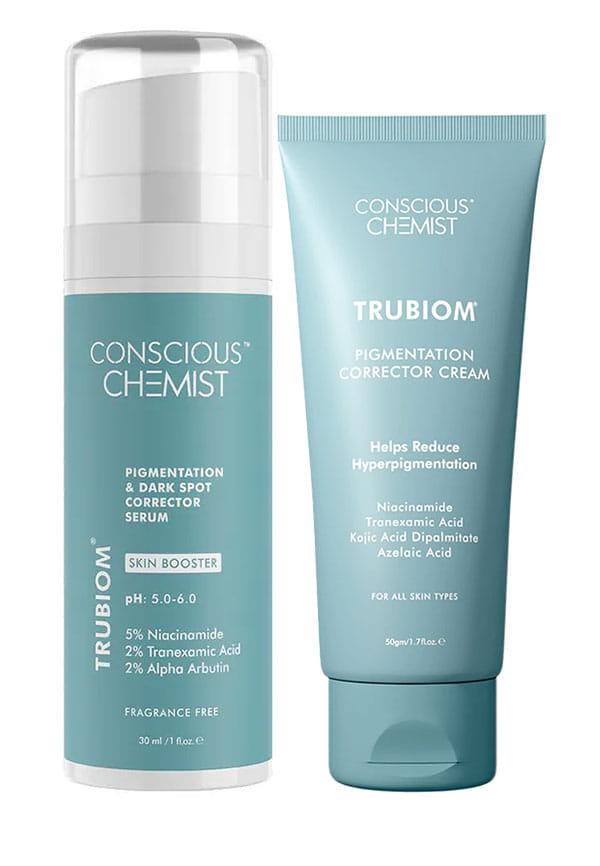
Niacinamide Serum + 1% Zinc & Pigmentation Corrector Moisturiser For Dark Spots Combo
Start with prevention—daily SPF 40+ sunscreen is non-negotiable, even on cloudy days. In the morning, cleanse gently, apply a vitamin C serum, moisturise, and finish with sunscreen. Evening routines can include retinol or other active ingredients, but introduce them slowly to avoid irritation.
Expect to see initial improvements in 4-6 weeks, with more significant results after 3-6 months of consistent treatment. Take progress photos in the same lighting to track changes, as improvements can be gradual and hard to notice day-to-day.
Whilst professional treatments offer faster results, some natural ingredients can support your pigmentation-fighting efforts. Kojic acid, derived from fungi, has natural skin-lightening properties. Liquorice root extract contains glabridin, which can help inhibit melanin production.
Vitamin C from natural sources like kakadu plum or camu camu can be gentler than synthetic versions whilst still providing antioxidant benefits. Niacinamide, a form of vitamin B3, helps regulate melanin transfer and can be found in many plant-based skincare formulations.
However, be realistic about natural treatments—they typically work more slowly than clinical-strength ingredients and may not be sufficient for severe pigmentation. Always patch test natural remedies, as 'natural' doesn't automatically mean gentle or safe for all skin types.
Preventing new pigmentation is often easier than treating existing spots. Sun protection remains your most powerful tool—use broad-spectrum SPF daily, reapply every two hours when outdoors, and seek shade during peak UV hours.
Gentle skincare practices help prevent post-inflammatory hyperpigmentation. Avoid picking at spots, use lukewarm water for cleansing, and introduce new products gradually. If you're prone to hormonal pigmentation, discuss options with your healthcare provider, especially if you're considering hormonal contraceptives or hormone replacement therapy.
Antioxidant-rich skincare can help neutralise free radicals that contribute to pigmentation. Look for products containing vitamin C, vitamin E, or green tea extract. A healthy lifestyle supporting overall skin health—adequate sleep, stress management, and a balanced diet—also plays a role in maintaining even skin tone.
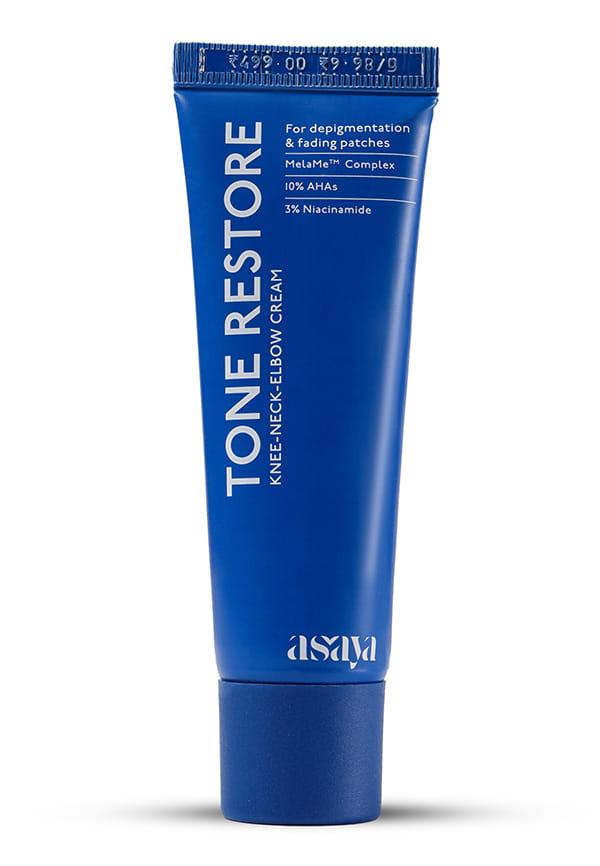
Tone Restore Advanced Pigmentation Cream
Vitamin C can significantly fade pigmentation over time by inhibiting melanin production and providing antioxidant protection. However, it rarely removes pigmentation completely on its own. It works best as part of a comprehensive routine that includes sun protection and may include other active ingredients like retinol or niacinamide. Results typically become visible after 6-8 weeks of consistent use.
Professional treatments like chemical peels, laser therapy, or IPL typically provide the fastest results for pigmentation removal. However, the 'best' treatment depends on your specific type of pigmentation, skin sensitivity, and budget. Combination approaches—professional treatments plus consistent at-home care—often yield the most satisfying long-term results.
Timeline varies significantly based on the treatment method and severity of pigmentation. Topical treatments typically show initial improvements in 4-6 weeks, with more dramatic results after 3-6 months. Professional treatments may show results more quickly—some people notice changes after just one session, though multiple treatments are usually needed for optimal results.
Most types of facial pigmentation can be significantly improved or completely resolved with appropriate treatment. However, some types like melasma can be persistent and may return if triggers aren't managed. Post-inflammatory hyperpigmentation often fades naturally over 6-12 months, whilst sun damage typically requires active treatment but responds well to consistent care.
Consult a dermatologist if you notice sudden changes in existing spots, new spots appearing rapidly, spots with irregular borders or multiple colours, or if over-the-counter treatments haven't shown improvement after 3-4 months. Professional assessment can rule out serious conditions and provide access to prescription-strength treatments.
Heavy makeup or products containing fragrances and harsh chemicals can potentially irritate skin and worsen post-inflammatory hyperpigmentation. However, mineral makeup with SPF can actually help protect against further sun damage. Choose non-comedogenic, fragrance-free products and always remove makeup thoroughly at night.
Understanding what pigmentation on face really means empowers you to make informed decisions about treatment and prevention. Whether you're dealing with hormonal melasma, sun-induced age spots, or post-acne marks, remember that improvement takes time and consistency.
The key to successful pigmentation management lies in identifying your specific type, choosing appropriate treatments, and maintaining realistic expectations. Most importantly, prevention through daily sun protection will help preserve your results and prevent new spots from forming.
If you're curious about trying different skincare ingredients for pigmentation but hesitant to invest in full-size products, Smytten's curated selection includes minis from trusted brands specialising in pigmentation treatment. With over 28 million users discovering their perfect skincare matches, you can explore vitamin C serums, niacinamide treatments, and other pigmentation-fighting ingredients before committing to full sizes. It's a smart way to test what works for your unique skin concerns whilst building an effective routine.
