What is Niacinamide? Your Skin Questions Answered


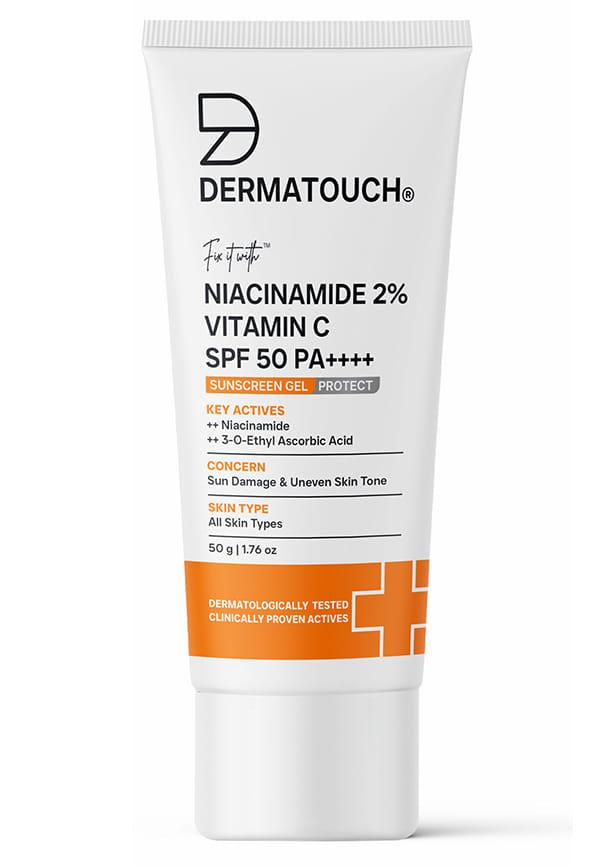
Niacinamide 2% Vitamin C Sunscreen for glowing skin, SPF 50+ PA ++++
You've probably heard the word niacinamide thrown around in skincare conversations, seen it on ingredient lists, or watched someone rave about it in a skincare routine video. But what exactly is this ingredient, and more importantly, what does niacinamide do to skin? If you're curious about whether this vitamin B3 derivative deserves a spot in your routine, you're in the right place. Let's break down everything you need to know about niacinamide, from its proven benefits to how it can work for your specific skin concerns.
Niacinamide is the water-soluble form of vitamin B3, also known as nicotinamide. Unlike its cousin niacin (which can cause uncomfortable flushing), niacinamide is gentle and well-tolerated by most skin types. This ingredient works at the cellular level, supporting your skin's natural processes and helping to maintain a healthy skin barrier.
What makes niacinamide special is how easily it penetrates the skin. Once absorbed, it gets to work on multiple fronts - regulating oil production, supporting collagen synthesis, and helping your skin retain moisture more effectively. Dermatologists love recommending it because it's backed by solid clinical research and rarely causes irritation, even for those with sensitive skin.
The key difference between niacinamide and niacin lies in their molecular structure. While both are forms of vitamin B3, niacinamide doesn't cause the redness and tingling that niacin can trigger. This makes it perfect for daily skincare use, whether you're dealing with acne, hyperpigmentation, or simply want to maintain healthy skin.
The research on niacinamide skin benefits is impressive, with studies showing measurable improvements across various skin concerns. Let's dive into what this powerhouse ingredient can actually do for your skin.
One of niacinamide's most important jobs is boosting your skin's natural barrier function. It increases the production of ceramides - the lipids that help your skin hold onto moisture and keep irritants out. Clinical studies show that after 4-8 weeks of consistent use, skin becomes noticeably more hydrated and resilient. This is particularly helpful if you're dealing with dehydration or live in a harsh climate with AC or heating.
If you struggle with oily skin or enlarged-looking pores, niacinamide might become your new best friend. It helps regulate sebum production without over-drying your skin, creating a more balanced complexion. While it can't actually shrink pore size (that's determined by genetics), it can make pores appear smaller by keeping them clear of excess oil and debris.
Niacinamide for redness is particularly effective because of its anti-inflammatory properties. Whether you're dealing with post-breakout irritation, sensitivity from environmental factors, or conditions like rosacea, niacinamide can help calm your skin. Many people notice their skin looks less reactive and more even-toned within a few weeks of regular use.

Organic Niacin (Vitamin B3)
One of the most exciting niacinamide uses for skin is its ability to address hyperpigmentation. It works by inhibiting the transfer of melanin to skin cells, which helps fade existing dark spots and prevents new ones from forming. This makes it particularly valuable for dealing with post-acne marks or sun damage.
Niacinamide for acne works through multiple mechanisms, making it a smart choice for anyone dealing with breakouts. Its antimicrobial properties help reduce the bacteria that contribute to acne, while its anti-inflammatory effects calm the redness and swelling that come with active breakouts.
What's particularly helpful about niacinamide is that it addresses both inflammatory acne (those red, angry spots) and helps prevent future breakouts by regulating oil production. Unlike some acne treatments that can be harsh and drying, niacinamide actually supports your skin's health while fighting blemishes. Many people find they can use it alongside other acne treatments like salicylic acid or benzoyl peroxide without experiencing excessive dryness or irritation.
The timeline for seeing acne improvements typically ranges from 4-12 weeks, depending on the severity of your breakouts and your skin's individual response. Real talk - it's not an overnight miracle, but the results tend to be sustainable and gentle on your skin.
While niacinamide might not be the first ingredient that comes to mind for anti-aging, it actually offers some impressive benefits for mature skin. It stimulates collagen production, which helps maintain skin firmness and can reduce the appearance of fine lines over time.
The ingredient also enhances elastin production, contributing to skin's bounce and resilience. Additionally, niacinamide offers photoprotective properties, helping defend against environmental damage from pollution and UV stress. While it's not a replacement for SPF, it works as an excellent supporting player in your anti-aging routine.
What makes niacinamide particularly valuable for aging concerns is its ability to improve overall skin texture and tone. Many people notice their skin looks smoother and more radiant with consistent use, even if they weren't specifically targeting aging concerns.
Understanding how to properly incorporate niacinamide into your routine will help you get the best results from this versatile ingredient.
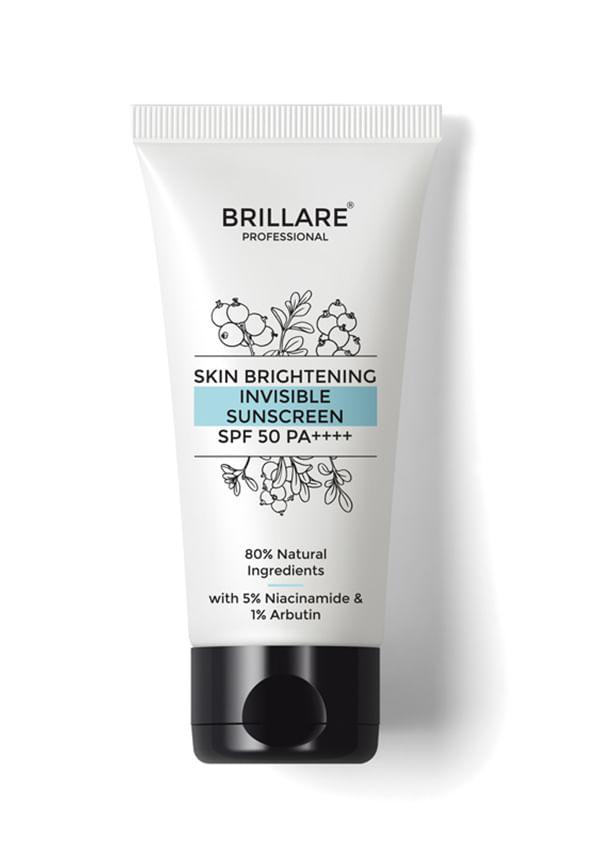
Skin Brightening Sunscreen SPF50 With Niacinamide
Niacinamide serum benefits are most apparent when you use the right concentration and apply it correctly. Most effective serums contain between 5-10% niacinamide - enough to be effective without causing irritation. You can use niacinamide both morning and evening, making it one of the most flexible ingredients in skincare.
Apply your niacinamide serum after cleansing and any water-based treatments (like hyaluronic acid), but before heavier creams or oils. A few drops are usually sufficient for your entire face - there's no need to layer it on thick.
One of the best things about niacinamide skin care is its compatibility with virtually all skin types. Whether you have oily, dry, combination, or sensitive skin, niacinamide can likely work for you. It's also considered safe during pregnancy and breastfeeding, making it a reliable choice when other ingredients might be off-limits.
For sensitive skin, start with a lower concentration (around 5%) and gradually work up if needed. Most people find they don't need to go higher than 10% to see excellent results.
Niacinamide plays well with most other skincare ingredients. It pairs beautifully with hyaluronic acid for added hydration, and can actually help buffer the irritation that sometimes comes with retinol use. Contrary to some myths floating around, niacinamide and vitamin C can be used together - just apply them at different times of day if you prefer to be cautious.
While niacinamide side effects are relatively rare, it's worth knowing what to watch for. The most common reaction is mild irritation, which usually occurs when starting with too high a concentration or applying too much product.
Some people experience slight redness or tingling when they first start using niacinamide, but this typically subsides as skin adjusts. If you notice persistent irritation, breakouts, or any allergic reactions, discontinue use and consider patch testing before trying again with a lower concentration.
The key to avoiding side effects is starting slowly. Begin with a 5% concentration every other day, then gradually increase frequency as your skin builds tolerance. If you have particularly sensitive skin, you might want to mix a drop of niacinamide serum with your regular moisturiser initially.
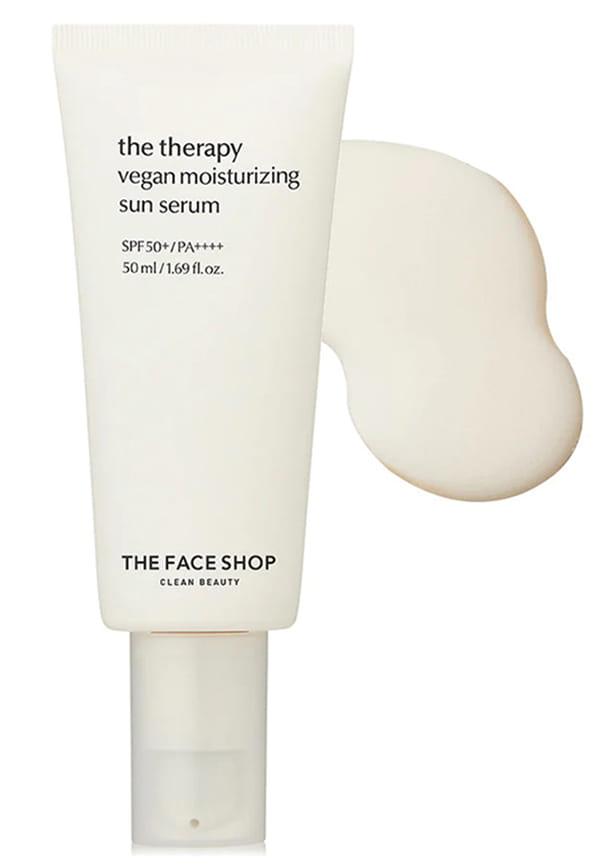
Niacinamide, UVA/B Protection Serum Sunscreen SPF 50+ PA++++
Yes, niacinamide is gentle enough for daily use, both morning and evening. In fact, consistent daily application is often when people see the best results. If you're new to the ingredient, start with once daily and gradually increase to twice daily as your skin adjusts.
Niacinamide offers multiple benefits: it regulates oil production, strengthens the skin barrier, reduces inflammation and redness, helps fade dark spots, and supports collagen production. Most people notice improvements in skin texture and tone within 4-8 weeks of consistent use.
Absolutely. Niacinamide's anti-inflammatory properties make it excellent for reducing redness from various causes - whether it's post-acne irritation, sensitivity, or conditions like rosacea. Many people find it more gentle than other redness-reducing ingredients while being equally effective.
Both ingredients offer unique benefits, so it's not necessarily about choosing one over the other. Vitamin C is excellent for brightening and antioxidant protection, while niacinamide excels at oil control and barrier repair. Many people successfully use both - vitamin C in the morning and niacinamide in the evening.
Most people begin noticing improvements in skin texture and oil control within 2-4 weeks. For concerns like hyperpigmentation or acne, it typically takes 8-12 weeks to see significant changes. Remember, skincare is a marathon, not a sprint - consistent use yields the best results.
Understanding what niacinamide does to skin helps explain why it's become such a beloved ingredient in the skincare world. From managing breakouts to strengthening your skin barrier, this vitamin B3 derivative offers proven benefits for virtually every skin type and concern.
The beauty of niacinamide lies in its versatility and gentleness. Whether you're dealing with oily skin, sensitivity, aging concerns, or simply want to maintain healthy skin, niacinamide can likely find a place in your routine. Its ability to work well with other ingredients makes it an excellent foundation piece for building an effective skincare regimen.
If you're curious about trying niacinamide but aren't sure which product to choose, Smytten's curated selection includes niacinamide serums and treatments from trusted brands. With over 28 million users discovering their perfect products through trial-sized options, you can explore different formulations before committing to full-size purchases. After all, finding the right skincare shouldn't involve guesswork - it should be about discovering what truly works for your unique skin.
