What is Kojic Acid? Your Guide to This Skin-Brightening Ingredient

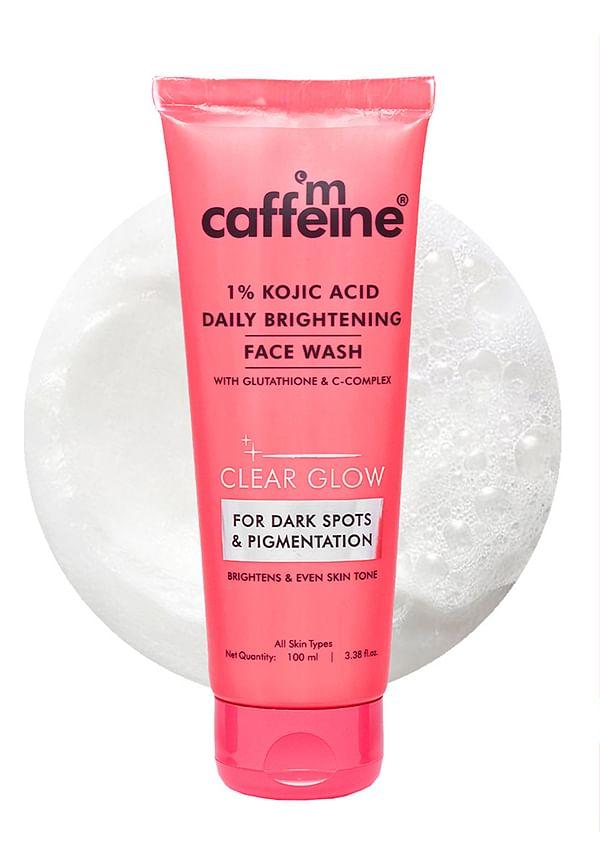
CLEAR GLOW 1% Kojic Acid Daily Brightening Face Wash For Dark Spots & Pigmentation
Effective Brightening Face Wash
 4
4“Brightening face wash that helps fade dark spots and tan. Has a mild coffee scent, foams well, and leaves skin feeling fresh without dryness. 4.5/5 ⭐”
Effective Brightening Face Wash
4“Brightening face wash that helps fade dark spots and tan. Has a mild coffee scent, foams well, and leaves skin feeling fresh without dryness. 4.5/5 ⭐”
Super Gentle Foaming Cleanser
5“super gentle foaming cleanser and very good”
Ever wondered what makes certain skincare ingredients so effective at brightening skin? If you've been scrolling through skincare communities or reading product labels lately, you've probably come across kojic acid. This naturally derived ingredient has been making waves in the beauty world for its impressive ability to tackle dark spots, uneven skin tone, and stubborn hyperpigmentation. Real talk—understanding what kojic acid actually does and how it works can be a total game-changer for your skincare routine. Let's dive into everything you need to know about this skin-brightening powerhouse.
So, what is kojic acid exactly? This skin-brightening ingredient comes from a pretty fascinating source—fungi. Specifically, it's produced naturally by certain types of fungi, particularly Aspergillus oryzae, during fermentation processes. You've probably encountered products made with this fungus without even realising it—think rice wine, soy sauce, and sake.
The fermentation process is where the magic happens. When these fungi break down rice and other grains, kojic acid forms as a natural byproduct. It's essentially nature's own skin-brightening compound, developed through centuries of traditional fermentation practices in Asian cultures.
At its core, kojic acid functions as a tyrosinase inhibitor. This enzyme is crucial in melanin production—the pigment responsible for your skin colour and those pesky dark spots. By interfering with this process, kojic acid effectively slows down excess melanin formation, leading to a more even skin tone over time.
Unlike some synthetic alternatives, kojic acid offers a gentler approach to skin lightening. Its natural origin and specific mechanism make it particularly effective for targeted concerns without the harsh side effects often associated with stronger chemical lighteners.
Let's get into the nitty-gritty of what kojic acid benefits you can actually expect. This ingredient doesn't just randomly brighten your skin—it targets specific processes that cause uneven pigmentation in the first place.
When kojic acid is applied topically, it penetrates the skin and gets to work on inhibiting tyrosinase activity. This enzyme is like the conductor of your skin's pigment orchestra, and kojic acid essentially tells it to tone down the melanin production. The result? Gradual fading of existing dark spots and prevention of new ones forming.
Kojic acid hyperpigmentation treatment is where this ingredient truly shines. Whether you're dealing with post-inflammatory hyperpigmentation from acne, sun damage, or age spots, kojic acid can help fade these concerns over consistent use.
For those wondering what is kojic acid used for beyond basic brightening, it's also effective for addressing melasma—those stubborn patches of discolouration that can be notoriously difficult to treat.
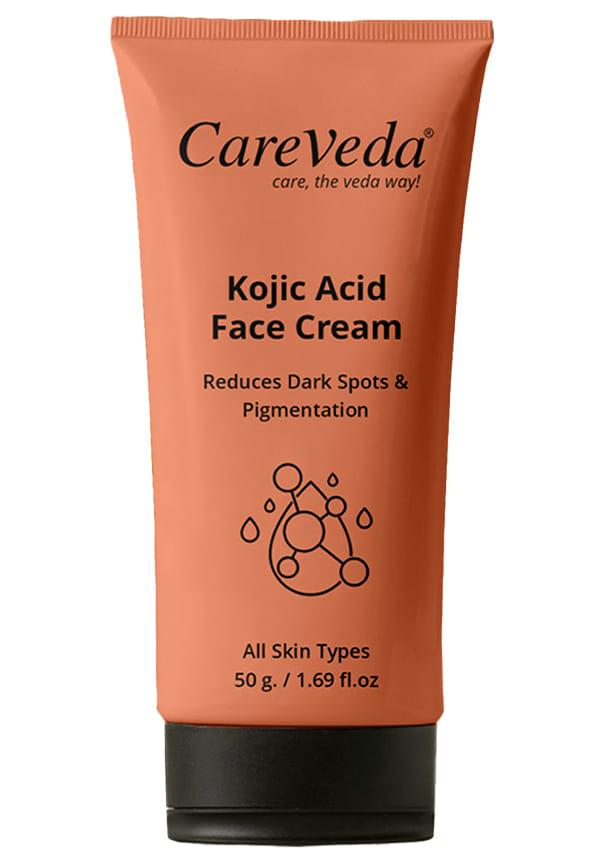
Kojic Acid Face Cream For Reduces Dark Spots & Pigmentation
Amazing Product Experience
4“Received amazing product....i just loved it ”
Amazing Product Experience
4“Received amazing product....i just loved it ”
Amazing Product Experience
4“Received amazing product....i just loved it ”
The benefits of incorporating kojic acid into your routine go beyond just brightening. This multitasking ingredient offers several skin-improving properties that make it worth considering for various concerns.
Kojic acid melasma treatment has gained significant attention because of how effectively it can address these persistent dark patches. Unlike some treatments that only provide temporary results, kojic acid works to prevent future discolouration while treating existing concerns.
Post-acne marks, sun spots, and general hyperpigmentation respond well to kojic acid treatment. The key is consistency—you won't see overnight results, but with regular use, you'll notice gradual improvement in skin clarity and evenness.
Kojic acid for acne isn't just about treating active breakouts—it's particularly effective for the dark marks left behind. These post-inflammatory hyperpigmentation spots can linger for months, but kojic acid helps speed up the fading process significantly.
Beyond its brightening effects, kojic acid also offers antioxidant benefits. This means it helps protect your skin from environmental damage that could lead to further pigmentation issues down the line.
Knowing how to use kojic acid properly is crucial for getting the best results without irritation. Like any active ingredient, there's a right way and a wrong way to incorporate it into your routine.
Start with lower concentrations—typically between 1-2% for beginners. Kojic acid products come in various forms including serums, creams, cleansers, and even soaps. Serums tend to be most effective as they deliver a concentrated dose directly to the skin.
Apply kojic acid products to clean, dry skin, preferably in your evening routine. Always follow up with a moisturiser to prevent dryness, and never skip sunscreen during the day—this bit is non-negotiable.
Before diving in with full application, do a patch test on a small area of skin. Wait 24-48 hours to check for any adverse reactions. This step might seem tedious, but it's worth it to avoid potential irritation.
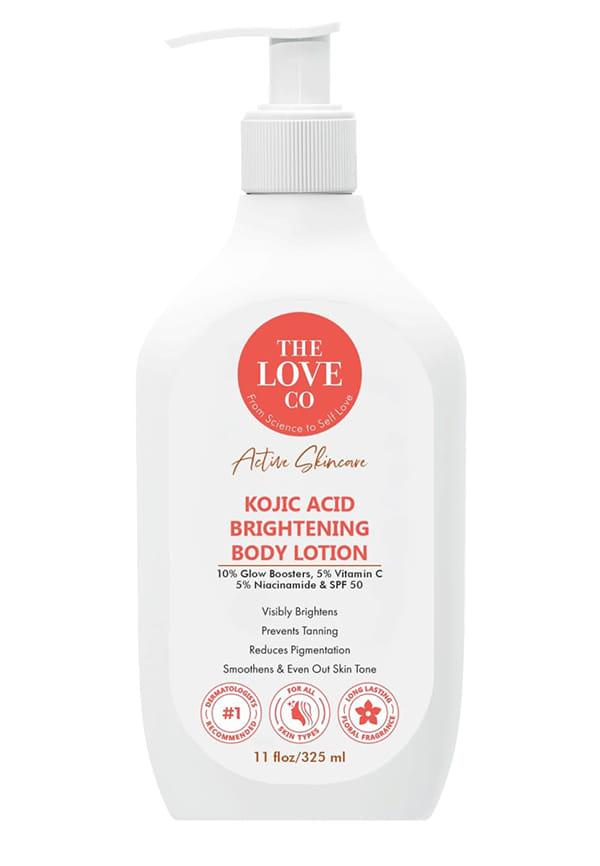
Kojic Acid Brightening Body Lotion
Improves Body Brightness
4“amazing body lotion improve body brightness”
Good Packaging & Decent Smell
4“packagung and everything all good, smells decent”
Great Fragrance & Hydration
5“soooo happy i purchased this. great fragrance and deep hydration.”
Kojic acid can make your skin more photosensitive, meaning you're more susceptible to sun damage. Daily SPF isn't just recommended—it's essential for protecting your progress and preventing new pigmentation.
Let's be real about kojic acid side effects—while generally well-tolerated, this ingredient isn't suitable for everyone. Understanding potential reactions helps you make informed decisions about whether it's right for your skin.
Common side effects include mild irritation, redness, and increased sensitivity, particularly when you're first starting out. Some people may experience contact dermatitis, especially if they have sensitive skin or use concentrations that are too high for their tolerance level.
If you have extremely sensitive skin, rosacea, or are pregnant or breastfeeding, it's worth consulting with a dermatologist before adding kojic acid to your routine. While it's considered safer than some alternatives, individual reactions can vary.
Discontinue use if you experience persistent burning, severe redness, or any signs of allergic reaction. Your skin should gradually improve with kojic acid use, not become more irritated over time.
When exploring brightening options, you'll likely come across comparisons between different ingredients. Understanding how kojic acid stacks up against alternatives helps you choose what's best for your specific needs and skin type.
Kojic acid vs hydroquinone is a common comparison since both target hyperpigmentation. Hydroquinone is often considered the gold standard for skin lightening, but it comes with more potential side effects and restrictions on long-term use. Kojic acid offers a gentler alternative with fewer safety concerns.
Kojic acid's natural origin appeals to those seeking less synthetic skincare options. While effectiveness can vary between natural and synthetic alternatives, kojic acid holds its own in clinical studies for treating various types of hyperpigmentation.
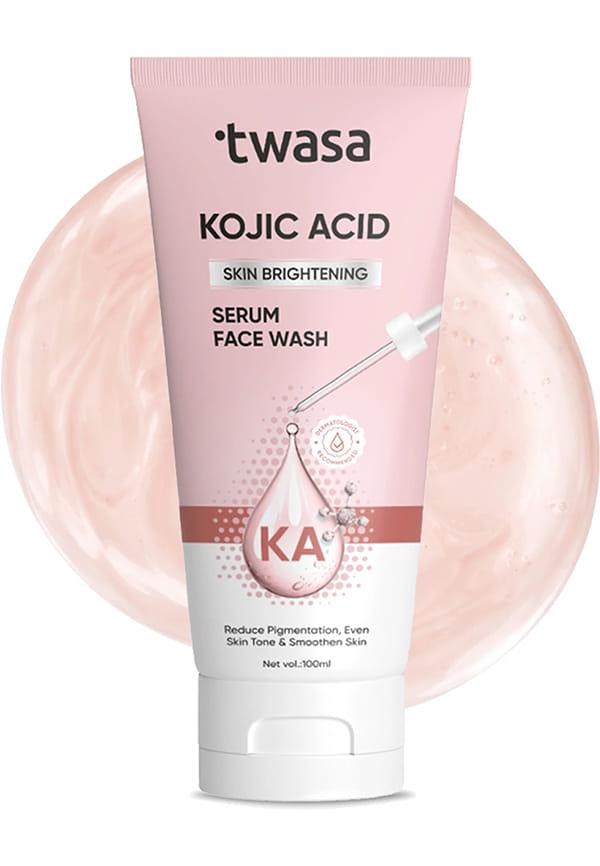
Kojic Acid For Dark Spots, Even Skin Tone & Pigmentation
Research shows kojic acid to be effective for treating melasma, post-inflammatory hyperpigmentation, and age spots. Its safety profile is generally favourable, especially compared to stronger chemical lighteners that may require prescription monitoring.
With over 25 million users exploring new skincare ingredients through platforms like Smytten, there's never been a better time to discover what works for your unique skin concerns. Smytten's curated trial packs let you test kojic acid products from trusted brands without committing to full-size purchases—perfect for finding your next skincare fave safely and affordably.
Most people start noticing improvements in skin brightness and dark spot fading after 4-6 weeks of consistent use. However, significant changes in hyperpigmentation may take 8-12 weeks or longer, depending on the severity and your skin's response.
Yes, but introduce them gradually. Kojic acid pairs well with vitamin C and niacinamide but should be used cautiously with retinoids or AHAs/BHAs to avoid over-exfoliation. Always start slowly and monitor your skin's response.
While generally well-tolerated, people with very sensitive skin or certain skin conditions should consult a dermatologist first. Those with darker skin tones should be particularly careful to avoid over-treatment, which could lead to unwanted lightening.
Kojic acid can significantly fade dark spots and hyperpigmentation, but complete removal depends on factors like the depth of pigmentation, consistency of use, and individual skin response. Some spots may fade dramatically while others might only lighten partially.
It's generally recommended to use kojic acid in your evening routine since it can increase photosensitivity. If using during the day, ensure you apply a broad-spectrum SPF 30 or higher and reapply throughout the day.
Kojic acid stands out as a naturally derived, effective option for addressing hyperpigmentation, melasma, and uneven skin tone. Its gentle yet powerful mechanism makes it accessible for many skin types while delivering genuine results over time. Remember that patience is key—this isn't an overnight miracle worker, but rather a reliable ingredient that delivers gradual, lasting improvements.
The key to success with kojic acid lies in proper use, realistic expectations, and consistent application. Whether you're dealing with post-acne marks, sun damage, or stubborn melasma, this ingredient offers a proven path to brighter, more even skin. Just remember to start slowly, always use sun protection, and give your skin time to adjust and respond. Your future self will thank you for taking the time to understand and properly incorporate this powerful brightening ingredient into your routine.
