What is a Chemical Peel? Your Indian Skin Questions Answered


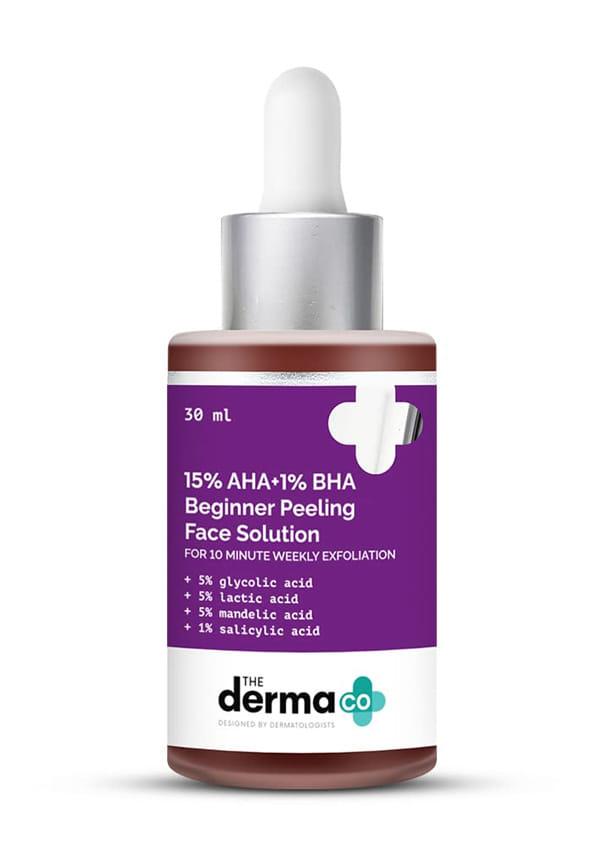
15% AHA + 1% BHA Beginner Face Peeling Solution
Good initial feeling, awaits long-term results
 4
4“for now it feels good after using but can only tell after long term using”
Good initial feeling, awaits long-term results
4“for now it feels good after using but can only tell after long term using”
Good initial feeling, awaits long-term results
4“for now it feels good after using but can only tell after long term using”
You've been scrolling through skincare content for weeks, watching everyone rave about chemical peels. But every time you consider booking an appointment, that nagging voice whispers: "What if this goes wrong on my Indian skin?" You're not overthinking it. Indian skin, with its beautiful melanin-rich tones, does need special consideration when it comes to chemical exfoliation. The good news? With the right knowledge, chemical peels can be transformative for Indian skin types.
A chemical peel is essentially controlled skin damage that triggers your skin's natural healing response. Unlike physical scrubs that manually buff away dead cells, chemical exfoliation uses acids to dissolve the bonds holding dead skin cells together. Think of it as giving your skin a fresh start from within.
The magic happens in three depths. Superficial peels work on the outermost layer, targeting everyday concerns like dullness and mild acne. Medium peels penetrate deeper to address pigmentation and fine lines. Deep peels reach the dermis for serious resurfacing, though these are rarely recommended for Indian skin due to pigmentation risks.
What makes skin resurfacing treatments so effective is their ability to accelerate cell turnover. Your skin naturally sheds dead cells every 28 days, but as we age or deal with concerns like acne, this process slows down. Chemical peels speed things up, revealing fresher, healthier skin underneath. The chemical peel benefits extend beyond just surface improvement – they can stimulate collagen production and improve overall skin texture.
Indian skin typically falls into Fitzpatrick types III to V, characterised by higher melanin content and increased oil production. This beautiful complexity comes with specific considerations that generic skincare advice often overlooks.
The biggest concern? Post-inflammatory hyperpigmentation (PIH). When Indian skin experiences trauma – even the controlled trauma of a chemical peel – it can respond by producing excess melanin. This means what should be a brightening treatment could potentially leave you with dark spots that take months to fade.
Your skin's natural oil production also affects how chemical peels for skin work. Many Indian skin types produce more sebum, especially in humid climates. This can actually be beneficial for certain peels, as oil-loving acids like salicylic acid penetrate more effectively. However, it also means your skin might handle stronger concentrations better than expected.
The key is understanding that the best chemical peel for your friend with lighter skin might not be ideal for you. Indian skin often responds better to gentler acids used consistently rather than aggressive treatments that risk triggering pigmentation.
Not all acids are created equal, especially when it comes to Indian skin. Here's what actually works without the guesswork.
Glycolic acid gets all the attention, but it's not always the best starting point for Indian skin. Its small molecular size means deep penetration, which can trigger PIH in sensitive individuals. If you're determined to try glycolic acid, start with 10% concentrations and build tolerance slowly.
Lactic acid is the gentler cousin that deserves more recognition. Derived from milk, it exfoliates while providing hydration – perfect for Indian skin that might be dehydrated from air conditioning or harsh weather. It's also less likely to cause irritation, making it ideal for first-time chemical peel users.
Mandelic acid is the unsung hero for Indian skin. Its larger molecular size means slower, gentler penetration with the lowest risk of PIH. If you have darker skin tones or a history of pigmentation issues, mandelic acid should be your starting point.
Salicylic acid is genuinely transformative for oily, acne-prone Indian skin. Unlike AHAs that work on the surface, salicylic acid is oil-soluble, meaning it can penetrate into your pores and clear out the sebum and dead skin cells that cause breakouts.
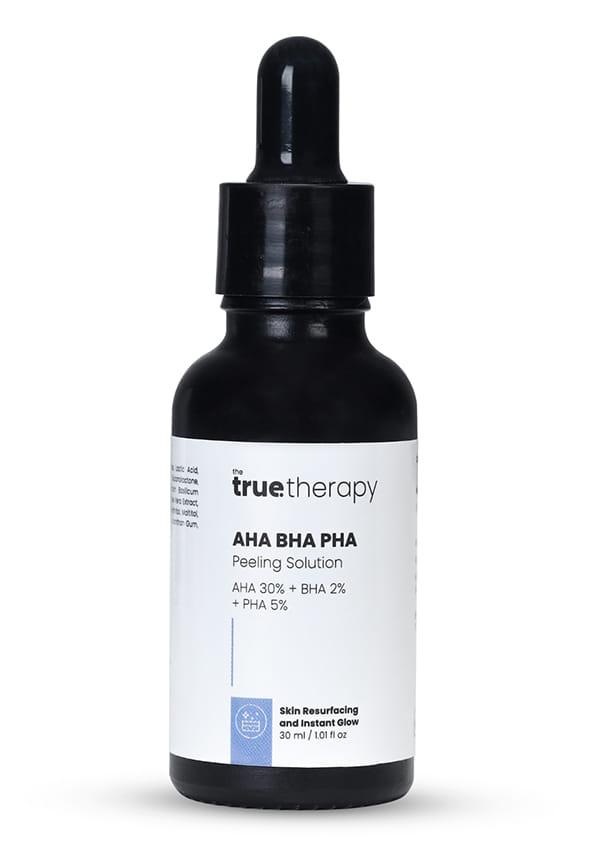
30% AHA 2% BHA 5% PHA Skin Peel
Excellent Product & Delivery
5“This product truly stands out for its quality and performance. It delivers excellent results and exceeds expectations in every use. The packaging is sturdy and user-friendly, enhancing overall satisfaction. Purchased from a reliable online platform, the delivery was prompt, and the product arrived in perfect condition—highly recommended for regular use.”
For Indian skin dealing with monsoon breakouts or post-gym congestion, salicylic acid peels can be game-changing. They're also less likely to cause PIH compared to glycolic acid, making them safer for regular use.
Many modern chemical peel types combine multiple acids for comprehensive results. AHA-BHA combinations can address both surface texture and deeper pore concerns. However, approach these with caution if you're new to chemical exfoliation – your skin needs time to build tolerance.
Real talk: your skin concern should drive your acid choice, not trends or what worked for someone else.
If you're dealing with persistent breakouts, especially during humid months, salicylic acid is your answer. Start with 0.5-1% for daily use or 10-15% for weekly treatments. The oil-soluble nature means it works where your breakouts actually start – inside the pore.
Many people with acne-prone Indian skin find that consistent, gentle chemical exfoliation works better than sporadic strong treatments. Your skin will notice the difference within 4-6 weeks of regular use.
This is where Indian skin needs the most careful approach. Mandelic acid should be your first choice, followed by lactic acid if you need something slightly stronger. Both work to fade existing pigmentation while being gentle enough not to trigger new dark spots.
The gradual approach is crucial here. It's better to use a 5% mandelic acid peel weekly for three months than to risk a stronger peel that could worsen your pigmentation.
If you're experienced with acids and want to address fine lines or rough texture, glycolic acid can be effective. However, build up slowly – start with 10% treatments every two weeks and monitor your skin's response carefully.
Remember, Indian skin often ages differently than lighter skin tones. You might find that consistent gentle exfoliation gives you better long-term results than aggressive treatments.
Lactic acid is genuinely the gentlest option for sensitive Indian skin. Its hydrating properties mean you're less likely to experience the tight, uncomfortable feeling that can come with other acids. Start with 5% concentrations and use them sparingly – once every 10 days initially.
Let's address the elephant in the room: chemical peel side effects can be more pronounced in Indian skin, but they're also more predictable when you know what to watch for.
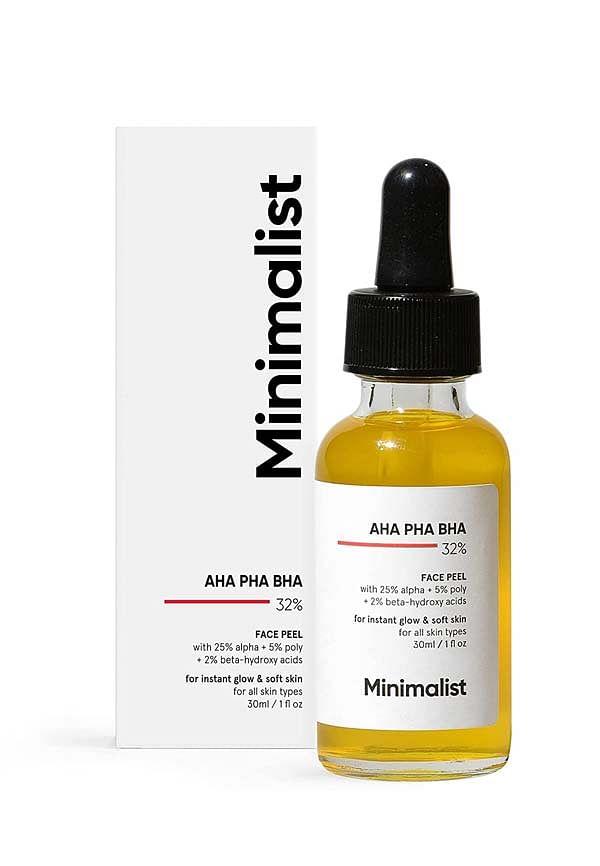
AHA PHA BHA 32% FACE PEEL
Nice Product, Suitable for Skin
5“nice product suitable for me and my skin”
Nice Product, Suitable for Skin
5“nice product suitable for me and my skin”
Good Product, No Tan Removal
5“nice product but not removing tan”
Common reactions include redness, mild stinging, and peeling – all normal parts of the process. However, Indian skin can also experience post-inflammatory hyperpigmentation, which appears as dark spots where the peel was applied. This is why starting gentle and building tolerance is crucial.
Warning signs that require immediate attention include severe burning, blistering, or patches of skin that turn significantly darker than surrounding areas. If you experience any of these, stop treatment and consult a dermatologist.
Pre-treatment preparation is essential. Stop using tretinoin, vitamin C serums, or other active ingredients 5-7 days before your peel. Your skin needs to be in a calm, non-irritated state to handle chemical exfoliation safely.
Professional treatments offer better safety monitoring, especially for first-time users or those with a history of pigmentation issues. At-home peels can be effective, but they require honest self-assessment of your skin's tolerance and reaction patterns.
The chemical peel cost in India varies significantly based on location, clinic reputation, and peel type. Professional superficial peels typically range from ₹2,000 to ₹8,000 per session, while medium-depth peels can cost ₹8,000 to ₹15,000.
Tier 1 cities like Mumbai and Delhi command higher prices, often 30-40% more than Tier 2 cities. However, don't let cost be your only consideration – the expertise of the practitioner matters more than the price tag, especially for Indian skin.
At-home chemical peels offer a budget-friendly alternative, with quality products ranging from ₹800 to ₹3,000. While more affordable, they require careful research and gradual introduction to avoid adverse reactions.
Consider the long-term investment. Most people need 4-6 sessions spaced 2-4 weeks apart for optimal results, followed by maintenance treatments every 2-3 months. Factor this into your budget planning.
The first 48 hours after a chemical peel are crucial for Indian skin. Your skin will be more sensitive and vulnerable to pigmentation triggers, so gentle care is non-negotiable.
Immediately post-peel, stick to gentle, fragrance-free cleansers and avoid any active ingredients. Your skin might feel tight or look slightly red – this is normal. Apply a gentle, hydrating moisturiser and avoid touching or picking at your skin.
Sun protection becomes even more critical after chemical exfoliation. Indian skin, despite its natural melanin protection, is more susceptible to UV damage post-peel. Use SPF 30 or higher, reapply every 2 hours, and consider physical barriers like hats or umbrellas when outdoors.
The peeling process typically starts 2-3 days post-treatment and can last up to a week. Resist the urge to help it along by picking or scrubbing. Let your skin shed naturally while keeping it moisturised and protected.
Resume active ingredients gradually. Wait at least a week before reintroducing vitamin C or niacinamide, and 2-3 weeks before returning to tretinoin or other strong actives. Your skin needs time to rebuild its protective barrier.
For most Indian skin types, mandelic acid and lactic acid peels offer the best balance of effectiveness and safety. Salicylic acid works exceptionally well for acne-prone skin, while those with sensitive skin should start with lactic acid. The key is choosing based on your specific skin concern rather than following generic recommendations.
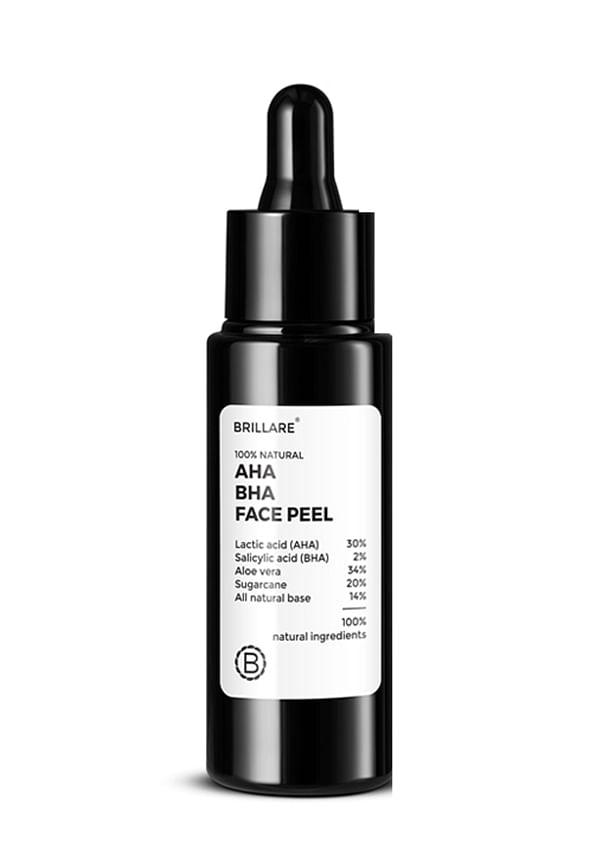
AHA BHA Exfoliating Face Peeling Solution
Very Good Product
5“very good 👍👍👍👍 👍👍👍👍👍👍👍”
Very Good Product
5“very good 👍👍👍👍 👍👍👍👍👍👍👍”
Nice Product, Recommended
5“nice product and recommended for everyone”
Yes, when properly selected and administered. Indian skin requires specific considerations due to higher melanin content and increased risk of post-inflammatory hyperpigmentation. Professional consultation is recommended, especially for first-time users or those with a history of pigmentation issues.
You must discontinue tretinoin 5-7 days before any chemical peel treatment. Tretinoin increases skin sensitivity and combining it with chemical exfoliation can lead to severe irritation or burns. Resume tretinoin only after your skin has completely healed, typically 1-2 weeks post-peel.
Salicylic acid peels are most effective for acne-prone Indian skin. Being oil-soluble, salicylic acid penetrates into pores to clear sebum and dead skin cells that cause breakouts. Start with 10-15% concentrations and use weekly or bi-weekly depending on your skin's tolerance.
Professional chemical peels in India range from ₹2,000 to ₹15,000 per session, depending on the type and location. Superficial peels are more affordable (₹2,000-₹8,000), while medium-depth peels cost more (₹8,000-₹15,000). At-home options range from ₹800 to ₹3,000 but require careful application.
While at-home chemical peels are possible, Indian skin's propensity for pigmentation makes professional supervision advisable, especially initially. If you choose at-home treatments, start with the lowest concentrations, patch test first, and build tolerance gradually. Never exceed recommended contact times.
For Indian skin, start with monthly treatments and adjust based on your skin's response. Sensitive skin may need 6-8 week intervals, while resilient skin might handle bi-weekly sessions. Maintenance treatments every 2-3 months help sustain results without over-exfoliating.
Avoid sun exposure, active skincare ingredients, harsh cleansers, and picking at peeling skin. Skip makeup for 24-48 hours if possible, and don't use physical exfoliants for at least two weeks. Swimming in chlorinated pools should also be avoided during the healing period.
Chemical peels can be transformative for Indian skin when approached thoughtfully. The key lies in understanding your skin's unique needs rather than following one-size-fits-all advice. Start gentle, build tolerance gradually, and prioritise safety over quick results.
Remember, your skin journey is personal. What works for your friend might not work for you, and that's perfectly normal. Focus on consistent, gentle care that respects your skin's natural characteristics and melanin-rich beauty.
If you're curious about exploring chemical exfoliation products but want to test them first, platforms like Smytten offer a smart way to try minis from trusted skincare brands before committing to full-size purchases. With over 28 million users discovering products through trial-sized options, it's a practical approach to finding what truly works for your unique skin needs.
