What Happens to Skin Without Regular Moisturizing in Indian Weather? FAQ

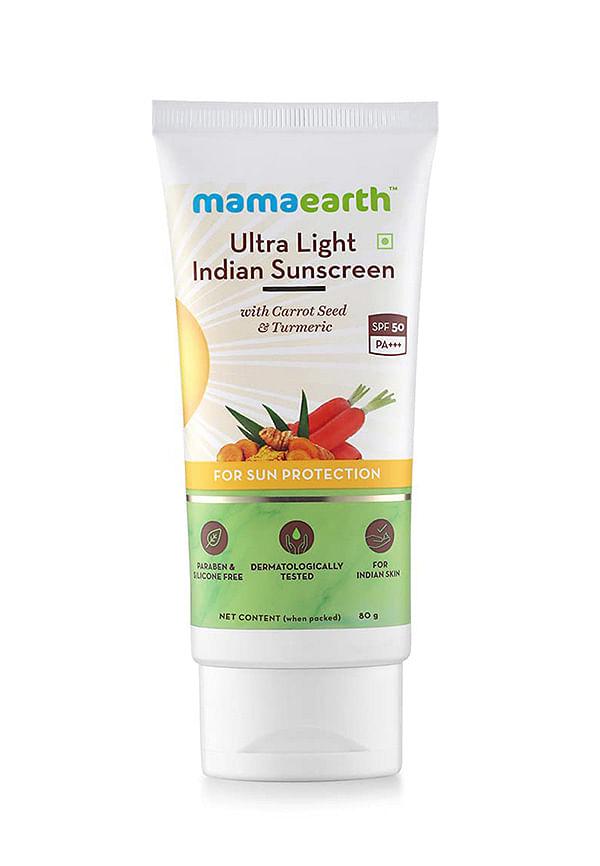
Ultra Light indian Sunscreen
You've just stepped out of an air-conditioned office into Delhi's 42°C heat, and your skin feels like it's been stretched over a drum. Or perhaps you're dealing with that post-monsoon tightness that makes your cheeks feel two sizes too small. If you've ever wondered what actually happens when you skip the moisturiser in India's unpredictable climate, you're not alone. From the Himalayan foothills to coastal humidity, our weather puts skin through quite the journey—and without proper hydration, that journey can get uncomfortable fast.
India's climate doesn't mess about when it comes to testing your skin's resilience. Within hours of skipping your moisturiser, your skin begins a cascade of reactions that can leave you reaching for any cream in sight.
Your skin barrier is essentially a protective wall made of dead skin cells and natural oils. In Indian weather conditions, this barrier faces a proper workout. Summer temperatures soaring to 45°C in places like Rajasthan literally evaporate moisture from your skin faster than you can say "dehydrated skin symptoms." Meanwhile, monsoon humidity levels hitting 80% might seem like they'd help, but they actually confuse your skin's natural moisture regulation.
The pollution and dust exposure in Indian cities adds another layer of challenge. These particles settle on your skin, creating a barrier that prevents natural moisture from staying put. UV radiation in tropical regions is particularly intense—without a proper moisture barrier, your skin becomes more vulnerable to sun damage and premature ageing.
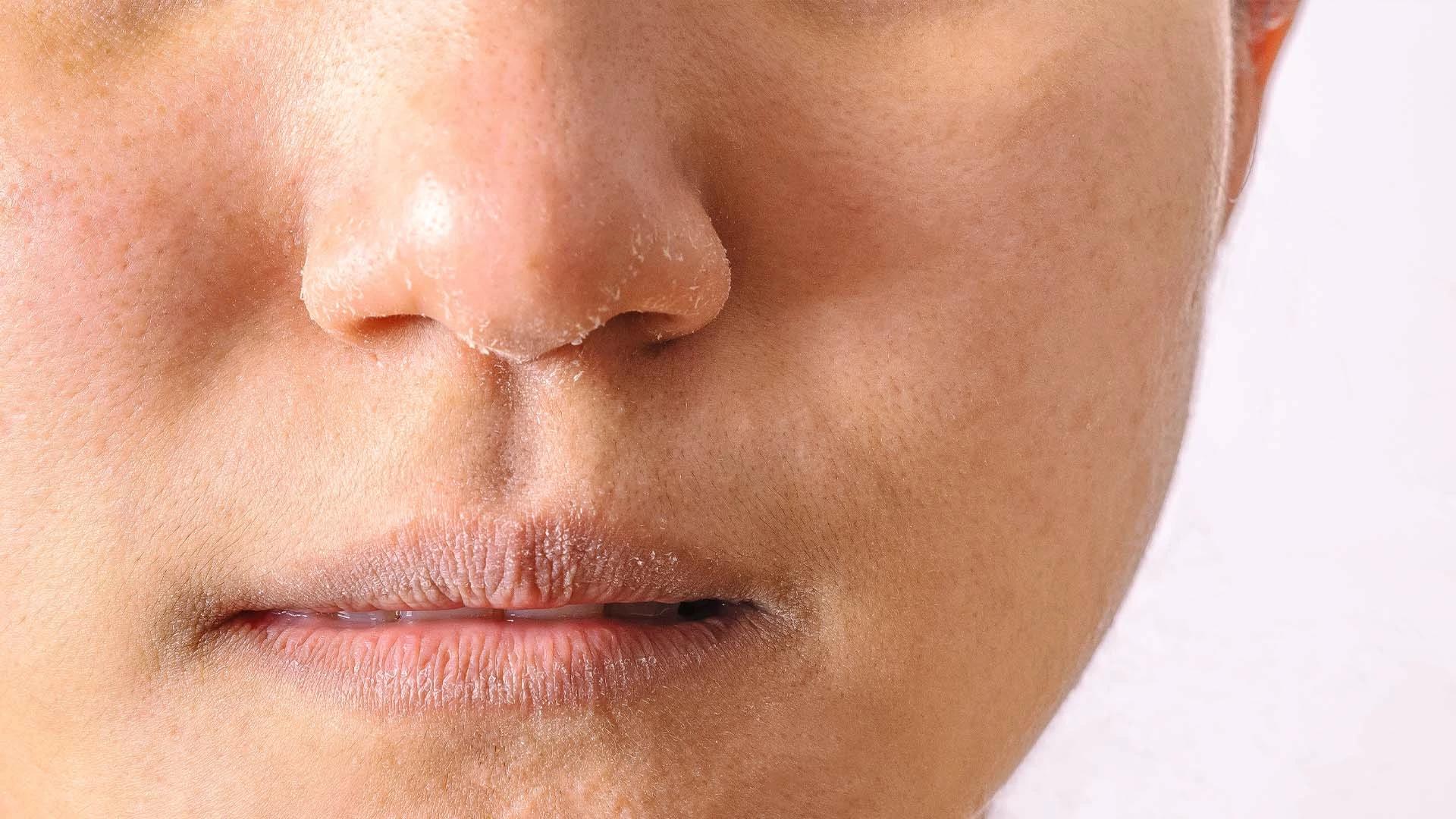
Skip your moisturiser for just one day in Indian weather, and your skin starts sending distress signals. That familiar tightness across your cheeks? That's your skin barrier beginning to compromise. You might notice small flakes appearing, especially around your nose and forehead—classic signs that your skin's natural moisture barrier function is struggling.
Interestingly, many people experience increased oil production during this phase. Your skin, sensing dryness, kicks sebum production into overdrive as a compensatory mechanism. This is why some people with dry skin Indian weather challenges end up with an oily T-zone by afternoon—their skin is desperately trying to self-moisturise.
What starts as minor tightness can evolve into more serious concerns when moisturising isn't prioritised. The effects of not moisturising compound over time, particularly in India's challenging climate conditions.
Without regular moisturising, your skin loses its ability to maintain elasticity and bounce. Fine lines appear earlier, particularly around the eyes and mouth where skin is naturally thinner. In Indian summers, this process accelerates—the combination of heat, UV exposure, and low humidity creates the perfect storm for accelerated ageing.
Environmental damage becomes more pronounced when your skin barrier is compromised. Pollution particles penetrate deeper into unprotected skin, leading to inflammation and oxidative stress. This is particularly noticeable in metropolitan areas like Mumbai, Delhi, and Bangalore, where air quality can be challenging.
Long-term neglect of skin hydration can trigger or worsen conditions like eczema and dermatitis. These inflammatory skin conditions thrive when the skin barrier is weakened. You might notice persistent dry patches that refuse to heal, increased sensitivity to weather changes, or skin that takes longer to recover from minor cuts or irritation.
The healing and repair processes slow down significantly when skin lacks proper hydration. What might have been a minor breakout or scratch can linger for weeks, creating a cycle where damaged skin becomes more susceptible to further damage.
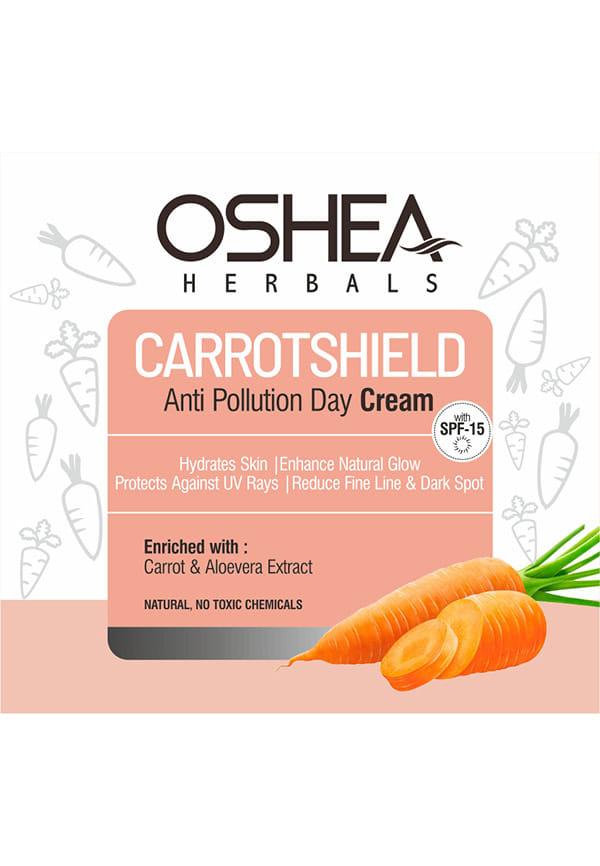
Carrotshield Anti-Pollution Day Cream
India's diverse climate zones mean your skin faces different challenges depending on where you live and what season you're navigating. Understanding these patterns helps explain why consistent moisturising is crucial year-round.
April through June brings intense heat across most of India, with some regions experiencing temperatures that would challenge even the most resilient skin. The extreme heat exposure literally draws moisture from your skin through increased transepidermal water loss. Air conditioning, while providing relief, creates its own set of challenges—constantly moving between hot outdoor air and cool indoor environments confuses your skin's natural regulation.
Increased perspiration during summer months might seem like it would help with hydration, but sweat actually contains salt and other compounds that can further dry your skin once it evaporates. Without proper barrier protection, sun exposure becomes particularly damaging during these months.
The monsoon season presents a unique paradox—high humidity levels that should theoretically help with hydration, but often leave skin feeling sticky yet somehow still dry. This happens because excessive environmental moisture can disrupt your skin's natural hydration regulation. Your skin may reduce its natural moisturising factor production, assuming the environment will provide adequate moisture.
The combination of sweat, humidity, and pollution during monsoons creates a challenging environment for unprotected skin. Many people notice their skin feels simultaneously oily and dehydrated during this season—a clear sign that the moisture barrier needs support.
Indian winters, particularly in northern regions, bring cold weather that significantly impacts skin barrier function. Humidity levels can drop to 20-30%, creating desert-like conditions for your skin. Harsh winds and sudden temperature drops further challenge your skin's ability to maintain moisture.
Indoor heating, while less common in India than in colder countries, still affects skin moisture in offices and homes with heating systems. The dry air literally pulls moisture from your skin, making consistent moisturising essential during these months.
Choosing the right moisturiser for Indian weather conditions requires understanding both your skin type and the seasonal challenges you'll face. The best moisturisers for Indian skin adapt to our unique climate demands.
During humid months, gel-based moisturisers with hyaluronic acid work brilliantly for most skin types. These water-based formulas absorb quickly without leaving a sticky residue—crucial when you're dealing with 80% humidity. Aloe vera benefits extend beyond soothing sunburn; it provides lightweight hydration that works well in Indian summers.
Look for quick-absorbing, matte-finish options that won't interfere with makeup or feel heavy in humid conditions. Ingredients like niacinamide and lightweight ceramides provide hydration without overwhelming oily or combination skin types.
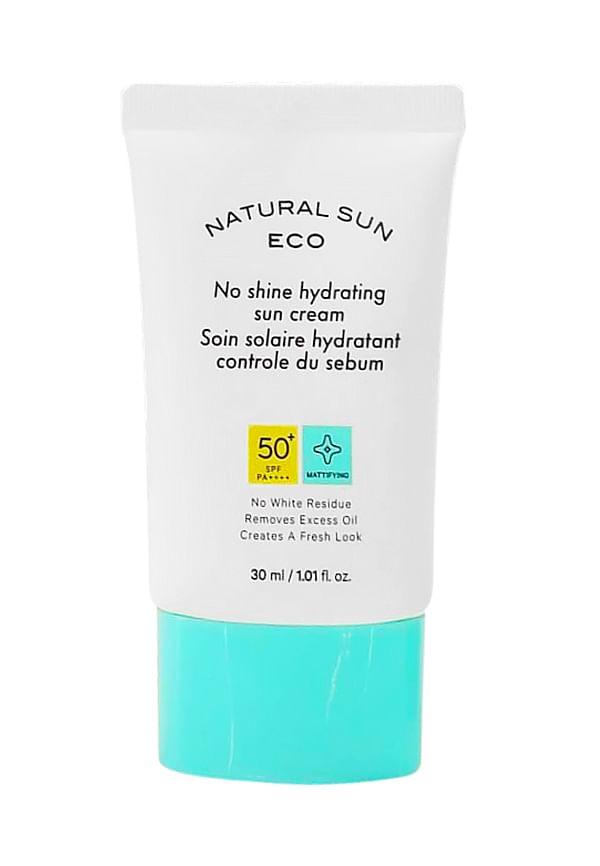
NaturalSun Eco No Shine Hydrating Sun Cream
Winter months and dry seasons call for heavier formulations that can withstand harsh environmental conditions. Ceramide and glycerin-rich products help rebuild and maintain the skin barrier when it's under stress. Natural oils like jojoba, argan, or even traditional coconut oil can provide the extra protection needed during challenging weather.
Climate-adaptive moisturising means switching between lighter and heavier formulations as seasons change. Many people find success with layering—using a lightweight serum followed by a cream during particularly dry periods.
Effective skin hydration tips go beyond just applying moisturiser. Timing, technique, and consistency all play crucial roles in maintaining healthy skin in Indian climate conditions.
The 3-minute rule is particularly important in Indian weather—apply moisturiser within three minutes of showering or washing your face while skin is still slightly damp. This traps water in your skin, maximising hydration benefits. In humid conditions, pat skin partially dry rather than rubbing completely dry before applying moisturiser.
Proper application involves gentle upward strokes, paying extra attention to areas that tend to dry out first—around the nose, corners of the mouth, and under the eyes. During different seasons, you might need to adjust your routine, using lighter applications in summer and more generous amounts in winter.
Traditional Indian ingredients offer excellent support for maintaining skin hydration. Turmeric mixed with milk or yoghurt creates a hydrating mask that also addresses inflammation. Neem oil, while strong, can be diluted and used for its antimicrobial and moisturising properties. Coconut oil remains a staple for good reason—it's readily available, affordable, and effective for many skin types.
DIY hydrating masks using ingredients like honey, oats, and rose water can provide intensive moisture treatment during particularly challenging weather periods. However, these should supplement, not replace, a consistent daily moisturising routine.
A well-structured skincare routine for dry skin in Indian conditions requires understanding both your skin's needs and environmental challenges. Consistency matters more than complexity when it comes to maintaining healthy, hydrated skin.
Morning routines in Indian climate should focus on protection and hydration. Start with a gentle cleanser, follow with a lightweight moisturiser, and always finish with SPF—even on cloudy days. The UV radiation in India is intense year-round, and unprotected skin loses moisture faster when exposed to sun damage.
Evening routines offer the opportunity for repair and intensive hydration. This is when you can use heavier moisturisers, incorporate ingredients like retinol or AHAs (with proper moisturising), and give your skin the support it needs to recover from daily environmental stress.
While consistent home care forms the foundation of healthy skin, knowing when to consult a dermatologist is important. If you experience persistent dryness despite regular moisturising, develop chronic skin conditions, or notice significant changes in your skin's texture or appearance, professional guidance can be invaluable.
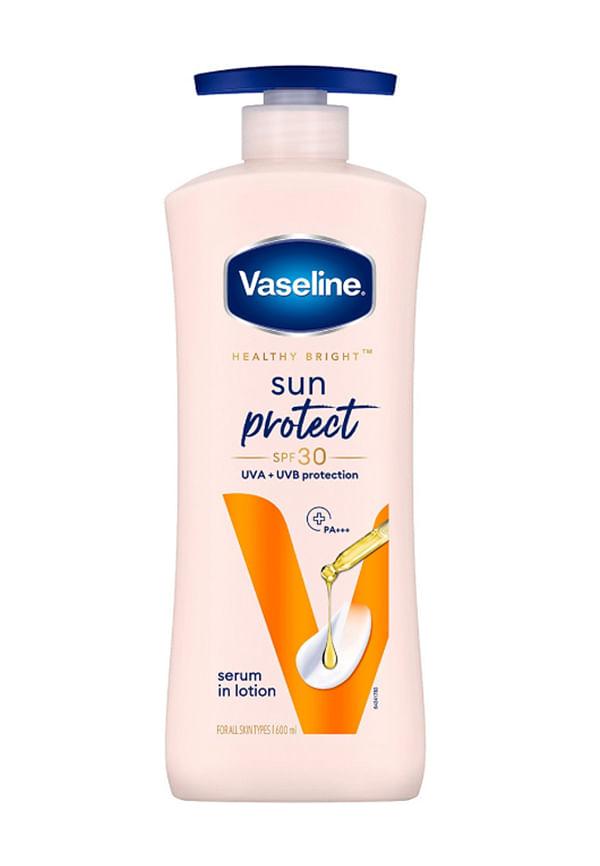
Sun + Pollution Protection SPF 30 Body Lotion
Over-the-counter options work well for most people, but prescription treatments might be necessary for severe dryness or underlying skin conditions. Cost-effective skincare doesn't mean compromising on quality—many affordable brands offer excellent moisturisers suitable for Indian skin and climate conditions.
Daily skipping leads to immediate barrier damage, increased sensitivity, and accelerated ageing. In Indian climate conditions, this process happens faster due to extreme temperatures, pollution, and UV exposure. Your skin begins losing moisture within hours, leading to tightness, flaking, and eventual chronic dryness.
Yes, humidity can actually disrupt your skin's natural hydration balance. High humidity levels during monsoons can cause your skin to reduce its natural moisture production, leading to dehydration despite the environmental moisture. Additionally, pollution and sweat can create barriers that prevent proper hydration.
Extreme temperature variations and low humidity winter months pose the greatest challenges. Northern Indian winters with humidity dropping to 20-30% combined with cold winds create desert-like conditions for skin. However, summer heat exceeding 40°C also rapidly depletes skin moisture.
Barrier repair typically takes 2-4 weeks with consistent care. Minor dryness and tightness improve within days of resuming regular moisturising, but deeper damage like fine lines or chronic dry patches require longer-term commitment to see significant improvement.
No, oily skin still needs hydration even in humid conditions. Skipping moisturiser can actually increase oil production as your skin tries to compensate for dehydration. Choose lightweight, gel-based formulas that provide hydration without adding excess oil.
Traditional ingredients like aloe vera, coconut oil, and turmeric work well for Indian skin types. Honey provides humectant properties, while rose water offers gentle hydration. However, these should complement, not replace, a proper moisturising routine with proven ingredients like ceramides and hyaluronic acid.
Understanding what happens to your skin without regular moisturising in Indian weather helps explain why this step is non-negotiable in any skincare routine. From the immediate discomfort of tightness and flaking to long-term concerns like premature ageing and chronic skin conditions, the importance of moisturising becomes clear when you consider our unique climate challenges.
The good news is that with consistent care and the right products for your skin type and local climate, you can maintain healthy, hydrated skin year-round. Whether you're dealing with Delhi's dry winters, Mumbai's humid monsoons, or Bangalore's unpredictable weather patterns, there are effective solutions available.
Smytten's curated selection includes moisturisers from trusted brands that understand Indian skin needs, with options for every skin type and budget. With over 28 million users discovering products that work for their unique concerns, the platform makes it easier to find solutions that actually deliver results. If you're curious about trying different moisturisers to find your perfect match, Smytten also offers minis from many leading skincare brands, letting you test formulations before committing to full-size products.
