What Does Skincare Actually Do? Your FAQ Answered


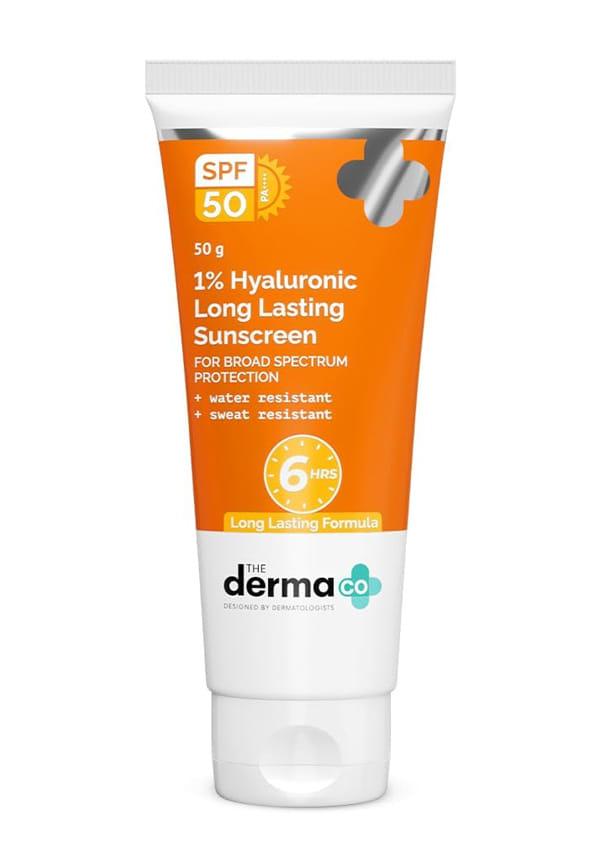
1% Hyaluronic Long Lasting Sunscreen with Hyaluronic Acid & Vitamin E
Ever scrolled through skincare content and wondered if all those serums, moisturisers, and treatments actually do anything meaningful for your skin? You're not alone. With endless product launches and conflicting advice everywhere, it's natural to question whether skincare is genuinely beneficial or just clever marketing. The truth is, skincare does work—but understanding how and why makes all the difference between wasting money and achieving real results. From supporting your skin's natural barrier function to addressing specific concerns like acne and hyperpigmentation, the right products can genuinely improve your skin's health and appearance. Whether you're a complete beginner or someone reconsidering their routine, let's dive into what skincare actually accomplishes and why millions of people worldwide, including those discovering new products through platforms like Smytten, swear by their daily routines.
Skincare products work by supporting your skin's natural barrier function, providing essential nutrients, and addressing specific concerns through scientifically-proven ingredients
A basic routine of cleansing, moisturising, and sun protection can prevent premature ageing and maintain healthy skin over time
Active ingredients like retinoids, vitamin C, and acids target cellular processes to improve skin texture, tone, and overall health
While your skin has natural repair mechanisms, environmental factors and ageing mean it benefits from external support through proper skincare
Results take time—typically 4-12 weeks depending on the concern and ingredients used
Your skin is your body's largest organ, constantly working to protect you from environmental damage, regulate temperature, and maintain hydration. But here's the thing—it doesn't operate in isolation. Modern life throws challenges at your skin that it simply wasn't designed to handle alone: pollution, UV radiation, harsh weather, and the natural ageing process all impact how well your skin functions.
Skincare products work by supporting and enhancing your skin's natural processes. Think of them as backup dancers for your skin's main performance. Your skin barrier, made up of lipids, ceramides, and proteins, acts like a protective wall. When this barrier is compromised—whether through over-cleansing, environmental stress, or genetics—skincare steps in to repair and strengthen it.
At the cellular level, skincare ingredients penetrate different layers of your skin to deliver specific benefits. Water-based serums typically work in the upper layers, whilst oil-based products can penetrate deeper. The pH of products matters too—your skin's natural pH sits around 5.5, and products formulated within this range work more effectively with your skin's chemistry rather than against it.
Let's break down what each essential step in a skincare routine actually does for your skin. Understanding these mechanisms helps you make informed decisions about which products deserve space in your routine.
Cleansing does far more than remove the day's grime. It clears away dead skin cells, excess sebum, and environmental pollutants that can clog pores and lead to breakouts. More importantly, proper cleansing prepares your skin to absorb the products that follow—think of it as clearing the pathway for your serums and moisturisers to do their job effectively.
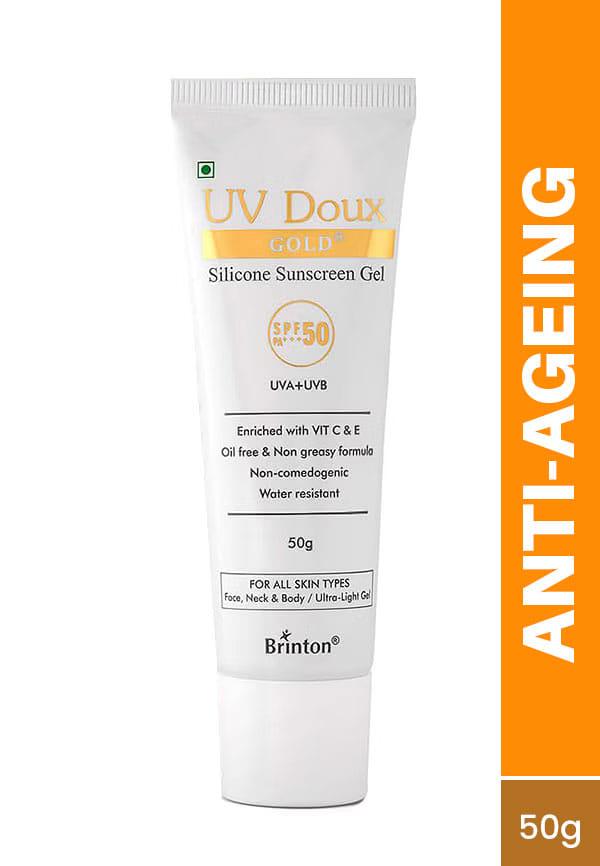
Gold Sunscreen Gel | Enriched with Vitamin C & E
Moisturisers work by creating a protective layer on your skin's surface whilst delivering hydrating ingredients deeper into the skin. They contain humectants (like hyaluronic acid) that draw moisture from the environment, emollients that smooth and soften, and occlusives that prevent water loss. This isn't just about comfort—well-moisturised skin is more resilient, heals faster, and shows fewer signs of ageing.
SPF is arguably the most important skincare step because it prevents damage before it occurs. UV radiation breaks down collagen, causes hyperpigmentation, and accelerates cellular ageing. Daily sun protection doesn't just prevent sunburn—it's your most effective anti-ageing strategy, preventing up to 80% of visible skin ageing when used consistently.
The "your skin can take care of itself" argument isn't entirely wrong, but it's incomplete. Yes, your skin has remarkable self-repair mechanisms, but these become less efficient with age and environmental exposure. Research comparing people who use basic skincare versus those who don't shows measurable differences in skin hydration, elasticity, and signs of ageing over time.
The key is understanding when intervention helps versus when it hinders. Minimal routines can absolutely work for some people, particularly those with resilient skin types and minimal environmental exposure. However, if you live in a polluted city, spend time in air conditioning, or have specific concerns like acne or sensitivity, targeted skincare can make a genuine difference to your skin's health and comfort.
The purpose of a skincare routine isn't to "fix" your skin—it's to support its natural functions and address specific challenges your skin faces. Think of it like exercise for your body: you could survive without it, but you'll likely feel and function better with the right support.
Understanding how different ingredients work helps demystify skincare and explains why certain products deliver results whilst others don't. Active ingredients are the workhorses of skincare—they're the components that create measurable changes in your skin.
Retinoids work by speeding up cell turnover and stimulating collagen production, which is why they're effective for both acne and anti-ageing. Vitamin C acts as an antioxidant whilst also inhibiting melanin production, making it excellent for brightening and protection. Chemical exfoliants like AHAs and BHAs dissolve the bonds between dead skin cells, revealing smoother, more radiant skin underneath.
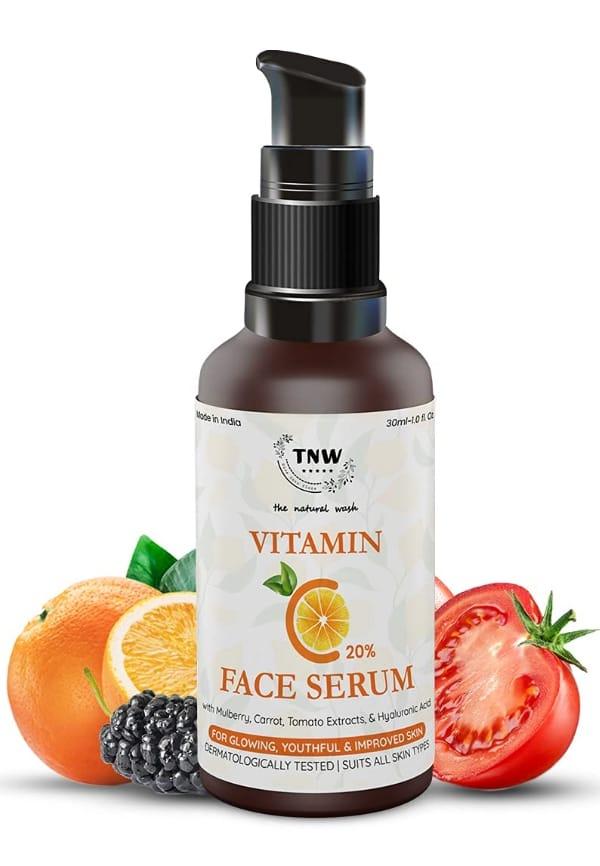
Vitamin C Face Serum|Skin Clearing|Skin Repair Face Serum & Face Brightening Vitamin C Serum Reduce hyperpigmentation & Dark Spots with Hyaluronic Ac
Different skin concerns require different approaches. Acne responds well to ingredients like salicylic acid and benzoyl peroxide that target bacteria and unclog pores. Hyperpigmentation improves with vitamin C, kojic acid, and gentle exfoliation. Fine lines benefit from retinoids, peptides, and hydrating ingredients that plump the skin.
The key is patience—most active ingredients take 6-12 weeks to show noticeable results because they work with your skin's natural renewal cycle.
An effective routine doesn't need to be complicated. The foundation—cleanser, moisturiser, and SPF—addresses your skin's basic needs for cleanliness, hydration, and protection. Everything else is customisation based on your specific concerns and goals.
When adding serums and treatments, introduce them gradually and pay attention to how your skin responds. Skincare works synergistically, meaning products can enhance each other's effects when used correctly. For example, vitamin C in the morning provides antioxidant protection that works alongside your SPF, whilst retinoids at night repair damage whilst you sleep.
The most common mistake is expecting immediate results or using too many active ingredients at once. Your skin needs time to adjust and respond to new products. Start simple, be consistent, and add complexity only when needed.
Yes, skincare products work when they contain proven ingredients at effective concentrations and are used consistently. Clinical studies show measurable improvements in skin hydration, texture, and signs of ageing with regular use of basic skincare routines. The key is realistic expectations—skincare improves skin health gradually over weeks and months, not overnight. You can measure effectiveness by tracking changes in how your skin feels, looks, and responds to environmental stressors.
The 4-2-4 rule is a cleansing method where you massage cleansing oil into dry skin for 4 minutes, add water and massage for 2 minutes, then rinse for 4 minutes. This technique thoroughly removes makeup, sunscreen, and impurities whilst being gentle on the skin. It's particularly effective for those wearing heavy makeup or waterproof products, though it might be excessive for minimal makeup days or sensitive skin types.
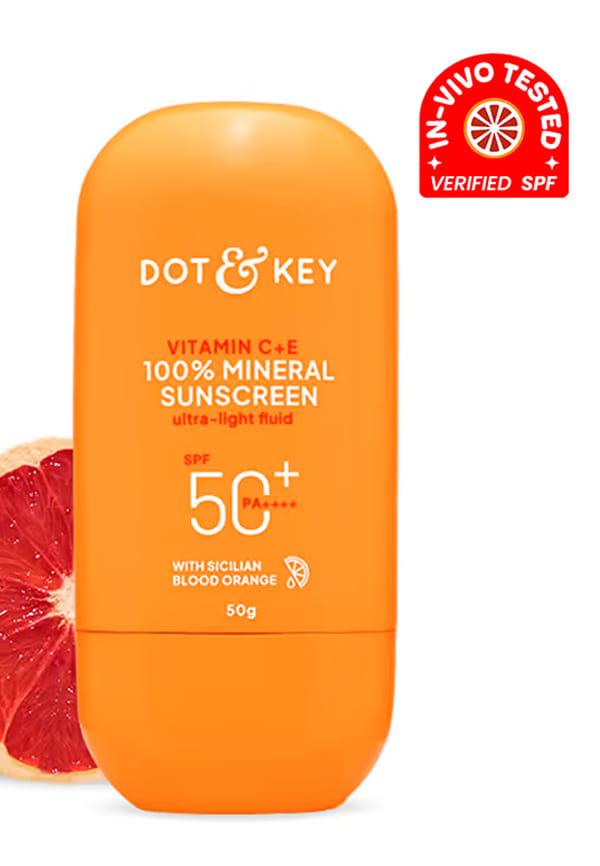
Vitamin C + E 100% Mineral Sunscreen SPF 50+ PA++++
The seven skincare sins typically include over-cleansing, skipping SPF, picking at skin, using too many active ingredients at once, not patch testing new products, inconsistent routine application, and expecting immediate results. These mistakes can damage your skin barrier, cause irritation, and prevent you from seeing the benefits of your routine. Avoiding these common pitfalls helps maintain healthy skin and maximises the effectiveness of your products.
The 1% rule suggests starting with lower concentrations of active ingredients and gradually increasing as your skin builds tolerance. For example, begin with 0.25% retinol before moving to 0.5% or 1%. This approach minimises irritation and helps your skin adapt to potent ingredients safely. It's particularly important for sensitive skin types or when introducing multiple actives into your routine.
Skincare doesn't ruin your skin when done correctly, but over-treatment and using inappropriate products can cause damage. Signs of skincare gone wrong include persistent irritation, increased sensitivity, or worsening of existing concerns. The solution is simplifying your routine, focusing on gentle, proven ingredients, and giving your skin time to recover. When exploring new products through trial platforms like Smytten, you can test formulations before committing to full sizes, reducing the risk of adverse reactions.
Results vary depending on the concern and ingredients used. Hydration improvements can be seen within days, whilst issues like acne, hyperpigmentation, and fine lines typically take 6-12 weeks to show noticeable improvement. This timeline aligns with your skin's natural renewal cycle, which takes about 28 days. Consistency is crucial—sporadic use won't deliver the same results as daily application over time.
Skincare works by supporting your skin's natural functions and addressing specific challenges that modern life presents. A basic routine of cleansing, moisturising, and sun protection provides measurable benefits for skin health and appearance over time. Active ingredients like retinoids, vitamin C, and exfoliants can target specific concerns when used correctly and consistently.
The key to effective skincare is understanding your skin's needs, choosing appropriate products, and maintaining realistic expectations about timelines and results. Start simple, be patient, and remember that healthy skin is a long-term investment rather than a quick fix.
Understanding what skincare actually does empowers you to make informed decisions about your routine and investment. Whether you're just starting out or refining an existing routine, the key is finding products that work for your specific skin type and concerns. Smytten is India's largest product discovery and trial platform, connecting consumers with top lifestyle, beauty, wellness, and grooming brands through curated trial packs from over 2,400 trusted brands such as Cetaphil, Dot & Key, WishCare, and Bella Vita. With up to 10 trial points for just ₹279 and 100% cashback on trial purchases, you can explore and experience products before committing to full-size purchases. This try-before-you-buy approach makes skincare discovery both affordable and rewarding, helping you find what actually works for your skin without the guesswork. After all, why settle for 'maybe' when you can #TryItAll!
