What Does Glycolic Acid Do For Skin? Your FAQ Answered


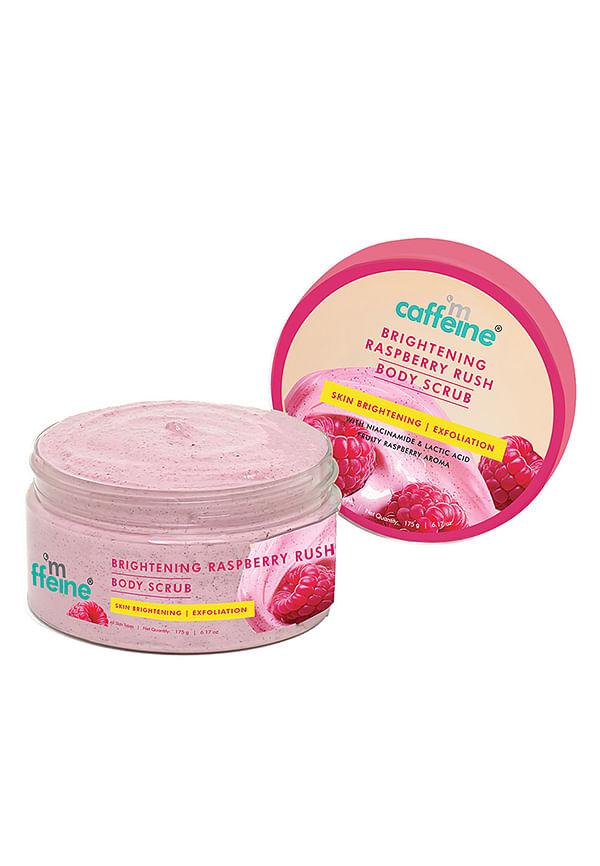
Brightening Raspberry Body Scrub | Tan Removal | AHAs- Lactic & Glycolic Acid
You've probably heard about glycolic acid everywhere lately — from your favourite skincare influencer's routine to that friend who suddenly has glowing skin. But what does glycolic acid actually do for your skin, and is all the hype justified? If you're dealing with dull skin, stubborn dark spots, or texture issues that just won't budge, this powerhouse ingredient might be exactly what your routine needs. Let's dive into everything you need to know about glycolic acid, from how it works to the real results you can expect.
Glycolic acid is an alpha-hydroxy acid (AHA) derived from sugarcane, and it's considered the gold standard of chemical exfoliation. What makes it special? It has the smallest molecular size among all AHAs, which means it can penetrate deeper into your skin than its cousins like lactic or mandelic acid.
Think of glycolic acid exfoliation as a gentle but thorough spring clean for your skin. Instead of scrubbing away dead skin cells with harsh particles (physical exfoliation), glycolic acid works by breaking the bonds that hold dead skin cells together. This allows them to shed naturally, revealing the fresh, healthy skin underneath.
When you apply glycolic acid, it gets to work immediately on your skin's surface. The acid loosens the 'glue' between dead skin cells, encouraging faster cell turnover. This process not only removes the dull, dead layer but also signals your skin to produce new, healthy cells more quickly. The result? Smoother texture, improved radiance, and better absorption of your other skincare products.
Real talk — glycolic acid benefits go far beyond just making your skin feel smoother. This ingredient is like a multi-tasker that addresses several skin concerns at once. Here's what it can actually do for your skin, backed by science and real results.
Your skin naturally sheds dead cells every 28 days, but this process slows down as we age or when pores get congested. Glycolic acid speeds this up, helping your skin renew itself more efficiently. You'll notice smoother texture and a natural glow within just a few weeks of consistent use.
Here's where glycolic acid really shines for mature skin. By removing the top layer of dead cells, it stimulates collagen production in the deeper layers. This helps plump fine lines and improve skin elasticity over time. Many users notice softer lines around their eyes and mouth after 6-8 weeks of regular use.
Glycolic acid for acne works by keeping pores clear of dead skin cells and excess oil. It's particularly effective for blackheads and those stubborn bumps that aren't quite pimples but won't go away either. The exfoliation helps prevent new breakouts while improving the appearance of existing blemishes.
If you're dealing with post-acne marks, sun spots, or melasma, glycolic acid can help fade these over time. By accelerating cell turnover, it helps bring newer, more evenly pigmented skin to the surface whilst encouraging the fading of darker spots.
That 'glass skin' look everyone's after? Glycolic acid is one of the most effective ways to achieve it. Regular use smooths rough patches, minimises the appearance of pores, and gives your skin that healthy, lit-from-within glow.
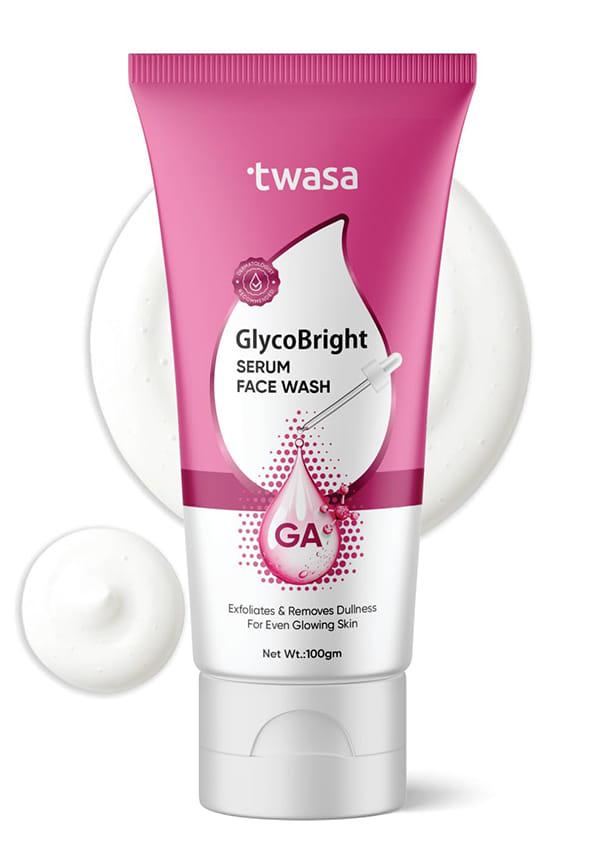
GlycoBright Glycolic Acid Face Wash
When you remove the barrier of dead skin cells, your serums and moisturisers can penetrate more effectively. This means you'll get better results from your entire skincare routine, not just the glycolic acid itself.
Years of sun exposure can leave your skin looking uneven and dull. Glycolic acid helps reverse some of this damage by encouraging the growth of new, healthier skin cells and gradually fading sun spots and rough patches.
Not all glycolic acid skincare products are created equal. The concentration, formulation, and product type all affect how the ingredient works on your skin. Here's your guide to choosing the right format for your needs and experience level.
Perfect for beginners, these typically contain 2-5% glycolic acid. They provide gentle daily exfoliation without the intensity of leave-on treatments. Great for oily or acne-prone skin that can handle daily use.
Usually containing 5-10% glycolic acid, toners prep your skin for other products whilst providing moderate exfoliation. They're ideal for those who want consistent results without the commitment of a dedicated treatment serum.
Glycolic acid serums are where you'll find higher concentrations (10-20%) for targeted treatment. These are best for experienced users who want to address specific concerns like hyperpigmentation or fine lines. Apply these 2-3 times per week in the evening.
Glycolic acid peels offer the most intensive treatment, with concentrations ranging from 20-70%. At-home peels (20-30%) can be effective for monthly deep exfoliation, whilst professional peels should only be done by qualified practitioners.
These combine hydration with gentle exfoliation, typically containing 5-10% glycolic acid. They're excellent for dry skin that still wants the benefits of chemical exfoliation without additional steps.
Knowing how to use glycolic acid properly is crucial for getting results without irritation. This isn't an ingredient you want to dive into headfirst — patience and gradual introduction are key to success.
Start with a low glycolic acid concentration (5-10%) and use it just twice a week initially. Your skin needs time to build tolerance, and rushing this process often leads to irritation, redness, and damaged skin barrier.
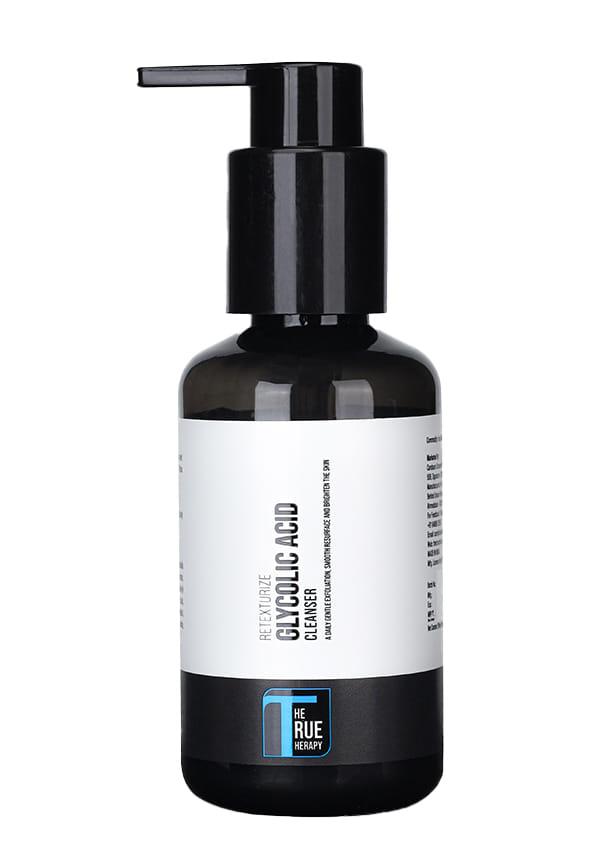
Glycolic Acid Face Cleanser
Always apply glycolic acid to clean, dry skin in the evening. After cleansing, wait for your skin to completely dry, then apply your glycolic acid product. Follow with a gentle moisturiser and never skip this step — your skin will need extra hydration.
The next morning, sunscreen is absolutely non-negotiable. Glycolic acid makes your skin more photosensitive, meaning you're more prone to sun damage and pigmentation. Use SPF 30 or higher every single day, even if you're staying indoors.
Week 1-2: Use twice per week, monitor for irritation. Week 3-4: If your skin is comfortable, increase to every other day. Month 2+: You may be able to use it daily, but many people find 3-4 times per week gives optimal results without irritation.
Let's be honest about glycolic acid side effects — they're real, but they're also largely preventable with proper use. Understanding what to expect helps you distinguish between normal adjustment and problematic reactions.
Initial mild tingling, slight redness, and increased sensitivity are normal when you first start using glycolic acid. Your skin is adjusting to the exfoliation, and these effects typically subside within 1-2 weeks of consistent use.
Severe burning, persistent redness lasting more than 24 hours, or peeling that doesn't stop after a week are signs you need to scale back. Over-exfoliation can damage your skin barrier, leading to increased sensitivity, breakouts, and even hyperpigmentation.
The biggest risk with glycolic acid is increased sun sensitivity. Your newly exfoliated skin is more vulnerable to UV damage, which can actually worsen hyperpigmentation and cause premature ageing. This is why dermatologists stress that sunscreen isn't optional when using AHAs.
If you're pregnant or breastfeeding, it's best to avoid glycolic acid or consult your doctor first. Those with very sensitive skin conditions like rosacea or eczema should also proceed with extreme caution and preferably under dermatological guidance.
Using glycolic acid daily can lead to over-exfoliation, especially when you're starting out. Signs include persistent redness, increased breakouts, and skin that feels tight or burns when you apply other products. Most people get optimal results using it 3-4 times per week rather than daily. If you do work up to daily use, stick to lower concentrations (5-10%) and always monitor your skin's response.
Glycolic acid can help fade dark spots over time by accelerating cell turnover and bringing newer, more evenly pigmented skin to the surface. However, it's not an overnight fix — you'll typically see improvements in post-acne marks after 4-6 weeks, whilst deeper pigmentation like melasma may take 3-6 months of consistent use. For stubborn spots, combining it with other ingredients like vitamin C or niacinamide often gives better results.
Start with twice a week and gradually increase based on your skin's tolerance. Oily, resilient skin might handle every other day or even daily use, whilst sensitive or dry skin may do best with 2-3 times per week. The glycolic acid concentration also matters — higher percentages should be used less frequently. Listen to your skin rather than following a rigid schedule.
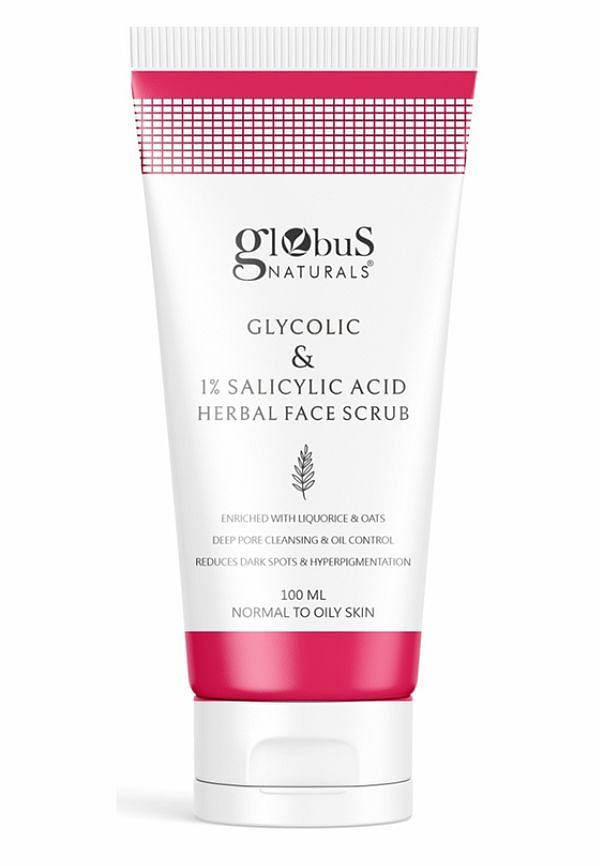
Glycolic & Salicylic Acid Scrub
These ingredients work differently and can actually complement each other beautifully. Glycolic acid provides exfoliation and helps with texture and pigmentation, whilst niacinamide strengthens the skin barrier and controls oil production. Many people use both — glycolic acid in the evening and niacinamide in the morning, or alternate them on different days.
Glycolic acid can help brighten skin by removing dull, dead cells and promoting cell renewal, giving you a more radiant complexion. However, it doesn't actually lighten your natural skin tone — it simply reveals healthier, more even-toned skin underneath. The brightening effect comes from improved texture and the fading of dark spots rather than actual skin lightening.
Texture improvements and initial glow typically appear within 2-4 weeks of consistent use. For glycolic acid benefits like fine line reduction and significant pigmentation fading, expect to wait 6-8 weeks. Remember, skincare is a marathon, not a sprint — the most dramatic improvements often happen between months 2-6 of regular use.
Getting the most from your glycolic acid skincare routine isn't just about the product itself — it's about how you integrate it into your overall regimen and lifestyle. Here are the insider tips that make the difference between good results and transformative ones.
Timing matters more than you might think. Use glycolic acid on nights when you're not using other active ingredients like retinol or vitamin C. Your skin can only handle so much stimulation at once, and layering multiple actives often leads to irritation rather than better results.
Your skin's needs change with the weather, and your glycolic acid routine should too. During summer months or holidays in sunny destinations, consider reducing frequency or concentration. Your skin is already dealing with increased UV exposure and heat, so give it a break from intensive exfoliation.
The day after using glycolic acid, focus on hydration and barrier repair. Look for ingredients like hyaluronic acid, ceramides, and peptides. Avoid scrubs, other AHAs, BHAs, or retinol for at least 24 hours after application.
If you're dealing with acne, combining glycolic acid with niacinamide (used at different times) can be particularly effective. The glycolic acid handles exfoliation and pore-clearing, whilst niacinamide manages oil production and inflammation.
Beyond the obvious glow, look for subtler improvements: your makeup applies more smoothly, your skin feels softer, and other products seem to absorb better. These are often the first signs that glycolic acid is doing its job, even before you see dramatic visual changes.
Glycolic acid truly deserves its reputation as a skincare powerhouse, but like any effective ingredient, it requires respect and patience. The key to success lies in starting slowly, being consistent, and never skipping sunscreen. Whether you're dealing with dull skin, early signs of ageing, or stubborn breakouts, this ingredient can help — but only if you use it properly.
Remember, everyone's skin is different. What works for your friend might not work for you, and that's completely normal. Pay attention to how your skin responds and adjust accordingly. If you're unsure about incorporating glycolic acid into your routine, especially if you have sensitive skin or existing skin conditions, consulting a dermatologist is always wise.
The beauty of modern skincare is having access to so many effective ingredients and formulations. Smytten's curated selection includes glycolic acid products from trusted brands, and with over 28 million users discovering their perfect products, you're in good company. If you're curious about trying glycolic acid but want to test the waters first, exploring minis from different brands can help you find the perfect formulation and concentration for your skin before committing to full-size products.
