What Does a 2% Salicylic Acid Cleanser Do? Your Questions Answered

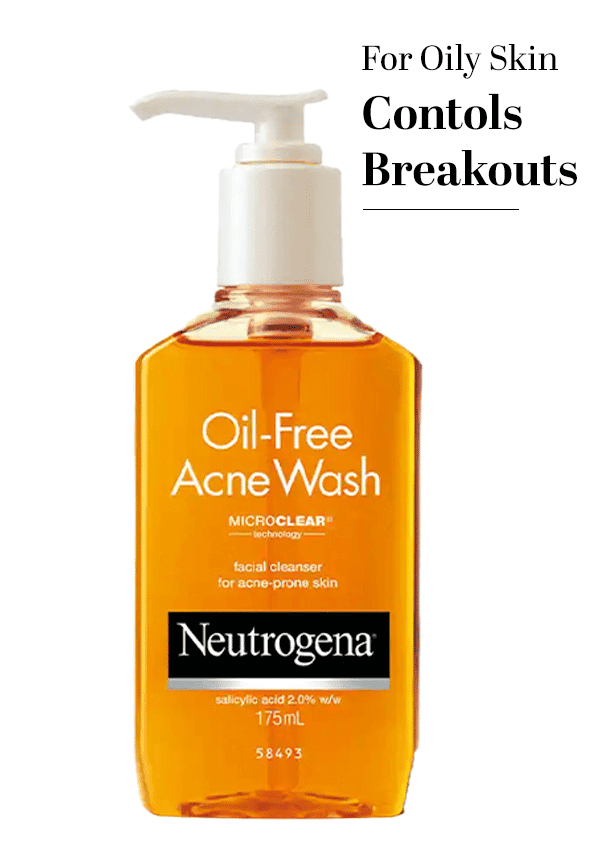
Oil Free Acne Wash For Acne Prone Skin With Salicylic Acid
Reputable Brand for Skin
 5
5“Known brand and known work with skin”
Reputable Brand for Skin
5“Known brand and known work with skin”
Good for Acne Skin
5“best in use for acne skin it helps clean the skin”
If you've been scrolling through skincare TikTok or reading ingredient lists religiously, you've probably encountered the term "2% salicylic acid cleanser" more times than you can count. But what does a 2% salicylic acid cleanser actually do for your skin? Whether you're dealing with stubborn blackheads, hormonal breakouts, or just trying to get that glass-skin glow, understanding this powerhouse ingredient can transform your skincare routine. Research shows: salicylic acid isn't just another trendy ingredient—it's a clinically proven beta hydroxy acid (BHA) that works differently from your typical face wash. From deep pore cleansing to oil control, a 2% concentration offers the sweet spot between effectiveness and gentleness. At Smytten, we've seen countless users discover their perfect salicylic acid cleanser, like the Minimalist 2% Salicylic Acid cleanser or Neutrogena Oil Free Acne Wash, through trial-sized versions, allowing them to test how their skin responds before committing to full-size products. Let's dive into everything you need to know about this skincare game-changer.
TL;DR
A 2% salicylic acid cleanser penetrates deep into pores to dissolve oil, dead skin cells, and debris, making it excellent for acne-prone and oily skin types
The 2% concentration provides effective exfoliation and pore cleansing without being overly harsh for most skin types
Key benefits include reducing blackheads, preventing breakouts, controlling excess oil, and improving overall skin texture
Start slowly (2-3 times per week) and always follow with a moisturiser and SPF to prevent irritation and dryness
Not suitable for everyone—those with very sensitive skin, pregnant women, or people using certain medications should consult a dermatologist first
Salicylic acid belongs to the beta hydroxy acid (BHA) family, and unlike its alpha hydroxy acid (AHA) cousins, it's oil-soluble. This unique property allows it to penetrate through sebum and dive deep into your pores—something water-soluble ingredients simply can't do. Think of it as having a VIP pass to the areas where blackheads and breakouts actually form.
The 2% concentration hits the sweet spot for cleansers. It's strong enough to provide real results, but gentle enough for regular use. Lower concentrations (0.5-1%) might be too mild for stubborn skin concerns, while higher percentages can be unnecessarily harsh in a wash-off product. The magic happens at the cellular level: salicylic acid loosens the bonds between dead skin cells, encouraging them to shed naturally rather than cling to your pores and create congestion.
Unlike glycolic or lactic acid, salicylic acid can cut through oil like a hot knife through butter. This means it reaches the root of the problem—literally. Your pores produce sebum naturally, but when dead skin cells mix with this oil, you get the perfect recipe for blackheads and whiteheads.
Dermatologists often recommend 2% salicylic acid because it provides maximum efficacy with minimal irritation risk. It's the concentration you'll find in most over-the-counter acne treatments, and for good reason—studies suggest significant improvements in acne and skin texture at this percentage.
The benefits of incorporating a 2% salicylic acid cleanser into your routine extend far beyond basic cleansing. From tackling stubborn blackheads to preventing future breakouts, this ingredient works on multiple levels to improve your skin's health and appearance.
Your regular cleanser might remove surface dirt and makeup, but salicylic acid goes deeper. It dissolves the keratin plugs that form in your pores, essentially giving you a deep clean that reaches where manual scrubs can't. This gentle chemical exfoliation happens without the micro-tears that physical scrubs can cause.
By keeping pores clear of debris, salicylic acid prevents the conditions that lead to acne formation. It's particularly effective against comedonal acne—those annoying whiteheads and blackheads that seem to appear overnight. The anti-inflammatory properties also help calm existing breakouts.
If you're constantly blotting your T-zone by midday, a salicylic acid cleanser might be your new best friend. It helps regulate oil production without stripping your skin completely, maintaining that delicate balance between clean and comfortable.
Regular use leads to smoother, more refined skin texture. Those rough patches around your nose or chin? Salicylic acid gently buffs them away over time, revealing the fresh skin underneath. Many users notice their makeup applies more smoothly after incorporating this ingredient.
Getting the most out of your salicylic acid cleanser isn't just about slapping it on your face and hoping for the best. The application technique, frequency, and what you pair it with can make or break your results.
Start with damp skin—never apply salicylic acid cleanser to completely dry skin as this can increase irritation. Use a small amount (about the size of a 50p coin) and gently massage in circular motions for 30-60 seconds. Focus on areas prone to congestion like your T-zone, but don't neglect the rest of your face. Rinse thoroughly with lukewarm water and pat dry with a clean towel.
Start slowly—your skin needs time to adjust to any new active ingredient. Begin with 2-3 times per week, preferably in the evening, and gradually increase frequency as your skin builds tolerance. Some people can eventually use it daily, while others find every other day works best. Listen to your skin; it will tell you what it needs.
After cleansing with salicylic acid, always follow with a hydrating toner or essence, then your regular moisturiser. In the morning, SPF is non-negotiable—salicylic acid can increase photosensitivity. Avoid using it with other strong actives like retinol or vitamin C in the same routine to prevent irritation.
While salicylic acid is generally well-tolerated, it's not a one-size-fits-all solution. Understanding whether it's right for your skin type and concerns can save you from potential irritation and disappointment.
If you have oily or combination skin, struggle with blackheads, or deal with regular breakouts, you're likely an excellent candidate for salicylic acid cleansers. It's also brilliant for those with enlarged pores or rough skin texture. People living in humid climates often find it particularly helpful for managing excess oil and preventing monsoon breakouts.
Sensitive skin doesn't automatically disqualify you from using salicylic acid, but it does mean you need to be more cautious. Start with a lower frequency, consider a 1% concentration first, and always patch test. Look for formulations with soothing ingredients like aloe vera or ceramides to buffer potential irritation.
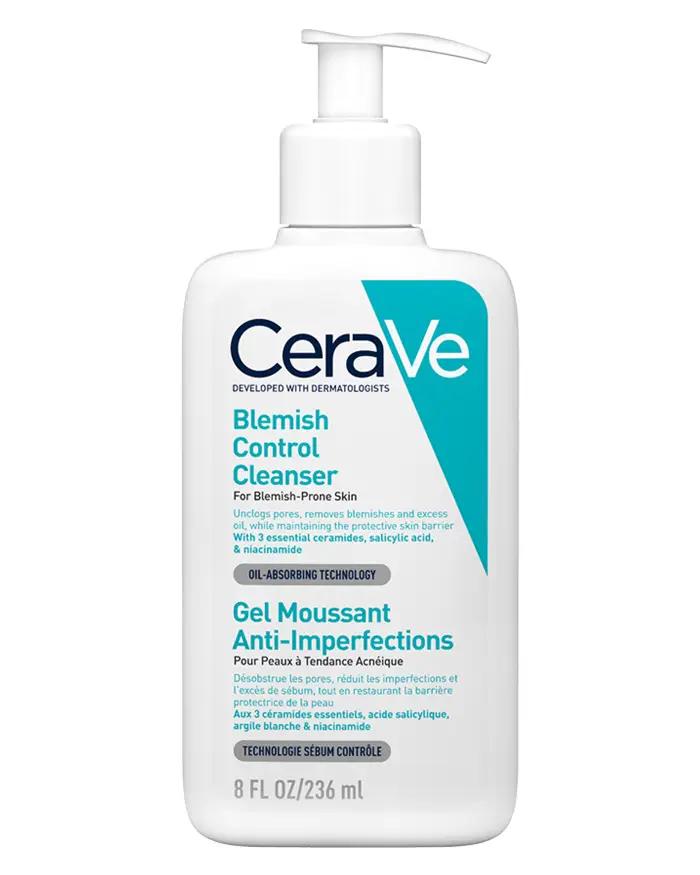
The CeraVe Blemish Control Cleanser offers an excellent example of how 2% salicylic acid can be formulated with skin-barrier supporting ingredients like ceramides and niacinamide, making it suitable even for those with slightly sensitive skin who want effective acne control without compromising their skin barrier.
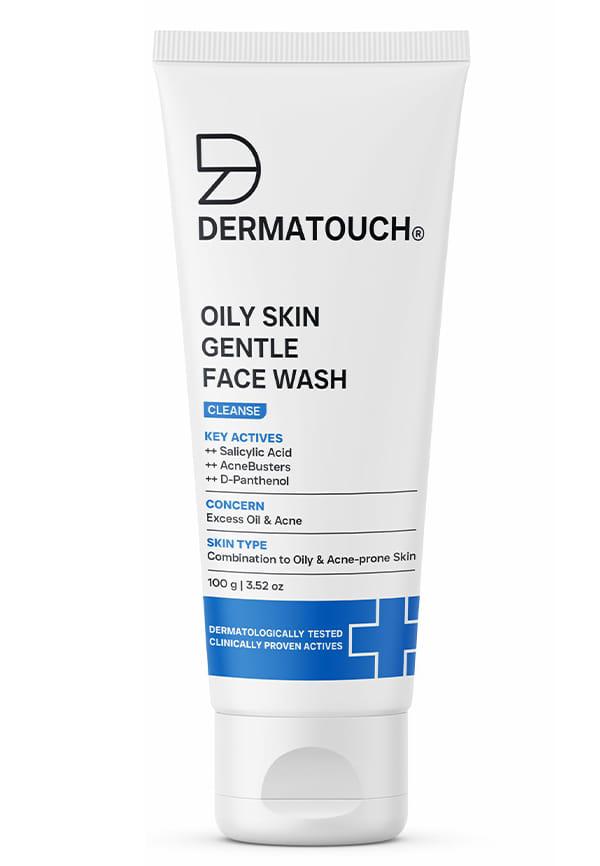
Oily Skin Gentle Face Wash with Salicylic Acid & AcneBusters Daily Cleanser
Pregnancy and breastfeeding are times to consult your healthcare provider about salicylic acid use, as it can be absorbed systemically. If you're using prescription retinoids, have active eczema, or are taking certain medications, consult your dermatologist first. Those with aspirin allergies should also avoid salicylic acid products.
Like any active ingredient, salicylic acid can cause side effects, especially when you're first starting out. The good news is that most of these are temporary and manageable with the right approach.
Initial purging is normal—your skin might break out more for the first 2-4 weeks as it pushes out existing congestion. Dryness, mild irritation, and increased sun sensitivity are also common. Some people experience a slight tingling sensation during the first few uses.
Hydration is key to preventing and managing side effects. Use a gentle, fragrance-free moisturiser after every use, and consider adding a hydrating serum with hyaluronic acid to your routine. Never skip SPF during the day, and if irritation occurs, reduce frequency rather than stopping completely.
If your skin becomes persistently red, starts peeling excessively, or develops a burning sensation, you're likely overdoing it. Scale back to once or twice a week, and if problems persist, discontinue use and consult a dermatologist.
Not all salicylic acid cleansers are created equal. The formulation, additional ingredients, and texture can significantly impact how well the product works for your specific skin needs and concerns.
Complementary ingredients can enhance salicylic acid's benefits while minimising potential irritation. Niacinamide helps control oil and reduce inflammation, ceramides support the skin barrier, and hyaluronic acid provides hydration. The pH should ideally be between 3.5-4.0 for optimal salicylic acid efficacy.
Gel cleansers tend to be more suitable for oily skin, while cream formulations work better for combination or slightly dry skin types. Foaming cleansers can be satisfying but may be more drying. Consider your preferences—do you like that squeaky-clean feeling, or do you prefer your skin to feel soft and comfortable after cleansing?
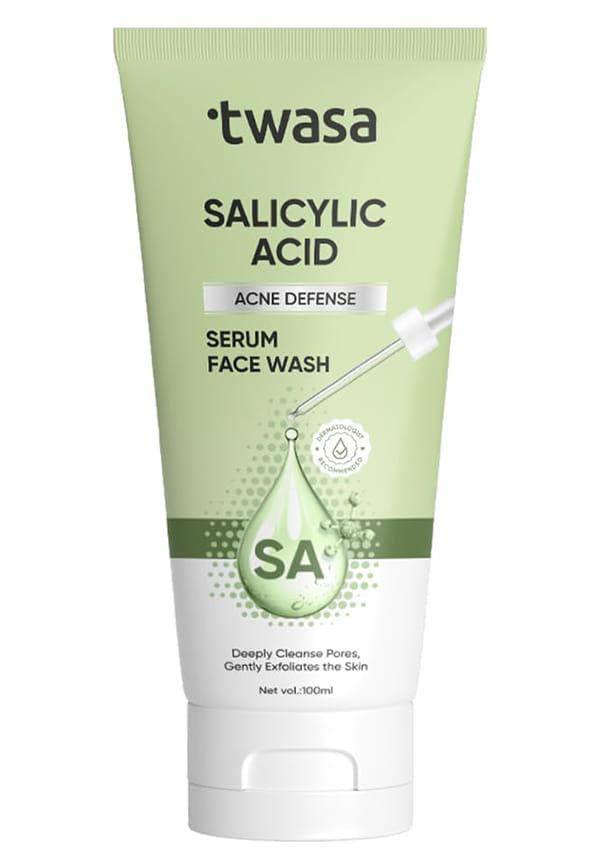
Salicylic Acid Acne Defense Serum Face Wash
Effective salicylic acid cleansers are available across all price points. Drugstore options like those from Neutrogena or CeraVe often contain the same active concentration as premium brands. The difference usually lies in additional ingredients, packaging, and brand positioning rather than efficacy.
While particularly beneficial for oily and acne-prone skin, 2% salicylic acid can work for most skin types when used appropriately. Those with very sensitive or dry skin should start with lower concentrations or less frequent use. It's less suitable for those with conditions like rosacea or active eczema.
You might notice immediate improvements in skin texture and oil control, but significant changes in acne and blackheads typically take 4-6 weeks of consistent use. Some people experience initial purging for 2-4 weeks before seeing clear improvements. Patience and consistency are key to getting the best results.
It's best to avoid mixing salicylic acid with other strong actives like retinol, vitamin C, or AHAs in the same routine to prevent irritation. You can use them on alternating days or at different times (salicylic acid in the evening, vitamin C in the morning). Always introduce one active ingredient at a time.
The 2% concentration is more effective for stubborn blackheads, acne, and oil control, while 1% is gentler and better for sensitive skin or maintenance. If you're new to salicylic acid or have reactive skin, starting with 1% and working up to 2% can help you build tolerance gradually.
People with dry skin can still benefit from salicylic acid, especially if they have clogged pores or occasional breakouts. However, you'll need to be extra diligent about moisturising and may want to use it less frequently. Look for formulations with hydrating ingredients like ceramides or hyaluronic acid. You can also explore trial packs on Smytten to test how your skin responds before committing to a full-size product.
Most people can work up to daily use, but start slowly. Begin with 2-3 times per week and gradually increase frequency as your skin builds tolerance. Some people find every other day works best long-term, while others can handle twice daily use. Pay attention to how your skin responds and adjust accordingly.
A 2% salicylic acid cleanser is a powerful tool for managing oily, acne-prone skin, offering deep pore cleansing, oil control, and gentle exfoliation in one product. The key to success lies in starting slowly, being consistent, and always following up with proper hydration and sun protection. While not suitable for everyone, most people can incorporate this ingredient into their routine with proper precautions and realistic expectations.
Remember that skincare is highly individual—what works brilliantly for your friend might not be perfect for you. Pay attention to how your skin responds, adjust frequency as needed, and don't hesitate to consult a dermatologist if you experience persistent irritation or have specific skin concerns.
Finding the right salicylic acid cleanser for your skin doesn't have to involve expensive trial and error. Smytten is India's largest product discovery and trial platform, connecting consumers with top lifestyle, beauty, wellness, and grooming brands through curated trial packs. With mini-sized products from over 2,400 trusted brands including CeraVe, Neutrogena, Minimalist, and Dot & Key, you can explore different salicylic acid formulations before committing to full-size purchases. Each trial mini is linked with Trial Points—get up to 10 Trial Points for just ₹279, plus enjoy 100% cashback on these minis, redeemable for future orders. This try before you buy approach makes discovering your perfect skincare routine both affordable and rewarding. With over 28 million users and authentic brand-verified minis delivered across 90% pincode coverage, Smytten helps you make smarter, more confident choices. After all, why settle for 'maybe' when you can #TryItAll!
