What Do Doctors Say About Using Retinol Every Day? FAQ

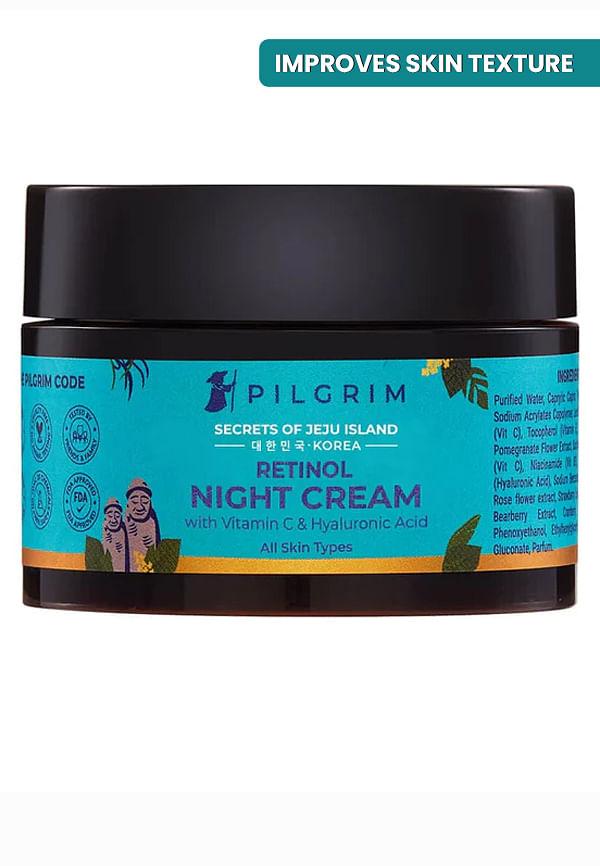
Retinol Anti-Ageing Night Repair Cream With Vitamin C & Hyaluronic Acid
Amazing Product, Worth It
 5
5“Amazing product worth it hai le sakte h ”
Nice Cream, Will Suggest
5“thank uou nice cream .i will suggest to my friends”
Nice Cream, Will Suggest
5“thank uou nice cream .i will suggest to my friends”
If you've ever wondered whether daily retinol use is safe or effective, you're not alone. This powerhouse ingredient has sparked countless debates in skincare circles, with some swearing by nightly application whilst others warn against overuse. The truth is, what doctors say about using retinol every day isn't a simple yes or no answer—it depends on your skin type, tolerance level, and the specific formulation you're using. Medical professionals have varying opinions based on clinical experience and research, but there's growing consensus around certain guidelines that can help you navigate this decision safely. Understanding these expert perspectives can help you make an informed choice about incorporating retinol into your daily routine, whether you're dealing with acne, fine lines, or simply want to maintain healthy skin. Let's explore what dermatologists and medical professionals actually recommend when it comes to daily retinol use, and discover how platforms like Smytten can help you trial different retinol formulations before committing to full-size products.
Most doctors recommend starting retinol 2-3 times per week and gradually building tolerance before considering daily use
Daily retinol can be beneficial for acne and anti-ageing when your skin has adapted, but requires proper application and monitoring
Sensitive skin types should approach daily retinol with extra caution and may benefit from lower concentrations or alternative formulations
Medical professionals emphasise the importance of SPF protection and proper moisturising when using retinol regularly
Individual skin response varies significantly, making professional guidance valuable for determining optimal frequency
The scientific literature provides compelling evidence for retinol's effectiveness, but also highlights important safety considerations that inform medical recommendations about daily use.
Research indicates that retinol for acne daily can reduce comedone formation by up to 40% within 12 weeks. The mechanism involves normalising skin cell turnover, preventing pore blockages that lead to breakouts. For anti-ageing, studies suggest that daily retinol use can increase collagen production by 10-15% over six months, leading to measurable improvements in fine lines and skin texture.
Dermatologists particularly value retinol's dual action on both acne and ageing concerns. Unlike many skincare ingredients that target single issues, retinol addresses multiple skin concerns simultaneously, making it a cornerstone of many medical skincare protocols.
Medical professionals are equally clear about potential risks. Retinol safety daily depends largely on proper application and realistic expectations. Common side effects include initial purging (temporary increase in breakouts), photosensitivity, and barrier disruption. More serious concerns include chronic inflammation if overused, which can actually accelerate ageing rather than prevent it.
Doctors emphasise that these side effects are generally temporary and manageable with proper protocols. However, they stress that persistent irritation isn't something to "push through"—it's a sign to adjust your approach.
When it comes to dermatologist retinol advice, the medical community generally agrees on a cautious approach to daily application. Most skin specialists recommend what's known as the "tolerance-building protocol" rather than jumping straight into nightly use. This approach recognises that retinol, whilst highly effective, can cause significant irritation if introduced too aggressively.
Research shows that retinol daily use benefits are most pronounced when the skin has had time to adapt to the ingredient. Studies reveal that consistent, gradual introduction leads to better long-term outcomes with fewer side effects. The key finding is that skin cells need approximately 4-6 weeks to adjust to retinol's cellular turnover acceleration.
What's particularly interesting is the difference between prescription and over-the-counter retinol recommendations. Dermatologists are more likely to approve daily use of prescription retinoids (like tretinoin) under medical supervision, whilst they tend to be more conservative with over-the-counter retinol products. This distinction matters because prescription formulations are standardised and monitored, whereas cosmetic retinol concentrations can vary significantly between brands.
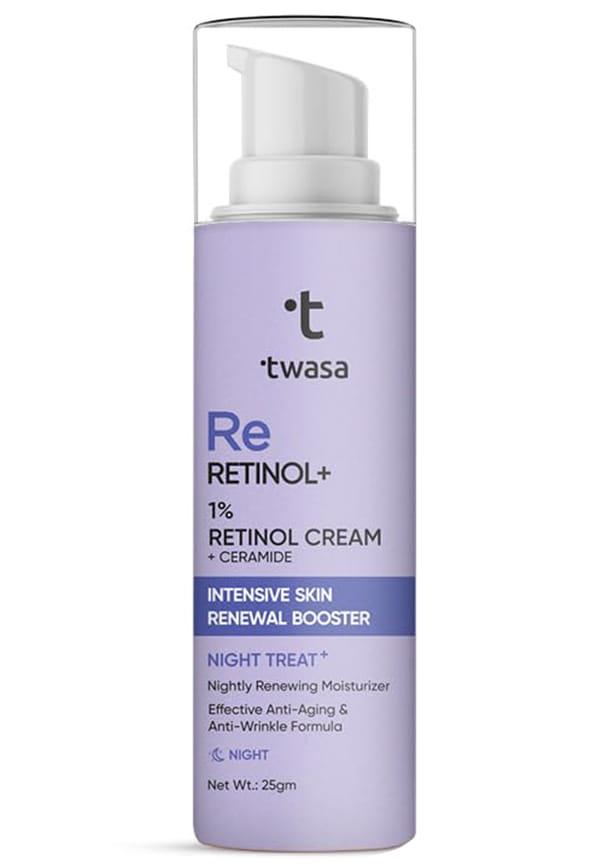
1% Retinol Anti-ageing Night Cream with Ceramide
The medical approach to retinol application frequency follows a structured protocol that prioritises skin health over rapid results. Dermatologists consistently emphasise that rushing the process often leads to setbacks that can take weeks to resolve.
Many dermatologists recommend the "123 rule" for retinol introduction: use retinol once in the first week, twice in the second week, and three times in the third week. This gradual increase allows your skin to build tolerance systematically. The rule acknowledges that retinol side effects daily use can cause—such as redness, peeling, and sensitivity—are dose and frequency dependent.
Medical professionals typically suggest beginning with the lowest available concentration (0.25% or 0.3%) and applying it every third night for the first two weeks. They monitor for signs of irritation including persistent redness, excessive dryness, or burning sensations. If these symptoms occur, doctors advise reducing frequency or temporarily discontinuing use.
Dermatologists have different guidelines depending on age and skin concerns. For those wondering "can you start retinol at age 22," most doctors say yes, but with preventative rather than corrective goals. Young adults typically use lower concentrations less frequently. Conversely, patients asking "is 40 too late to start retinol" receive reassurance that retinol for anti-ageing daily can be highly effective at any age, though mature skin may require more gradual introduction due to decreased barrier function.
Sensitive skin presents unique challenges that require modified medical protocols. Dermatologists approach retinol for sensitive skin daily with extra caution, often recommending alternative formulations or delivery methods.
Medical protocols for reactive skin types typically involve encapsulated retinol or time-release formulations that provide gentler delivery. Some dermatologists recommend starting with retinyl palmitate (a gentler retinol derivative) before progressing to pure retinol. The key is maintaining the benefits whilst minimising irritation.
For patients with conditions like rosacea or eczema, dermatologist retinol advice often includes concurrent use of barrier-supporting ingredients like ceramides or niacinamide. This combination approach helps maintain skin health whilst introducing retinol gradually.
From a medical standpoint, daily retinol application creates predictable physiological changes that doctors monitor carefully. Understanding these changes helps explain why medical supervision can be valuable.
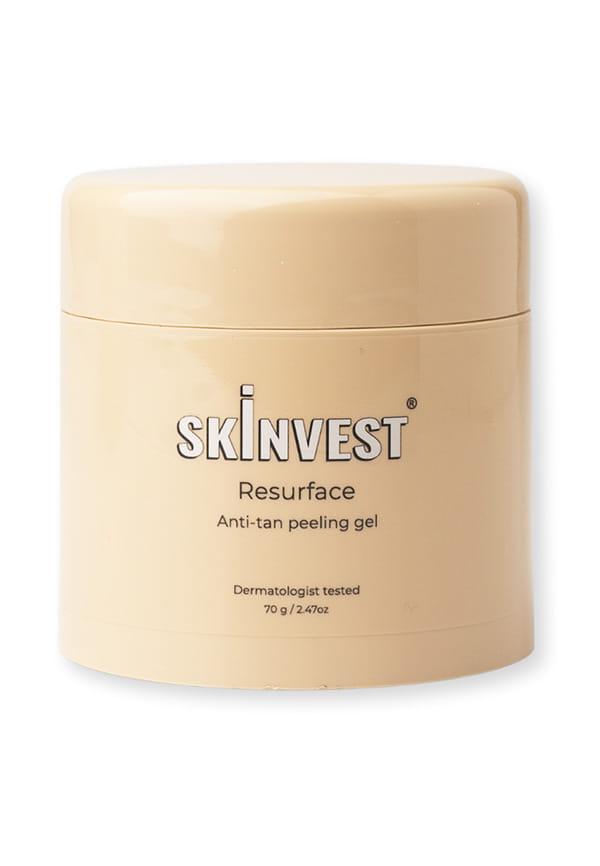
Resurface Anti-Tan Peeling Gel with 1% Lactic Acid & Soothing Botanicals
In the short term (first 2-4 weeks), doctors observe increased cellular turnover, which manifests as mild peeling or flaking. This is normal and expected. The skin's barrier function may temporarily decrease, making moisturising and sun protection crucial. Some patients experience the "retinol uglies"—a period where skin looks worse before improving.
Long-term daily use (3-6 months) typically shows the benefits doctors aim for: improved skin texture, reduced fine lines, and better overall skin quality. However, medical professionals stress that these benefits plateau, and more isn't always better. Some patients develop tolerance where benefits diminish, requiring periodic breaks or formulation changes.
Medical professionals have developed specific protocols for safe daily retinol use that maximise benefits whilst minimising risks. These guidelines are based on clinical experience and research outcomes.
Proper application technique involves applying retinol to completely clean, dry skin. Doctors recommend waiting 20-30 minutes after cleansing to ensure skin pH has normalised. The amount should be minimal—a pea-sized amount for the entire face. Many dermatologists suggest avoiding the eye area initially, as this skin is thinner and more prone to irritation.
Timing recommendations are crucial. Medical professionals universally recommend evening application, as retinol increases photosensitivity. Morning SPF becomes non-negotiable with daily retinol use. Doctors often recommend SPF 30 or higher, applied generously and reapplied throughout the day.
Product layering advice from dermatologists typically involves applying retinol first (after cleansing), followed by moisturiser. Some doctors recommend the "sandwich method" for sensitive skin: moisturiser, then retinol, then more moisturiser. This technique reduces irritation whilst maintaining efficacy.
Product | Skin Type | Key Concern | Price Range | Key Ingredients |
|---|---|---|---|---|
Dot & Key Night Reset Retinol + Ceramide Cream | Mature, Dull | Anti-ageing, Barrier Support | Premium | Retinol, Ceramides, Hibiscus Extract |
Minimalist Retinol Face Serum | All Types | Fine Lines, Acne | Mid-range | Granactive Retinoid, Squalane |
Dot & Key Retinol Body Serum | All Types | Body Acne, Texture | Mid-range | Retinol, Hyaluronic Acid |
Minimalist Maleic Bond Repair Complex 001 | All Types | Damage Repair | Mid-range | Maleic Acid, Ceramides |
WishCare Vitamin C Serum | All Types | Brightening, Antioxidant | Mid-range | Vitamin C, Ferulic Acid |
Applying retinol daily without building tolerance can lead to severe irritation, including redness, peeling, and burning. Doctors recommend starting slowly to avoid these side effects and potential long-term barrier damage.
The 123 rule involves using retinol once in the first week, twice in the second week, and three times in the third week. This gradual increase helps your skin adapt whilst minimising irritation.
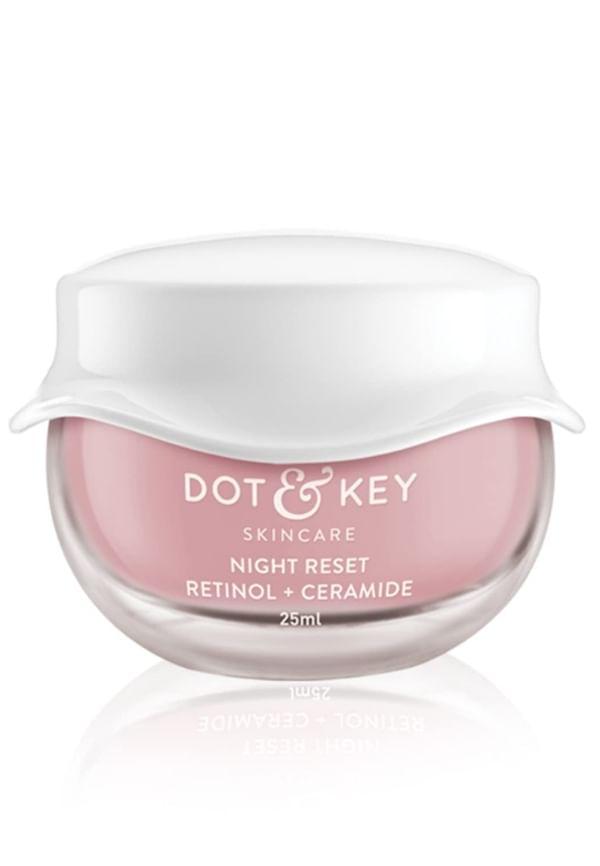
Night Reset Retinol + Ceramide Cream
Good as night cream, cute packaging
5“best as a night cream...also cute packeging 💗💕”
Good as night cream, cute packaging
5“best as a night cream...also cute packeging 💗💕”
Good as night cream, cute packaging
5“best as a night cream...also cute packeging 💗💕”
Absolutely not. Dermatologists confirm that retinol benefits can be seen at any age. Mature skin may require more gradual introduction, but the anti-ageing benefits are well-documented even when starting later in life.
Yes, many dermatologists support preventative retinol use in your twenties. Starting with lower concentrations (0.25%) can help prevent early signs of ageing whilst maintaining skin health.
Your skin is typically ready for daily use when you can use retinol 3-4 times per week without irritation. Signs include no redness, peeling, or sensitivity the morning after application.
Reduce frequency immediately and focus on barrier repair with gentle moisturisers. If irritation persists after reducing use, consult a dermatologist. Platforms like Smytten allow you to trial gentler formulations before committing to full sizes.
The medical consensus on daily retinol use emphasises gradual introduction and individual tolerance assessment. Most dermatologists recommend building up to daily use rather than starting with nightly application. The benefits of consistent retinol use—improved acne, reduced fine lines, and better skin texture—are well-documented, but they require patience and proper technique.
Key factors for successful daily retinol use include starting with appropriate concentrations, maintaining consistent SPF protection, and listening to your skin's response. Age isn't a barrier to starting retinol, whether you're 22 or 42, but the approach may differ based on your skin's current condition and sensitivity level.
Remember that retinol tolerance is highly individual. What works for one person may not work for another, which is why medical professionals often recommend personalised approaches rather than one-size-fits-all protocols.
Navigating the world of retinol can feel overwhelming, especially when trying to balance medical advice with practical application. The key is finding formulations that work for your unique skin needs whilst building tolerance safely. Smytten offers a valuable way to discover products, connecting consumers with top lifestyle, beauty, wellness, and grooming brands. At its core, Smytten offers curated trial packs - mini-sized products from over 2,400 trusted brands. This approach is particularly valuable for retinol products, where finding the right formulation and concentration can make the difference between success and irritation. Each mini is linked with Trial Points, and users can get up to 10 Trial Points for just ₹279. Plus, Smytten offers 100% cashback on the purchase of these minis, redeemable in the shop section for future orders, making product discovery both affordable and rewarding. Whether you're exploring gentle retinol alternatives or looking for advanced anti-ageing formulations, the ability to try before you buy ensures you can follow medical recommendations safely whilst discovering what works best for your skin. After all, why settle for 'maybe' when you can #TryItAll!
