What Dermatologists Recommend in Vitamin C Serum: FAQ


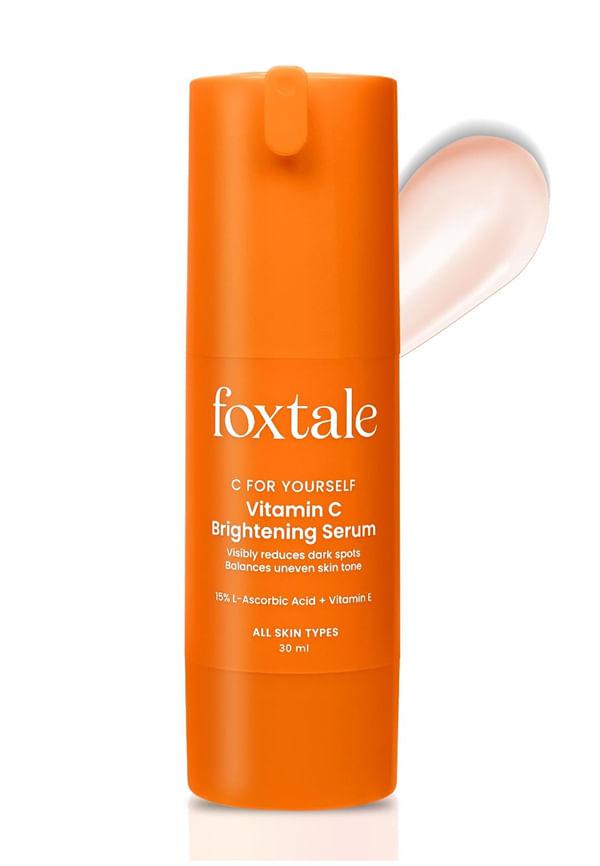
15% Vitamin C Face Serum for Glowing Skin, Pure L-Ascorbic Acid and Vitamin E
You've probably scrolled past countless vitamin C serums, each promising brighter, more radiant skin. But with so many options flooding the market, how do you know which ones actually deliver on their claims? The answer lies in understanding what dermatologists—the skin experts who've spent years studying ingredient science—actually recommend when it comes to vitamin C serum formulations. Real talk: not all vitamin C serums are created equal, and knowing the difference could save your skin from irritation while maximising those glow-boosting benefits you're after.
When dermatologists consistently recommend an ingredient across decades of research, you know it's worth paying attention to. Vitamin C has earned its place as a skincare staple because of its scientifically proven ability to support collagen synthesis—the process that keeps your skin firm and bouncy. As we age, our natural collagen production slows down, leading to fine lines and that slightly deflated look many of us notice in our late twenties. But the benefits of vitamin C for skin extend far beyond anti-ageing. This powerhouse antioxidant works as your skin's daily bodyguard, neutralising free radicals from pollution, UV exposure, and everyday environmental stress. Think of it as an invisible shield that helps prevent the damage that leads to dull, uneven skin tone over time. Dermatologists particularly value vitamin C's photoprotective properties. Whilst it's never a substitute for proper SPF, vitamin C can help minimise the oxidative stress that occurs when your skin is exposed to UV light. This dual action—preventing damage whilst repairing existing concerns—is why you'll find vitamin C recommended in virtually every professional skincare protocol. The clinical evidence supporting topical vitamin C use is robust. Studies consistently show improvements in skin brightness, reduction in hyperpigmentation, and enhanced overall skin texture with regular use. What sets professional recommendations apart from marketing claims is this foundation of peer-reviewed research backing every suggestion.
Not all vitamin C is created equal, and dermatologists know exactly which forms deliver results versus which ones might irritate your skin or lose potency before you even open the bottle. Understanding these distinctions can help you make informed choices about what goes on your face.
L-Ascorbic Acid remains the gold standard in dermatologist-recommended vitamin C formulations. It's the most researched form with the strongest clinical backing for skin benefits. However, it's also the most unstable and potentially irritating, which is why proper formulation matters enormously. For those with sensitive skin or concerns about irritation, dermatologists often recommend Magnesium Ascorbyl Phosphate. This stable derivative converts to vitamin C once absorbed by the skin, offering gentler delivery without compromising efficacy. It's particularly suitable for those just starting their vitamin C journey. Sodium Ascorbyl Phosphate is another dermatologist-approved alternative that offers excellent stability whilst maintaining effectiveness. It's water-soluble and less likely to cause the stinging sensation some people experience with L-Ascorbic Acid.
Smart dermatologists know that vitamin C works best when paired with complementary ingredients. Vitamin E and ferulic acid form what's known as the "antioxidant trio" with vitamin C, enhancing stability and boosting overall antioxidant power. Hyaluronic acid frequently appears in dermatologist-recommended formulations because it provides the hydration needed to counteract any potential drying effects of vitamin C. This combination ensures your skin stays plump and comfortable whilst receiving all the brightening benefits. The relationship between niacinamide and vitamin C has been a topic of professional debate, but current dermatological consensus suggests they can be used together when formulated properly or applied at different times of day.
Concentration matters enormously when it comes to vitamin C efficacy, but more isn't always better. Dermatologists take a measured approach to recommending concentrations based on individual skin tolerance and experience level.
For beginners, dermatologists typically recommend starting with 10-15% L-Ascorbic Acid or equivalent concentrations of stable derivatives. This allows your skin to build tolerance whilst still providing noticeable benefits. Many people see significant improvements at these concentrations without the irritation that can come with higher percentages. Advanced users who've built up tolerance may benefit from 15-20% concentrations, but dermatologists stress that this should be a gradual progression. Jumping straight to high concentrations often leads to irritation that can set back your skincare progress. For sensitive skin, dermatologists often recommend 5-10% concentrations of stable vitamin C derivatives like Magnesium Ascorbyl Phosphate. These gentler forms provide benefits without the potential for irritation that comes with higher concentrations of L-Ascorbic Acid.
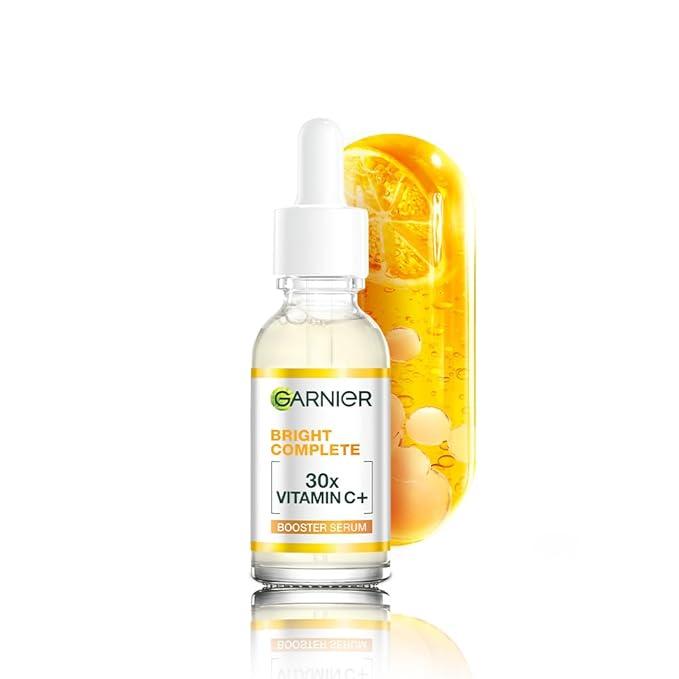
The pH level of vitamin C serums is crucial for both efficacy and tolerance. Dermatologists look for L-Ascorbic Acid formulations with a pH between 3.5-4.0—acidic enough for optimal absorption but not so low as to cause excessive irritation. Packaging considerations are equally important in professional recommendations. Vitamin C degrades when exposed to light and air, so dermatologists favour products in dark, airtight containers. If you've ever noticed your vitamin C serum turning brown or orange, that's oxidation in action—and oxidised vitamin C won't deliver the benefits you're seeking. The **Garnier Vitamin C Face Serum for Skin Brightening & Anti-Dark Spots** exemplifies many dermatologist-recommended formulation principles, combining stable vitamin C with complementary ingredients in packaging designed to preserve potency. This type of thoughtful formulation approach ensures you're getting active vitamin C that can actually benefit your skin rather than degraded compounds that might cause irritation.
Proper application technique can make the difference between seeing results and experiencing irritation. Dermatologists have specific protocols they recommend to maximise benefits whilst minimising potential side effects.
The morning versus evening application debate has largely been settled among dermatologists: morning application is generally preferred. Vitamin C's antioxidant properties provide protective benefits throughout the day, making it an ideal morning active. However, some dermatologists recommend evening use for those with very sensitive skin or when using higher concentrations. Layering sequence matters enormously. Dermatologists recommend applying vitamin C serum to clean, dry skin before heavier products like moisturisers or oils. The general rule is thinnest to thickest consistency, allowing each product to absorb properly. Patch testing isn't optional—it's a dermatologist-mandated step before incorporating any new vitamin C serum. Apply a small amount to your inner forearm and wait 24-48 hours to check for any adverse reactions.
One of the biggest mistakes dermatologists see is mixing vitamin C with incompatible ingredients. Retinol and vitamin C can be used in the same routine but typically not at the same time—many professionals recommend vitamin C in the morning and retinol at night. Over-application is another common error. More product doesn't equal better results, and using too much vitamin C can lead to irritation without additional benefits. A few drops of serum are typically sufficient for the entire face. Storage errors can render even the best vitamin C serum ineffective. Dermatologists stress keeping vitamin C products in cool, dark places—some even recommend refrigeration for certain formulations.
Personalised recommendations are where dermatology expertise really shines. What works beautifully for oily skin might be too harsh for sensitive types, and understanding these nuances helps ensure positive results.
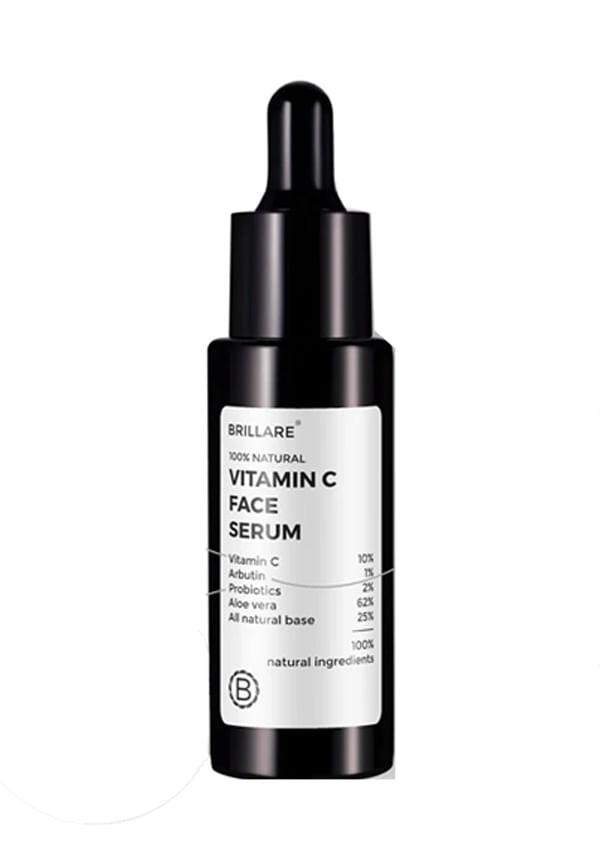
10% Vitamin C Face Serum For Bright, Glowing Skin
For sensitive skin, dermatologists often recommend starting with Magnesium Ascorbyl Phosphate at concentrations around 5-10%. This gentle form provides vitamin C benefits without the potential irritation of L-Ascorbic Acid. Dermatologists advise sensitive skin types to introduce vitamin C very gradually—perhaps every third day initially, building up to daily use only if well-tolerated. Signs to discontinue use include persistent redness, burning, or increased sensitivity.
Oily skin types often tolerate higher concentrations of vitamin C well, and dermatologists may recommend L-Ascorbic Acid formulations for these individuals. The key is choosing lightweight, non-comedogenic formulations that won't clog pores. Dermatologists note that vitamin C can be particularly beneficial for acne-prone skin due to its anti-inflammatory properties and ability to help fade post-inflammatory hyperpigmentation—those dark marks that linger after breakouts heal.
Mature skin often has a higher tolerance for active ingredients, allowing dermatologists to recommend stronger vitamin C concentrations. The focus here is often on formulations that combine vitamin C with hydrating ingredients to address both ageing concerns and moisture needs. Dermatologists frequently recommend vitamin C serums with added peptides or hyaluronic acid for mature skin, creating a comprehensive approach to age-related skin changes.
Navigating the vitamin C serum market requires understanding what separates professional-grade formulations from marketing-heavy products that might not deliver results.
Dermatologists look for brands that provide ingredient transparency, including the exact form and concentration of vitamin C used. Vague terms like "vitamin C complex" without specific details are red flags in professional assessment. Third-party testing and clinical study backing carry significant weight in dermatological recommendations. Products that have undergone independent testing for stability and efficacy are more likely to deliver promised results. Dermatologist testing claims should be verifiable. Legitimate professional endorsements come with specific details about the testing process and results, not just generic "dermatologist recommended" statements.
Unstable formulations are a major concern. If a vitamin C serum has already changed colour in the bottle or lacks proper packaging to prevent oxidation, dermatologists would advise avoiding it regardless of other claims. Excessive fragrance or unnecessary irritants have no place in effective vitamin C formulations. Dermatologists prefer products that focus on active ingredients rather than sensory additives that might compromise skin tolerance. Unrealistic concentration claims—such as products claiming 30%+ vitamin C—often indicate formulations that prioritise marketing over skin safety and efficacy.
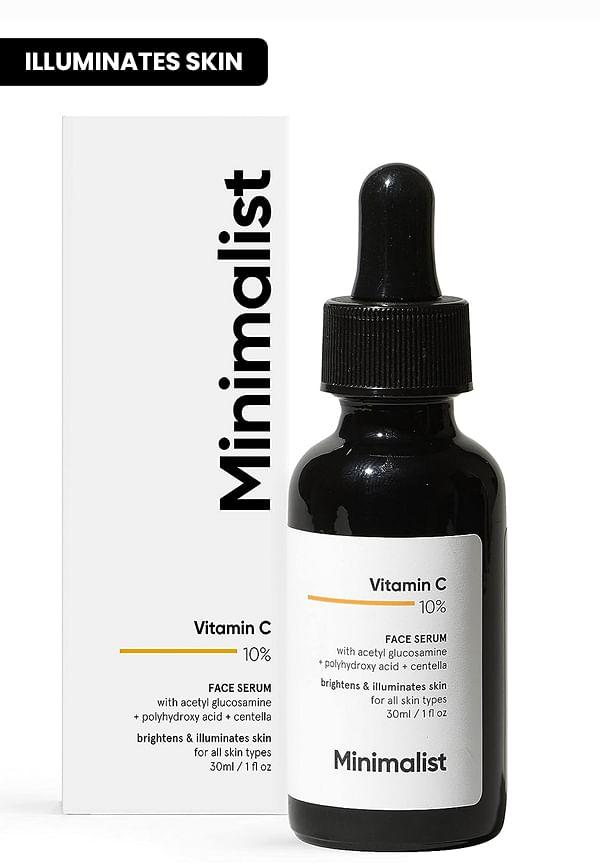
10% Vitamin C Face Serum For Skin Brightening & Reduce Sun Damage
Dermatologists don't typically endorse single "best" products because skin needs vary enormously between individuals. However, they consistently recommend serums with stable vitamin C forms (L-Ascorbic Acid or stable derivatives), appropriate concentrations (10-20% for most people), and complementary ingredients like vitamin E or ferulic acid. The best vitamin C serum for you depends on your skin type, tolerance level, and specific concerns. Professional consultation can help determine which formulation characteristics would work best for your individual needs.
Vitamin C can be combined with many other actives, but timing and formulation matter. Dermatologists generally recommend using vitamin C in the morning and retinol at night to avoid potential interactions. Niacinamide and vitamin C can be used together when properly formulated or applied at different times. However, combining vitamin C with AHAs or BHAs requires careful consideration of pH levels and skin tolerance. When in doubt, dermatologists recommend introducing one active at a time and consulting a professional for complex routine planning.
Dermatologists typically tell patients to expect initial brightening effects within 2-4 weeks of consistent use, with more significant improvements in skin texture and tone becoming apparent after 6-8 weeks. However, individual results vary based on skin type, concentration used, and specific concerns being addressed. Factors like consistent application, proper storage, and overall skincare routine can affect how quickly results appear. If you haven't noticed any improvements after 8-10 weeks of proper use, it may be worth consulting a dermatologist to reassess your approach.
Price doesn't always correlate with efficacy in vitamin C serums. Dermatologists focus on formulation quality, stability, and appropriate concentrations rather than cost. Some affordable options contain the same active ingredients as premium versions, whilst some expensive products may include unnecessary additives that don't improve results. Key factors dermatologists consider include the form of vitamin C used, concentration, packaging that prevents oxidation, and inclusion of synergistic ingredients. Professional assessment focuses on these scientific factors rather than price point when determining product quality.
Common side effects include mild stinging upon application, temporary redness, or slight dryness, particularly when starting use or using higher concentrations. These effects often diminish as skin builds tolerance. More concerning signs include persistent burning, severe redness, or allergic reactions like swelling or rash. Dermatologists recommend discontinuing use if irritation persists beyond the initial adjustment period or if any severe reactions occur. Professional consultation is advised if you experience ongoing sensitivity or if you're unsure whether your skin's response is normal adaptation or problematic reaction.
Understanding what dermatologists recommend in vitamin C serum formulations empowers you to make informed choices about your skincare routine. The key takeaways from professional recommendations centre on choosing stable forms of vitamin C, appropriate concentrations for your skin type, and formulations that prioritise efficacy over marketing appeal. Remember that the best vitamin C serum is one that your skin tolerates well whilst delivering visible results over time. Professional guidance can be invaluable, especially if you have specific skin concerns or sensitivities that require careful product selection. Smytten's curated selection includes vitamin C serums from trusted brands that align with dermatological principles, offering you access to professional-quality formulations with the confidence that comes from expert curation. With over 28 million users discovering their perfect skincare matches, the platform makes it easier to find products that meet both professional standards and your individual needs. If you're curious about trying different vitamin C formulations to find your ideal match, Smytten also offers minis from many of these brands, letting you test formulations before committing to full-size products—a smart approach that dermatologists would certainly approve of.
