What Defines Clear Skin? Your FAQ on Achieving a Clear Complexion

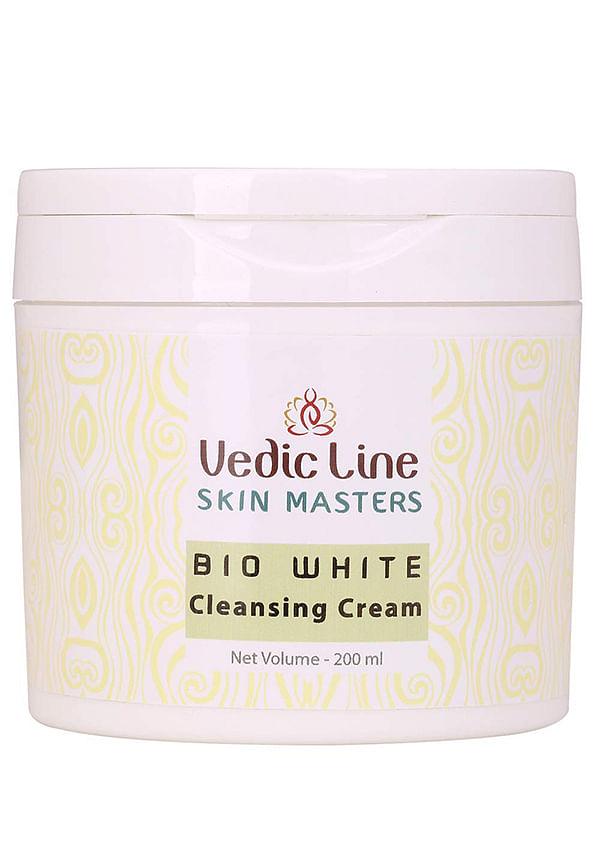
Skin Masters Bio White Cleansing Cream Reduce Suntan, Blemishes & Pigmentation
You've probably scrolled through countless skincare posts wondering what clear skin actually looks like. Is it the poreless, filter-perfect complexion you see online? Or something more realistic that you can actually achieve? The truth is, what defines clear skin goes far beyond Instagram standards. Real clear skin is about balance, health, and feeling comfortable in your own face. Let's break down what skin clarity actually means and how you can work towards it without chasing impossible perfection.
Clear skin isn't about having zero pores or never experiencing a single spot. It's about achieving a balanced, healthy complexion that functions well and feels comfortable. Dermatologists define clear skin through four key characteristics that focus on overall skin health rather than perfection.
Minimal breakouts mean your skin isn't constantly battling active pimples, blackheads, or whiteheads. You might get the occasional spot during hormonal changes or stressful periods, but your skin generally stays calm. Smooth texture refers to skin that feels comfortable to touch, without chronic flaking, rough patches, or excessive oiliness that leaves you reaching for blotting papers every hour.
Balanced tone doesn't mean completely uniform colour, but rather minimal dark spots, post-inflammatory hyperpigmentation, or severe discolouration that makes you feel self-conscious. Your skin might have natural variations in tone, and that's perfectly normal. A healthy skin barrier means your skin can handle environmental changes, weather shifts, and new products without immediately reacting with irritation or breakouts.
Visual indicators include pores that don't appear enlarged or constantly clogged, and a surface that looks smooth rather than bumpy or congested. When you touch your face, clear skin feels soft and even, without rough patches or areas that feel particularly oily or dry. Most importantly, clear skin means you feel confident going makeup-free when you want to.
What clear skin doesn't mean is having invisible pores, never experiencing any spots, or looking exactly like filtered photos. Everyone's skin has natural texture, and expecting complete perfection can actually harm your skin clarity journey by leading to over-treatment and irritation.
Your skin type plays a huge role in what clear skin looks like for you. If you have naturally oily skin, clear skin might mean controlled shine rather than a completely matte finish. For dry skin types, clarity means smooth, hydrated skin without flakiness, even if you need regular moisturising to maintain it.
Genetic factors influence everything from pore size to how quickly your skin heals from breakouts. Age also changes what clear skin means - teenage clear skin looks different from clear skin in your thirties, and both are perfectly valid. The key is working with your skin's natural characteristics rather than against them.
Understanding why your skin isn't as clear as you'd like helps you address the root causes rather than just treating symptoms. Unclear skin rarely has just one cause - it's usually a combination of internal and external factors working together.
Hormonal fluctuations are probably the biggest internal factor affecting skin clarity. Your monthly cycle, stress hormones, and life changes like starting university or a new job can all trigger breakouts. These hormonal shifts increase oil production and can make your skin more sensitive to bacteria.
Your genetic makeup influences how your skin behaves, from how much oil you produce to how quickly you heal from spots. Some people are simply more prone to certain skin concerns, and that's not a reflection of your skincare routine. Stress doesn't just cause breakouts directly - it also disrupts sleep, affects your food choices, and can make you touch your face more often.
The connection between diet and skin is complex and individual. Some people notice their skin reacts to dairy or high-sugar foods, while others see no correlation. What matters is paying attention to your own patterns rather than following restrictive diets that promise clear skin overnight.
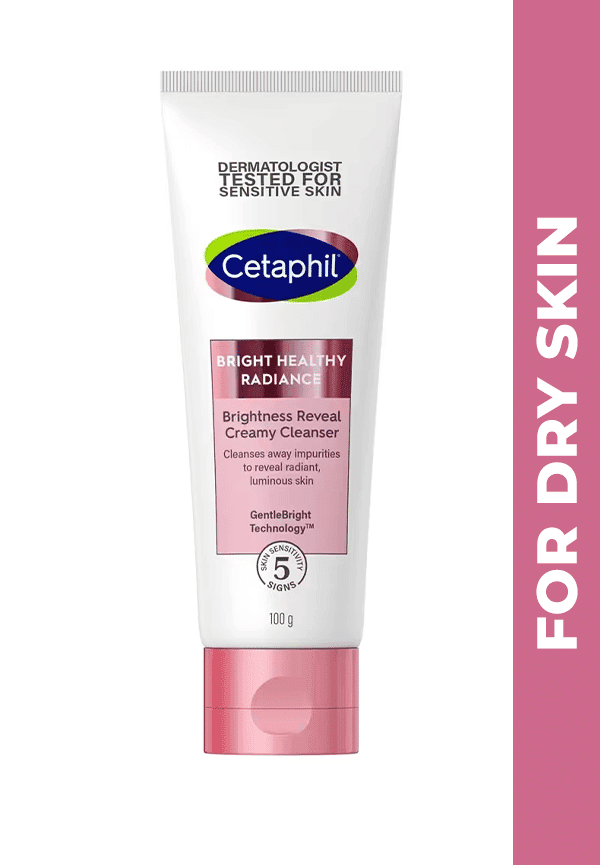
Bright Healthy Radiance Reveal Creamy Cleanser
Cetaphil does its job
 5
5“it's Cetaphil!! like always it does its job...”
Cetaphil does its job
5“it's Cetaphil!! like always it does its job...”
Good Product, Love It
5“it's a good cleanser i really love the product”
Environmental pollutants, especially in busy cities, can clog pores and cause inflammation. Your skin works hard to protect you from these daily exposures, but sometimes it needs extra support through proper cleansing and antioxidant protection.
Using the wrong products for your skin type or using too many products at once can disrupt your skin's natural balance. Comedogenic ingredients in makeup or skincare can clog pores, while harsh products can strip your skin and trigger more oil production. Even seemingly innocent habits like not changing your pillowcase regularly or holding your phone against your face can contribute to breakouts.
Poor sleep quality affects your skin's ability to repair itself overnight. When you're sleep-deprived, your skin produces more stress hormones and has less time to regenerate properly. Dehydration makes your skin look dull and can actually trigger more oil production as your skin tries to compensate.
Regular exercise improves circulation and helps manage stress, both of which benefit skin clarity. However, not cleansing properly after workouts or wearing tight, sweaty clothes for too long can lead to body breakouts and congestion.
Building a clear skin routine isn't about using the most expensive products or following complex multi-step regimens. It's about consistency, using the right ingredients for your skin type, and being patient with the process.
Your morning routine should focus on protection and preparation for the day ahead. Start with a gentle cleanser that removes overnight buildup without stripping your skin. Follow with a lightweight moisturiser that suits your skin type, and always finish with SPF - sun protection is crucial for maintaining clear skin and preventing dark spots.
Your evening routine is when the real work happens. Double cleansing ensures you remove makeup, sunscreen, and daily pollutants completely. This is also when you can use targeted treatments like salicylic acid for blackheads or niacinamide for oil control. Weekly additions might include gentle exfoliation or hydrating masks, but don't overdo it - your skin needs time to respond to treatments.
Salicylic acid is excellent for keeping pores clear because it can penetrate oil and dissolve the buildup that leads to blackheads and whiteheads. Start with a low concentration and use it every other day to avoid irritation. Benzoyl peroxide targets the bacteria that cause inflammatory acne, making it particularly helpful for red, painful spots.
Retinoids are the gold standard for overall skin clarity because they speed up cell turnover and prevent pores from getting clogged in the first place. They also help with post-acne marks and skin texture. Niacinamide is gentler but still effective for controlling oil production and reducing the appearance of enlarged pores.
When introducing new ingredients, start slowly and introduce one at a time. Your skin needs time to adjust, and using too many active ingredients at once can cause irritation that actually makes your skin less clear.
While professional treatments and proven ingredients are most effective, some natural approaches can support your clear skin journey. Gentle honey masks can provide antibacterial benefits, and green tea compresses may help calm inflammation. However, be cautious with DIY treatments - natural doesn't always mean safe or effective.
The most important natural methods are actually lifestyle-based: getting enough sleep, managing stress through exercise or meditation, and maintaining good hygiene habits. These foundational practices support whatever skincare routine you choose to follow.
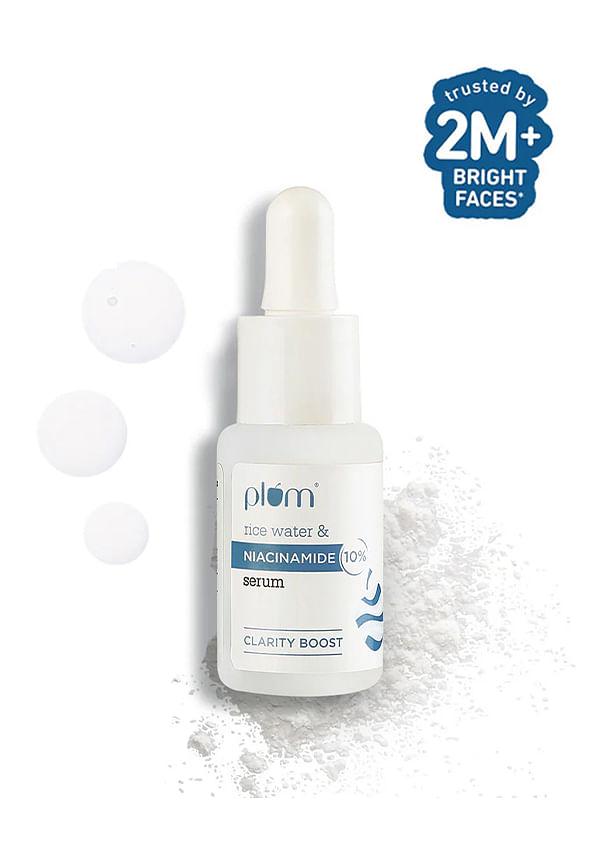
10% Niacinamide Face Serum For Clear Skin | Fades Blemishes| With Rice Water
Instant Skin Brightening
4“this serum instantly brightens my skin when I apply”
Instant Skin Brightening
4“this serum instantly brightens my skin when I apply”
Best Serum for Glow and Clear Skin
5“the bestest serum I ever had loving it ❤️😍 it gives you glow and clear your skin 😁”
While diet alone won't give you clear skin, what you eat can certainly influence how your skin looks and feels. The relationship between food and skin is highly individual, so it's worth paying attention to your own patterns rather than following generic advice.
Anti-inflammatory foods like fatty fish, leafy greens, and berries provide nutrients that support skin health from the inside. Omega-3 fatty acids help maintain your skin barrier and may reduce inflammation that contributes to breakouts. Antioxidant-rich foods protect your skin from environmental damage and support the healing process.
Staying properly hydrated is crucial for skin clarity. When you're dehydrated, your skin can look dull and feel tight, and your body may produce more oil to compensate. Aim for consistent water intake throughout the day rather than trying to drink large amounts all at once.
Some research suggests that high-glycemic foods (those that spike blood sugar quickly) may worsen acne in some people. This includes sugary snacks, white bread, and processed foods. The dairy-acne connection is controversial, but some people do notice improvements when they reduce dairy intake.
Rather than eliminating entire food groups, try keeping a simple food and skin diary for a few weeks. Note what you eat and how your skin looks and feels. This can help you identify your personal triggers without unnecessarily restricting your diet.
While a balanced diet should provide most nutrients your skin needs, some supplements may support skin clarity. Probiotics can help balance gut health, which may influence skin inflammation. Zinc supplements have some evidence for helping with acne, particularly in people who are deficient.
However, supplements aren't magic bullets, and it's best to consult with a healthcare provider before adding them to your routine. Focus on getting nutrients from whole foods first, and consider supplements as additional support rather than primary treatment.
Sometimes achieving clear skin requires professional help, and there's no shame in seeking expert guidance. Knowing when to see a dermatologist and what treatments are available can save you time, money, and frustration.
If you've been consistent with a gentle routine for three months without seeing improvement, it might be time for professional help. Severe acne, cystic breakouts, or skin concerns that affect your confidence and daily life warrant a dermatologist visit. They can prescribe stronger treatments and help identify underlying causes you might have missed.
Professional treatments like chemical peels or prescription retinoids can address stubborn skin concerns more effectively than over-the-counter options. A dermatologist can also help you avoid common mistakes that might be hindering your progress.
Professional extractions performed by trained aestheticians can safely remove stubborn blackheads and whiteheads without causing scarring. Chemical peels can address both active breakouts and post-acne marks, while light therapy treatments may help with inflammatory acne.
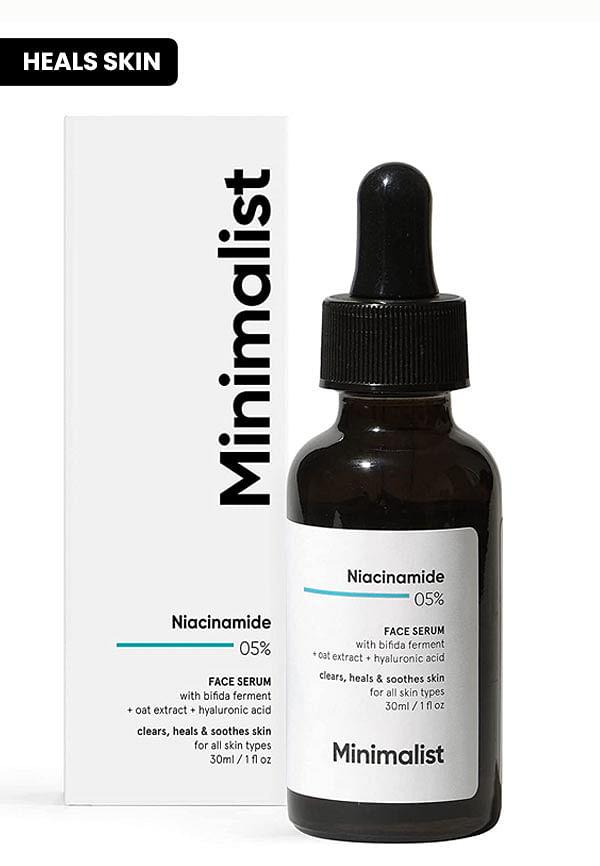
5% Niacinamide Face Serum For Glowing & Clear Skin With 1% Hyaluronic Acid
Good for beginners
4“5% niacinamide is good for beginners”
Clears acne, glows skin
5“It made my skin clear from acne marks and it leave my skin glowing and smooth in texture and it was very helpful to me”
Clears acne, glows skin
5“It made my skin clear from acne marks and it leave my skin glowing and smooth in texture and it was very helpful to me”
These treatments work best as part of a comprehensive approach that includes proper home care. They're not one-time fixes but rather tools to accelerate your progress towards clearer skin.
Consistency is more important than perfection when it comes to maintaining clear skin. It's better to follow a simple routine religiously than to have an elaborate routine you only do sporadically. Your skin thrives on predictability and gentle, consistent care.
Be prepared to adjust your routine seasonally - your skin's needs change with weather, stress levels, and life circumstances. What works in summer might need tweaking for winter, and that's completely normal.
Clear skin feels comfortable and looks balanced. You'll notice minimal active breakouts, smooth texture when you touch your face, and an overall healthy appearance. You should feel confident going makeup-free when you choose to. Remember, clear skin doesn't mean perfect skin - it means healthy, balanced skin that functions well.
Perfect, poreless skin like you see in heavily filtered photos isn't realistic for anyone. However, achieving clear, healthy skin that you feel confident in is absolutely possible with the right approach, patience, and consistency. Focus on progress, not perfection.
Most people see initial improvements within 4-6 weeks of starting a consistent routine, but significant changes often take 3-6 months. Your skin cell turnover cycle is about 28 days, so you need to give treatments time to work. Be patient and consistent rather than switching products frequently.
Absolutely. Clear skin is more about using the right ingredients consistently than using expensive products. A simple routine with gentle cleanser, appropriate moisturiser, sunscreen, and one targeted treatment can be very effective. Focus on ingredients that work for your skin type rather than price tags.
Clear skin specifically refers to minimal breakouts and smooth texture, while good skin is a broader term that includes factors like hydration, elasticity, and overall health. You can have good skin that isn't completely clear, and that's perfectly normal and healthy.
Clear skin looks different at different life stages. Teenage clear skin might focus on managing hormonal breakouts, while clear skin in your thirties might emphasise prevention and maintenance. Your skin's needs change with age, and your definition of clear skin should evolve accordingly.
Understanding what defines clear skin is the first step towards achieving it. Clear skin isn't about perfection - it's about balance, health, and feeling comfortable in your own face. Focus on consistency over complexity, patience over quick fixes, and progress over perfection.
Remember that achieving clear skin is a journey, not a destination. Your skin will change with seasons, stress, hormones, and life circumstances, and that's completely normal. The goal is to build sustainable habits that support your skin's health long-term.
Whether you're just starting your skincare journey or looking to refine your existing routine, Smytten's curated selection of trusted brands offers everything you need to build an effective clear skin routine. With over 28 million users discovering products that work for their unique skin needs, you're in good company on this journey towards healthier, clearer skin.
