What Causes Skin to Lose Firmness? Your FAQ Answered


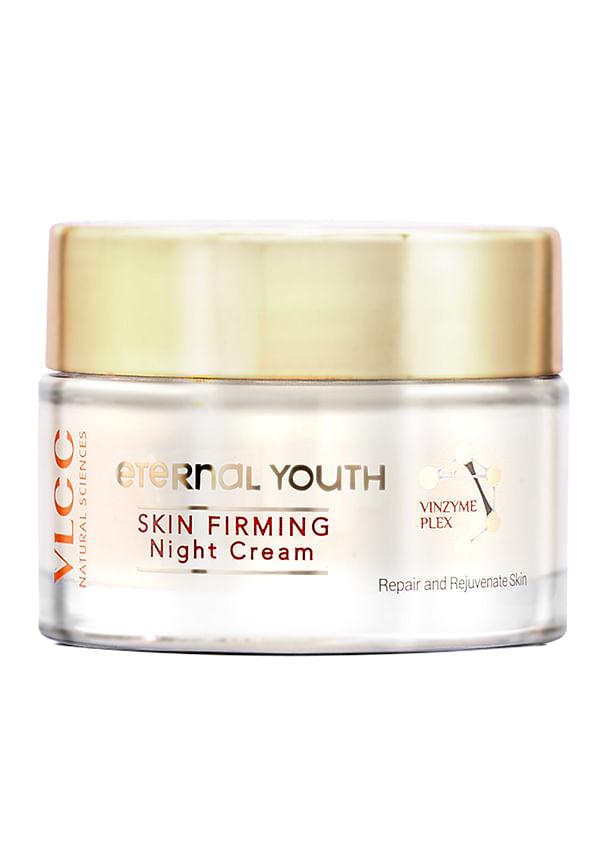
VLCC Eternal Youth Skin Firming Night Cream Reverse Signs of Ageing (50 g)
You've noticed it in the mirror during your morning routine — that subtle shift where your skin doesn't quite bounce back the way it used to. Maybe it's the gentle pull of gravity showing on your jawline, or perhaps your cheeks feel less plump than they did a few years ago. Loss of skin firmness is one of those changes that creeps up gradually, leaving many of us wondering what's actually happening beneath the surface and whether there's anything we can do about it.
Skin firmness refers to your skin's ability to maintain its structure and resist sagging or drooping. Think of it as your skin's internal scaffolding — when it's strong, your skin looks taut and youthful. When that scaffolding weakens, you start to see the effects of gravity.
The magic happens in your dermis, the middle layer of your skin. Here, three key players work together to keep your skin firm and elastic. Collagen acts like the steel beams of a building, providing structure and strength. Elastin works like rubber bands, allowing your skin to stretch and snap back into place. Hyaluronic acid fills the spaces between these fibres, keeping everything plump and hydrated.
Your connective tissue weaves all these components together, creating a network that supports your skin from within. When this network is healthy and intact, your skin maintains its firmness and skin elasticity. But when any part of this system starts to break down, you begin to notice changes in how your skin looks and feels.
Real talk — understanding why skin loses its firmness isn't just about satisfying curiosity. It's about knowing what you're up against so you can make informed decisions about your skincare routine and lifestyle choices.
Here's the reality nobody wants to hear: aging skin is inevitable, and it starts earlier than you might think. After age 20, your skin produces about 1% less collagen each year. That might not sound like much, but by the time you're 40, you've lost 20% of your collagen production capacity.
The quality of your remaining collagen changes too. The neat, organised fibres of youth become more fragmented and less effective at supporting your skin's structure. Meanwhile, elastin fiber breakdown means your skin becomes less able to bounce back from facial expressions, leading to permanent lines and sagging. Dermal atrophy — the thinning of your skin's supportive layer — compounds these effects, making your skin more fragile and prone to skin laxity.
Rapid or significant weight loss can leave your skin struggling to catch up. When you lose weight quickly, your skin doesn't have time to gradually contract, leading to loose, sagging areas. The extent of this skin laxity depends on several factors: how much weight you lost, how quickly you lost it, your age, and your skin's natural elasticity.
Younger skin typically recovers better because it has more collagen and elastin to work with. However, if you've lost a substantial amount of weight — particularly if you're over 40 — your skin may not fully tighten on its own. The good news is that some natural tightening can occur over 12-24 months post-weight loss, though patience is essential.
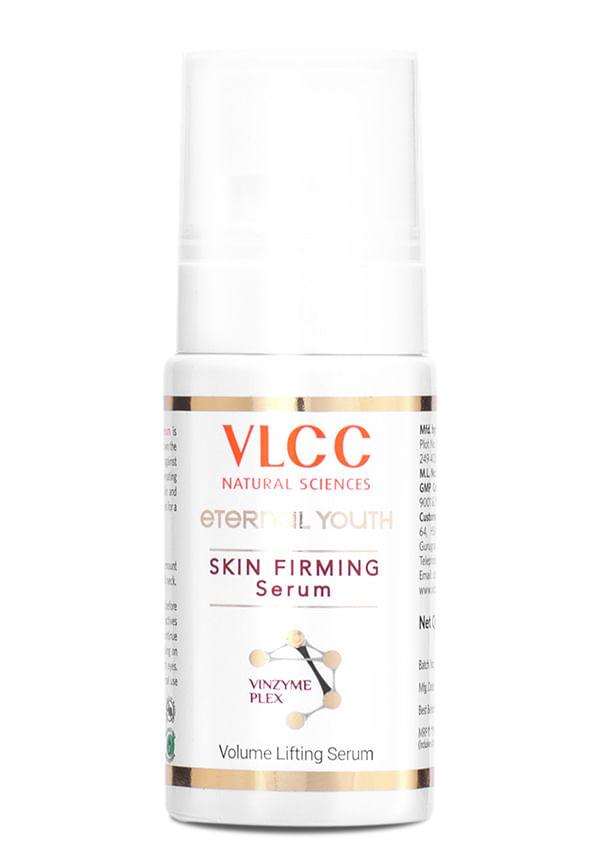
Eternal Youth Skin Firming Serum
Hormones play a massive role in skin health, and fluctuations can significantly impact firmness. During menopause, declining oestrogen levels directly affect collagen production, leading to thinner, less elastic skin. Pregnancy and postpartum periods bring their own challenges, with stretching skin and hormonal shifts that can affect skin recovery.
Thyroid disorders can also impact skin elasticity. An underactive thyroid often leads to dry, thick skin, whilst an overactive thyroid can cause thin, fragile skin. Chronic stress elevates cortisol levels, which breaks down collagen and impairs your skin's ability to repair itself — another reason why managing stress is crucial for skin health.
UV radiation is arguably the biggest external threat to skin firmness. When UV rays penetrate your skin, they create free radicals that attack collagen and elastin fibres. This process, called photoaging, can accelerate the breakdown of your skin's support structure by decades.
The damage is cumulative — every unprotected moment in the sun adds up. This is why dermatologists consistently emphasise SPF as the most important anti-aging product you can use. Areas that receive the most sun exposure, like your face, neck, and hands, typically show the first signs of loss of collagen and firmness.
Your daily habits have a profound impact on skin firmness. Smoking is particularly damaging because it reduces blood flow to your skin, depriving it of oxygen and nutrients needed for collagen production. The repetitive pursing motion also contributes to lines around the mouth.
Poor nutrition, especially diets lacking in vitamin C, vitamin E, and antioxidants, can impair collagen synthesis. Chronic dehydration affects your skin's plumpness and can make firmness issues more apparent. Even your sleep patterns matter — during deep sleep, your body produces growth hormone, which helps repair and regenerate skin tissue.
Certain medical conditions and medications can accelerate connective tissue damage and skin thinning. Long-term use of corticosteroids, whether topical or oral, can significantly thin the skin and reduce collagen production. Blood thinners, some antidepressants, and certain chemotherapy drugs can also affect skin thickness and healing.
Autoimmune conditions like lupus or scleroderma directly impact connective tissue, whilst chronic kidney or liver disease can affect your body's ability to produce the proteins necessary for healthy skin structure. If you're taking medications or managing a chronic condition, it's worth discussing potential skin effects with your healthcare provider.
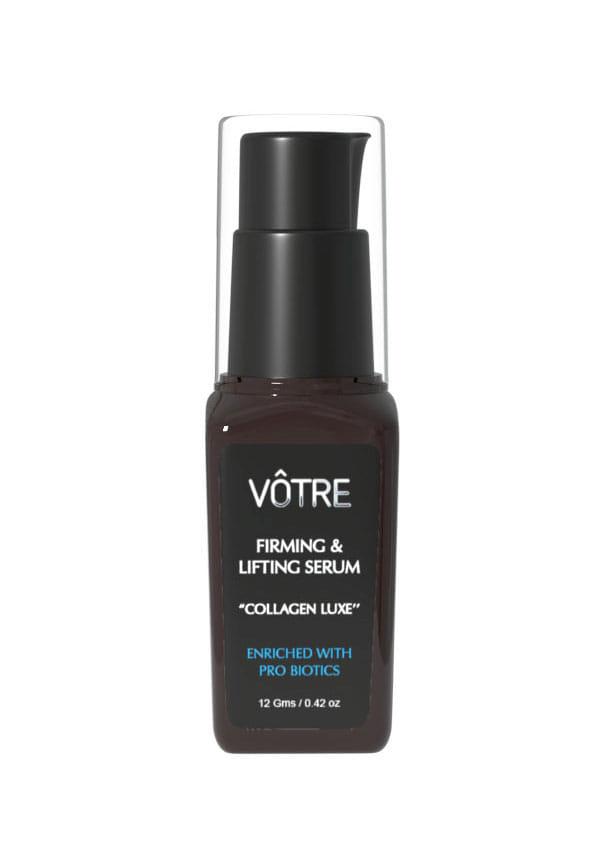
Firming & Lift Skin Boosting Serum Mini
The encouraging news is that whilst you can't stop time, you can take meaningful steps to support your skin's firmness and slow the aging process.
Retinoids remain the gold standard for stimulating collagen production. Whether you choose over-the-counter retinol or prescription tretinoin, these vitamin A derivatives can help improve skin texture and firmness over time. Start slowly and build tolerance gradually.
Vitamin C is essential for collagen synthesis and provides antioxidant protection against free radical damage. Look for stable forms like magnesium ascorbyl phosphate or sodium ascorbyl phosphate in your serums.
Peptides can signal your skin to produce more collagen, whilst hyaluronic acid helps maintain hydration and plumpness. Niacinamide supports the skin barrier and can help improve skin texture over time.
When topical treatments aren't enough, professional procedures can provide more dramatic results. Non-invasive options like radiofrequency and ultrasound treatments heat the deeper layers of skin to stimulate collagen production. These treatments typically require multiple sessions but have minimal downtime.
Microneedling creates controlled micro-injuries that trigger your skin's healing response, boosting collagen production. Laser treatments can resurface the skin and stimulate deeper collagen remodelling. For more significant skin laxity, injectable treatments or surgical options might be worth considering.
Supporting your skin from within is just as important as what you apply topically. A diet rich in vitamin C, vitamin E, and antioxidants provides the building blocks for healthy collagen. Regular exercise improves circulation, delivering nutrients to your skin cells.
Quality sleep allows your skin to repair and regenerate, whilst stress management helps keep cortisol levels in check. Daily SPF use is non-negotiable — it's the single most effective way to prevent further connective tissue damage.
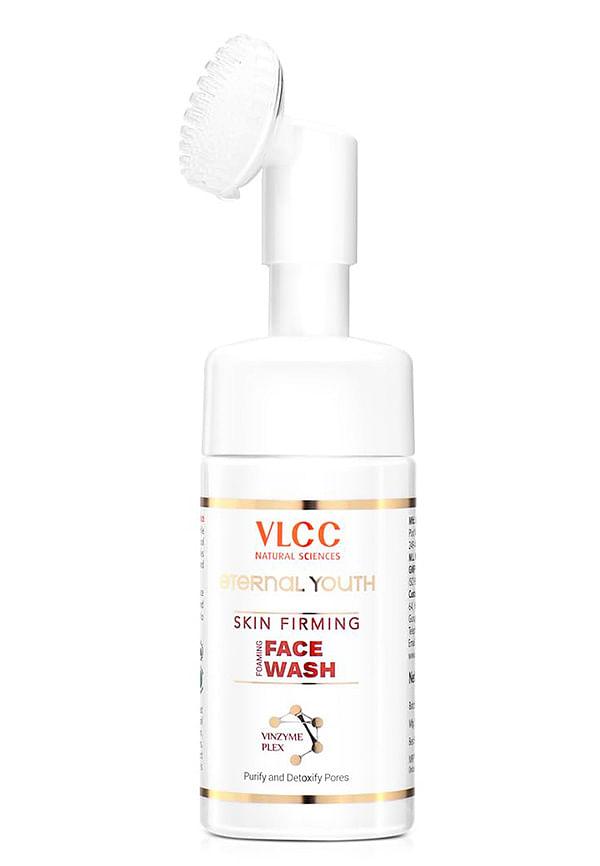
Eternal Youth Skin Firming Face Wash
Skin loses firmness primarily due to the natural aging process, which reduces collagen and elastin production. External factors like sun damage, lifestyle choices, and hormonal changes can accelerate this process. The rate and extent of firmness loss varies between individuals based on genetics, skin type, and environmental exposure.
Vitamin C deficiency is particularly problematic for skin firmness because vitamin C is essential for collagen synthesis. Vitamin E deficiency can also contribute to skin aging by reducing antioxidant protection. Vitamin A deficiency affects skin cell turnover and repair processes. A balanced diet with adequate vitamins supports optimal skin health.
Some natural skin tightening can occur, especially in younger individuals with good skin elasticity. However, the extent depends on factors like age, genetics, the degree of sagging, and overall skin health. Whilst lifestyle changes and proper skincare can improve skin quality, significant sagging often requires professional treatment for noticeable improvement.
Natural skin tightening after weight loss takes time — typically 12-24 months. Stay hydrated, maintain a protein-rich diet to support collagen production, exercise regularly to improve circulation, and use moisturisers with firming ingredients. However, if you've lost significant weight or are over 40, natural tightening may be limited.
Corticosteroids are the most common medications that cause skin thinning. Long-term use of topical steroids or oral prednisone can significantly reduce skin thickness. Blood thinners, some antidepressants, and certain cancer treatments can also affect skin structure. Always discuss potential side effects with your healthcare provider.
You can build skin resilience through consistent skincare, sun protection, and healthy lifestyle choices. Regular use of retinoids, vitamin C, and moisturisers can improve skin thickness and quality over time. However, 'toughening' skin isn't always desirable — healthy skin should be strong yet supple, not thick and leathery.
Loss of skin firmness is a natural part of aging, but understanding the causes empowers you to take proactive steps. Whether you're dealing with early signs of skin laxity or more advanced changes, there are options available to help improve your skin's appearance and health.
The key is starting early with prevention — consistent sun protection, a good skincare routine with proven ingredients, and healthy lifestyle choices can significantly slow the process. For those already experiencing firmness loss, combining topical treatments with professional procedures often yields the best results.
Remember, your skin journey is unique. What works for one person may not work for another, which is why exploring different products and approaches is so valuable. If you're curious about trying new skincare ingredients or brands but hesitant to commit to full sizes, platforms like Smytten let you discover products through trial sizes from trusted brands. With over 28 million users exploring everything from vitamin C serums to retinol treatments, it's a smart way to find what works for your skin before making larger investments.
