What Causes Skin Moisture Loss? Your FAQ Answered


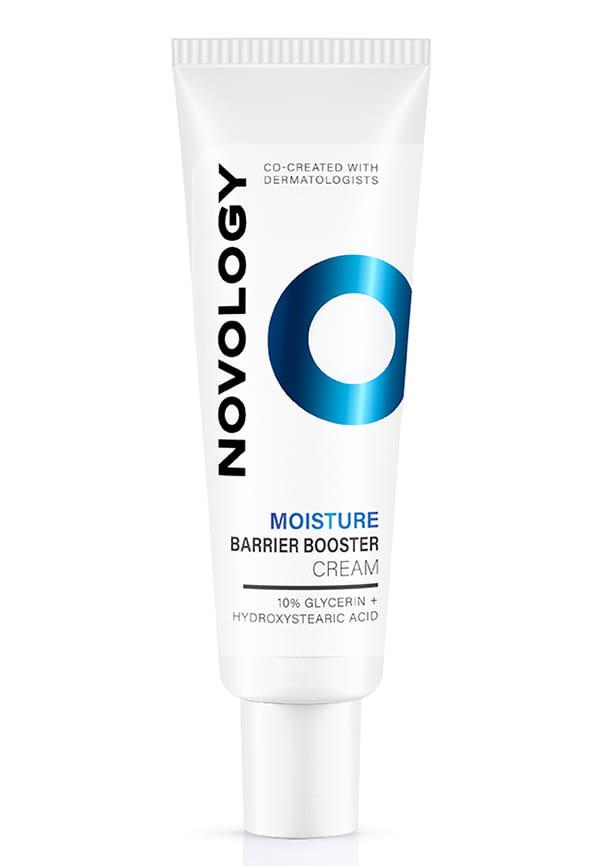
Moisture Barrier Cream, Face Moisturiser for Hydration, For Dehydrated & Dry Skin
You wake up, splash water on your face, and immediately feel that familiar tightness pulling at your cheeks. Your skin drinks up moisturiser like a sponge, yet by midday, you're back to that uncomfortable, tight feeling. Sound familiar? You're not alone in wondering what causes skin moisture loss and why it seems like an uphill battle to keep your skin properly hydrated. The truth is, moisture loss happens to everyone, but understanding the why behind it can help you tackle the problem more effectively.
Let's start with the basics. Your skin loses moisture through a process called transepidermal water loss (TEWL), which is completely normal. Think of your skin as a brick wall where the bricks are skin cells and the mortar is made up of lipids and proteins. This moisture barrier keeps water in and irritants out.
When this barrier is functioning properly, you lose about 300-400ml of water through your skin daily. That's normal. The problem starts when this barrier becomes compromised, leading to excessive moisture loss and that dreaded tight, flaky feeling.
Here's where it gets interesting: there's actually a difference between dry skin and dehydrated skin. Dry skin lacks oil (sebum), whilst dehydrated skin lacks water. You can have oily skin that's dehydrated, which explains why some people with acne-prone skin still experience tightness and flaking.
The world around you is constantly working against your skin's hydration levels. Cold weather is one of the biggest culprits. When temperatures drop, the air holds less moisture, creating a low-humidity environment that literally pulls water from your skin.
But it's not just winter weather. Air conditioning creates a similar effect indoors, especially during Mumbai's sweltering summers when you're moving between AC environments and humid outdoor air. This constant temperature fluctuation confuses your skin's natural moisture regulation.
Sun exposure damages more than just your skin's surface. UV radiation breaks down the proteins and lipids that make up your moisture barrier, leading to increased water loss. Even indirect sun exposure through windows can contribute to this damage over time.
Sometimes the very products meant to help your skin are actually making things worse. Over-cleansing is incredibly common, especially if you're dealing with oily or acne-prone skin. Hot water feels lovely, but it strips away your skin's natural oils faster than your skin can replace them.
Harsh cleansers containing sulphates or high concentrations of alcohol can disrupt your skin's pH balance. Your skin naturally sits at a slightly acidic pH of around 5.5, but many traditional soaps push it towards alkaline, weakening your moisture barrier.
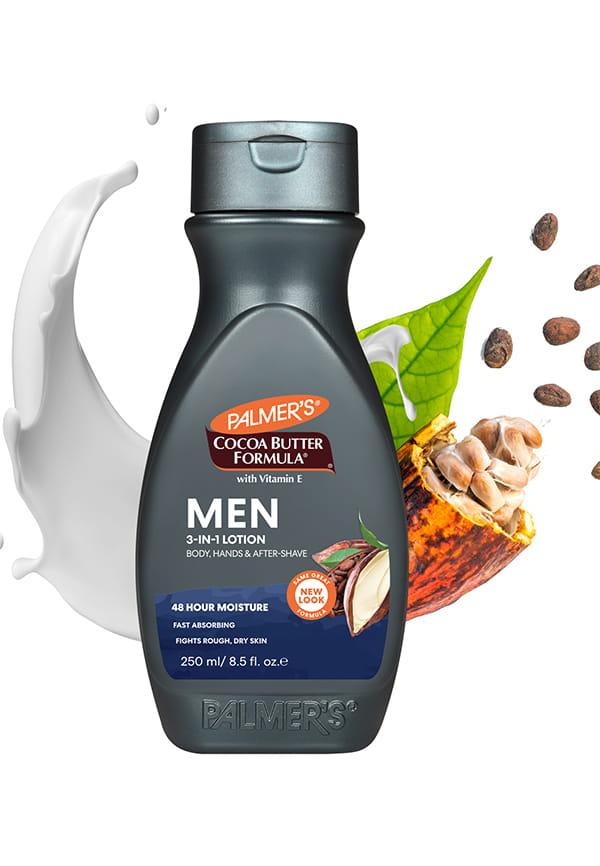
Body Lotion for Hydration For Dry Skin Mens Lotion
Excessive exfoliation is another major factor. Whether you're using physical scrubs daily or layering multiple AHAs and BHAs, over-exfoliation removes the protective layer of dead skin cells that help retain moisture. Your skin starts producing less natural moisturising factors, leaving you in a cycle of dryness.
What you put into your body matters just as much as what you put on your skin. While drinking water alone won't cure dry skin, chronic dehydration does affect your skin's ability to maintain moisture. Your skin is the last organ to receive water from your system, so if you're not drinking enough, it shows.
Certain foods can support your skin's hydration from within. Omega-3 fatty acids from fish, walnuts, and flaxseeds help maintain your skin's lipid barrier. Antioxidant-rich foods like berries and leafy greens protect against environmental damage that contributes to moisture loss.
On the flip side, excessive caffeine and alcohol can have dehydrating effects. They're diuretics, meaning they increase water loss through your kidneys, potentially leaving less available for your skin.
Certain medications can also contribute to skin dehydration. Diuretics, blood pressure medications, and even some acne treatments can increase moisture loss. If you've noticed increased dryness after starting a new medication, it's worth discussing with your doctor.
As you age, your skin naturally produces less sebum and fewer natural moisturising factors. The cell turnover process slows down, meaning dead skin cells accumulate on the surface, making it harder for moisturisers to penetrate effectively.
Hormonal changes, particularly during menstruation, pregnancy, or menopause, can also affect your skin's moisture levels. Oestrogen helps maintain skin thickness and moisture retention, so fluctuations can leave your skin feeling drier than usual.
Recognising the signs of dry skin early can help you address the problem before it becomes severe. The most obvious sign is that tight feeling, especially after cleansing. Your skin might feel rough to the touch or look dull and lacklustre.
Flaking and scaling are clear indicators that your moisture barrier is compromised. You might notice small, white flakes on your clothing or see patches of skin that look ashy or grey, particularly on darker skin tones.
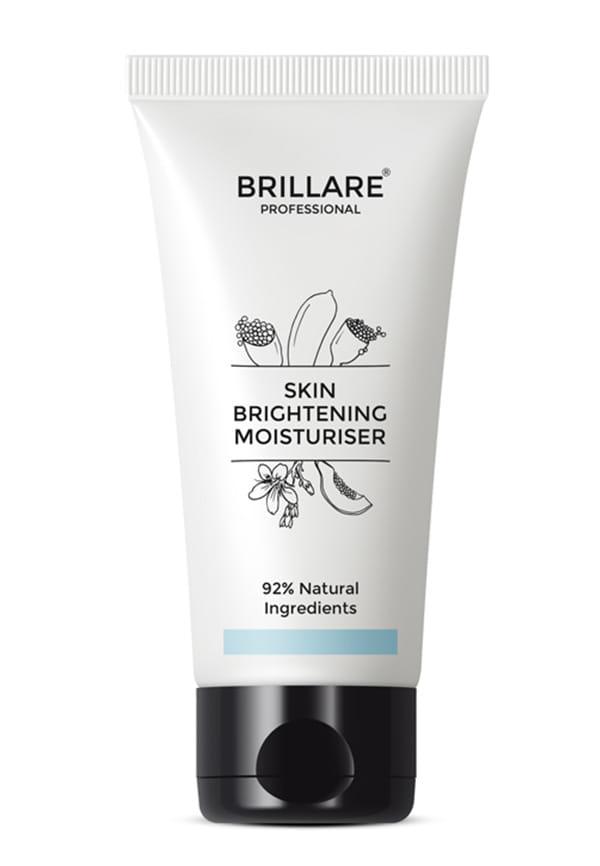
Skin Brightening Moisturiser For Reducing Pigmentation
Itching is another common sign, and it's important not to scratch, as this can further damage your moisture barrier and lead to inflammation. If you're experiencing persistent itching, especially at night, it could indicate that your skin is severely dehydrated.
More severe symptoms include cracking, bleeding, or persistent redness and inflammation. If your skin isn't responding to gentle moisturising or if you're experiencing these severe symptoms, it's time to consult a dermatologist. Sometimes what appears to be simple dryness could be a condition like eczema or dermatitis that requires specific treatment.
The good news is that most skin moisture loss can be prevented and treated with the right approach. The key is to focus on both immediate relief and long-term prevention strategies.
For immediate relief, timing matters. Apply your moisturiser within three minutes of cleansing or showering while your skin is still slightly damp. This helps trap water in your skin and makes your moisturiser more effective.
Look for moisturisers containing hyaluronic acid, which can hold up to 1000 times its weight in water, or ceramides, which help repair and strengthen your moisture barrier. Niacinamide is another excellent ingredient that helps improve your skin's natural moisture retention.
Start with a gentle, pH-balanced cleanser that won't strip your skin. Avoid products with high alcohol content or harsh surfactants. If you're using active ingredients like retinol or AHAs, introduce them slowly and always follow with a good moisturiser.
Consider adding a humidifier to your bedroom, especially during winter months or if you live in a dry climate. Aim for humidity levels between 40-60% for optimal skin comfort.
Don't forget about SPF protection. Sun damage is cumulative and contributes to long-term moisture barrier damage. A broad-spectrum SPF 30 or higher should be part of your daily routine, regardless of the weather.
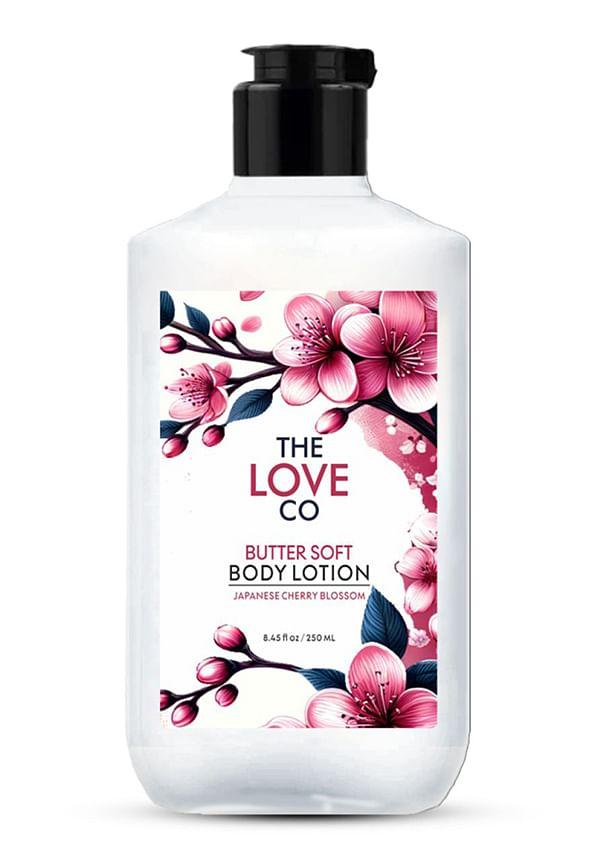
Butter Soft Body Lotion - Deep Hydration for Dry skin
Multiple factors contribute to skin moisture loss, including environmental conditions like cold weather and low humidity, skincare mistakes such as over-cleansing and harsh products, lifestyle factors like dehydration and poor diet, and natural ageing processes. Medical conditions and certain medications can also affect your skin's ability to retain moisture.
Start by using a gentle cleanser and applying moisturiser to damp skin within three minutes of cleansing. Look for products with hyaluronic acid, ceramides, or glycerin. Drink plenty of water, use a humidifier, and protect your skin from sun damage with daily SPF. It typically takes 2-4 weeks to see significant improvement with consistent care.
This usually indicates that your moisturiser isn't suitable for your skin type or that you're using products that counteract its effects. You might be over-cleansing, using products with drying ingredients, or your moisturiser might not contain the right ingredients for your skin's needs. Consider switching to a more occlusive moisturiser or adding a hydrating serum to your routine.
Prevention involves protecting your moisture barrier through gentle skincare, maintaining proper humidity levels, staying hydrated, eating a balanced diet rich in healthy fats, and protecting your skin from environmental damage. Avoid hot water, harsh products, and over-exfoliation. Consistency in your skincare routine is key.
Hyaluronic acid draws moisture to the skin, ceramides repair the moisture barrier, glycerin acts as a humectant, and niacinamide improves skin texture and moisture retention. Occlusives like petrolatum or dimethicone help seal moisture in, whilst natural oils like jojoba or argan oil can provide additional nourishment.
Understanding what causes skin moisture loss is the first step towards healthier, more comfortable skin. Whether it's environmental factors, skincare mistakes, or lifestyle choices, most causes of dry skin can be addressed with the right knowledge and products.
Remember that achieving optimal skin hydration is a journey, not a destination. Your skin's needs will change with the seasons, your age, and your lifestyle. The key is to listen to your skin and adjust your routine accordingly.
If you're looking to explore different moisturisers and hydrating products without committing to full sizes, Smytten's curated selection includes trusted brands like Cetaphil, Dot & Key, and WishCare that specialise in moisture-barrier repair. With over 28 million users discovering their perfect skincare matches, you can find products that work specifically for your skin's moisture needs. Sometimes the best way to solve persistent dryness is to experiment with different formulations until you find what truly works for your unique skin.
