What Causes Skin Irritation? Your FAQ Answered


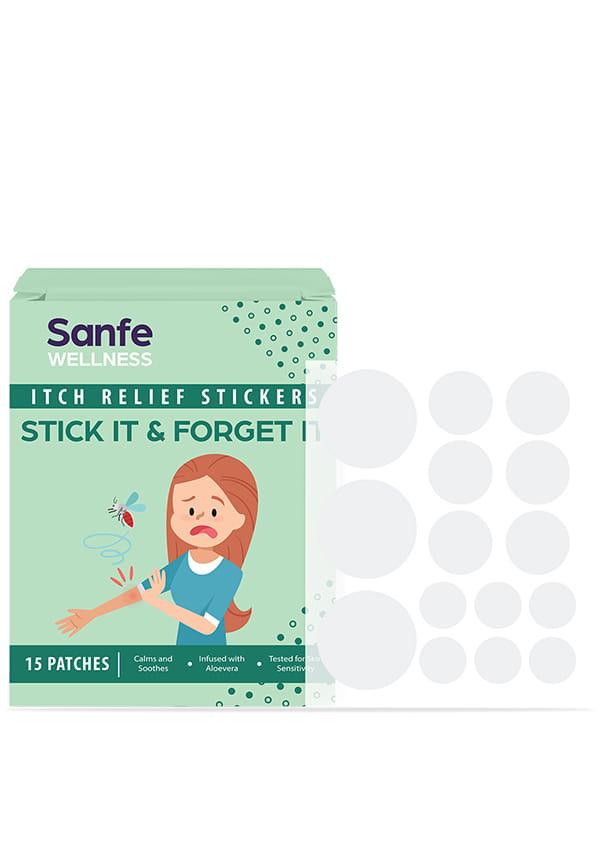
Itch Relief Stickers
You wake up to find your face red and itchy, or perhaps your hands are suddenly dry and cracked after using a new hand cream. Sound familiar? You're not alone. Studies show that nearly 50% of people experience some form of skin irritation annually, making it one of the most common dermatological concerns. Whether it's a sudden rash, persistent dryness, or unexplained redness, understanding what causes skin irritation is the first step towards healthier, more comfortable skin. Let's dive into the most common triggers and explore practical solutions that actually work.
Skin irritation occurs when your skin's protective barrier becomes compromised, leading to inflammation and discomfort. Think of your skin barrier as a brick wall - when it's intact, it keeps irritants out and moisture in. When damaged, everything from harsh chemicals to bacteria can penetrate deeper layers, triggering your immune system's defensive response.
Common symptoms include redness, itching, burning sensations, swelling, and sometimes even blistering. The key difference between irritation and allergic reactions lies in timing and mechanism. Irritation typically happens immediately upon contact with a trigger, whilst allergic reactions may take hours or days to develop and involve your immune system creating antibodies against specific substances.
Acute irritation appears suddenly and resolves quickly with proper care, like the redness after accidentally touching a hot surface. Chronic irritation persists for weeks or months, often requiring professional intervention. Some people experience localised reactions affecting only the contact area, whilst others develop widespread symptoms across multiple body areas.
Understanding the root causes helps you identify and avoid your specific triggers. Here are the most common culprits behind uncomfortable skin reactions.
Contact dermatitis is perhaps the most straightforward cause of skin irritation. Irritant contact dermatitis happens when harsh substances directly damage your skin cells. Think washing-up liquid that strips your hands of natural oils, or that overly fragranced body wash that leaves your skin tight and red.
Allergic contact dermatitis involves your immune system mistaking harmless substances for threats. Common triggers include nickel in jewellery, fragrances in cosmetics, and preservatives in skincare products. Even natural ingredients like essential oils can cause allergic reactions in sensitive individuals.
When your skin lacks adequate moisture, it becomes vulnerable to irritation. Cold weather and low humidity strip moisture from your skin's surface, whilst hot showers and over-washing remove protective natural oils. Age-related changes also play a role - as we get older, our skin produces less sebum, making it naturally drier and more prone to irritation.
This type of irritation often manifests as tight, flaky skin that feels rough to touch. You might notice it worsens during winter months or in air-conditioned environments that reduce ambient humidity.
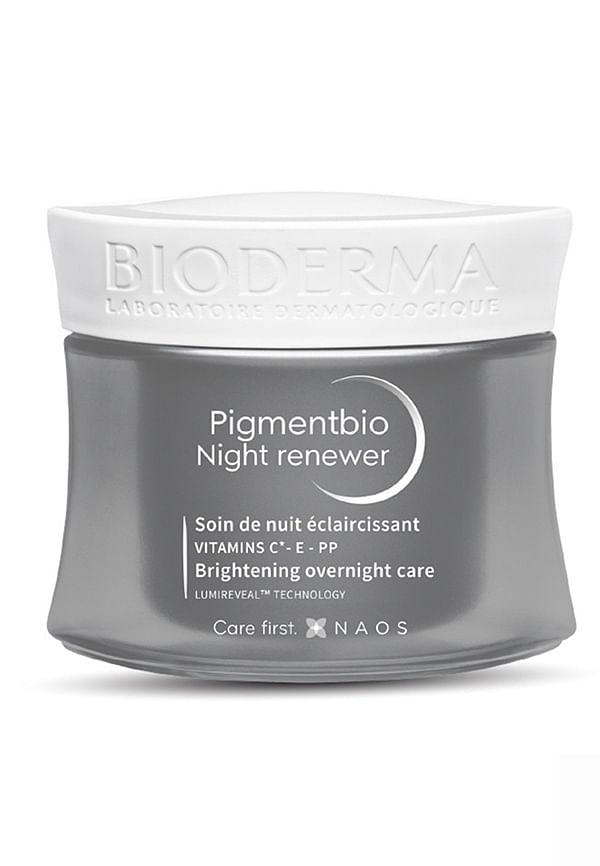
Pigmentbio Night Renewer Brightening Overnight Cream for Dark Spots, Sensitive Skin
Food allergies can manifest as skin rash causes, particularly in children but also in adults. Common culprits include dairy, nuts, shellfish, and certain fruits. Airborne allergens like pollen, dust mites, and pet dander can also trigger skin reactions, especially in people with existing allergies or asthma.
Cosmetic and skincare product allergies are increasingly common, with fragrances and preservatives being the most frequent offenders. Even products labelled 'natural' or 'organic' can contain allergens.
Eczema triggers include stress, weather changes, certain fabrics like wool, and even emotional factors. This condition creates a cycle where irritated skin becomes more sensitive to triggers, leading to further irritation.
Psoriasis flares can be triggered by infections, certain medications, stress, and even minor skin injuries. Seborrheic dermatitis causes often relate to hormonal changes, weather fluctuations, and stress levels, typically affecting oily areas like the scalp and face.
Over-exfoliation is a surprisingly common cause of skin irritation. Using harsh scrubs or multiple active ingredients simultaneously can damage your skin barrier. Many people experience irritation when introducing retinoids, AHAs, or BHAs too quickly into their routine.
Sudden product changes can also trigger reactions. Your skin adapts to your regular routine, and dramatic changes can overwhelm its natural balance.
Red skin causes often stem from environmental exposure. UV radiation, wind, and pollution can all trigger inflammatory responses. Stress elevates cortisol levels, which can worsen existing skin conditions and make your skin more reactive to other triggers.
Poor sleep affects your skin's ability to repair itself overnight, whilst dehydration reduces your skin's natural moisture content, making it more susceptible to irritation.
If you've noticed your skin becoming more reactive lately, you're not imagining it. Several factors can cause sudden sensitivity changes that catch you off guard.
Seasonal transitions often trigger skin changes. Moving from humid summer air to dry winter heating can dramatically affect your skin's moisture levels. Hormonal fluctuations during menstruation, pregnancy, or menopause can also increase skin sensitivity.
Stress-induced cortisol elevation weakens your skin barrier function, making it more permeable to irritants. Even positive stress, like starting a new job or moving house, can trigger skin reactions in sensitive individuals.
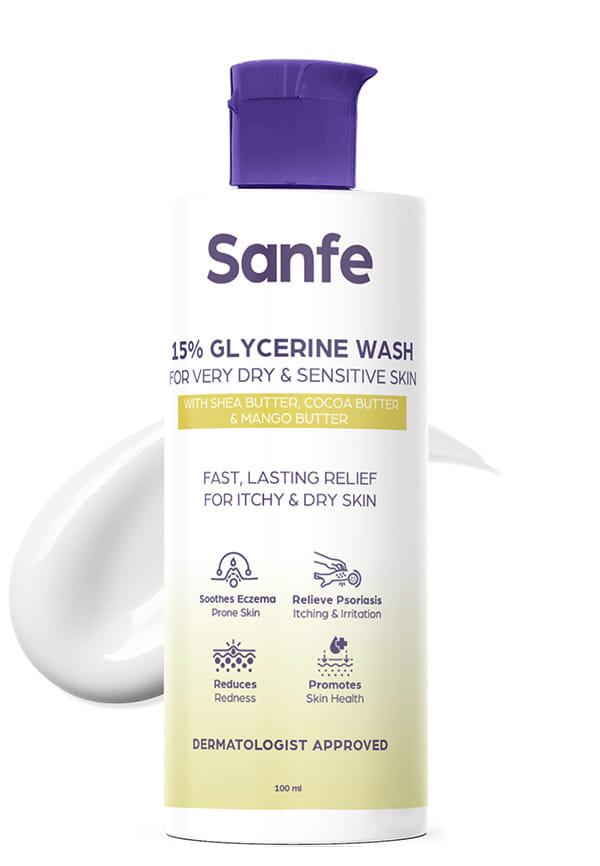
Eczema Relief Wash | Soothes Eczema, Relieve Irritation & Itching, Reduces Redness
As we age, our skin naturally becomes thinner and produces less protective sebum. Cell turnover slows down, meaning damaged skin takes longer to heal and regenerate. These changes make mature skin more vulnerable to irritation from products and environmental factors that never bothered you before.
The key to managing skin irritation lies in identifying your personal triggers. Start by keeping a symptom diary, noting when irritation occurs, what products you've used, foods you've eaten, and any environmental changes.
Consider the timing of your reactions. Itchy skin causes that appear immediately after contact suggest irritant reactions, whilst delayed responses often indicate allergic reactions. Pay attention to patterns - do reactions worsen during stressful periods or specific seasons?
For persistent or severe reactions, patch testing by a dermatologist can identify specific allergens. This involves applying small amounts of common allergens to your skin under controlled conditions to observe reactions.
Causes of skin inflammation often fall into predictable categories. Physical triggers include rough fabrics, extreme temperatures, and mechanical friction. Chemical triggers encompass everything from cleaning products to cosmetic ingredients. Biological triggers include bacteria, fungi, and allergens like pollen or pet dander.
Once you've identified your triggers, prevention becomes much easier. For immediate relief, apply cool compresses to inflamed areas and avoid scratching, which can worsen irritation and potentially lead to infection.
Long-term prevention focuses on strengthening your skin barrier. Choose fragrance-free, hypoallergenic products whenever possible. Look for ingredients like ceramides, niacinamide, and hyaluronic acid that support barrier function.
Establish a gentle skincare routine using lukewarm water and mild cleansers. Pat your skin dry rather than rubbing, and apply moisturiser whilst your skin is still slightly damp to lock in hydration.
Stress management through regular exercise, adequate sleep, and relaxation techniques can significantly reduce skin reactivity. Consider your diet too - whilst food triggers vary between individuals, maintaining good overall nutrition supports skin health.
Environmental controls like using humidifiers in dry climates and choosing breathable, natural fabrics can also help prevent irritation.
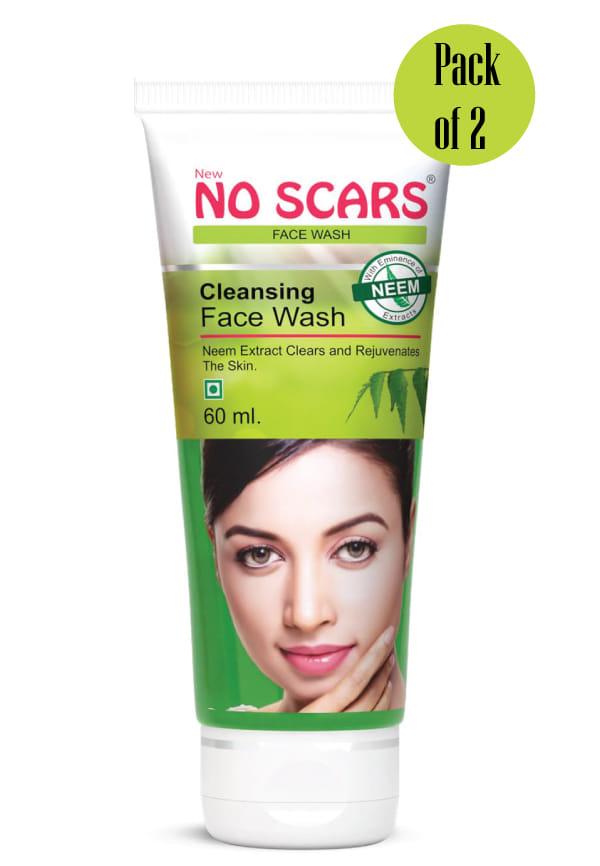
Neem Face Wash,Rejuvenates Skin And Fights Acne With Neem Extracts
Start by removing or avoiding the suspected trigger immediately. Apply a cool, damp cloth to the affected area for 10-15 minutes to reduce inflammation. Use a gentle, fragrance-free moisturiser to restore your skin barrier. If irritation persists beyond a few days or worsens, consult a healthcare professional.
The top five causes include harsh soaps and detergents, dry environmental conditions, allergic reactions to cosmetics or fragrances, stress-related flare-ups of existing conditions, and over-exfoliation or aggressive skincare practices. Environmental factors like extreme weather and pollution also rank highly.
Absolutely. Stress triggers the release of cortisol, which weakens your skin's protective barrier and increases inflammation throughout your body. This makes your skin more susceptible to irritants and can worsen existing conditions like eczema or psoriasis. Managing stress through relaxation techniques, exercise, and adequate sleep often improves skin symptoms.
Mild irritation from contact with irritants usually resolves within 2-7 days once the trigger is removed. Allergic reactions may take 1-3 weeks to fully heal. Chronic conditions like eczema require ongoing management. Factors affecting healing time include the severity of irritation, your overall health, age, and how quickly you identify and remove triggers.
Irritation typically occurs immediately upon contact and affects anyone exposed to sufficient amounts of the irritant. Allergic reactions involve your immune system and may take hours or days to develop. They can occur with minimal exposure in sensitised individuals. Allergic reactions often spread beyond the contact area and may include symptoms like hives or swelling.
Understanding what causes skin irritation empowers you to take control of your skin health. Whether you're dealing with contact dermatitis causes, sensitive skin triggers, or chronic conditions, identifying your specific triggers is the foundation of effective management.
Remember that skin sensitivity can change over time due to age, hormones, stress, and environmental factors. What worked for your skin five years ago might not be suitable today, and that's completely normal.
If you're exploring new skincare products to address irritation, Smytten's curated selection includes gentle, dermatologist-recommended brands perfect for sensitive skin. With over 28 million users trusting the platform for product discovery, you can explore options from trusted brands before committing to full sizes, ensuring you find products that work for your unique skin needs.
