What Causes Sensitive Skin? Your FAQ Answered

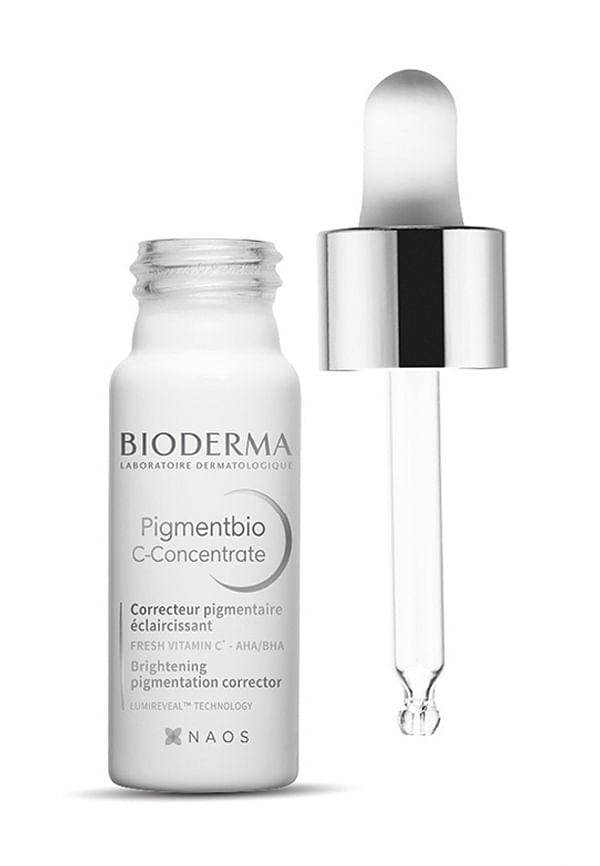
Pigmentbio C- Concentrate Brightening Cream Corrector Pigmentation Disorders
You've just tried a new moisturiser, and within hours your skin is red, itchy, and burning. Sound familiar? If your skin seems to react to everything from weather changes to new products, you're not alone. Sensitive skin affects nearly 60% of people, yet understanding what actually triggers these reactions can feel like solving a puzzle. The truth is, sensitive skin triggers are more complex than most people realise, involving everything from your skin's natural barrier to hidden ingredients in everyday products.
Let's start with what sensitive skin actually means. Unlike specific conditions like eczema or rosacea, sensitive skin is more of a symptom than a diagnosis. It's your skin's way of telling you that something isn't quite right with its protective barrier or nerve responses.
Your skin barrier is like a brick wall, with skin cells as bricks and lipids as mortar. When this barrier is compromised, irritants can penetrate more easily, triggering inflammation and those uncomfortable reactions you know all too well. What makes this particularly frustrating is that skin sensitivity factors can vary dramatically from person to person.
The science gets interesting when you look at nerve fibres called C-fibres, which sit just beneath your skin's surface. In sensitive skin, these fibres become hyperactive, responding to stimuli that wouldn't normally cause problems. This explains why something as simple as a gentle breeze or lukewarm water can sometimes feel irritating.
Research shows that people with sensitive skin often have fewer ceramides and natural moisturising factors in their skin barrier. This creates a cycle where the weakened barrier allows irritants in, causing inflammation, which further damages the barrier. Understanding this cycle is key to breaking it.
The causes of sensitive skin are more varied than you might expect. From genetic predisposition to environmental factors, multiple elements can contribute to your skin's reactivity. Let's break down the main culprits that could be behind your skin's sensitivity.
Your skin barrier is your first line of defence, and when it's compromised, skin irritation reasons multiply. A damaged barrier allows water to escape and irritants to penetrate, creating the perfect storm for sensitivity. This can happen due to over-cleansing, harsh weather, or simply genetics. The connection between barrier dysfunction and dermatitis causes is particularly strong, as many forms of dermatitis begin with barrier impairment.
Rosacea symptoms often include heightened sensitivity, with triggers ranging from spicy food to emotional stress. Similarly, eczema triggers can make skin hypersensitive to products that were previously well-tolerated. Seborrheic dermatitis, particularly around the nose and eyebrows, can also increase sensitivity in affected areas.
Your environment plays a huge role in skin sensitivity. UV radiation doesn't just cause sunburn; it can trigger inflammatory responses that last for days. Temperature extremes, whether from air conditioning or winter winds, can disrupt your skin's natural balance and increase reactivity.
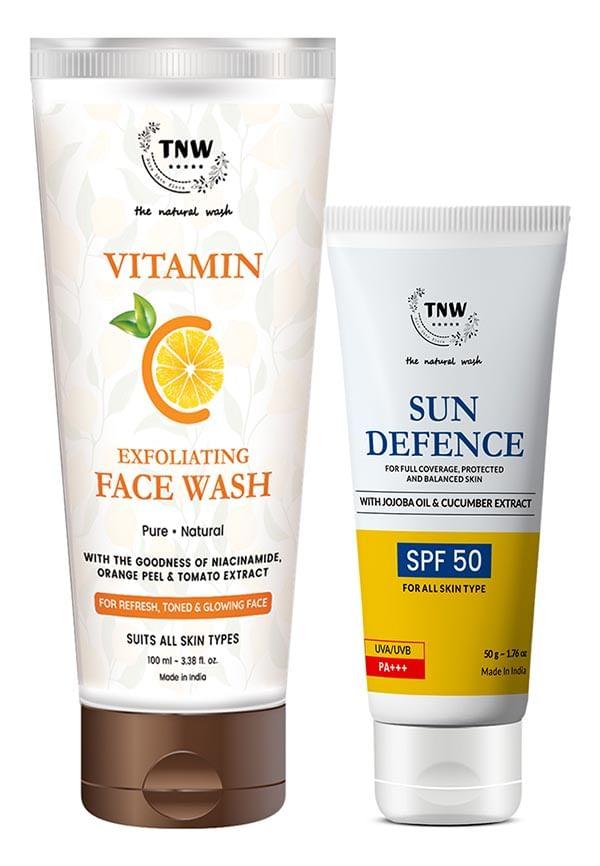
Vitamin C Exfoliating Face Wash and Sun Defense with Natural Ingredients | For Glowing and Healthy Skin | ChemicalFree Skincare Products,2 Pc
Fragrance allergy skin reactions are incredibly common, affecting up to 15% of the population. Even products labelled as 'unscented' can contain masking fragrances. Chemical irritants like high concentrations of retinoids or AHAs can also trigger sensitivity, especially when introduced too quickly into your routine.
If your skin has suddenly become reactive when it never was before, you're probably wondering what changed. Sudden sensitivity is often more frustrating than gradual sensitivity because it feels like your skin has betrayed you overnight.
Hormonal fluctuations are one of the most common causes of sudden sensitivity. During menopause, pregnancy, or even your monthly cycle, hormone levels can affect your skin's barrier function and inflammatory responses. Many women notice their skin becomes more reactive in the week before their period, when oestrogen levels drop.
Stress is another major factor that people often overlook. When you're stressed, your body produces more cortisol, which can thin the skin barrier and increase inflammation. This creates a perfect environment for sensitive skin triggers to cause more dramatic reactions than usual.
Medications can also suddenly change your skin's sensitivity. Antibiotics, blood pressure medications, and even some supplements can make your skin more reactive. If you've recently started any new medications and noticed increased sensitivity, it's worth discussing with your doctor.
Age-related changes in skin structure can also lead to sudden sensitivity. As we age, our skin produces less oil and fewer natural moisturising factors, making it more vulnerable to irritation. This is why products you've used for years might suddenly start causing problems.
Understanding your specific triggers is crucial for managing sensitive skin effectively. Not all sensitive skin is the same, and what affects one person might not bother another at all.
Dermatologists typically classify sensitive skin into four main types. Acne-prone sensitive skin reacts to comedogenic ingredients and can become inflamed with over-treatment. Rosacea-related sensitivity involves persistent redness and reactions to heat, alcohol, and certain skincare ingredients. Burning and stinging reactions occur when nerve endings overreact to otherwise harmless substances. Contact dermatitis sensitivity involves allergic reactions to specific ingredients or materials.
Your sensitivity might not just be about skincare products. Laundry detergents, fabric softeners, and even the fabric of your pillowcase can contribute to facial sensitivity. Wool and synthetic fabrics can irritate sensitive skin, whilst natural fibres like cotton and silk are generally better tolerated.
Knowing how to recognise sensitive skin symptoms can help you address problems before they become severe. The signs aren't always obvious, and some people dismiss mild symptoms until they become more serious.
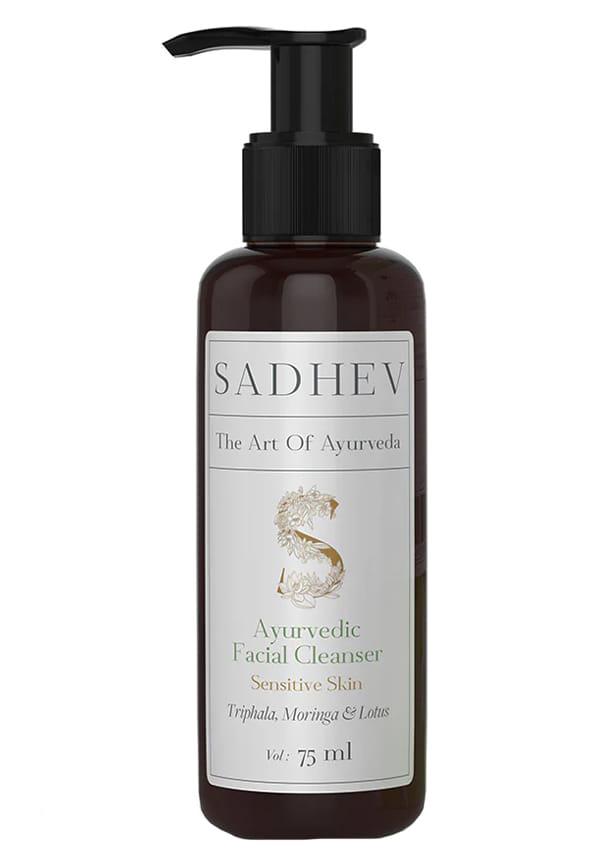
Ayurvedic Facial Cleanser Sensitive Skin
Red skin causes in sensitive individuals often involve inflammation from seemingly minor triggers. This redness might appear immediately after contact with an irritant or develop gradually over hours. The pattern of redness can give clues about the trigger - for example, redness around the hairline might suggest a reaction to shampoo or hair products.
Burning, stinging, and tingling sensations are classic signs of sensitive skin. These feelings often occur when applying products, especially those containing acids or alcohol. If you regularly experience these sensations, it's a clear sign that your skin barrier needs attention.
Itchy, dry, or flaky skin can indicate both sensitivity and barrier dysfunction. The urge to scratch can make sensitivity worse, creating a cycle of irritation and inflammation. Skin that feels tight or uncomfortable, especially after cleansing, is another warning sign that your routine might be too harsh.
When sensitivity symptoms persist for more than a few days, worsen despite gentle care, or are accompanied by severe redness or swelling, it's time to see a dermatologist. Professional evaluation can help distinguish between sensitivity and more serious skin conditions.
Managing sensitive skin requires a gentle, systematic approach. The goal isn't just to avoid reactions, but to strengthen your skin's natural defences over time.
When your skin is actively irritated, immediate itchy skin relief becomes the priority. Cool compresses can help calm inflammation and reduce the urge to scratch. Gentle cleansing with lukewarm water and a fragrance-free cleanser removes irritants without further damaging the barrier. Always pat your skin dry rather than rubbing, as friction can worsen sensitivity.
The key to a sensitive skin routine is simplicity. Choose fragrance-free products with minimal ingredient lists, as fewer ingredients mean fewer potential triggers. Patch testing new products on a small area of skin for 48 hours can prevent widespread reactions. When introducing new products, add only one at a time and wait at least a week before adding another.
For severe sensitivity, dermatologists can prescribe treatments that aren't available over the counter. Prescription barrier repair creams, anti-inflammatory medications, and professional treatments like gentle chemical peels can help restore skin health. The key is working with a professional who understands that sensitive skin requires a different approach than normal skin.
Prevention is always better than treatment when it comes to sensitive skin. Creating an environment that supports your skin's health can dramatically reduce the frequency and severity of reactions.
Your home environment plays a bigger role than you might think. Using a humidifier during dry months, choosing gentle laundry products, and even the temperature of your shower can impact your skin's sensitivity. Stress management through exercise, meditation, or other relaxation techniques can also help reduce skin reactivity.
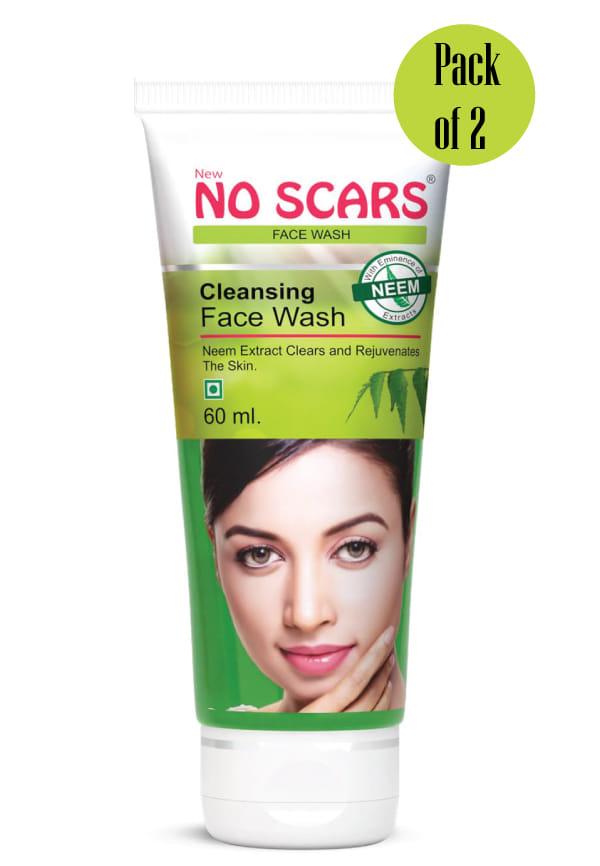
Neem Face Wash,Rejuvenates Skin And Fights Acne With Neem Extracts
Sun protection is crucial for sensitive skin, but many sunscreens can be irritating. Look for mineral sunscreens with zinc oxide or titanium dioxide, which are less likely to cause reactions than chemical sunscreens. Building skin resilience takes time, but consistent gentle care can help your skin become less reactive over time.
The first step is identifying and avoiding your specific triggers. Keep a skin diary noting what products you use and any reactions. Simplify your routine to gentle, fragrance-free products and introduce new items slowly. If reactions persist, consult a dermatologist for professional guidance.
Acne-prone sensitive skin reacts to pore-clogging ingredients and over-treatment. Rosacea-related sensitivity involves persistent facial redness triggered by heat, alcohol, or stress. Burning and stinging sensitivity causes immediate discomfort from products. Contact dermatitis sensitivity involves allergic reactions to specific ingredients like fragrances or preservatives.
Ageing naturally reduces your skin's oil production and barrier function. The skin becomes thinner and produces fewer natural moisturising factors, making it more vulnerable to irritation. Hormonal changes, particularly during menopause, can also increase skin sensitivity.
Yes, stress increases cortisol production, which can thin the skin barrier and increase inflammation. Stress also affects your immune system's response to irritants, making reactions more likely and more severe. Managing stress through relaxation techniques can genuinely help improve skin sensitivity.
Recovery time depends on the severity of the reaction and the underlying cause. Minor irritation might resolve in 24-48 hours with gentle care. More severe reactions or those involving barrier damage can take several weeks to fully heal. Consistent gentle care is key to faster recovery.
Common irritants for sensitive skin include fragrances, alcohol, strong acids, and certain preservatives like formaldehyde releasers. However, sensitivity is individual, so what bothers one person might be fine for another. Patch testing and keeping a product diary can help identify your specific triggers.
Understanding what causes your sensitive skin is the first step towards managing it effectively. Whether your sensitivity stems from a compromised barrier, underlying conditions, or environmental factors, the key is patience and consistency in your approach. Remember that sensitive skin isn't a flaw to fix, but a signal that your skin needs gentler care.
Building a routine that works for sensitive skin takes time, but the results are worth it. Focus on strengthening your skin barrier, avoiding known triggers, and being patient with the healing process. Your skin's sensitivity might never completely disappear, but with the right approach, you can significantly reduce reactions and improve your skin's overall health.
If you're curious about trying new products but worried about reactions, platforms like Smytten offer a smart way to test formulations before committing to full sizes. With access to minis from trusted brands, you can explore gentle options for sensitive skin without the risk of wasting money on products that don't work for you.
