What Causes Oily Skin? Your FAQ on Sebum Production


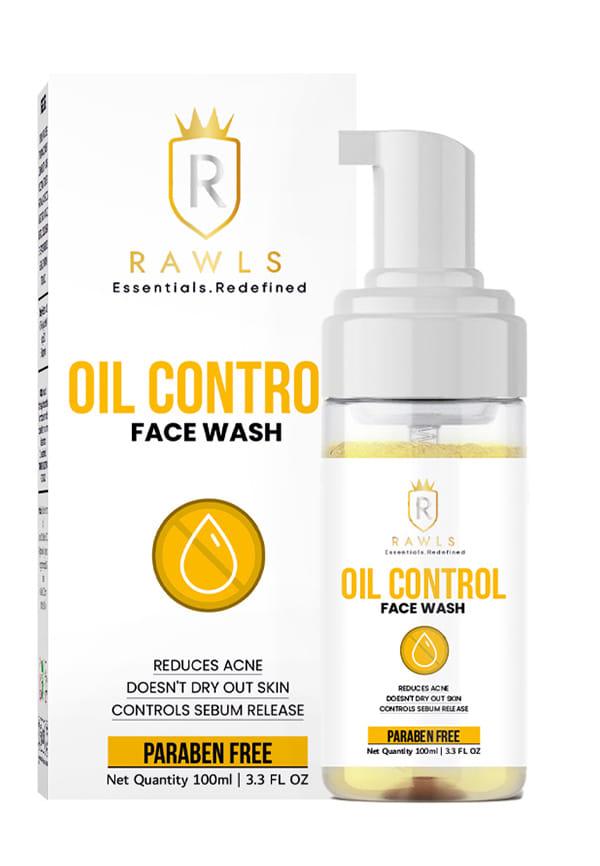
Oil and Sebum Control Face Wash
You wake up, look in the mirror, and there it is again — that telltale shine across your T-zone that seems to appear no matter what you did the night before. If you're wondering what causes oily skin and why your face feels like it's producing enough oil to fuel a small engine, you're not alone. Understanding the root causes of excessive sebum production is the first step toward finding a skincare routine that actually works for your skin type.
Before diving into what triggers that unwanted shine, let's talk about what's actually happening beneath the surface. Sebum is your skin's natural oil, produced by tiny glands called sebaceous glands that sit alongside your hair follicles. This oil isn't inherently bad — it's designed to protect your skin barrier, keep moisture locked in, and maintain healthy skin function.
The trouble starts when these glands go into overdrive. Normal sebum production keeps your skin supple and protected, but excessive oil production can lead to clogged pores, breakouts, and that persistent greasy feeling that no amount of blotting seems to fix. Your sebaceous glands are particularly concentrated in your T-zone (forehead, nose, and chin), which explains why these areas tend to get the oiliest.
It's worth noting that oily skin isn't the same as dehydrated skin. You can have skin that produces excess oil but still lacks water content underneath. This is why some people with oily skin find their complexion gets even greasier when they skip moisturiser — their skin is trying to compensate for the missing hydration by producing more oil.
The reasons behind oily skin are more complex than you might think. From genetics to lifestyle choices, multiple factors can influence how much oil your skin produces. Here are the main culprits behind that unwanted shine.
Real talk: if your parents dealt with oily skin, there's a good chance you will too. Genetic factors play a huge role in determining your skin type, including the size and activity level of your sebaceous glands. Some people are simply born with more active oil-producing glands, and there's not much you can do to change your genetic blueprint.
However, having oily skin genes doesn't mean you're doomed to a lifetime of shine. Understanding your genetic predisposition helps you choose the right products and treatments to manage oil production effectively.
Hormones are often the biggest players in the oily skin game. Androgens (male hormones present in both men and women) directly stimulate sebaceous glands to produce more oil. This is why teenagers going through puberty often struggle with oily skin and hormonal acne — their hormone levels are fluctuating dramatically.
For women, hormonal fluctuations during menstrual cycles, pregnancy, or conditions like PCOS can trigger increased oil production. Many women notice their skin gets oilier in the week leading up to their period, thanks to rising progesterone levels.
Hot, humid weather can send your sebaceous glands into overdrive. When temperatures rise, your skin produces more oil as part of its natural cooling mechanism. This is why many people notice their skin gets significantly oilier during summer months or when travelling to tropical climates.
Air pollution also plays a role in skin health. Environmental toxins can irritate your skin and disrupt its natural balance, potentially leading to increased oil production as your skin tries to protect itself.
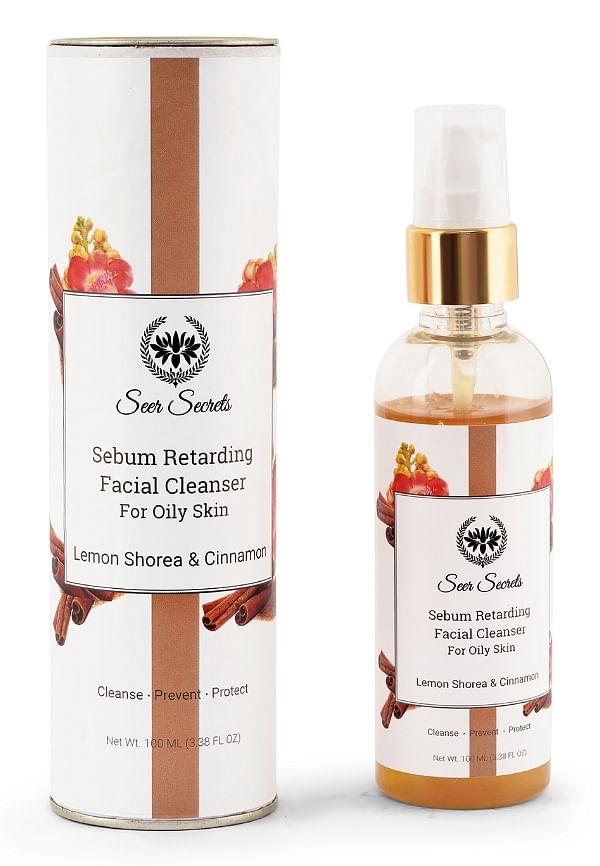
Lemon Shorea Cinnamon Sebum Retarding Facial Cleanser- For Oily Skin
Ironically, many people with oily skin make their condition worse by trying too hard to control it. Over-washing your face or using harsh, alcohol-based products strips away your skin's natural oils, causing your sebaceous glands to work overtime to replace what's been lost.
Skipping moisturiser is another common mistake. When your skin lacks hydration, it compensates by producing more oil. Using heavy, comedogenic products can also clog pores and create an environment where oil gets trapped, leading to breakouts and large pores.
While both men and women can struggle with oily skin, there are some gender-specific factors worth understanding. These differences can help explain why your skincare routine might need to be tailored differently than your partner's or friends'.
Women's skin is heavily influenced by the monthly dance of oestrogen and progesterone. During the first half of the menstrual cycle, oestrogen keeps oil production relatively controlled. But as progesterone rises in the second half, sebaceous glands become more active, leading to increased oiliness and potential breakouts.
Birth control pills can either help or hinder oily skin, depending on their formulation. Pills with anti-androgenic properties often improve oily skin, while others might make it worse. Pregnancy brings its own set of hormonal changes that can dramatically alter skin behaviour, sometimes for the better, sometimes not.
Men naturally have higher levels of testosterone, which directly stimulates oil production. This is why men's skin tends to be oilier overall and why male skincare products are often formulated to address excess oil and larger pores.
Daily shaving can also contribute to skin irritation and potentially increased oil production as the skin tries to heal and protect itself from razor damage.
Your daily habits and lifestyle choices can significantly impact your skin's oil production. Understanding these connections helps you make informed decisions about managing your skin health holistically.
What you eat can directly affect your skin. High-glycemic foods like white bread, sugary snacks, and processed foods cause insulin spikes that can trigger increased oil production. Dairy consumption has also been linked to increased sebum production in some people, possibly due to the hormones naturally present in milk products.
On the flip side, omega-3 fatty acids from fish, nuts, and seeds can help regulate oil production and reduce inflammation. A diet rich in antioxidants and low in processed foods generally supports healthier skin function.

No Sebum Mineral Powder | For instant matte finish, controls excess sebum
Chronic stress elevates cortisol levels, which can stimulate oil production and worsen existing skin conditions. Poor sleep quality compounds this effect, as your skin does most of its repair work while you sleep. When you're consistently sleep-deprived, your skin's natural balance gets disrupted.
Finding healthy ways to manage stress — whether through exercise, meditation, or hobbies you enjoy — can have a positive impact on your skin's oil production.
Now that we understand what causes oily skin, let's explore effective ways to manage it. The key is finding the right balance between controlling excess oil without stripping your skin completely.
Dermatologists have several tools in their arsenal for managing oily skin. Chemical peels containing salicylic acid or glycolic acid can help regulate oil production and improve skin texture. Prescription retinoids like tretinoin are particularly effective for both controlling oil and preventing acne.
Professional treatments like HydraFacials or regular extractions can help keep pores clear and reduce the appearance of enlarged pores that often accompany oily skin.
Clay masks are excellent for absorbing excess oil without over-drying your skin. Look for masks containing bentonite or kaolin clay, and use them 1-2 times per week. Niacinamide is a superstar ingredient for oily skin — it helps regulate sebum production, minimises the appearance of pores, and reduces inflammation.
Salicylic acid is another game-changer for oily skin. This beta-hydroxy acid penetrates into pores to clear out oil and dead skin cells, helping prevent breakouts and improve overall skin texture.
Creating a routine that manages oil without causing irritation requires the right products and techniques. Your morning and evening routines should work together to maintain your skin's balance throughout the day.
Start with a gentle cleanser that removes overnight oil buildup without stripping your skin. Follow with a lightweight, oil-free moisturiser — yes, even oily skin needs hydration. Finish with a broad-spectrum SPF that won't clog pores or add unwanted shine.
If you wear makeup, choose non-comedogenic formulas and consider using a mattifying primer to help control oil throughout the day.
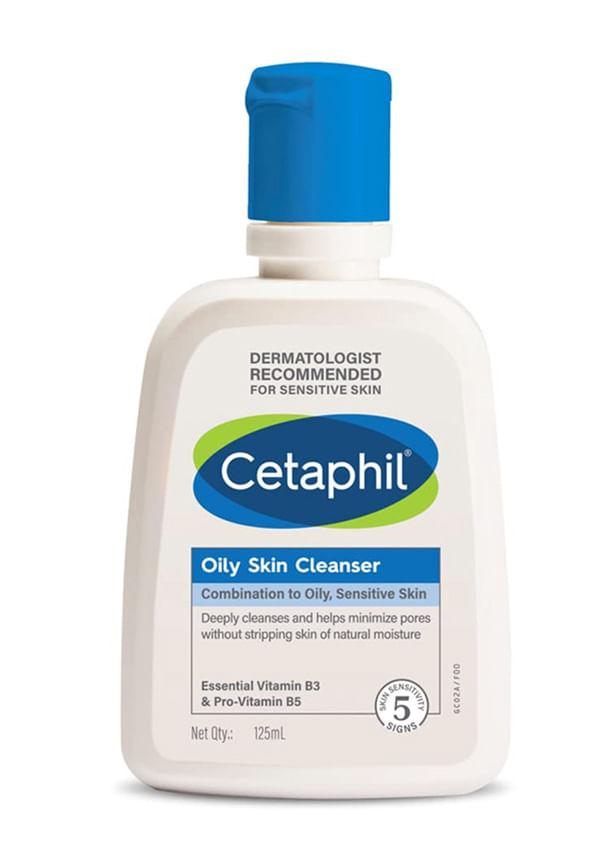
Oily Skin Cleanser
Double cleansing can be particularly beneficial for oily skin, especially if you wear makeup or sunscreen. Start with an oil-based cleanser (yes, oil can be good for oily skin!) followed by your regular gentle cleanser.
This is when you can incorporate active ingredients like retinoids, salicylic acid, or niacinamide. Start slowly with these ingredients and always follow the instructions to avoid irritation.
Immediate strategies include using blotting papers to absorb excess oil without disturbing your makeup, carrying a mattifying powder for touch-ups, and ensuring your morning skincare routine includes oil-controlling ingredients like niacinamide. Long-term management involves consistent use of appropriate cleansers, moisturisers, and treatments that regulate sebum production.
While you can't completely change your genetic predisposition to oily skin, you can significantly improve it with the right routine and treatments. Many people find their skin becomes less oily with age as hormone levels stabilise and sebaceous gland activity naturally decreases. Consistent skincare and professional treatments can help you achieve a more balanced complexion.
Oily skin does have some advantages. The natural oils help protect your skin barrier and can actually slow down signs of ageing. People with oily skin often develop fewer fine lines and wrinkles compared to those with dry skin. The key is finding the right balance — enough oil to protect your skin, but not so much that it causes problems.
Your forehead is part of the T-zone, which has the highest concentration of sebaceous glands on your face. Hair products can also contribute to forehead oiliness, as ingredients can migrate from your hairline onto your skin. Consider using a gentle clarifying shampoo and keeping hair products away from your forehead area.
Over-washing can actually make oily skin worse by stripping away natural oils and triggering increased production. Stick to cleansing twice daily with a gentle, appropriate cleanser. If you need to refresh during the day, use blotting papers or a gentle toner instead of washing again.
Understanding what causes oily skin is the first step toward managing it effectively. Whether your oily skin stems from genetics, hormones, environmental factors, or lifestyle choices, there are proven strategies to help you achieve a more balanced complexion. Remember that managing oily skin is about finding the right balance, not eliminating all oil production.
The most effective approach combines gentle but consistent skincare with ingredients that regulate sebum production, like niacinamide and salicylic acid. Professional treatments can provide additional support when needed, and lifestyle factors like diet and stress management play important supporting roles.
If you're curious about trying new products to manage your oily skin, Smytten's curated selection includes trusted brands with proven ingredients for oil control. With over 28 million users discovering products through trial-sized options, you can explore what works for your skin before committing to full-size purchases. After all, finding the right routine for your skin shouldn't involve guesswork — it should be about discovering what truly works for you.
