What Causes Acne Breakouts? Your FAQ Answered

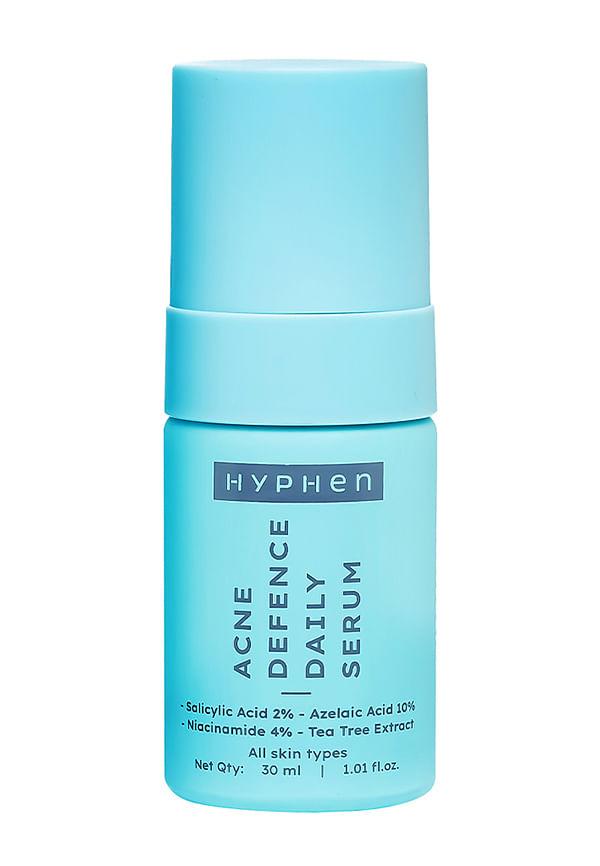
Acne Defence Daily Serum with 2% Salicylic Acid for Active Acne & Breakouts
Works for sensitive skin
 5
5“it really works my sensitive skin”
Works for sensitive skin
5“it really works my sensitive skin”
Good for Oily Skin
5“nice product it's good for oily skin”
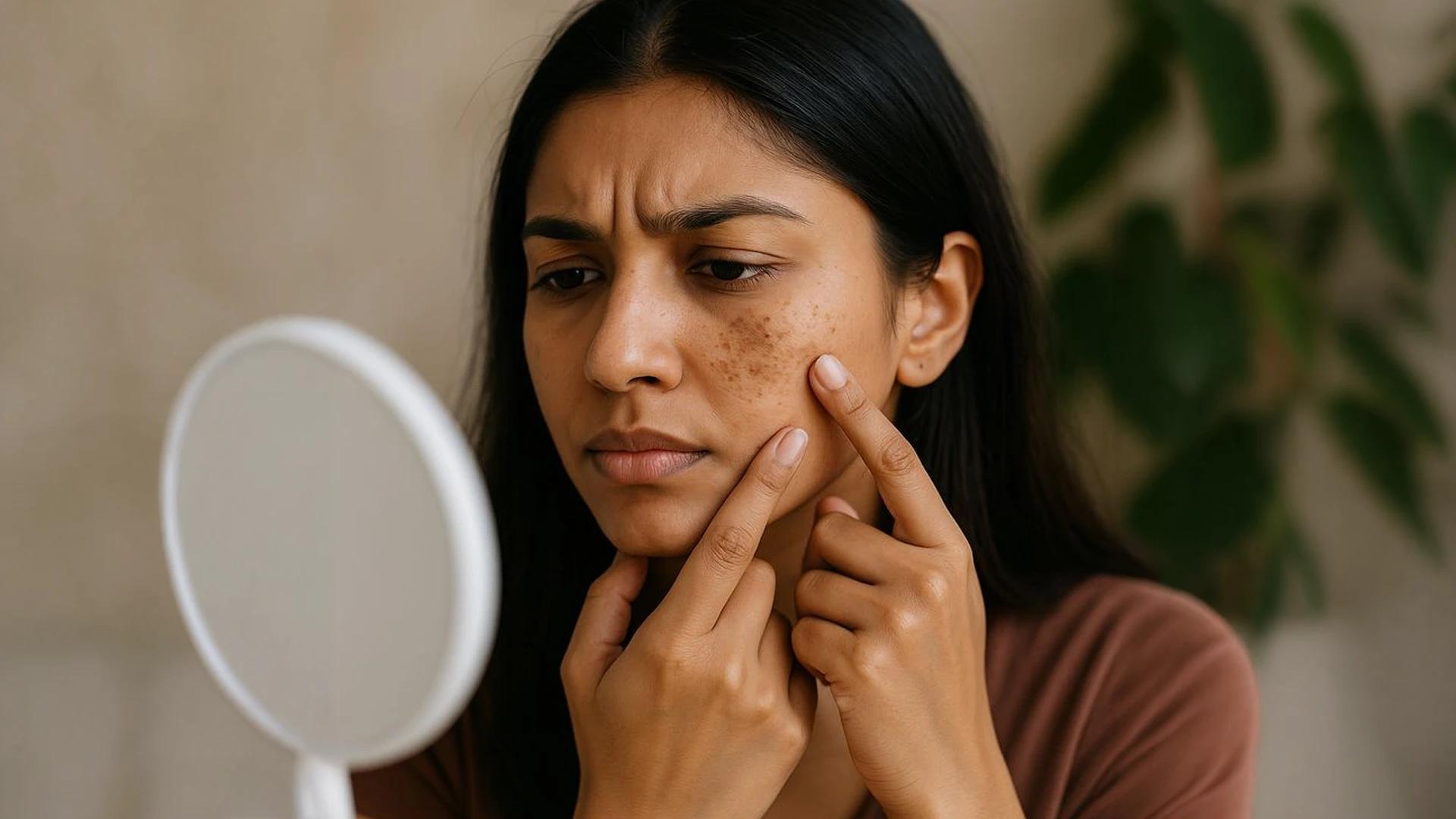
You've been following your skincare routine religiously, yet those stubborn breakouts keep appearing. One day your skin looks clear, the next you're dealing with a fresh crop of pimples. Sound familiar? Understanding what causes acne breakouts is the first step towards clearer skin. From hormonal shifts to that new face cream you've been trying, multiple factors could be triggering your skin breakouts. Let's dive into the real science behind those frustrating spots and help you identify your personal acne triggers.
Before we explore the various acne causes, it's worth understanding exactly how a pimple forms. Think of your pores as tiny tunnels that house hair follicles and sebaceous glands. When everything's working smoothly, these glands produce just enough oil (sebum) to keep your skin moisturised and protected.
The trouble starts when four key factors come together: excess oil production, pore clogging from dead skin cells, bacteria multiplication, and acne inflammation. Your sebaceous glands begin producing more oil than your skin needs, often triggered by hormones or external factors. Meanwhile, dead skin cells that should naturally shed get sticky and clump together, creating a plug in your pore.
This creates the perfect environment for Cutibacterium acnes bacteria to thrive. These bacteria feed on the trapped oil and multiply rapidly, leading to the red, inflamed bumps we recognise as pimples. Your immune system responds to this bacterial party by sending white blood cells to the area, which causes the swelling, redness, and sometimes pus that characterises different types of acne.
Interestingly, not everyone's skin responds the same way to these triggers. Some people can eat dairy and chocolate without a single spot, whilst others notice breakouts within days. This variation comes down to genetics, hormone sensitivity, and individual skin barrier function.
Hormonal acne is perhaps the most common culprit behind persistent breakouts, affecting people well beyond their teenage years. The main troublemaker here is a group of hormones called androgens, particularly testosterone and its more potent cousin, dihydrotestosterone (DHT).
These hormones signal your sebaceous glands to ramp up oil production, creating the perfect storm for pore clogging. During puberty, androgen levels surge, which explains why teenage acne is so prevalent. But hormones don't settle down after adolescence – they continue fluctuating throughout our lives.
Many women notice their skin follows a predictable pattern tied to their menstrual cycle. In the week before your period, progesterone levels rise whilst oestrogen drops. This hormonal shift can trigger increased oil production and inflammation, leading to those frustrating pre-period breakouts along the jawline and chin.
Adult hormonal acne often presents differently from teenage spots. It typically appears as deeper, more painful cysts along the lower face, particularly the jawline, chin, and neck area. Women in their twenties and thirties may experience this type of acne for the first time, often linked to stress, dietary changes, or hormonal contraceptive adjustments.
Stress hormones, particularly cortisol, also play a significant role in what triggers acne. When you're stressed, your body produces more cortisol, which can stimulate oil production and worsen existing inflammation. This explains why breakouts often coincide with exam periods, work deadlines, or major life changes.
Beyond hormones, numerous lifestyle and environmental factors contribute to what causes acne breakouts. These external triggers often work in combination with your genetic predisposition and hormonal state to create the perfect conditions for spots.
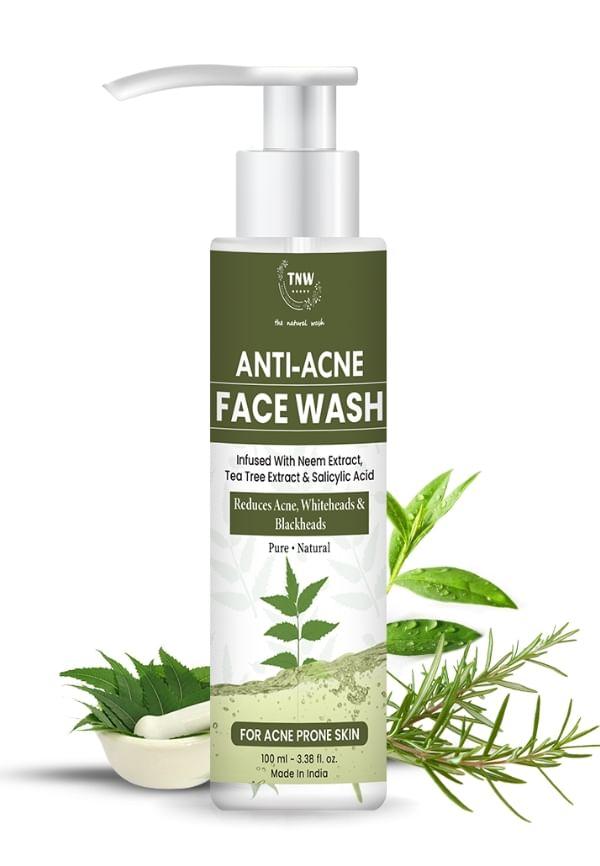
Anti-Acne Face Wash For Acne & Blemishes
Effective, long-term use
5“I have been using this for 1 year now it's really good and it works”
Effective Face Cleanser
4“Good product for face cleansing”
Great Product
5“good results awesome product recommended”
The relationship between diet and acne has been debated for decades, but recent research suggests certain foods may indeed influence breakout patterns. High-glycemic foods – think white bread, sugary snacks, and processed cereals – can cause rapid spikes in blood sugar and insulin levels. This insulin surge may trigger increased androgen production, leading to more oil and inflammation.
Dairy products have also come under scrutiny as potential acne triggers. Some studies suggest that hormones naturally present in milk, combined with proteins that may stimulate insulin-like growth factor, could contribute to breakouts in sensitive individuals. However, this doesn't affect everyone – some people can enjoy dairy without any skin issues.
Your environment plays a bigger role in skin breakouts than you might realise. High humidity and excessive sweating can create conditions where bacteria thrive, particularly if sweat isn't cleansed away promptly. This is why many people notice more breakouts during summer months or after intense workouts.
Mechanical irritation is another common cause of what triggers acne. Anything that repeatedly rubs against your skin – face masks, mobile phones, helmet straps, or even resting your chin in your hands – can irritate pores and lead to localised breakouts. This type of acne, called acne mechanica, often appears in predictable patterns based on the source of friction.
Sometimes the very products meant to improve your skin can become causes of pimples. This happens more often than you'd think, especially when products contain comedogenic ingredients that are prone to pore clogging.
Heavy moisturisers, certain oils, and makeup products containing ingredients like coconut oil, cocoa butter, or isopropyl myristate can block pores in acne-prone skin. Even products labelled as "non-comedogenic" can cause issues for some people, as skin sensitivity varies greatly between individuals.
Paradoxically, being too aggressive with your skincare routine can worsen acne. Over-cleansing strips your skin's natural protective barrier, causing it to produce even more oil to compensate. This rebound effect often leads to more breakouts, not fewer.
Using multiple active ingredients simultaneously – like combining retinoids with strong acids – can irritate your skin and trigger inflammatory breakouts. Your skin needs time to adjust to new products, and introducing everything at once often backfires.
Hair products containing heavy oils, silicones, or styling polymers can migrate onto your forehead and hairline, causing what's often called "pomade acne." If you notice breakouts primarily along your hairline or forehead, consider whether your shampoo, conditioner, or styling products might be the culprit.
Not all acne is created equal, and understanding the different types of acne can help you identify specific triggers and choose appropriate treatments. Each type has distinct characteristics and often different underlying causes.
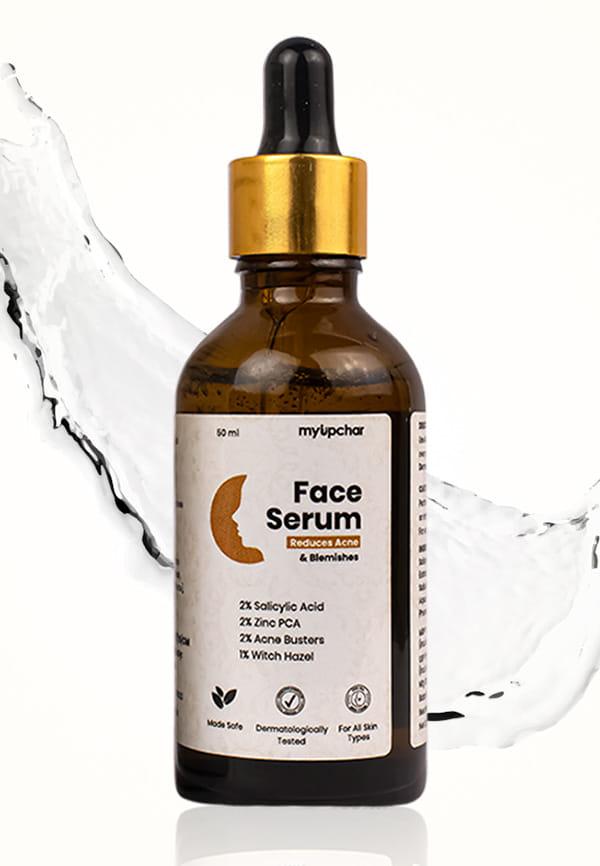
2% Salicylic Acid + Zinc PCA Anti Acne Face Serum | To Reduces Blemishes, Dark spots & Bumpy Texture
Blackheads and whiteheads represent the mildest forms of acne. Blackheads occur when pores remain open but become clogged with oil and dead skin cells. The dark appearance comes from oxidation, not dirt. Whiteheads form when the pore opening closes over the clog, creating small, flesh-coloured bumps.
When bacteria multiply within clogged pores, you get inflammatory acne. Papules are small, red, tender bumps without visible pus. Pustules are similar but contain white or yellow pus at the centre. Cysts are the most severe form – large, painful, pus-filled lumps deep within the skin that often lead to scarring.
Where your acne appears can provide clues about its causes. Forehead breakouts often relate to hair products, hats, or touching your face. Chin and jawline acne typically indicates hormonal influences. Cheek acne might be linked to mobile phone contact, pillowcases, or makeup brushes that aren't cleaned regularly.
Sometimes people ask, "Why am I getting pimples all of a sudden?" when they've never had significant acne before. Several medical and genetic factors can trigger unexpected breakouts, even in adults who previously had clear skin.
Genetics play a significant role in acne susceptibility. If your parents had acne, you're more likely to experience it too. This genetic predisposition affects how your skin responds to hormones, how much oil your glands produce, and how easily your pores become clogged.
Certain medications can trigger or worsen acne as a side effect. Corticosteroids, lithium, some antiepileptic drugs, and even protein supplements containing whey can contribute to breakouts. If you've started new medication and noticed increased acne, discuss this with your healthcare provider.
Conditions like polycystic ovary syndrome (PCOS) can cause hormonal imbalances leading to persistent adult acne. Thyroid disorders, insulin resistance, and other endocrine issues may also manifest as skin problems. If your acne is sudden, severe, or accompanied by other symptoms like irregular periods or unusual hair growth, consider consulting a healthcare professional.
The primary acne causes include hormonal fluctuations (particularly androgens), excess oil production, pore clogging from dead skin cells, bacterial overgrowth, and inflammation. External factors like diet, stress, skincare products, and environmental conditions can trigger or worsen these underlying processes.
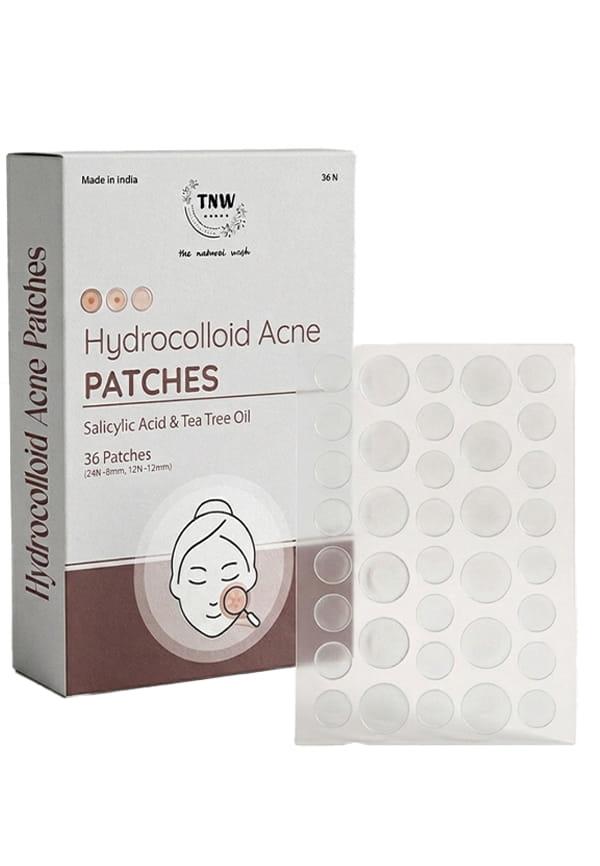
Pimple Patches
Nice, Works Properly & Sweat Proof
5“nice ..does work properly..... sweat proof”
Nice, Works Properly & Sweat Proof
5“nice ..does work properly..... sweat proof”
Nice, Works Properly & Sweat Proof
5“nice ..does work properly..... sweat proof”
Sudden breakouts can result from hormonal changes, new skincare or makeup products, dietary shifts, increased stress levels, medication side effects, or underlying health conditions. Sometimes even seasonal changes or travel can disrupt your skin's balance and trigger unexpected skin breakouts.
High-glycemic foods like white bread, sugary snacks, and processed foods may worsen acne by spiking insulin levels. Dairy products are also potential triggers for some people. However, diet and acne connections vary greatly between individuals – what affects one person may not affect another.
Hormonal acne occurs when androgens like testosterone stimulate sebaceous glands to produce excess oil. This increased oil production, combined with dead skin cells, creates ideal conditions for bacterial growth and acne inflammation. Hormonal fluctuations during puberty, menstrual cycles, pregnancy, and stress can all trigger this process.
Yes, stress can definitely contribute to what triggers acne. When you're stressed, your body produces more cortisol, which can increase oil production and inflammation. Stress also tends to worsen existing skin conditions and may lead to habits like touching your face more frequently.
Recurring breakouts in specific areas often indicate localised triggers. For example, chin and jawline acne typically relates to hormonal fluctuations, whilst forehead breakouts might be caused by hair products or frequent touching. Some pores may also be more prone to clogging due to their size or oil gland activity.
Teenage acne is primarily driven by puberty-related hormone surges affecting the entire face. Adult acne tends to be more localised (often around the jawline and chin), influenced by factors like stress, hormonal contraceptives, skincare products, and lifestyle factors rather than just natural hormone fluctuations.
Keep an acne diary tracking your breakouts alongside potential triggers like new products, dietary changes, stress levels, and menstrual cycle. Note patterns over several months. Consider eliminating suspected triggers one at a time to see if your skin improves. Professional patch testing can also help identify specific ingredient sensitivities.
Understanding what causes acne breakouts is crucial for developing an effective prevention strategy. Remember that acne is rarely caused by a single factor – it's usually a combination of genetics, hormones, lifestyle choices, and environmental influences working together.
The key to clearer skin lies in identifying your personal triggers and addressing them systematically. This might mean adjusting your skincare routine, managing stress levels, making dietary modifications, or seeking professional help for hormonal imbalances. Be patient with the process – skin changes take time, and what works for others might not work for you.
If you're struggling with persistent or severe acne, don't hesitate to consult a dermatologist. They can help identify underlying causes and recommend targeted treatments based on your specific types of acne and triggers.
For those looking to experiment with new skincare products safely, platforms like Smytten offer an excellent way to test products before committing to full sizes. With over 28 million users discovering products through trial minis, you can explore different brands and formulations to find what works best for your skin without the risk of investing in products that might trigger breakouts. After all, when it comes to managing acne-prone skin, finding the right products is often a journey of careful experimentation.
