What are Sunscreen Types? A Guide to Broad Spectrum Protection


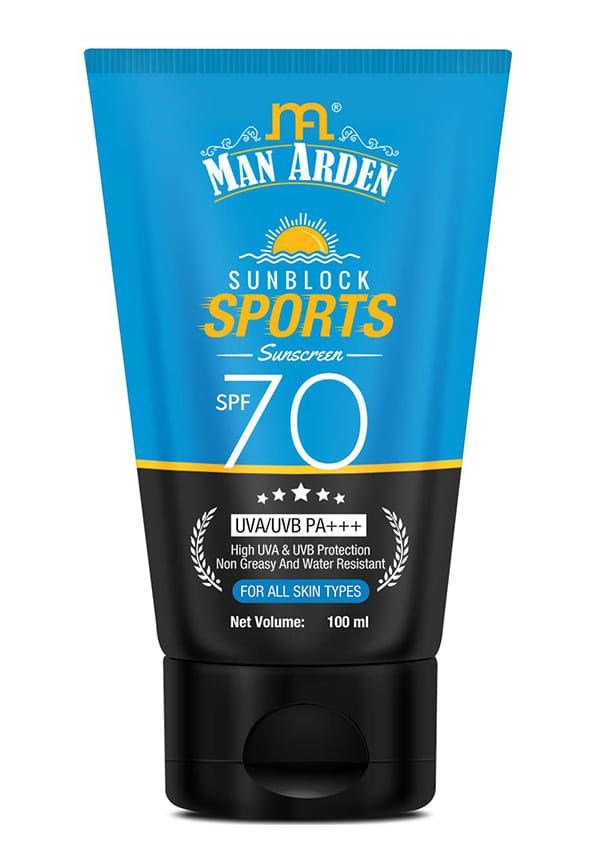
Sun Block Sports Sunscreen SPF 70, For All Skin Types, UVA/UVB PA+++
You've probably stood in the sunscreen aisle feeling completely overwhelmed by the endless options. Mineral, chemical, SPF 30, SPF 50, broad spectrum – the choices seem endless. And then there's that nagging question: which one actually works best for your skin? If you've ever wondered what are sunscreen types and how to choose the right protection, you're not alone. Understanding the different formulations can transform your sun protection game from guesswork into a confident, informed choice.
When it comes to sunscreen types, the beauty world essentially offers three main categories: mineral, chemical, and hybrid formulations. Each works differently to protect your skin from harmful UV rays, and understanding these differences helps you make the right choice for your lifestyle and skin concerns.
Mineral sunscreen works like a protective shield on your skin's surface. The key ingredients – zinc oxide and titanium dioxide – create a physical barrier that reflects UV rays away from your skin. Think of it as tiny mirrors deflecting sunlight rather than absorbing it.
The biggest advantage? Immediate protection. Unlike chemical formulations, mineral sunscreens start working the moment you apply them. This makes them brilliant for sensitive skin, children, and anyone dealing with rosacea or reactive skin conditions. The gentle nature of these ingredients means less chance of irritation or allergic reactions.
However, mineral sunscreens do come with some drawbacks. The white cast – that chalky appearance some formulations leave behind – can be particularly noticeable on deeper skin tones. The texture tends to be thicker and can feel heavier on the skin, though modern formulations have significantly improved in this area.
Chemical sunscreen takes a different approach. Ingredients like avobenzone, octisalate, and octocrylene absorb UV rays and convert them into heat, which is then released from your skin. This process happens at a molecular level, making these sunscreens virtually invisible once applied.
The cosmetic elegance of chemical sunscreens makes them popular for daily wear. They blend seamlessly into skin, work well under makeup, and often feel lighter than their mineral counterparts. For oily or acne-prone skin, chemical formulations frequently offer better texture and finish.
The main consideration with chemical sunscreens is the 20-minute activation time. You need to apply them before sun exposure to allow the ingredients to properly bind with your skin. Some people also experience sensitivity to certain chemical filters, particularly if they have reactive skin.
Hybrid sunscreens combine mineral and chemical filters to maximise protection whilst improving wearability. These formulations often reduce the white cast associated with purely mineral options whilst maintaining the gentle nature that sensitive skin appreciates. Many high-performance sunscreens use this approach to achieve superior broad spectrum protection.
Beyond the active ingredients, sunscreen formulations vary significantly in texture and application method. Each type serves different needs and preferences, making your choice about more than just UV protection.
Cream sunscreens offer the most moisturising benefits, making them ideal for dry or mature skin. The thicker consistency provides longer-lasting protection and often includes additional skincare ingredients like hyaluronic acid or ceramides. For sunscreen for face application, creams work particularly well during cooler months or in air-conditioned environments where skin needs extra hydration.
Gel formulations absorb quickly without leaving residue, making them perfect for oily or acne-prone skin. The lightweight feel doesn't clog pores, and many gel sunscreens offer mattifying properties that help control shine throughout the day. These work brilliantly for post-gym application when your skin needs protection without heaviness.
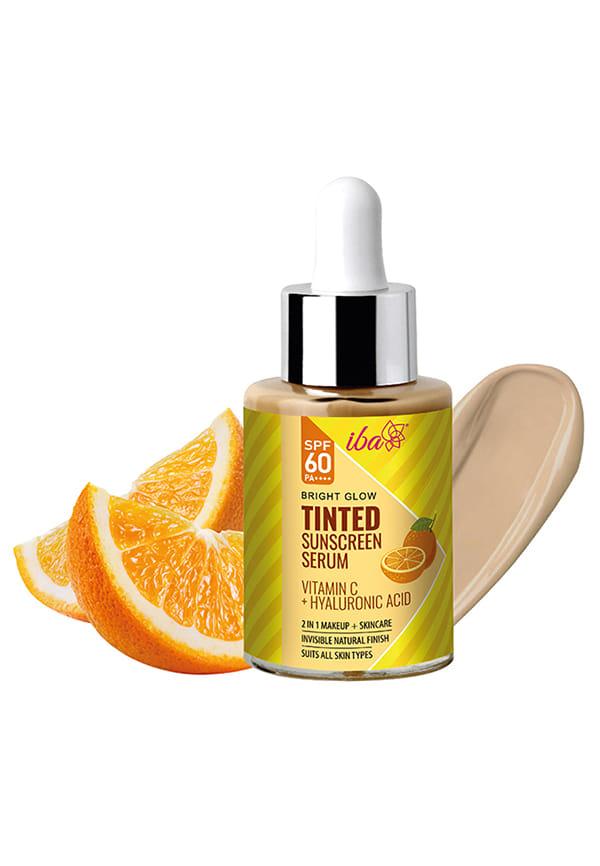
Bright Glow Tinted Sunscreen Serum for All Skin Types SPF 60 PA++++
Spray sunscreens excel at convenience, particularly for body coverage and reapplication over makeup. However, proper technique matters – you need to spray generously and rub in thoroughly to ensure even coverage. They're brilliant for quick touch-ups during outdoor activities.
Sunscreen sticks offer precise application for areas like under-eyes, lips, and nose. They're travel-friendly and perfect for reapplication without disturbing makeup. The concentrated formula often provides excellent protection for high-exposure areas.
Tinted sunscreens contain iron oxides that provide additional protection against visible light and blue light from screens. The tint helps counteract any white cast whilst offering light coverage similar to a BB cream. This makes them excellent for streamlined morning routines.
Decoding sunscreen SPF ratings helps you choose appropriate protection levels for your lifestyle and sun exposure needs.
SPF 30 blocks approximately 97% of UVB rays, whilst SPF 50 blocks about 98%. The difference seems small, but for extended outdoor exposure or very fair skin, that extra percentage matters. However, protection doesn't increase dramatically beyond SPF 50 – SPF 100 only blocks about 99% of UVB rays.
Broad spectrum sunscreen protects against both UVA and UVB rays. UVB rays cause burning and contribute to skin cancer, whilst UVA rays penetrate deeper, causing premature ageing and also contributing to cancer risk. Comprehensive protection requires defence against both types of radiation.
The PA rating system, common in Asian skincare, specifically measures UVA protection. PA++++ offers the highest level of UVA defence. This rating system provides more detailed information about anti-ageing protection than SPF alone.
Water-resistant sunscreens maintain their protection level for either 40 or 80 minutes during swimming or sweating. However, reapplication remains crucial after towelling off or extended water exposure. No sunscreen is truly waterproof.
Your skin type significantly influences which sunscreen ingredients and formulations work best for your daily routine.
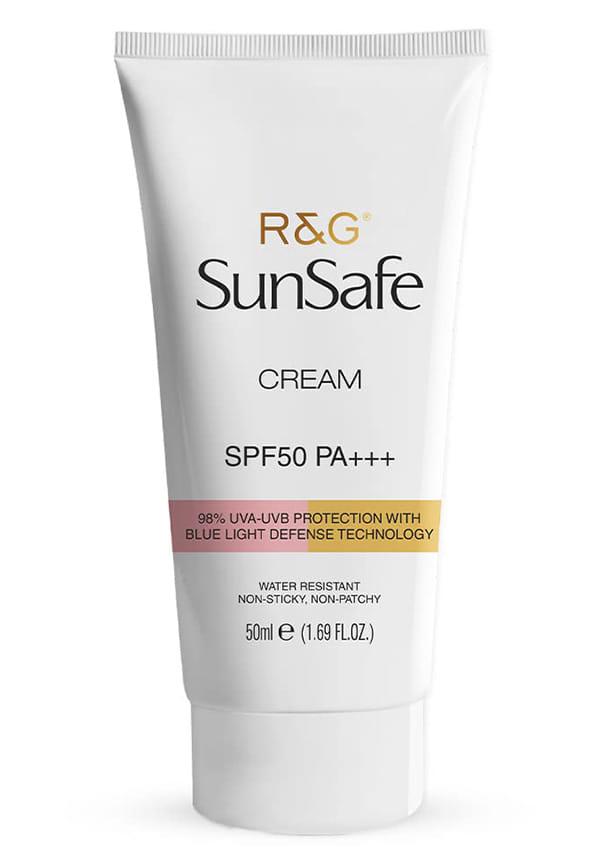
SunSafe SPF 50 Sunscreen For Women & Men | Broad Spectrum PA+++
Sunscreen for sensitive skin typically benefits from mineral formulations with zinc oxide or titanium dioxide. Look for fragrance-free, hypoallergenic options that avoid common irritants like alcohol or strong chemical filters. Brands often label these products as dermatologist-recommended or suitable for sensitive skin.
Facial skin requires more careful consideration than body skin. Sunscreen for face should be non-comedogenic to avoid clogging pores, lightweight enough for daily wear, and compatible with your makeup routine. Many facial sunscreens include additional skincare benefits like antioxidants or hydrating ingredients.
Oily skin benefits from oil-free, gel-based formulations that won't exacerbate shine or breakouts. Look for non-comedogenic labels and ingredients like niacinamide that can help control oil production whilst providing sun protection. Mattifying sunscreens often contain silicones that create a smooth, shine-free base.
Dry skin appreciates cream formulations with moisturising ingredients like hyaluronic acid, glycerin, or ceramides. These multi-benefit products streamline your routine by combining hydration with sun protection. During winter months, these richer formulations prevent the tight, uncomfortable feeling some sunscreens can cause.
Understanding sunscreen ingredients empowers you to make informed choices based on your skin's needs and environmental considerations.
Zinc oxide provides the broadest spectrum protection of any single ingredient, defending against UVA, UVB, and even some visible light. Titanium dioxide primarily protects against UVB rays but works synergistically with zinc oxide for comprehensive coverage. Modern formulations often use micronised particles to reduce white cast whilst maintaining effectiveness.
Newer chemical filters like avobenzone (when stabilised), homosalate, and octisalate offer effective protection with improved safety profiles compared to older formulations. Many brands now combine multiple chemical filters to create stable, effective formulations that resist breaking down in sunlight.
Some chemical filters like oxybenzone and octinoxate have raised concerns about hormone disruption and environmental impact, particularly coral reef damage. Many brands now offer reef-safe alternatives that provide excellent protection without these controversial ingredients.
Even the best sunscreen fails without proper sunscreen application technique and timing.
Most people apply far too little sunscreen. For your face and neck, you need about 1/4 teaspoon of product. For your entire body, use approximately one shot glass worth of sunscreen. This might seem like a lot, but proper coverage requires generous application.
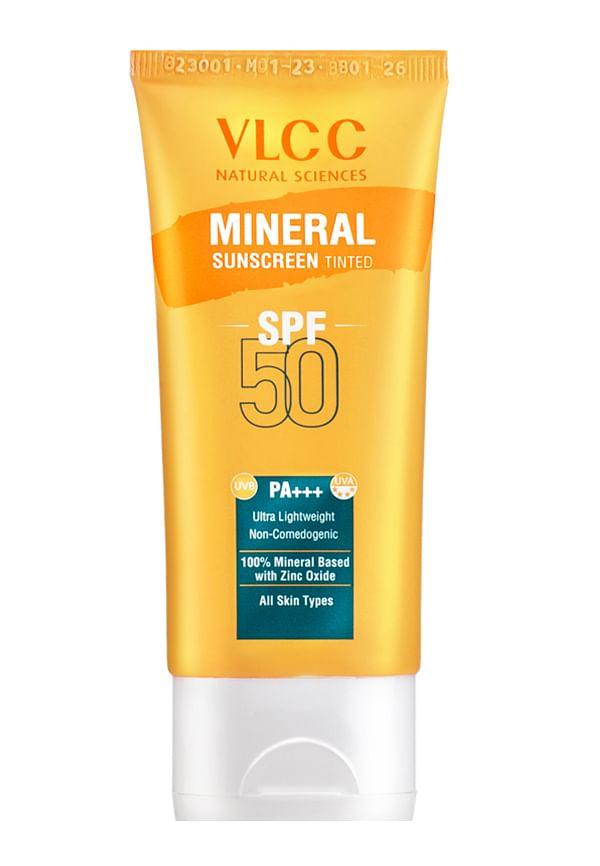
Mineral Sunscreen Tinted SPF 50 PA+++ Ultra Lightweight Non-Comedogenic
Apply sunscreen 15-30 minutes before sun exposure to allow proper binding with your skin. Reapplication every two hours remains crucial, regardless of SPF level. After swimming, sweating, or towelling off, reapply immediately for continued protection.
Apply sunscreen in dots across your face, then blend outward in gentle, upward strokes. Don't forget often-missed areas like ears, neck, and the tops of feet. When using mineral sunscreens, take time to blend thoroughly to minimise white cast.
The best sunscreen depends on your skin type and lifestyle. Mineral sunscreens work well for sensitive skin and provide immediate protection, whilst chemical sunscreens offer better cosmetic elegance for daily wear. For most people, any broad spectrum SPF 30 or higher that you'll use consistently provides excellent protection.
The three main types of sunscreen are mineral (physical), chemical, and hybrid formulations. Mineral sunscreens use zinc oxide or titanium dioxide to reflect UV rays, chemical sunscreens absorb and convert UV radiation to heat, and hybrid formulations combine both approaches for optimal protection and wearability.
Your daily sunscreen might differ from your beach or sports sunscreen. For everyday wear, prioritise comfort and cosmetic elegance. For outdoor activities, choose water-resistant formulations with higher SPF levels and more frequent reapplication.
Body sunscreens often contain ingredients that might clog facial pores or feel too heavy for delicate facial skin. Sunscreen for face formulations are specifically designed to be non-comedogenic and comfortable for daily wear under makeup.
Effective sunscreen prevents burning, tanning, and premature ageing. Check expiration dates regularly – sunscreen typically lasts three years unopened but degrades faster once opened. Store sunscreen in cool, dry places to maintain effectiveness.
Understanding what are sunscreen types transforms sun protection from a confusing chore into an informed skincare choice. Whether you prefer the gentle reliability of mineral formulations, the elegant feel of chemical sunscreens, or the balanced approach of hybrid options, the key lies in finding a product you'll use consistently.
Your skin deserves protection that fits seamlessly into your lifestyle. Consider your skin type, daily activities, and personal preferences when choosing between cream, gel, spray, or tinted formulations. Remember that the best sunscreen is the one you'll apply generously and reapply regularly.
The sunscreen benefits extend far beyond preventing sunburn – consistent use helps prevent premature ageing, hyperpigmentation, and skin cancer. With over 28 million users discovering their perfect products, Smytten's curated selection includes trusted sunscreen brands that cater to every skin type and preference. If you're curious about trying different formulations before committing to full-size products, exploring minis can help you find your ideal sun protection match without the guesswork.
