What Are Collagen Boosters? Your FAQ Answered


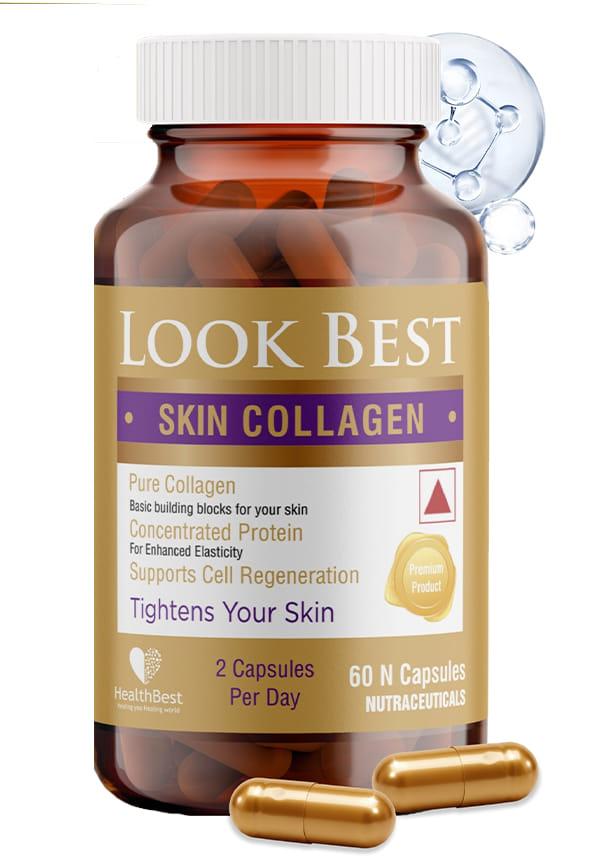
Skin Collagen Supplement for Women & Men - Enhances Skin Tightening, Boosts Elasticity & Firmness
You've probably noticed your skin feeling less bouncy lately, or maybe those fine lines around your eyes seem more pronounced than they used to be. If you're wondering whether there's something you can do to help your skin maintain that youthful firmness, you're not alone. The conversation around collagen boosters has exploded recently, and for good reason. These aren't just another skincare trend—they're science-backed approaches to supporting your skin's natural structure from the inside out and outside in.
Collagen boosters are substances, foods, or treatments that help stimulate your body's natural collagen production rather than simply adding collagen from external sources. Think of them as the cheerleaders for your skin's own collagen-making factory. Unlike direct collagen supplements that provide ready-made collagen, boosters work by giving your skin the tools and environment it needs to create more collagen on its own.
Here's the reality check: after age 25, your skin collagen production naturally decreases by about 1% each year. By the time you reach 35, you've lost roughly 25% of your natural collagen stores. This decline shows up as reduced skin elasticity, fine lines, and that general loss of plumpness that makes skin look youthful.
Collagen boosters come in three main forms: topical treatments that you apply directly to your skin, dietary approaches through collagen boosting foods and supplements, and lifestyle changes that support your body's natural collagen synthesis. Each approach works differently, but they all share the same goal—helping your skin maintain its structural integrity and bounce.
The magic happens at the cellular level. When you use collagen boosters, you're essentially providing your fibroblasts—the cells responsible for collagen production—with the nutrients and signals they need to work more efficiently. These boosters supply amino acids like glycine, proline, and hydroxyproline, which are the building blocks your body uses to construct new collagen fibres.
What's particularly clever about this approach is that it works with your body's natural processes rather than against them. Instead of hoping that externally applied collagen will somehow integrate into your skin structure, boosters stimulate your own collagen synthesis pathways. This means the collagen your body produces is perfectly suited to your skin's specific needs.
The timeline for seeing results varies depending on the method you choose. Topical anti-aging skincare products with collagen-boosting ingredients like vitamin C or retinol typically show initial improvements within 4-6 weeks. Dietary changes and supplements usually require 8-12 weeks for noticeable changes in skin elasticity and firmness.
Your kitchen might already contain some of the most effective collagen boosters available. The key is understanding which foods provide the specific nutrients your body needs for optimal collagen production.
Protein-rich sources top the list because they provide essential amino acids. Bone broth leads the pack—it's essentially liquid collagen that your body can easily break down and use. Fish, particularly salmon and sardines, offer both collagen and omega-3 fatty acids that support skin health. Chicken skin might not be the most glamorous option, but it's incredibly rich in natural collagen.
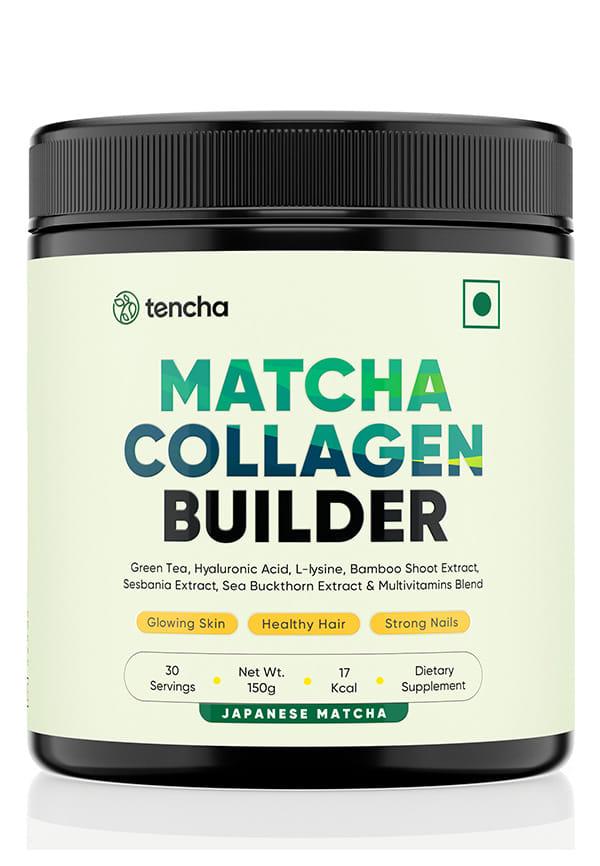
Collagen Builder + Shaker, 30 Servings
Vitamin C is absolutely crucial for collagen synthesis—without it, your body simply cannot produce collagen effectively. Citrus fruits are obvious choices, but bell peppers actually contain more vitamin C than oranges. Berries, particularly strawberries and kiwi, pack a powerful vitamin C punch while providing antioxidants that protect existing collagen from damage.
If you follow a plant-based diet, focus on foods that provide the amino acids and cofactors needed for collagen synthesis. Legumes like lentils and chickpeas offer protein building blocks, while leafy greens provide vitamin C and other supportive nutrients. Nuts and seeds contribute zinc and copper, which are essential cofactors in the collagen production process.
Collagen supplements, particularly collagen peptides, have gained massive popularity, but how do they compare to natural methods? The research is actually quite promising for supplements, especially hydrolysed collagen, which has been broken down into smaller peptides for better absorption.
Studies suggest that taking 2.5-10 grams of collagen peptides daily can improve skin hydration and elasticity within 8-12 weeks. The bioavailability is surprisingly good—your body can absorb and utilise these peptides effectively, though not all of them will necessarily end up in your skin.
However, natural methods through diet and lifestyle offer broader benefits beyond just collagen support. When you eat collagen boosting foods, you're also getting vitamins, minerals, and antioxidants that support overall skin health. The cost difference is significant too—a month's supply of quality collagen supplements can cost ₹2,000-₹4,000, while incorporating collagen-supporting foods into your existing diet might add ₹500-₹1,000 to your monthly grocery bill.
Your skincare routine can be a powerful tool for stimulating collagen production. Topical vitamin C serums work by providing the raw material your skin needs for collagen synthesis, while also protecting existing collagen from free radical damage. Look for serums with L-ascorbic acid or magnesium ascorbyl phosphate for the most effective results.
Retinol remains the gold standard for topical collagen stimulation. It works by increasing cell turnover and directly stimulating fibroblasts to produce more collagen. Start slowly—twice a week initially—and always use SPF during the day, as retinol can increase sun sensitivity.

18% Brightening + 20% Collagen Face Serum| Brightening & Collagen Boost
Facial massage might seem too simple to be effective, but regular massage improves circulation and can help support the skin's natural repair processes. Spend 5-10 minutes each evening gently massaging your face with upward strokes, particularly around areas where you're concerned about skin elasticity.
Sun protection is perhaps the most important collagen-preserving step you can take. UV radiation breaks down existing collagen faster than your body can replace it, so daily SPF 30 or higher is non-negotiable for maintaining healthy skin collagen levels.
Your daily habits have a massive impact on your body's ability to produce and maintain collagen. Some lifestyle factors act as collagen destroyers, while others actively support the production process.
Sugar is one of the biggest collagen enemies through a process called glycation, where sugar molecules bind to collagen fibres and make them stiff and brittle. Smoking is equally damaging—it reduces blood flow to the skin and introduces toxins that directly damage collagen structures. Chronic stress elevates cortisol levels, which can interfere with collagen synthesis and accelerate breakdown.
On the positive side, regular exercise improves circulation and can help support collagen production by ensuring your skin cells receive adequate nutrients and oxygen. Adequate sleep is crucial too—most cellular repair, including collagen synthesis, happens during deep sleep phases.
Hydration plays a supporting role in collagen function. While drinking water won't directly increase collagen production, proper hydration helps maintain skin plumpness and supports the transport of nutrients needed for collagen synthesis.
Collagen boosters work by stimulating your body's natural ability to produce collagen rather than simply adding external collagen. They improve skin elasticity and firmness by providing the nutrients, amino acids, and cellular signals needed for enhanced collagen synthesis. Beyond skin benefits, they may also support joint health and overall tissue repair processes throughout your body.
Bone broth leads the list of collagen boosting foods, containing easily absorbed collagen that your body can break down and utilise. Fish skin, chicken skin, and organ meats also provide direct collagen sources. However, remember that foods rich in vitamin C, amino acids, and minerals that support collagen synthesis—like citrus fruits, leafy greens, and nuts—are equally important for maintaining healthy collagen production.
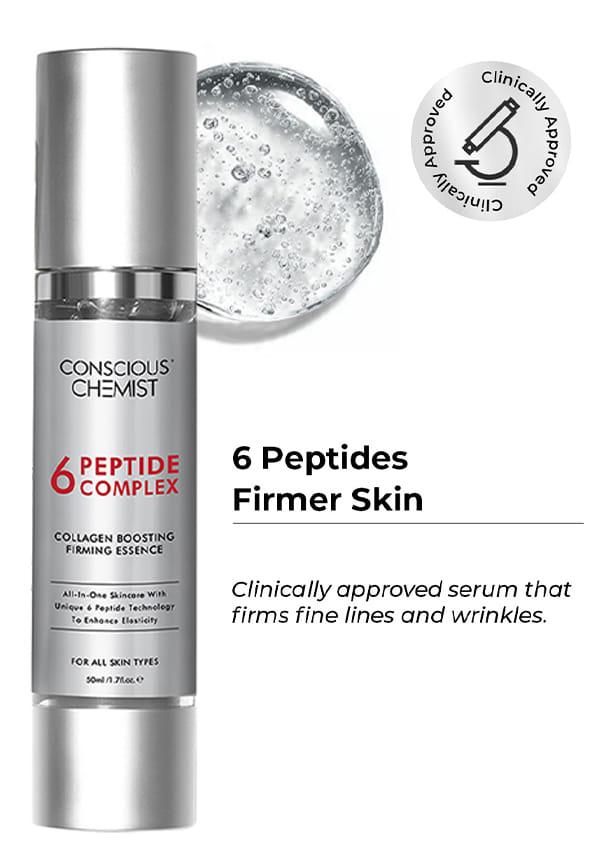
6 Peptide Complex Collagen Boosting & Firming Essence
Natural collagen restoration involves a multi-pronged approach. Topically, use vitamin C serums and retinol products to stimulate skin collagen production. Include collagen boosting foods in your diet, particularly those rich in vitamin C, amino acids, and antioxidants. Protect existing collagen with daily SPF, stay hydrated, get adequate sleep, and consider facial massage to improve circulation and support skin health.
Individual responses to collagen boosters vary based on age, genetics, lifestyle factors, and overall health. Younger people typically see faster results because their baseline collagen production is higher. Those with significant sun damage or lifestyle factors that damage collagen may need longer to see improvements. Most people notice some benefits within 8-12 weeks of consistent use, but realistic expectations are important.
Timeline varies by method: topical treatments like vitamin C and retinol typically show initial improvements in 4-6 weeks, dietary changes and collagen supplements usually require 8-12 weeks for noticeable changes in skin elasticity, and lifestyle modifications may take 3-6 months for significant improvements. Consistency is key—sporadic use won't deliver the same results as daily commitment to collagen-supporting practices.
Natural collagen boosters through food are generally safe for most people. Collagen supplements may cause mild digestive upset in some individuals, and topical products like retinol can cause initial irritation. Always patch test new skincare products and consult healthcare providers if you have specific health conditions or concerns about supplement interactions.
Understanding what are collagen boosters empowers you to make informed decisions about supporting your skin's natural structure and maintaining that healthy glow. The most effective approach combines multiple strategies—nourishing your body with collagen boosting foods, using targeted skincare products, and maintaining lifestyle habits that support rather than damage your natural collagen production.
Remember that consistency trumps perfection. You don't need to overhaul your entire routine overnight. Start with one or two changes—perhaps adding a vitamin C serum to your morning routine and incorporating more collagen-supporting foods into your diet—and build from there.
If you're curious about trying new anti-aging skincare products but hesitant to commit to full sizes, platforms like Smytten let you explore minis from trusted brands before investing in larger products. With over 28 million users discovering products through trial sizes, it's become a smart way to test what works for your unique skin needs without the financial commitment.
