Weakened Skin Barrier FAQ: Symptoms & Solutions


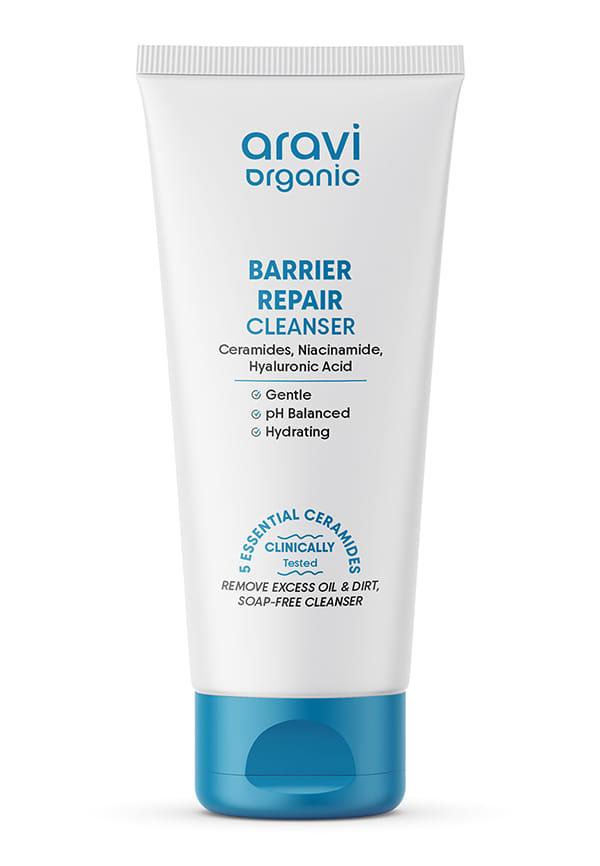
Hydrating Barrier Repair Face Wash - With Ceramide & Niacinamide
Ever wondered why your skin feels tight, looks dull, and reacts to products that once worked perfectly? You might be dealing with a weakened skin barrier—one of the most common yet misunderstood skincare concerns. Your skin barrier is like a protective wall that keeps moisture in and irritants out, but when it's compromised, everything from pollution to your favourite serum can trigger irritation. The good news? A damaged skin barrier isn't permanent, and with the right approach, you can restore its health and get back to glowing, comfortable skin. Whether you're dealing with post-breakout sensitivity, over-exfoliation aftermath, or just general skin dysfunction, understanding the signs and solutions is your first step towards recovery. At Smytten, we've seen countless users discover gentle, barrier-repairing products through our trial packs, helping them rebuild their skin's natural defences without the guesswork of full-size commitments.
A compromised skin barrier shows up as persistent dryness, increased sensitivity, frequent breakouts, and reactions to previously tolerated products
Common causes include over-exfoliation, harsh cleansing, environmental damage, and using too many active ingredients at once
Repair involves stopping harmful practices, using gentle cleansers, focusing on moisture restoration with ceramides and hyaluronic acid, and gradually reintroducing products
Recovery typically takes 2-6 weeks with consistent care, and nutrition plays a supporting role through omega-3s and antioxidant-rich foods
Prevention is key—listen to your skin, introduce new products slowly, and maintain a simple routine during stressful periods
Your skin barrier, scientifically known as the stratum corneum, is the outermost layer of your skin that acts as your body's first line of defence. Think of it as a brick wall where skin cells are the bricks and lipids (fats) are the mortar holding everything together. This protective barrier keeps water in and harmful substances out, maintaining your skin's hydration and protecting against environmental aggressors.
When functioning properly, your skin barrier maintains optimal moisture levels, prevents irritants from penetrating deeper skin layers, and supports the skin's natural pH balance. A healthy barrier feels smooth, looks plump, and can tolerate your regular skincare routine without issue. However, when this barrier becomes compromised or damaged, its protective function weakens significantly.
A damaged skin barrier loses its ability to retain moisture effectively, leading to increased water loss and allowing irritants to penetrate more easily. This creates a cycle where the skin becomes increasingly sensitive, dry, and reactive. Understanding this foundation helps explain why barrier-damaged skin requires a completely different approach than other skin concerns.
Recognising the symptoms of a compromised skin barrier is crucial for addressing the issue before it worsens. These signs often develop gradually and can be mistaken for other skin conditions, which is why many people continue using harsh treatments that further damage their barrier.
One of the most obvious signs is skin that feels constantly dry, no matter how much moisturiser you apply. This dry, flaky skin barrier struggles to retain moisture, leading to visible flaking, rough patches, and a tight feeling that doesn't improve with regular hydration. The dryness often feels different from typical seasonal dryness—it's more persistent and doesn't respond well to your usual moisturising routine.
A sensitive skin barrier reacts to products, ingredients, or environmental factors that previously caused no issues. You might notice stinging, burning, or redness when applying skincare products, even gentle ones. This irritated skin barrier makes everyday activities like washing your face or applying sunscreen uncomfortable, and you may find yourself avoiding products altogether.
Paradoxically, a damaged barrier can lead to more breakouts as bacteria and irritants penetrate the compromised skin more easily. These breakouts often appear alongside other barrier damage symptoms and may be accompanied by general inflammation, redness, or a feeling that your skin is constantly "angry."
Healthy skin feels smooth and supple, but barrier-damaged skin often develops a rough, bumpy texture. This happens because the skin cells aren't shedding properly and the lipid matrix is disrupted, creating an uneven surface that feels coarse to the touch.
Understanding what causes barrier damage helps prevent future issues and explains why certain skincare approaches backfire. Many common skincare practices, when overdone or done incorrectly, can compromise your skin's protective function.
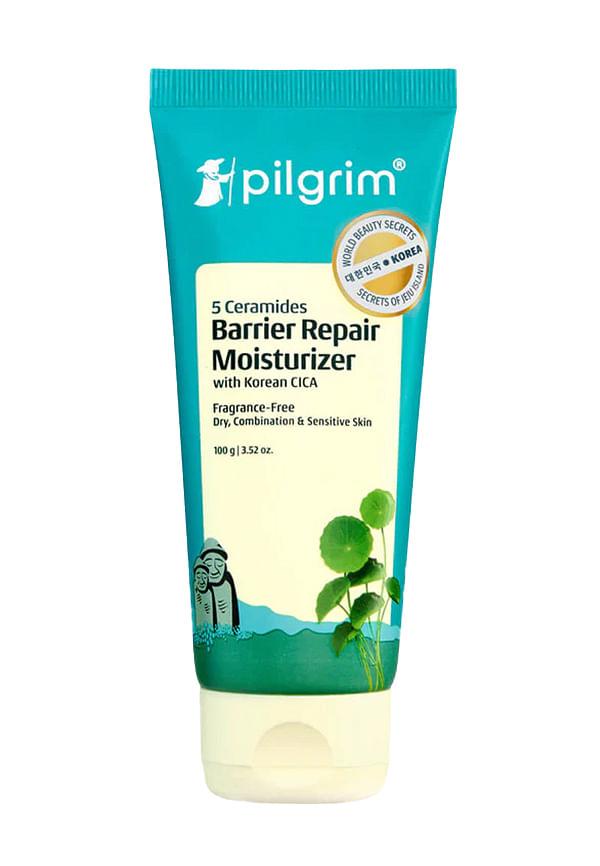
5 Ceramides Barrier Repair Moisturizer with Korean CICA Lightweight & Non-Sticky
Hydrating with Good Smell
 5
5“hydrating moisturizer and good smell”
Hydrating with Good Smell
5“hydrating moisturizer and good smell”
Hydrating with Good Smell
5“hydrating moisturizer and good smell”
An overexfoliated skin barrier is perhaps the most common cause of damage in skincare enthusiasts. Using multiple acids (AHAs, BHAs, retinoids) simultaneously, exfoliating too frequently, or using concentrations that are too strong strips away the protective lipid layer faster than it can regenerate. Physical scrubs can also cause micro-tears that weaken the barrier structure.
Cleansers with high pH levels, sulfates, or alcohol can strip the skin's natural oils and disrupt its pH balance. Similarly, hot water dissolves the skin's natural lipids, leaving the barrier vulnerable. This is why your skin might feel tight and dry after a hot shower, especially in winter.
Pollution, UV radiation, extreme weather conditions, and air conditioning all stress the skin barrier. UV damage breaks down collagen and elastin while pollution creates free radicals that damage skin cells. Indoor heating and AC create low-humidity environments that pull moisture from your skin.
Chronic stress increases cortisol levels, which can impair the skin's ability to repair itself and maintain proper barrier function. Poor sleep, inadequate nutrition, and dehydration also compromise your skin's natural repair processes.
Repairing a damaged skin barrier requires patience and a strategic approach. The key is to stop further damage while supporting your skin's natural healing processes. This skin barrier healing journey typically takes 2-6 weeks, depending on the severity of damage.
The first step in damaged skin barrier repair is eliminating anything that might be causing ongoing damage. This means temporarily stopping all active ingredients like retinoids, AHAs, BHAs, and vitamin C. Put away physical scrubs, harsh cleansers, and any products that sting or burn. This pause allows your skin to begin its natural repair process without interference.
Switch to a gentle, soap-free cleanser with a pH close to your skin's natural level (around 5.5). Use lukewarm water instead of hot, and pat your skin dry rather than rubbing. Consider cleansing only once daily if your skin is severely compromised, using just water in the morning.
Focus on products containing barrier-repairing ingredients like ceramides, cholesterol, and fatty acids. Layer a hydrating serum with hyaluronic acid under a rich moisturiser, and consider adding a facial oil or occlusive like petroleum jelly at night to prevent water loss. The goal is to mimic your skin's natural lipid composition while providing intense hydration.
Once your skin feels comfortable and stable (usually after 2-3 weeks), you can slowly reintroduce active ingredients. Start with the gentlest products first, using them only once or twice a week initially. Monitor your skin's response carefully and increase frequency gradually.
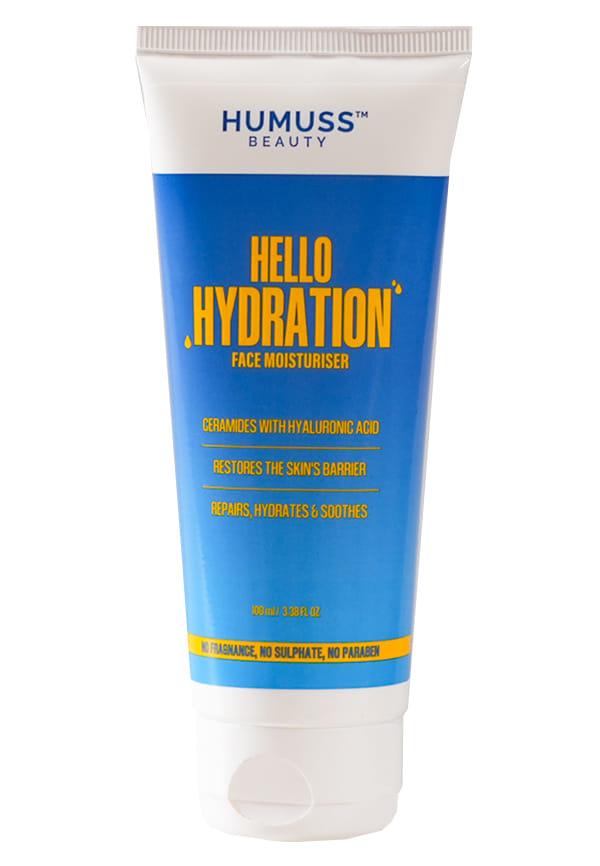
Hello Hydration' Barrier Repair Ceramides & Hyaluronic Acid Face Moisturiser
Choosing the right ingredients is crucial for effective barrier repair. These components work together to restore your skin's protective function and support long-term health.
Ceramides are lipids that naturally occur in your skin barrier and are essential for maintaining its structure. Products containing ceramides help restore the "mortar" between skin cells. Niacinamide supports ceramide production while reducing inflammation and regulating oil production. Cholesterol and fatty acids work alongside ceramides to rebuild the lipid matrix.
Hyaluronic acid draws moisture from the environment into your skin, while glycerin and sodium PCA help maintain hydration levels. These ingredients work best when sealed in with an occlusive moisturiser to prevent water loss.
Allantoin, panthenol (pro-vitamin B5), and colloidal oatmeal calm irritation and support the healing process. These gentle ingredients reduce redness and discomfort while your barrier repairs itself.
While most actives should be avoided during acute barrier damage, some can actually support the healing process when used correctly. The key is timing and concentration.
Vitamin C supports collagen synthesis and provides antioxidant protection, which can aid barrier repair. However, it should only be reintroduced once your skin has stabilised, starting with a low concentration (5-10%) and a gentle form like magnesium ascorbyl phosphate rather than L-ascorbic acid.
Niacinamide is often well-tolerated even during barrier repair and can actually speed healing by reducing inflammation and supporting ceramide production. Peptides support skin repair processes and are generally gentle enough for compromised skin. Retinol should be the last active reintroduced, starting with the lowest concentration and using only once weekly.
What you eat significantly impacts your skin's ability to repair and maintain its barrier function. Certain nutrients provide the building blocks your skin needs for optimal health.
Omega-3 fatty acids from sources like salmon, mackerel, flaxseeds, and walnuts help maintain the skin's lipid barrier and reduce inflammation. These healthy fats become part of your skin's structure, making the barrier more resilient and better able to retain moisture.
Berries, leafy greens, tomatoes, and colorful vegetables provide antioxidants that protect against free radical damage and support skin repair. Vitamin E from nuts and seeds works synergistically with vitamin C to protect and repair skin cells.
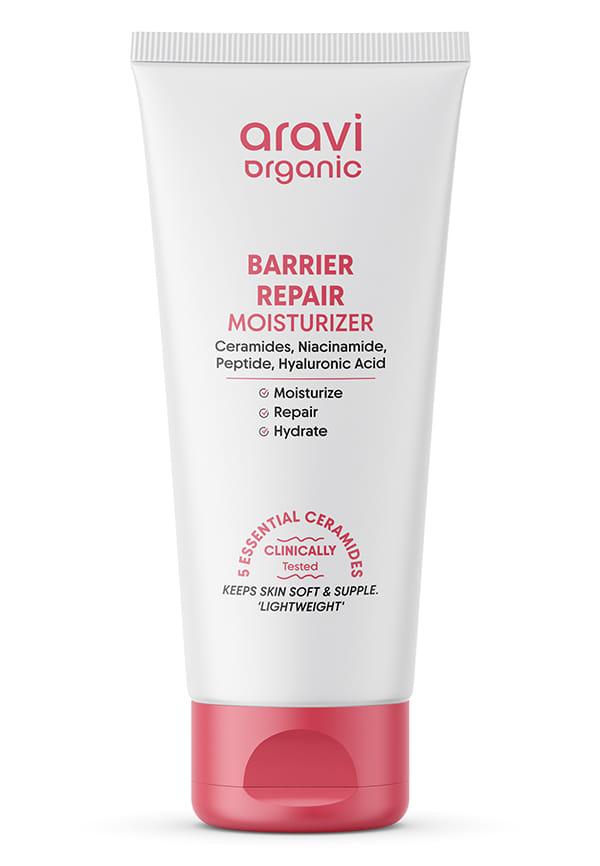
Advanced Barrier Repair Moisturizer With Ceramide & Hyaluronic Acid For Deep Hydration
Adequate protein from lean meats, fish, legumes, and quinoa provides amino acids necessary for skin repair. Proper hydration supports all cellular functions, including barrier maintenance, so aim for at least 8 glasses of water daily.
Most people see improvement within 2-3 weeks of consistent gentle care, but complete barrier repair typically takes 4-6 weeks. Severely damaged barriers may need 2-3 months to fully recover. The key is patience and consistency with your repair routine.
While severe damage can take months to repair, the skin barrier has remarkable regenerative capacity. Even heavily damaged barriers can recover with proper care, though the process may be slower for mature skin or those with underlying skin conditions.
Dehydrated skin lacks water but has an intact barrier, while barrier-damaged skin has structural damage that prevents proper moisture retention. Dehydrated skin responds quickly to hydrating products, while barrier damage requires specific repair ingredients and more time.
No, but you should simplify dramatically. Stick to a gentle cleanser, hydrating serum, and rich moisturiser. Avoid all actives, exfoliants, and anything that stings or burns. You can explore gentle, barrier-repairing products through Smytten's trial packs to find what works without committing to full sizes.
Signs of recovery include reduced sensitivity, improved moisture retention, smoother texture, and the ability to tolerate previously irritating products. Your skin should feel comfortable throughout the day and respond well to your regular skincare routine.
While rare, using overly heavy products or too many layers can sometimes clog pores or cause irritation in sensitive individuals. However, during barrier repair, it's generally better to err on the side of more moisture rather than less.
A weakened skin barrier is a common but treatable condition that requires a gentle, patient approach to repair. The most important step is recognising the signs early and stopping any practices that might be causing ongoing damage. Focus on simple, barrier-supporting ingredients like ceramides, hyaluronic acid, and niacinamide while avoiding all actives until your skin stabilises.
Remember that barrier repair is a process, not an overnight fix. Most people see significant improvement within 2-6 weeks of consistent care, but rushing the process by reintroducing actives too quickly can set you back. Support your skin's healing with proper nutrition, adequate hydration, and stress management for the best results.
Prevention is always easier than repair, so once your barrier is healthy, maintain it by introducing new products slowly, listening to your skin's signals, and keeping your routine simple during stressful periods or seasonal changes.
Rebuilding a compromised skin barrier requires the right products and approach, but finding what works for your unique skin doesn't have to involve expensive trial and error. Smytten is India's largest product discovery and trial platform, connecting consumers with top lifestyle, beauty, wellness, and grooming brands through curated trial packs. With mini-sized products from over 2,400 trusted brands such as Cetaphil, Dot & Key, WishCare, and Bella Vita, you can explore barrier-repairing formulations before committing to full-size purchases. Each mini is linked with Trial Points, and users can get up to 10 Trial Points for just ₹279, plus Smytten offers 100% cashback on the purchase of these minis, redeemable for future orders. This makes discovering gentle, effective barrier repair products both affordable and rewarding. With over 28 million users and 100% authentic, directly sourced products delivered across 90% pincode coverage, Smytten helps you make smarter, more confident skincare choices. After all, why settle for 'maybe' when you can try before you buy and #TryItAll!
