Waterproof Sunscreen for Swimming FAQ: Your Questions Answered

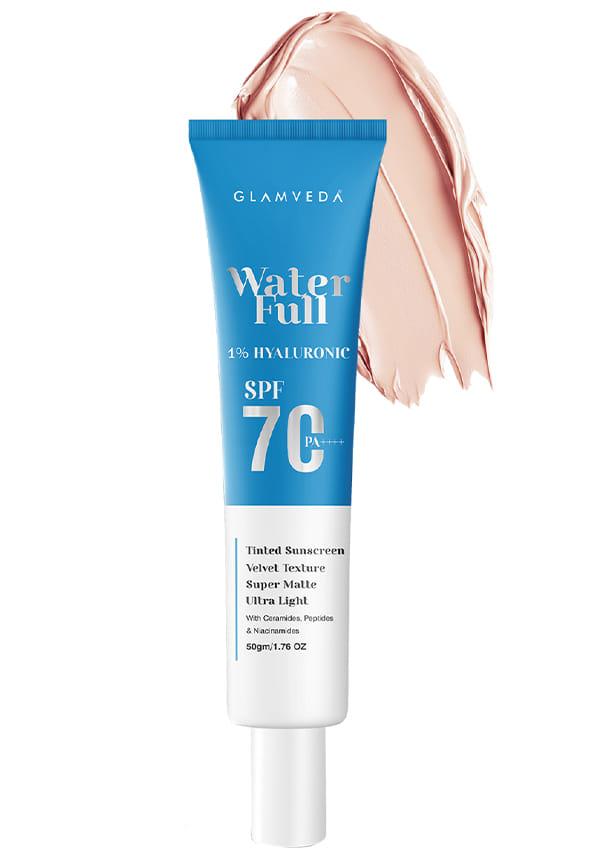
Water Full 1% Hyaluronic Sunscreen SPF 70 PA++++
Picture this: you're floating in the pool on a gorgeous summer afternoon, thinking the water is protecting you from the sun. Plot twist—it's actually amplifying UV exposure by up to 15%. Water acts like a mirror, bouncing harmful rays right back at your skin while you're blissfully unaware. Regular sunscreen? It's probably washing off faster than you can say "cannonball." This is where waterproof sunscreen for swimming becomes your skin's best friend, and honestly, it's a game-changer once you understand the science behind it. Whether you're training for your next triathlon or just enjoying weekend pool parties, the right sun protection can mean the difference between a healthy glow and a painful reminder of UV damage. At Smytten, we've seen countless swimmers discover their perfect waterproof formula through trial packs, because finding the right sunscreen shouldn't be a guessing game.
Water reflects UV rays, increasing sun exposure by 10-15% while swimming
Waterproof sunscreen needs 80-minute water resistance and SPF 50+ for proper protection
Mineral formulas work best for sensitive skin, while chemical sunscreens offer longer-lasting coverage
Proper application requires 1 ounce for full body coverage, applied 15-30 minutes before swimming
Reapplication every 80 minutes is essential, regardless of "waterproof" claims
Real talk: swimming without proper sun protection is like wearing a white shirt to a tomato fight. You're setting yourself up for trouble. The science is pretty clear—water surfaces reflect between 10-15% of UV radiation back at your skin, essentially giving you a double dose of sun exposure.
Here's what makes waterproof sunscreen different from your everyday SPF. Regular formulas are designed for normal daily activities, but they break down quickly when exposed to water, sweat, and the constant rubbing that comes with swimming. Water-resistant sunscreens contain special polymers and waxes that create a more durable barrier on your skin.
The FDA has specific standards for water resistance testing. Products labeled "water resistant" must maintain their SPF protection for either 40 or 80 minutes of water exposure. The 80-minute rating is what you want for serious swimming sessions. During testing, volunteers actually swim in pools while researchers measure how much protection remains on their skin.
Studies show that regular sunscreen can lose up to 85% of its effectiveness after just 20 minutes in chlorinated water. That's terrifying when you consider that competitive swimmers often train for hours. Even casual pool-goers typically spend 60-90 minutes in the water during a typical session.
Finding the best sunscreen for pool activities isn't just about grabbing the highest SPF number. You need a formula that's specifically engineered for aquatic environments and active lifestyles.
SPF 50+ with broad-spectrum protection is your minimum starting point. This blocks approximately 98% of UVB rays and provides comprehensive UVA protection. Anything lower simply won't cut it when you're dealing with reflected UV rays from water surfaces.
The 80-minute water resistance rating is the gold standard for serious swimmers. This means the sunscreen maintains its labeled SPF protection for 80 minutes of continuous water exposure under controlled testing conditions.
Lotions win hands down for swimming. They provide more even coverage and better adherence to wet skin. Sprays are convenient for reapplication over dry areas, but they're not reliable for initial water-sport protection.
Mineral sunscreens (zinc oxide and titanium dioxide) sit on top of skin and physically block UV rays. They're excellent for sensitive skin and start working immediately. Chemical sunscreens absorb into skin and convert UV rays to heat—they often last longer during intense water activities.
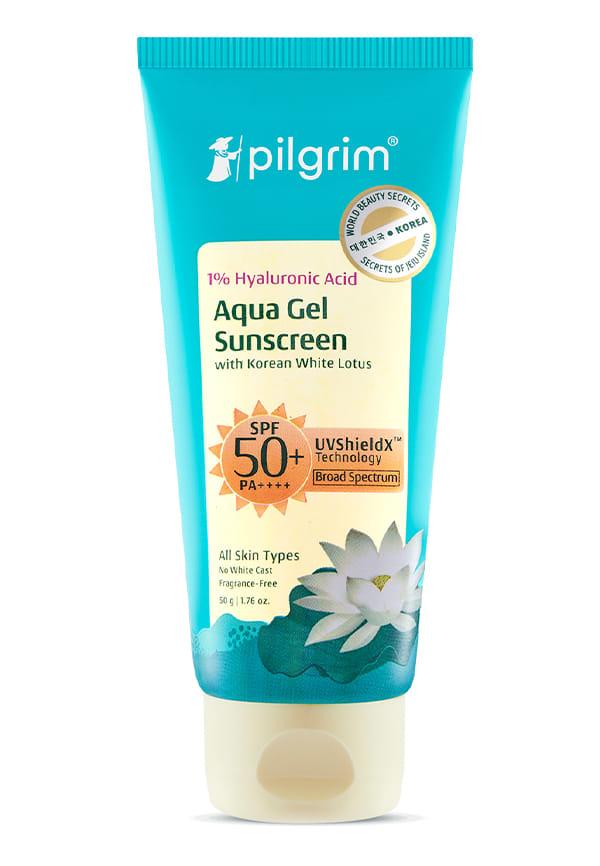
1% Hyaluronic Acid Aqua Sunscreen Gel SPF 50 PA++++
Great Fragrance, No White Cast
 5
5“awesome with very nice fragrance and no white cast”
Best Sunscreen Ever
4“best sunscreen i ever used go for it”
Hydrating Sunscreen
5“Very nice sunscreen keeps my skin hydrated.”
Not all swimming is created equal, and your sunscreen choice should match your specific aquatic adventures. Pool chemistry, saltwater exposure, and activity intensity all affect which formula will work best for your skin.
Chlorinated pools require sunscreens that can withstand chemical exposure without breaking down. Look for formulas specifically tested in chlorinated water—many brands now include this information on their packaging.
Reef-safe sunscreen for swimming is non-negotiable if you care about marine ecosystems. Avoid oxybenzone and octinoxate, which damage coral reefs. Mineral-based formulas with zinc oxide or titanium dioxide are your best bet.
Long-lasting sunscreen for beach training sessions needs maximum durability. Look for sport-specific formulas that resist both water and sweat. Many competitive swimmers swear by zinc-based sticks for areas that get the most sun exposure.
Children's skin is more sensitive and burns faster. Choose tear-free formulas that won't sting if they get in little eyes. Mineral sunscreens are generally gentler and less likely to cause reactions.
Even the best waterproof sunscreen won't protect you if it's applied incorrectly. Most people use about half the amount needed for proper protection, which can reduce effectiveness by up to 50%.
Timing is everything with sunscreen application. Apply your SPF for water activities 15-30 minutes before getting wet. This gives the formula time to bond with your skin and create a proper protective barrier.
You need approximately one ounce (about a shot glass full) of sunscreen to properly cover an adult's entire body. That's roughly a teaspoon for your face and neck alone.
Use zinc sticks around your eyes—they provide extra protection and won't run into your eyes when wet. Pay special attention to often-missed spots like ears, the back of your neck, and the tops of your feet.
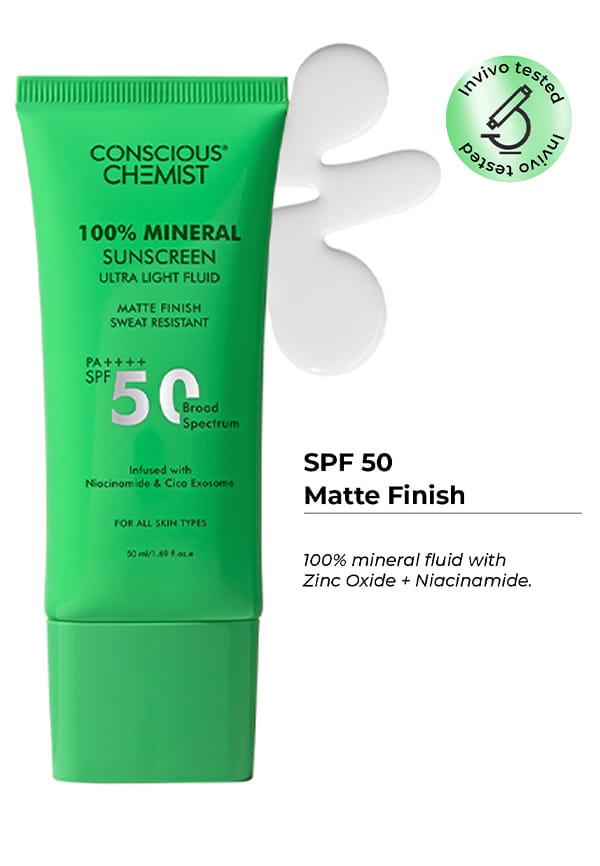
100% Mineral Sunscreen Ultra Light Fluid SPF 50 PA++++
Lightweight with Good Consistency
5“nice and lightweight no white cast no grizziness very good consistency”
Lightweight with Good Consistency
5“nice and lightweight no white cast no grizziness very good consistency”
Good Lightweight Sunscreen
4“good lightweight sunscreen despite having mineral filters”
Even 80-minute water-resistant formulas need reapplication every 80 minutes maximum. Set a timer if you're spending extended time in the water. Toweling off removes sunscreen, so reapply immediately after drying off.
Sensitive skin doesn't have to mean skipping water activities. The key is choosing formulas that protect without irritating, especially when you're dealing with chlorine, salt water, and extended sun exposure.
Mineral sunscreen for swimming is often the gentlest option for reactive skin. Zinc oxide and titanium dioxide are less likely to cause allergic reactions compared to chemical UV filters.
Nothing ruins a swim session faster than stinging, burning eyes from sunscreen runoff. Look for formulas specifically labeled as "tear-free" or "eye-safe." These are formulated to be less irritating if they accidentally get in your eyes.
Oily skin benefits from lightweight, non-comedogenic formulas that won't clog pores. Dry skin needs more moisturising ingredients to prevent the tight, uncomfortable feeling that can come with extended sun protection wear.
The best waterproof sunscreen for swimming offers SPF 50+ broad-spectrum protection with an 80-minute water resistance rating. Look for lotion formulations rather than sprays, as they provide more reliable coverage. Brands that specifically test their formulas in chlorinated water tend to perform better for pool swimming.
Water-resistant lotions outperform sprays for swimming activities. Physical (mineral) sunscreens with zinc oxide work immediately and are gentler on sensitive skin, while chemical sunscreens often provide longer-lasting protection during intense water sports. The choice depends on your skin type and swimming intensity.
Absolutely. Water reflects 10-15% of UV rays back at your skin, increasing exposure significantly. Regular sunscreen can lose up to 85% of its effectiveness after just 20 minutes in water. Waterproof formulas are specifically designed to maintain protection during aquatic activities.
Reapply every 80 minutes maximum, even with water-resistant formulas. This is based on FDA testing standards. In real-world conditions, you may need to reapply more frequently, especially after toweling off or if you're doing intense water sports that involve a lot of splashing.
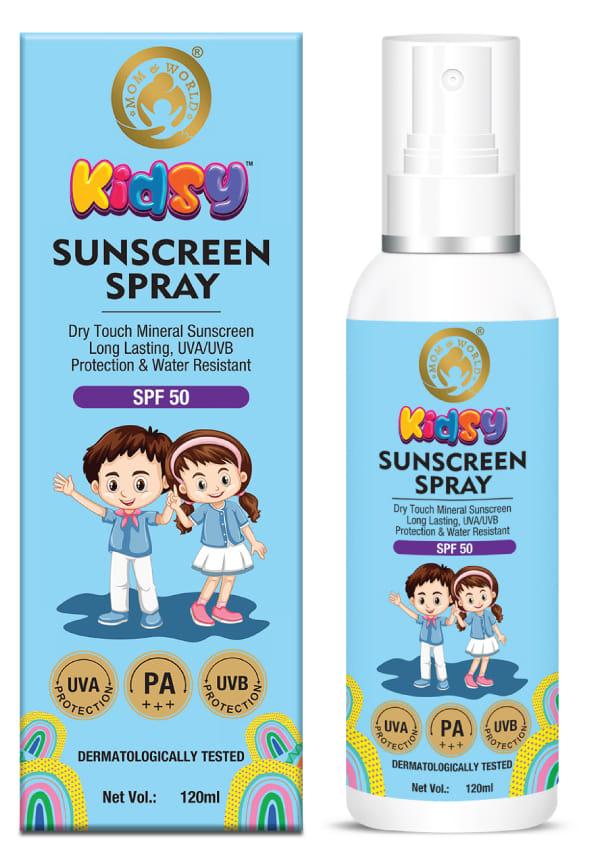
Mineral Based Kids Sunscreen Spray Spf 50, Uva/Uvb Pa+++
Positive Product Review
5“good product recommended for all to use”
Regular sunscreen isn't adequate for swimming. It washes off quickly in water and doesn't provide the durable protection needed for aquatic activities. You'll end up with patchy coverage and potential sunburn in areas where the sunscreen has worn away.
Mineral sunscreen for swimming is excellent, especially for sensitive skin. Zinc oxide and titanium dioxide provide immediate protection and are less likely to cause irritation. However, they may need more frequent reapplication compared to some chemical formulas during very intense water activities.
Smytten's trial packs let you test different waterproof sunscreen formulas before committing to full-size purchases. You can try various brands and formulations to find what works best for your skin type and swimming routine, all while earning 100% cashback on your trial purchases.
Selecting the right sunscreen for water activities involves balancing protection, comfort, and your specific swimming needs. Consider your typical swimming duration, skin sensitivity, and whether you'll be in chlorinated pools or natural water bodies.
Performance factors should be your top priority. Look for third-party testing certifications and read reviews from other swimmers. Water resistance duration, SPF level, and coverage quality matter more than fancy packaging or marketing claims.
Quality waterproof sunscreen doesn't have to break the bank. Calculate cost per application rather than just looking at bottle price. A slightly more expensive formula that lasts longer and requires less frequent reapplication often provides better value.
Summer swimming requires higher SPF and more frequent reapplication due to intense UV levels. Year-round swimmers can often use slightly lower SPF formulas during cooler months, but water reflection means you still need proper protection even on cloudy days.
Waterproof sunscreen for swimming isn't optional—it's essential protection against amplified UV exposure from water reflection. The 80-minute water resistance rating with SPF 50+ broad-spectrum protection provides the foundation for safe aquatic activities. Proper application technique matters just as much as product choice, so don't skimp on the amount or timing.
Mineral formulas work brilliantly for sensitive skin, while chemical sunscreens often provide longer-lasting protection during intense water sports. Reapplication every 80 minutes remains crucial regardless of waterproof claims. Your skin type, swimming intensity, and water environment should guide your specific product choice.
Finding your perfect swimming sunscreen shouldn't involve expensive trial and error with full-size products. Smytten's trial packs let you test different waterproof formulas from trusted brands before committing to larger purchases. With over 2,400 brands available and 100% cashback on trial purchases, you can explore various sunscreen options to find what works best for your skin and swimming routine. The platform's extensive coverage across India means you can access quality sun protection products regardless of your location. After all, why settle for maybe when you can try it all and find the perfect sunscreen that keeps you protected during every aquatic adventure?
