Water Resistant vs Waterproof Sunscreen FAQ: All Your Questions Answered

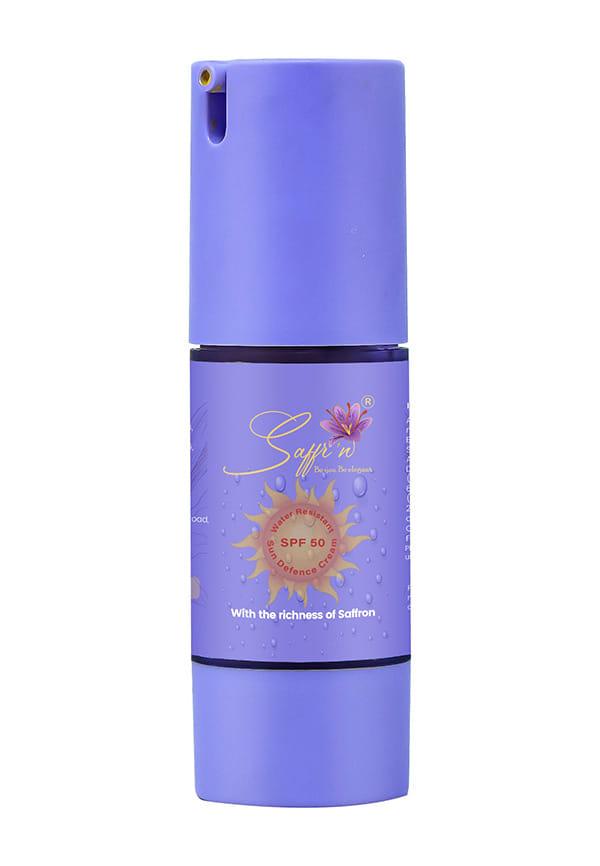
Water Resistant SPF 50 Sun Defence Sunscreen
Great Product, Best Value
 4
4“nice product best rate we loved it”
Picture this: you're finally at that beach holiday you've been planning for months, armed with what you thought was waterproof sunscreen, only to discover painful sunburn lines after your first swim. Sound familiar? The confusion between water resistant and waterproof sunscreen has caught many of us off guard, and honestly, the labelling doesn't make it any clearer. Here's the thing though - there's actually no such thing as truly waterproof sunscreen according to FDA regulations, which might come as a surprise. What we have instead are water resistant formulas with varying degrees of protection, and understanding these differences could be the key to keeping your skin safe during those summer pool sessions or monsoon beach trips. Whether you're planning to explore different sunscreen options on Smytten or just want to make sense of those confusing labels, let's dive into everything you need to know about sunscreen water resistance.
No sunscreen is truly "waterproof" - FDA regulations only allow "water resistant" claims with 40 or 80-minute protection ratings
Water resistant sunscreen maintains SPF protection for either 40 or 80 minutes during swimming or sweating, but still requires reapplication
The difference lies in testing standards: 40-minute resistance is for moderate activity, 80-minute for intense water sports or extended swimming
Water resistant formulas are typically thicker and more tenacious but may feel heavier on skin compared to regular sunscreens
Proper application timing (15-30 minutes before water exposure) and generous coverage are crucial for maximum protection
Let's start with the most important fact: if you see "waterproof" on a sunscreen label, that's actually misleading marketing. The FDA banned this term from sunscreen packaging because no sunscreen can provide complete protection against water indefinitely.
The FDA made this change in 2012 after realising that "waterproof" claims were giving people false confidence about their sun protection. Real talk - even the most tenacious sunscreen will eventually wash off or break down with enough water exposure, sweating, or towel drying. The regulatory body now requires all sunscreens to use "water resistant" terminology instead, along with specific time-based claims that have been clinically tested.
Water resistant sunscreen undergoes rigorous testing where volunteers apply the product and then spend time in a controlled water environment. The sunscreen must maintain its stated SPF level for either 40 or 80 minutes of continuous water exposure. This testing simulates real swimming conditions, including the mechanical action of water against skin and the diluting effects of submersion.
Water resistant formulas typically contain film-forming ingredients like acrylates or silicones that create a more durable barrier on your skin. These ingredients help the sunscreen adhere better and resist washing off immediately upon contact with water. However, this doesn't mean the protection is permanent - it's more like a temporary shield that gradually weakens with exposure.
The 40-minute rating suits moderate activities like casual swimming or light water sports. The 80-minute rating is designed for more intense activities - think surfing, water skiing, or extended swimming sessions where you're constantly in and out of water.
The duration of water resistant sunscreen depends on several factors, but the testing standards give us a baseline understanding of what to expect during water activities.
This standard works well for most beach days or pool sessions where you're alternating between sunbathing and quick dips. During testing, the sunscreen maintains its SPF rating for 40 minutes of continuous water immersion. In real life, this might translate to longer protection if you're not constantly submerged.
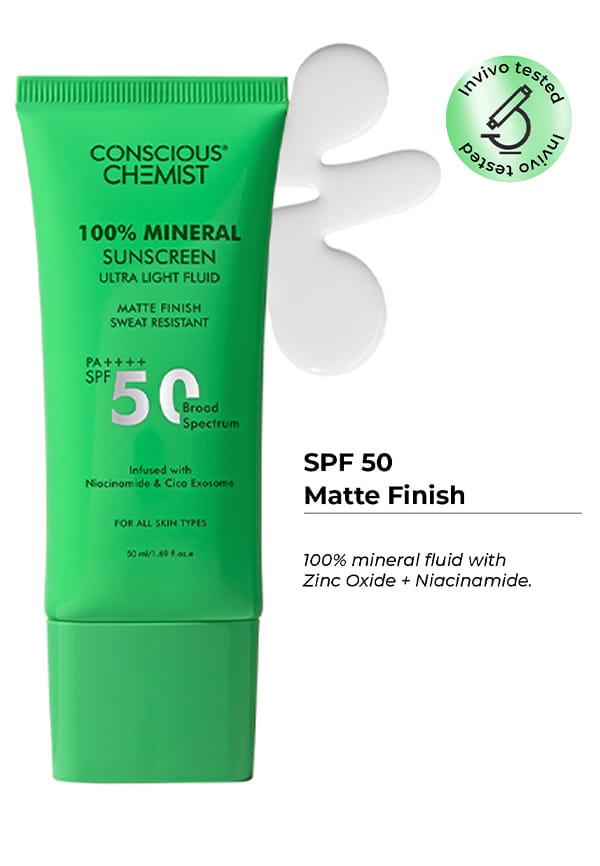
100% Mineral Sunscreen Ultra Light Fluid SPF 50 PA++++
Lightweight with Good Consistency
5“nice and lightweight no white cast no grizziness very good consistency”
Lightweight with Good Consistency
5“nice and lightweight no white cast no grizziness very good consistency”
Good Lightweight Sunscreen
4“good lightweight sunscreen despite having mineral filters”
The 80-minute rating becomes essential for serious water sports, long swimming sessions, or activities where reapplication isn't practical. Think snorkelling trips, sailing, or those marathon beach volleyball games where you're sweating heavily and can't stop to reapply every hour.
Swimming intensity plays a huge role - gentle floating affects your sunscreen differently than vigorous swimming strokes. Water temperature matters too, as warmer water can break down the sunscreen film faster.
Sweating and towel drying are major factors that reduce protection time. Even water resistant formulas can't withstand aggressive towel rubbing, and heavy sweating dilutes the protective film. The thickness of your initial application also affects duration - skimpy application means shorter protection, regardless of the water resistance rating.
Understanding how water resistance testing works helps you make better choices about which sunscreen suits your lifestyle and activities.
The testing process involves volunteers applying sunscreen to specific body areas, then spending measured time periods in a controlled water environment. Researchers test the remaining SPF protection at intervals to ensure it meets the claimed resistance time. This standardised approach means you can trust the 40 or 80-minute claims on properly regulated products.
Look for clear statements like "Water Resistant (80 minutes)" rather than vague terms like "long-lasting" or "all-day protection." Legitimate water resistant sunscreens will always specify the tested duration. Be wary of products that use terms like "waterproof," "sweatproof," or "all-day" without specific time claims.
Water resistance doesn't change the SPF rating itself, but it affects how long that SPF protection lasts during water exposure. A water resistant SPF 30 should maintain SPF 30 protection for the stated resistance time, whereas a regular SPF 30 might lose effectiveness much faster when exposed to water.
Terms like "beach-proof," "sport-proof," or "ultra-waterproof" aren't regulated and don't guarantee specific protection levels. Stick to products with clear FDA-compliant water resistance claims and specific time durations.
Your activity level and water exposure time should guide your sunscreen choice more than marketing claims or brand preferences.
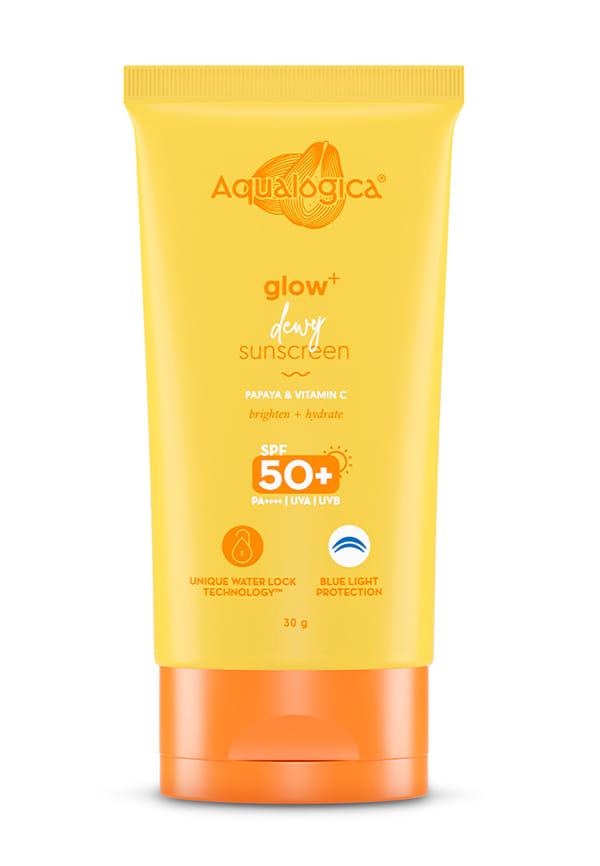
Glow+ Dewy Lightweight & Hydrating Travel-Friendly Sunscreen with SPF 50+ & PA++++
Nice Product, Love It
5“it's so nice product I love it”
Nice Product, Love It
5“it's so nice product I love it”
Small but effective for tan removal
5“little in size and but very helpful for skin tan removal.”
Look for broad-spectrum protection with at least SPF 30 and 80-minute water resistance for serious swimming. Zinc oxide or titanium dioxide-based formulas often provide more durable protection, though they may feel heavier initially. Consider stick formulas for easy reapplication around the pool or beach.
Active lifestyles require sunscreens that resist both water and sweat while remaining comfortable during movement. Look for non-comedogenic formulas if you're prone to post-workout breakouts, and consider tinted options that won't show white streaks during intense activities.
"Sweatproof" isn't an FDA-regulated term, but water resistant sunscreens generally perform well against sweat too. The same film-forming ingredients that resist water also help resist sweat dilution. However, heavy sweating combined with towel wiping will still reduce protection over time.
SPF 50 water resistant sunscreens offer excellent protection for extended outdoor activities, but they're often thicker and may require more effort to spread evenly. The trade-off between higher protection and comfort is worth it for long days in intense sun and water.
While true waterproof sunscreen doesn't exist, water resistant formulas do offer distinct advantages and some drawbacks worth considering.
The ingredients that make sunscreen water resistant - like silicones and film-forming polymers - often create a more occlusive feel on skin. This can translate to a greasier or stickier sensation, especially in humid conditions. However, newer formulations are improving the cosmetic feel while maintaining water resistance.
Water resistant sunscreen becomes essential for any activity involving water, heavy sweating, or situations where frequent reapplication isn't practical. For daily commuting or indoor activities with minimal sun exposure, regular sunscreen often provides adequate protection with better comfort.
Apply water resistant sunscreen 15-30 minutes before water exposure to allow the film to properly form on your skin. Use generous amounts - most people apply far less than the tested amount, which reduces both SPF and water resistance effectiveness. Pay extra attention to easily missed areas like ears, feet, and the back of your neck.
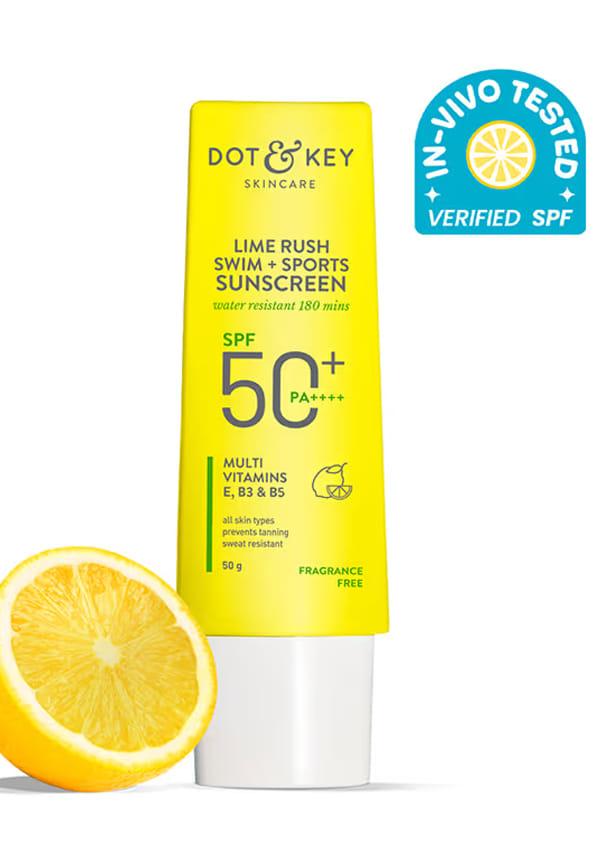
Lime Rush Swim+Sports Sunscreen Spf 50+ Pa++++
Recommend mineral sunscreen
5“Good but I would really recomend using mineral suncsreen. Please don’t use chemical sunscreens. ”
Recommend mineral sunscreen
5“Good but I would really recomend using mineral suncsreen. Please don’t use chemical sunscreens. ”
Recommend mineral sunscreen
5“Good but I would really recomend using mineral suncsreen. Please don’t use chemical sunscreens. ”
Even 80-minute water resistant sunscreen needs reapplication after the rated time period, after towel drying, or if you notice any signs of burning. Keep a waterproof watch or set phone reminders to track your reapplication schedule during long water activities.
No, water resistant and waterproof sunscreen are not the same. In fact, truly waterproof sunscreen doesn't exist according to FDA regulations. Water resistant sunscreen maintains its SPF protection for a specified time period (either 40 or 80 minutes) during water exposure, but it will eventually wash off and requires reapplication. The term "waterproof" was banned from sunscreen labels because it gave consumers false confidence about indefinite protection.
Since waterproof sunscreen doesn't actually exist, water resistant sunscreen is your best option for water activities. Choose 40-minute water resistance for casual swimming and 80-minute resistance for extended water sports or intense activities. The "better" choice depends on your specific needs - water resistant formulas are essential for swimming but may feel heavier for daily wear compared to regular sunscreens.
Yes, you can definitely swim in water resistant sunscreen - that's exactly what it's designed for. Water resistant sunscreen maintains its SPF protection during swimming for the specified duration (40 or 80 minutes). However, you still need to reapply after the rated time period, after towel drying, or if you notice any signs of sun exposure. For extended swimming sessions, choose 80-minute water resistance and set reminders for reapplication.
Water resistant sunscreen can be excellent for daily use, especially if you live an active lifestyle or spend significant time outdoors. However, these formulas are often thicker and may feel heavier on skin compared to regular daily sunscreens. If you're not engaging in water activities or heavy sweating, a lighter daily sunscreen might be more comfortable while still providing adequate protection for commuting and indoor activities.
This depends on the specific formulation and individual interpretation of religious requirements. Some water resistant sunscreens create a barrier that might interfere with water reaching the skin during ablution. If this is a concern, consider using lighter, non-water-resistant formulas for daily prayers and switching to water resistant options only for swimming or sports activities. Consulting with religious authorities about specific products can provide clearer guidance.
For sensitive skin, look for mineral sunscreens with zinc oxide or titanium dioxide as active ingredients, avoiding water resistant formulas that might contain potentially irritating film-forming ingredients. Fragrance-free, hypoallergenic options work well for daily use when water resistance isn't necessary. Many brands available on Smytten offer gentle formulations specifically designed for sensitive skin types, allowing you to trial different options before committing to full-size products.
Understanding the difference between water resistant and waterproof sunscreen empowers you to make better choices for your skin protection needs. Remember that no sunscreen is truly waterproof, and even the most water resistant formulas require proper application and timely reapplication. Choose 40-minute water resistance for casual water activities and 80-minute protection for intense sports or extended swimming. The key to effective sun protection lies not just in choosing the right product, but in using it correctly - applying generously, timing your application properly, and maintaining realistic expectations about protection duration. Whether you're planning a beach holiday or just want reliable daily protection, understanding these differences helps you select sunscreens that actually work for your lifestyle.
Navigating the world of water resistant sunscreens doesn't have to be overwhelming when you understand what the labels actually mean. Smytten is India's largest product discovery and trial platform, connecting consumers with top lifestyle, beauty, wellness, and grooming brands, making it easier than ever to find the right sunscreen for your needs. With curated trial packs from over 2,400 trusted brands, you can explore different water resistant formulations before committing to full-size purchases. Each mini is linked with Trial Points, and users can get up to 10 Trial Points for just ₹279, plus Smytten offers 100% cashback on the purchase of these minis, redeemable for future orders. This try before you buy approach is particularly valuable for sunscreens, where finding the right balance between protection and comfort can take some experimentation. With over 28 million users and 100 million trial minis delivered across 90% pin code coverage, Smytten helps you make smarter, more confident choices about your sun protection. After all, why settle for maybe when you can #TryItAll!
